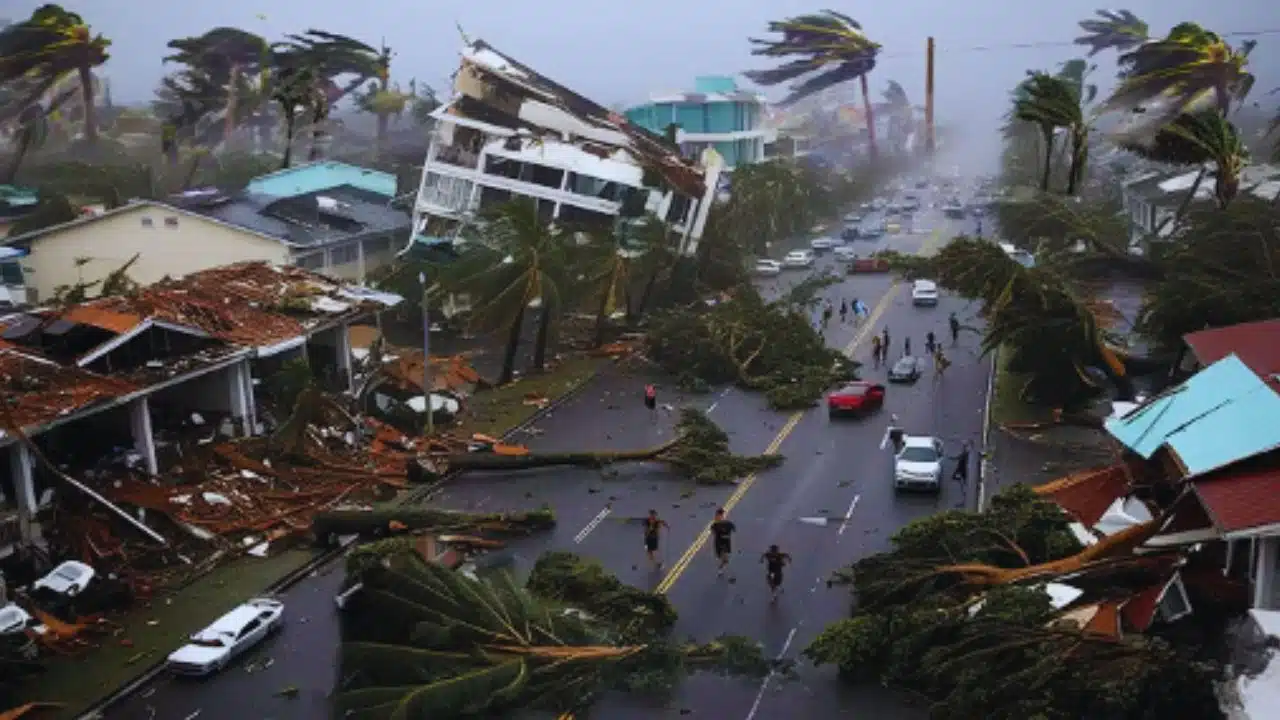
A new disaster is unfolding in the Philippines as Typhoon Fung-wong, known locally as Uwan, gathers strength over the Pacific and barrels toward the country. Coming less than a week after the deadly Typhoon Kalmaegi, which killed nearly 200 people and devastated large parts of the central islands, this second storm has sparked urgent evacuations and fresh warnings across the archipelago.
Meteorologists say Fung-wong has rapidly intensified, pushing maximum sustained winds to around 185 kilometers per hour (115 miles per hour) and gusts of up to 230 kph (143 mph). The Philippines’ weather bureau, PAGASA, has classified it as a “super typhoon” on its internal scale, though international weather centers still list it just below the highest category. The storm’s vast circulation — stretching roughly 1,500 kilometers (932 miles) across — now spans nearly the entire breadth of the country, bringing heavy rainfall, violent winds, and dangerous storm surges to dozens of provinces.
Forecasters expect Fung-wong to make landfall on Sunday night or early Monday, likely in the northern or eastern regions of Luzon, the country’s most populous island and home to the capital, Manila. But the sheer size of the system means no region is entirely safe. On Saturday, outer rainbands were already drenching the Visayas, Bicol, and parts of Mindanao, accompanied by relentless winds and swelling seas. PAGASA forecaster Benison Estareja warned that the typhoon’s reach is so broad it “can cover almost the entire country.”
More than 100,000 residents have been evacuated from flood-prone and coastal communities. Schools, seaports, and government offices in several provinces have been closed, while airlines have canceled over 300 domestic and international flights. Authorities have suspended all marine travel, fearing waves could rise up to five meters high. Local officials are urging people living near rivers, mountain slopes, or the coast to move to safer ground as flash floods and landslides remain an imminent danger.
A Nation Still Reeling from Kalmaegi’s Wrath
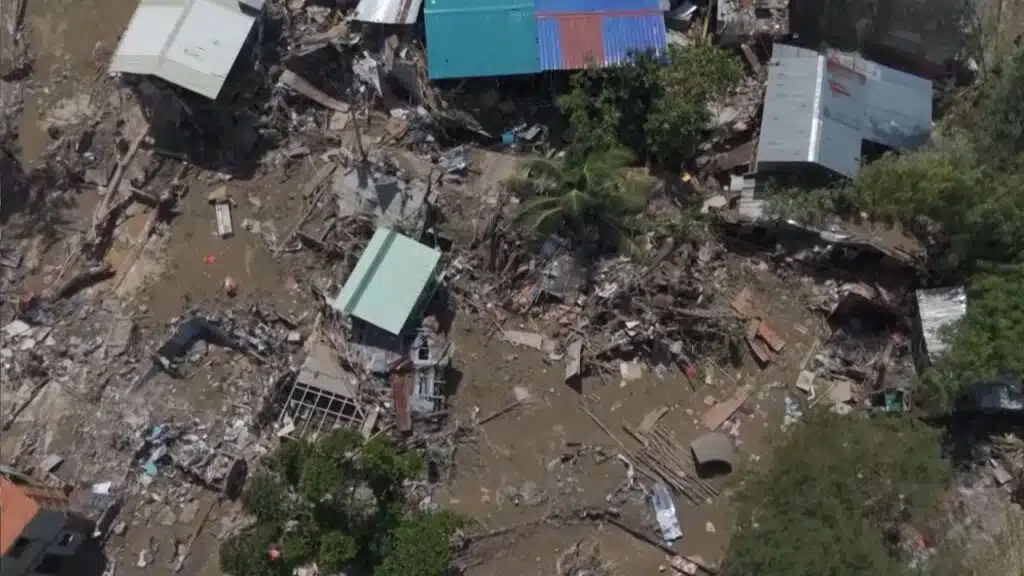
The arrival of Fung-wong could not come at a worse time. Earlier in the week, Typhoon Kalmaegi ripped through the central Philippines, leaving behind a path of destruction that authorities are still struggling to assess. At least 188 people were killed, most of them in Cebu Province, a popular tourist destination that was among the hardest hit. Thousands of homes were destroyed or submerged under floodwaters. Roads and bridges were washed away, isolating communities and hampering rescue operations.
Kalmaegi was not the strongest storm to hit the country, but its slow movement and prolonged downpour turned it into one of the deadliest this year. Entire neighborhoods were reduced to debris, while local hospitals were overwhelmed with injured survivors. Emergency workers say the damage to infrastructure — especially in flood-prone cities — has left many areas vulnerable to the next blow.
Government officials admitted that clogged waterways and poor drainage systems worsened the flooding. Bernardo Rafaelito Alejandro IV, deputy administrator of the Office of Civil Defense, said that some deaths could have been prevented if early warnings had been properly heeded. He noted that many residents underestimated the storm’s danger, partly due to fatigue from frequent typhoons and a lack of trust in public alerts.
Adding to the crisis, the Philippines has been shaken by a corruption scandal involving billions of pesos meant for flood-control projects. Dozens of lawmakers and construction firms are accused of diverting funds intended to strengthen the country’s defenses against disasters. The revelations have fueled public anger and mass protests in major cities, further eroding confidence in the government’s ability to protect citizens from the intensifying storms.
For many communities still cleaning up after Kalmaegi, Fung-wong’s approach feels like a cruel repetition. Families who only days ago returned to salvage their homes are once again packing up what little they have and heading for evacuation centers. Relief agencies warn that food, water, and medical supplies are already stretched thin. With back-to-back disasters, humanitarian workers fear a compounded crisis that could push thousands more into poverty and displacement.
Climate Reality and an Unforgiving Future
The Philippines, a nation of over 110 million people, is among the world’s most disaster-exposed countries. Sitting squarely on the Pacific typhoon belt, it experiences an average of 20 tropical storms each year, with several reaching destructive strength. Fung-wong is the 21st named storm of 2025, marking an especially active and devastating typhoon season.
Scientists say the climate crisis is making these storms stronger, wetter, and more erratic. Ocean temperatures across the western Pacific have reached record highs for eight consecutive years, fueling rapid intensification. Warmer air holds more moisture, leading to heavier rainfall when storms make landfall. Meteorologists warn that what used to be considered “once-in-a-decade” events are now becoming annual occurrences.
The consequences extend beyond infrastructure damage. Frequent disasters disrupt agriculture, displace millions, and drain public resources meant for long-term development. Many of the hardest-hit communities are in rural or coastal areas where poverty rates are high and adaptation measures are limited. In cities like Manila, rapid urbanization and weak enforcement of zoning laws have left millions living in flood-risk zones.
International climate experts emphasize that industrialized nations, which have contributed the most to global warming, must step up support for vulnerable countries like the Philippines. The disproportionate impact of extreme weather in the Global South highlights the need for stronger global climate finance mechanisms and more resilient local planning.
As Typhoon Fung-wong bears down, the Philippines faces not only another natural disaster but a stark reminder of its long-term vulnerability. The government’s immediate focus is on saving lives and minimizing damage, but the deeper challenge lies in building systems resilient enough to withstand an era of escalating climate extremes.
For now, coastal cities are bracing for impact, rescue teams are on high alert, and the entire nation watches the skies — praying that this storm, unlike the last, will pass without another tragedy.
The Information is collected from CNN and MSN.