Many workers feel stuck as technology shifts faster than they learn. Studies show upskilling after a skills gap analysis can boost output and improve employee retention. This blog shares the Top 10 Upskilling Paths Every Worker Should Consider, from soft skills like critical thinking to online courses in big data and generative AI.
Keep reading.
Key Takeaways
- Analytical thinking and innovation top the World Economic Forum’s 2025 skills list. 87% of executives cite gaps in analytical thinking (McKinsey).
- Tech and AI skills pay off fast. Mercer reports 40% of GenAI users see sharp productivity gains, and WEF says 54% of workers will need new skills by 2025.
- Data analysis drives decisions. Teams use regression in Python, clustering in Tableau (Netflix), and time series forecasting with Prophet to boost planning and cut turnover.
- Emotional intelligence, resilience, and communication rank among the WEF’s top 10 skills. Microlearning can raise knowledge retention by 20–30% (LinkedIn 2024).
How can you improve analytical thinking and foster innovation?

Analytical thinking shapes the workforce of tomorrow. It sparks fresh ideas and solves tough problems.
- Embrace Einstein’s motto, “Need different thinking to solve problems.” Craft SMART goals that push your mind to new methods. This link to goal setting builds innovation and bridges the skill gaps.
- Align your goals with WEF research. The forum flags analytical thinking and innovation as the top skill for 2025. Use those insights to shape talent development plans. You boost employee engagement.
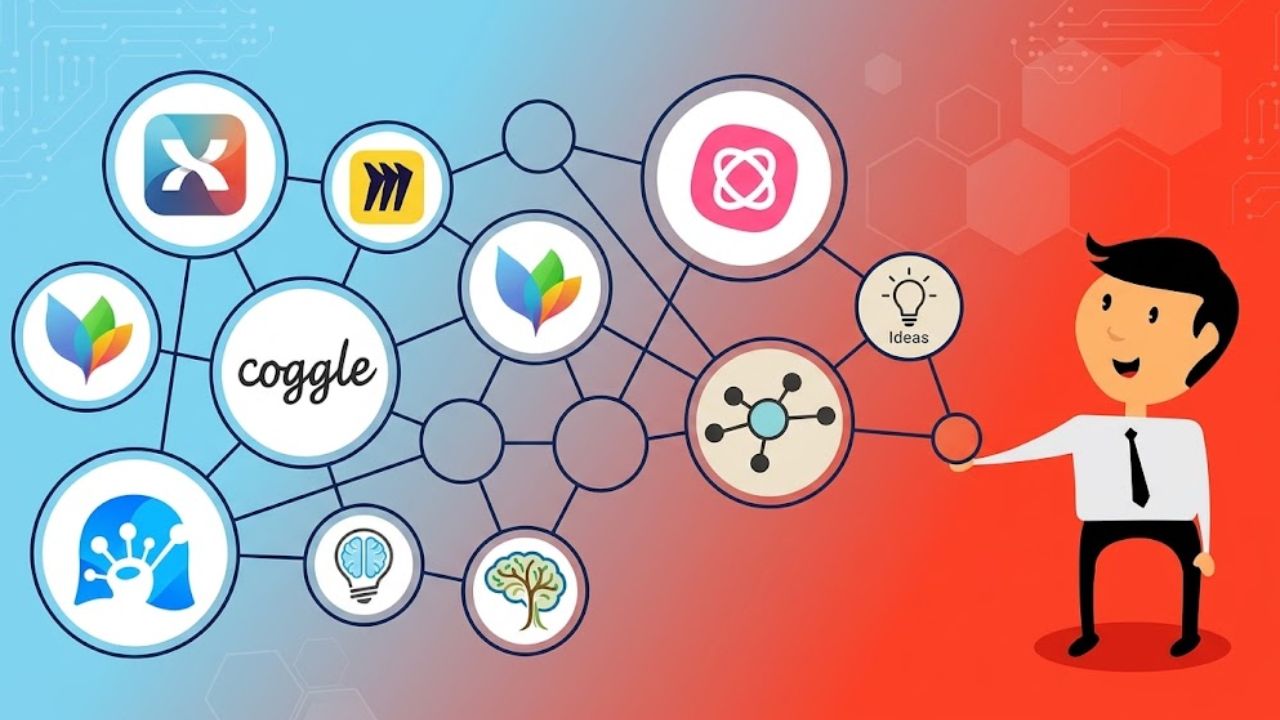
- Host open dialogue sessions. Encourage staff to share new ideas, and build trust. Use mind mapping software to track thoughts. This action breaks down silos and fuels innovation.
- Rotate staff across roles. Spotify moves team members from product to marketing to spark fresh views. This cross-functional shift teaches empathy and spurs new solutions.
- Conduct a skill gap analysis. McKinsey found 87 percent of executives cite gaps in analytical thinking. Use that data to shape employee development plans. You prevent talent loss.
- Measure with KPIs. Track how teams solve real challenges each quarter. Use those metrics to refine learning and development. This step aids employee retention.
How do you become proficient in technology and AI?
- Enroll in online courses on artificial intelligence, data science, machine learning and deep learning taught by experts.
- Practice tech use, monitoring, and control in small coding labs since WEF lists these among the top ten skills for 2025.
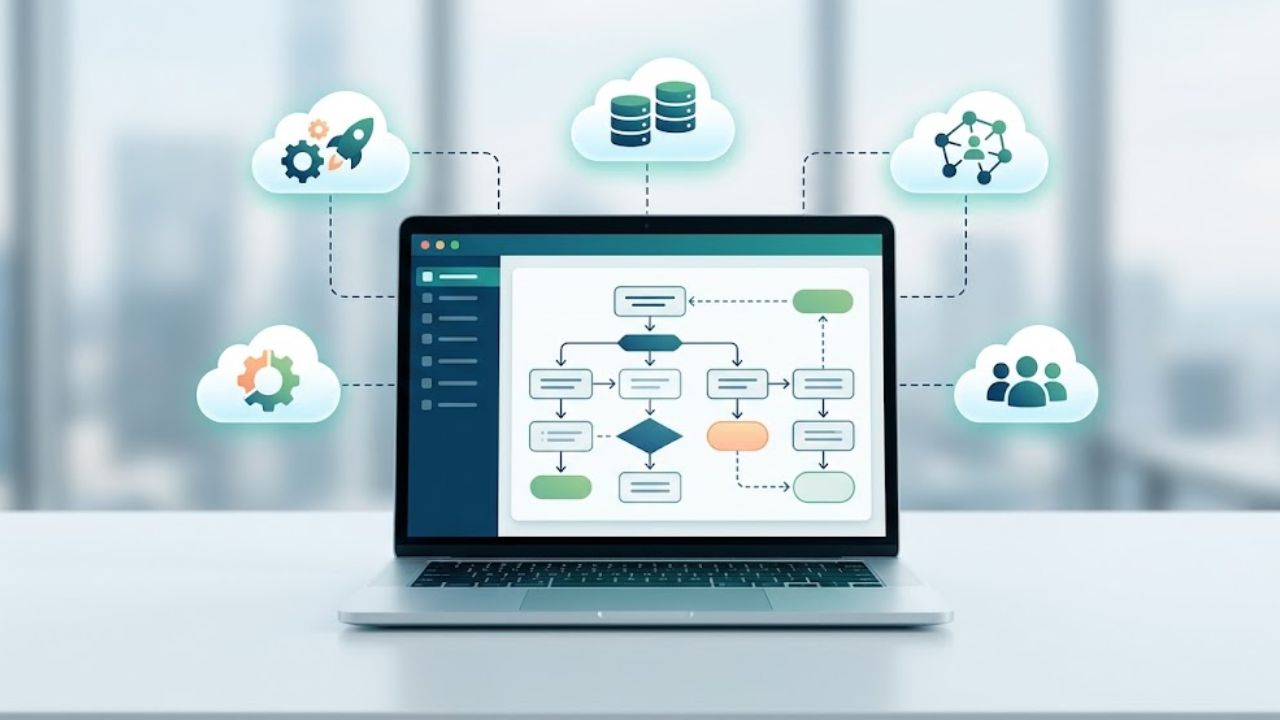
- Use cloud computing platforms like AWS and Azure to drive digital transformation in your daily tasks.
- Set up Oracle Grow and AI‐enhanced HCM tools to track your skills and get personalized learning paths.
- Try generative ai templates at work rather than blank spreadsheets, since Mercer says forty percent of users see sharp productivity gains.
- Code simple projects as a big data architect or machine learning engineer to sharpen critical thinking and creative problem-solving.
- Audit your skills often with a modern LMS or digital adoption platform to spot skill gaps and reinforce continuous learning.
What advanced data analysis and interpretation techniques should you learn?
- Regression analysis taps the R language and Python pandas to spot patterns; Google marketing pros use it to refine campaigns.
- Clustering sorts customer groups in Power BI or Tableau; Netflix uses it to personalize offers.
- Time series forecasting uses Prophet or R forecast to chart trends; it guides strategic planning, cuts turnover rates, and raises employee retention.
- Sentiment scoring uses spaCy or NLTK to gauge employee engagement; HR sees real value in workforce development.
- Network mapping opens a view of collaboration ties via Gephi; it helps managers plan succession and knowledge transfer.
- Simulation modeling runs Monte Carlo tests in MATLAB or Python; it buttresses cybersecurity and risk management.
How can you develop emotional intelligence and empathy?
Leadership and social influence, including emotional intelligence, rank among the WEF’s top 10 skills for 2025. Teams thrive when they share feelings and tune into others’ needs.
Org charts matter less than human bonds. Workers grow self-awareness through honest feedback and reflection. Trainers boost social cues with role-play. A focus on communication skills, employee engagement, and autonomy fuels a growth mindset.
Guiding sessions and individual learning paths help learners build empathy. The chipmaker saw higher retention after mentors linked staff and offered career development tips. The CRM platform used badges to praise soft skills gains, and morale soared.
What are the best ways to strengthen leadership and manage people?
- Implement mentorship programs with peer learning. Intel uses these plans for succession planning and to upskill 54% of workers who need new skills by 2025 (WEF).
- Set clear SMART goals for leaders. Microsoft and Amazon embed daily learning tasks to boost leadership development and critical reasoning.
- Promote cross-functional learning. Let product managers join marketing to sharpen business strategy and hands-on skills.
- Rotate team assignments. Spotify moves staff across squads to expose them to varied challenges and build resilience.
- Add instructor-led training or microlearning modules. Use learning technologies in-house to close skill gaps and track progress.
- Encourage peer learning circles. Let employees share tips on GenAI and AI to spur continuous learning and innovation.
- Track progress with skill tracking tools. Align employee development plans with career aspirations and succession planning.
- Model empathy and clear dialogue. This soft skills push can boost social influence, a top skill for 2025 (WEF).
How do you build resilience and adapt to change?
Employers face talent gaps from retiring experts and rapid tech change. WEF puts resilience, stress tolerance, and flexibility among its top 10 skills for 2025.
- Encourage peer learning circles and mentorship programs to share wins and failures. This practice taps into employee engagement and knowledge transfer within a strong learning culture.
- Provide personal learning paths with intelligent automation tools to match skills gaps and career goals. This approach supports continuous learning and personalization.
- Reward progress with badges, points, or small bonuses to spark motivation. This step boosts employee retention and satisfaction.
- Set smart goals tied to broader business metrics to give tasks deeper meaning. This move aligns value proposition with personal purpose.
- Promote a growth mindset and stress tolerance with quick feedback loops. Leaders can quote Bram Stoker, “Value learning from failure,” to inspire resilience.
How can creative problem-solving skills be enhanced?
Creative problem-solving drives business growth. Companies name it a top skill for 2025.
- Tap creative thinking, originality, and initiative, the WEF’s top three skills for 2025, in ideation sessions.
- Set SMART goals before brainstorming to focus critical thinking, boost complex problem-solving, and spur innovation.
- Break down silos with cross-role workshops and build trust with open dialogue sessions.
- Use idea webs on a virtual whiteboard to map connections and spark lateral thinking.
- Run design thinking sprints and tie them to skill gap analysis for hands-on learning.
- Offer mentoring programs that mix senior and junior staff to fuel knowledge transfer and build a learning culture.
Digital marketing and social media evolve at lightning pace. You need smart upskilling methods.
- Track traffic with website traffic analysis software and draw insights using advanced data analytics.
- Generate post ideas with generative ai and test multiple versions for quicker wins.
- Blend product and marketing teams through cross-functional learning sessions to boost launch success.
- Offer bite-sized modules with video clips and interactive quizzes to power microlearning.
- Run skill gap analysis in HCM systems to map training needs and guide employee development plans.
- Mirror Google and Netflix models with customized growth tracks for specific social media roles.
What are the essentials of cybersecurity and risk management?
Tech teams use data encryption, firewalls, and penetration testing to block attacks. They add regular compliance audits to every update. A startup found a gap beyond JavaScript knowledge and tapped talent management software.
Machine learning tools scan staff skills and flag missing risk management abilities. HR staff run skills gap analysis and skills tracking each quarter. They align upskilling plans to business aims.
Continuous learning drives employee retention and career development. HR catalogs skill data and crafts targeted L&D plans. Leaders set clear milestones and track progress with eLearning platforms.
They update training as threats shift during digital transformation. Teams build critical thinking and a growth mindset in this system.
How can communication and collaboration skills be boosted?
Good chat builds trust. Strong teamwork lifts morale.
- Cite WEF research that names collaboration as one of four main skills for 2025 to guide skills gap analysis.
- Run cross-team sprints like a music platform to break silos and boost internal mobility.
- Host daily micro-learning on chat channels at a software firm or an online retailer to spark continuous learning.
- Set smart goals in group chats to track progress and drive employee engagement.
- Launch peer mentorship programs to aid knowledge transfer and career development.
- Use shared docs and video calls to fit hybrid work and grow communication skills.
Takeaways
This wrap-up shows vital upskill paths for 2025. It highlights analytical thinking and emotional intelligence. Teams can leverage Machine Learning, Pandas, and Coursera for sharper data insights.
Firms boost retention, drive engagement, and spark innovation with clear goals. These techniques prepare workers for fast shifts at work. Collaboration and resilience tie these moves into a winning mix.