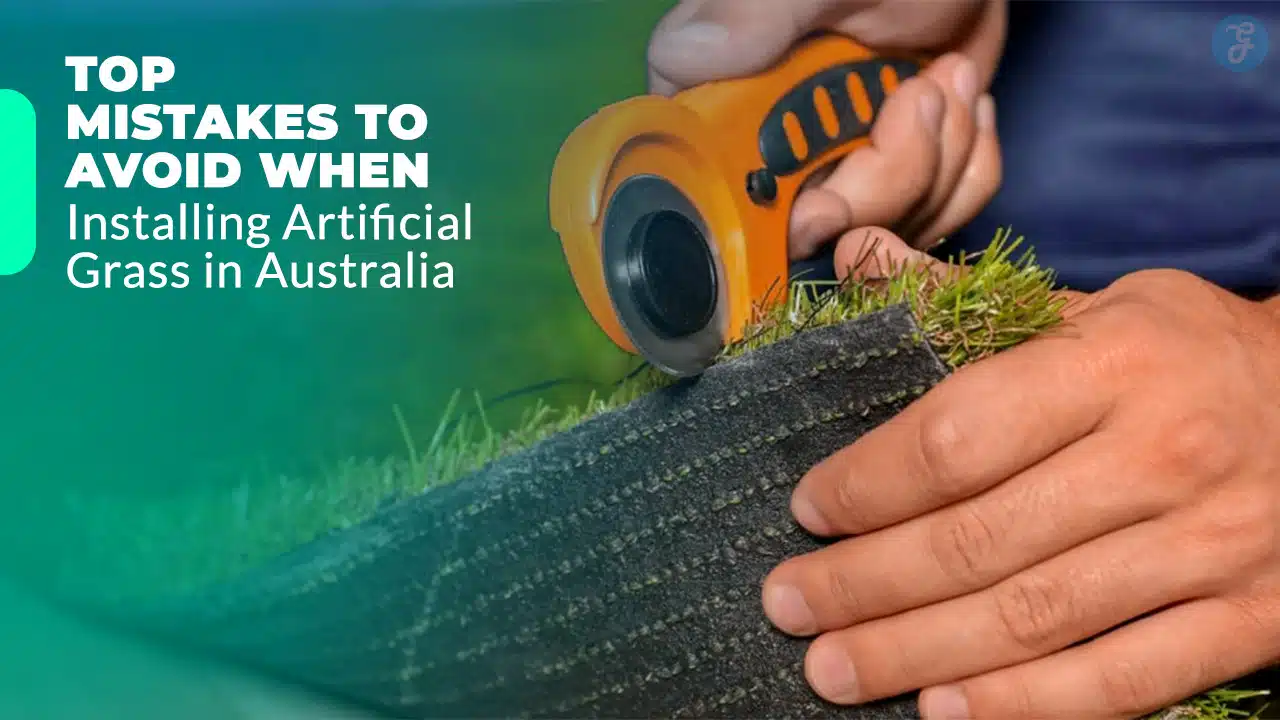
Are you tired of a patchy, uneven artificial lawn in your outdoor space? Did you know that poor setup can cut the life of your synthetic turf by years? In this post, we’re breaking down the “Top 8 Mistakes To Avoid When Installing Artificial Grass In Australia” to help you get a flawless, long-lasting result.
Stick around, we’ve got tips to save your yard!
Key Takeaways
- Clear all debris and use a weed barrier to stop plant growth under your artificial grass.
- Dig 75mm to 100mm deep for a solid base and proper drainage in poor-draining areas.
- Pick UV-resistant artificial grass to fight fading under Australia’s harsh sun.
- Use drainage tiles and a gravel base to avoid water pooling and mold on your turf.
- Secure edges with landscape spikes and high-quality seam tape for a neat, lasting finish.
Common Installation Mistakes to Avoid
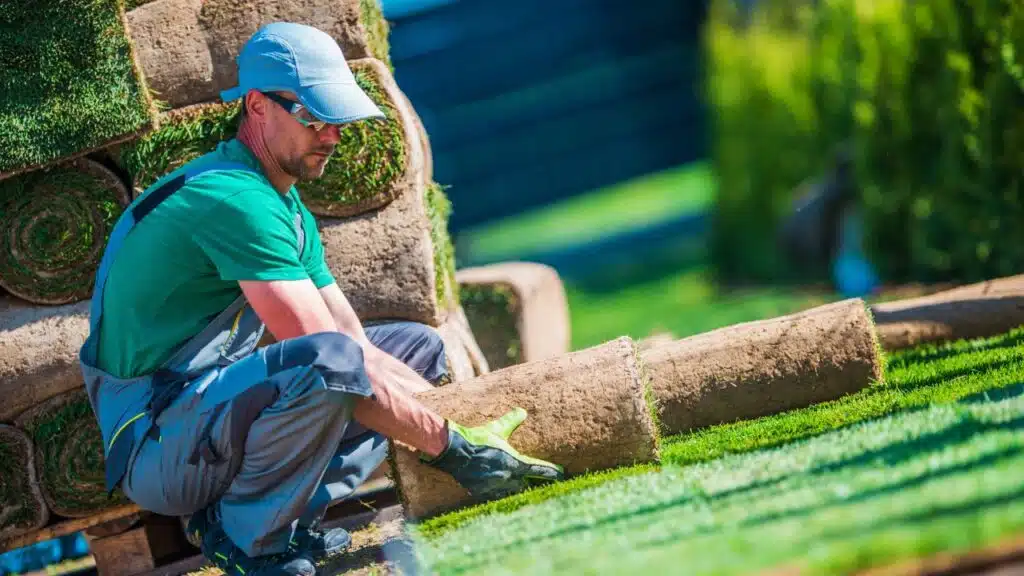
Hey there, installing artificial grass in Australia can be a game-changer for your outdoor space, but watch out, it’s easy to trip up! Stick with me to dodge some big blunders that could mess up your synthetic turf dreams.
How do you properly prepare the ground before installing artificial grass?
Let’s talk about setting up your outdoor space for artificial grass. Getting the ground ready is key to a smooth artificial turf installation.
Here’s how to prep the ground like a pro for your synthetic turf:
- Start by clearing out all the junk. Remove weeds, rocks, and any debris from the area. This step stops unwanted stuff from messing up your artificial lawn down the road.
- Lay down a weed barrier next. This handy layer blocks regrowth of pesky plants. It keeps your Perth artificial grass looking neat and tidy for years.
- Dig out the dirt to the right depth. Excavate at least 75mm, or about 3 inches, and go up to 100mm, or 4 inches, in spots with poor drainage. This makes room for a solid base under your fake turf.
- Grade the surface to slope away from buildings. Direct water away to avoid pooling. Proper drainage keeps your synthetic grass safe from soggy messes.
- Smooth out the ground after digging. Level the area to dodge uneven surfaces. An even base means your artificial turf won’t have weird bumps or dips.
- Pack down the soil tight. Use a plate compactor to firm up the surface. Compacting helps create a steady spot for installing your turfs.
- Fill in low spots for a flawless finish. Mix sand and cement to patch up dips. This trick gives your artificial grass installation a flat, polished look.
- Double-check for any missed debris. Rake over the area one last time. Clearing every bit of trash now saves headaches during artificial turf maintenance later.
What type of artificial grass is best suited for Australian conditions?
Hey there, picking the right artificial grass for Australian conditions can feel like finding a needle in a haystack, but I’ve got your back. Our harsh sun and wild weather mean you need synthetic turf that’s tough as nails.
Go for high-quality artificial turf that’s UV-resistant to fight off fading, even if it might dull a tiny bit over time. Trust me, with proper care, this stuff can last over 15 years, making it a solid pick for your outdoor space.
Now, think about sun exposure and foot traffic in high-traffic areas like sports fields or playgrounds. Whether it’s for pets, kids in childcare centers, or gym spaces, you want Perth artificial grass that holds up under pressure.
A good fake turf also suits dog areas and recreational spots, so match it to your needs. Stick with a durable artificial lawn, and you’ll dodge a lot of headaches down the road.
Why is drainage important and how do you implement it correctly?
Drainage matters a lot when installing artificial grass in Australia. Poor setup can cause big headaches down the road.
- First off, inadequate drainage leads to water pooling, mold, odors, and even damage to your artificial turf. Imagine stepping out to a soggy, smelly outdoor space after a rainstorm; it’s no fun at all. With Australia’s varying climate zones, heavy rains can hit hard, so tackling this issue is a must for a lasting artificial lawn.
- Next up, water pooling isn’t just annoying, it’s a real threat to your fake turf’s lifespan. When water sits, it weakens the base and invites nasty growths like mildew. You don’t want your Perth artificial grass turning into a swamp, right?
- To fix this, install drainage tiles as a smart start. These handy tools guide water away from high-traffic areas, keeping your synthetic turf dry. Lay them under the surface during ground preparation for the best results.
- Another trick is creating a slope in your yard for proper drainage. Even a slight tilt helps water run off instead of sticking around. This small step can save your artificial grass installation from major woes.
- Don’t skip on a gravel base either; it’s a game-changer. Using crushed rock under your artificial lawn stops waterlogging by letting liquid seep through. Think of it as a sponge that keeps things neat and tidy.
- Lastly, consider drainage pipes for extra protection. These tubes channel water away, especially in areas prone to heavy downpours. Pair them with your gravel setup, and you’ve got a solid shield against any rainfall mess.
How can you measure and cut artificial grass accurately?
Let’s talk about getting those measurements and cuts just right for your artificial grass. Making mistakes here can turn your outdoor space into a patchy mess, so let’s explore some practical tips.
- First up, grab a reliable tape measure and map out your area with precision. Lay out your artificial turf in your yard, ensuring it covers every inch you plan to transform. Verify those dimensions, because accurate measurement prevents gaps or overlaps from spoiling your fake turf look.
- Next, mark your cutting lines with chalk or a marker before you slice into the synthetic turf. This simple step keeps you aligned and avoids uneven edges that look unprofessional. A clear guide line is your greatest ally here.
- Always use a sharp utility knife for cutting your artificial lawn. A dull blade can rip the material, leaving you with rough edges that lift over time. Keep it clean and sharp for a polished finish on your Perth artificial grass.
- Cut from the backside of the turf to keep things neat and tidy. This method conceals any minor errors and prevents noticeable seams from appearing in high-traffic areas. It’s like tucking away the imperfections, only more effective.
- Take your time with each slice, moving slowly to match those exact measurements. Hurrying can result in wrong cuts, and nobody wants an uneven artificial grass installation. Patience leads to a flawless outcome.
- After cutting, check the fit by laying the pieces back down in your space. If there are small gaps or overlaps, trim a bit more to refine it. This final adjustment prevents future issues with lifting edges on your artificial turf.
- Bear in mind that incorrect measurement and cutting results in unsightly seams. It’s a quick path to a sloppy appearance that even the strongest adhesive can’t remedy. Stay focused to avoid this issue entirely.
What are the best practices for seaming and securing edges?
Hey there, let’s talk about making your artificial grass installation in Australia look exceptional. Securing those seams and edges for your artificial lawn is essential for a perfect outdoor space.
- First, always use high-quality seam tape for joining pieces of artificial turf. This material works like a reliable bond, keeping everything secure so you avoid unsightly gaps. Weak seaming can cause turf separation, and no one wants that issue in high-traffic areas like your backyard in Perth. Lay the tape flat under the edges, press it down, and ensure it adheres well for a seamless finish.
- Next, get a durable adhesive to pair with that tape. Spread it evenly on the seam tape before firmly pressing the fake turf down. This step prevents your synthetic turf from coming apart, especially under the intense Aussie sun. A strong connection ensures your lawn remains tidy, even with kids or pets playing around.
- Now, concentrate on fastening the edges with landscape spikes or nails. Drive these into the ground around the border of your artificial grass to prevent any movement or curling. It’s like anchoring your lawn in place, so it stays steady in windy conditions or during active play. Space them evenly for a consistent grip all around.
- Also, think about using a reliable adhesive for added edge stability if spikes aren’t sufficient. Apply it along the perimeter to bond the turf to the base, stopping it from lifting. This method is highly effective on uneven surfaces or active areas, ensuring your Perth artificial grass remains in place no matter the conditions.
- Lastly, consider adding edging for a refined appearance after securing with nails or glue. Edging frames your artificial lawn beautifully, like a border for your yard. It enhances the appeal of your outdoor space and also helps prevent the turf from shifting out of position over time.
When should infill be applied and how do you choose quality materials?
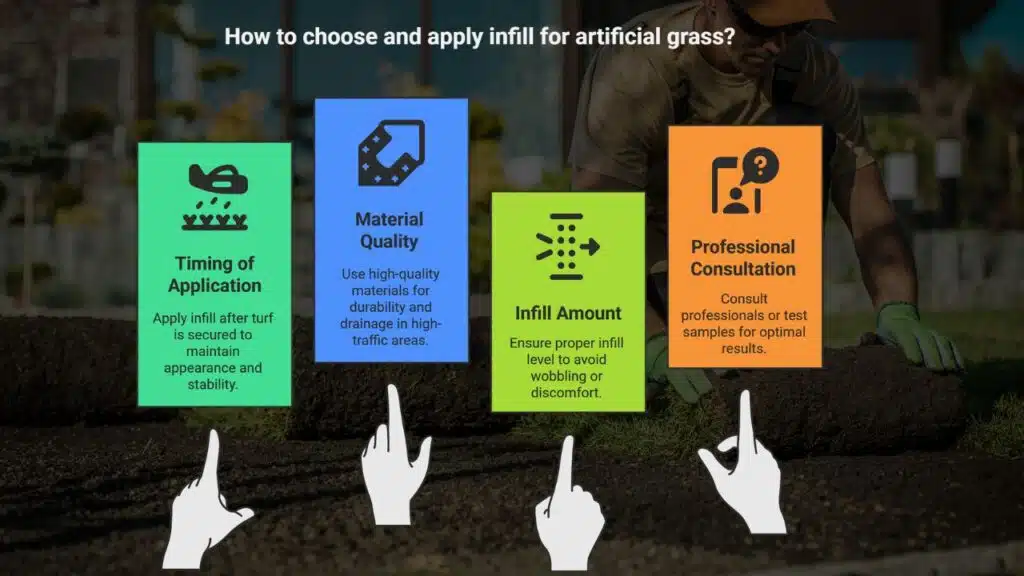
Gotta get that infill just right for your artificial grass, folks. Lay it down after you’ve set the synthetic turf in place, making sure it’s secure. This step keeps your artificial lawn looking sharp and standing tall.
Proper infill maintains the lawn’s structure and boosts its longevity, so don’t skip it. Spread it evenly across the surface to dodge those pesky lumps that can mess up your outdoor space.
Now, picking top-notch infill for high-traffic areas is a big deal. Go for high-quality materials that support the grass blades and help with proper drainage. Too little infill, and your fake turf might wobble; too much, and it feels weird underfoot.
Chat with pros or test samples to find what works best for your Perth artificial grass setup. Trust me, a little effort here saves tons of hassle later!
Why should artificial grass not be installed on uneven ground?
Hey there, let’s chat about why laying artificial grass on uneven ground is a big no-no. If the surface isn’t flat, your synthetic turf can end up looking bumpy and feeling unstable underfoot, kinda like walking on a lumpy mattress.
Uneven surfaces mess with the whole vibe of your outdoor space, making it look sloppy and unnatural. Trust me, you don’t want your fake turf to trip you up, literally!
Think about this: uneven ground can lead to real headaches down the road. It causes instability, as I mentioned, and prevents that smooth, polished look for your artificial lawn. To fix this, grade the ground to slope away from structures for proper drainage, and always level and compact the surface with a plate compactor.
You can even use a sand and cement mix to fill low areas for a flawless finish. Stick to this, and your Perth artificial grass will look top-notch in high-traffic areas!
How do heat and chemical exposure affect artificial grass installation?
Heat can really mess with your artificial grass installation if you’re not careful. In Australia, the sun blazes hot, and reflective surfaces like windows or shiny gutters can focus that heat, causing damage to your synthetic turf.
Even high-quality, UV-resistant fake turf might fade a bit over time under this intense glare. So, watch out for spots where heat builds up, and maybe shade those areas if you can.
Chemicals are another sneaky problem for your artificial lawn. Spills from cleaners or pet messes can stain or weaken the turf if not cleaned fast. Always pick up after pets to dodge odors and ugly marks on your outdoor space.
Keep sharp objects away too, as they can puncture the material, ruining your Perth artificial grass setup in no time.
Takeaways
Hey there, let’s wrap this up with a quick nudge to get your artificial grass game on point. Don’t let those pesky mistakes trip you up when creating your dream outdoor space. Dodge the pitfalls like poor drainage or sloppy edge securing, and you’ll have a stunning artificial lawn that lasts.
Picture a yard in Perth looking sharp for years, all because you played it smart. Got questions? Drop them below, and let’s chat about nailing that synthetic turf setup!
FAQs
1. What’s a big slip-up with ground preparation for artificial grass installation in Australia?
Hey, don’t skip proper ground preparation when laying down that artificial lawn. Messing up this step, like ignoring debris removal or not leveling uneven surfaces, can turn your outdoor space into a lumpy disaster.
2. Why is poor drainage a deal-breaker for synthetic turf?
Listen up, poor drainage is like inviting a swamp to your backyard with Perth artificial grass. Water pooling can ruin your fake turf fast. Make sure you plan for proper drainage to keep things dry and neat.
3. How can I dodge issues in high-traffic areas with artificial turf?
Got a busy spot? High-traffic areas need extra care with artificial turf maintenance, so don’t just slap it down and call it a day. Use a plate compactor to firm up that crushed rock base, or you’ll see wear and tear quicker than a kangaroo on the run.
4. Is securing the edges of artificial grass really that important?
You bet it is, mate. Skimping on securing the edges of your artificial turf can lead to a floppy, sad-looking synthetic turf that trips folks up in your outdoor space.
5. Should I worry about smoking near my new artificial lawn?
Heads up, smoking near your fresh artificial grass is like playing with fire, literally. One stray ash can melt or burn your fake turf, so keep those cigs far away from your shiny new lawn in high traffic areas or anywhere else.