Choosing the right storage for your VPS hosting can be tricky. Many users struggle to decide between shared and dedicated storage. Both options have their benefits, but they also come with challenges.
The wrong choice could impact your website’s performance, security, or budget.
Shared storage is like living in an apartment—you share resources with others. Dedicated storage, on the other hand, gives you full control of all server resources—like owning your own house.
This blog will explain the pros and cons of each to help you pick what works best for your site.
Keep reading to make a smarter decision!
Understanding VPS Hosting Storage
VPS hosting offers two main storage options, each with unique features and benefits. Choosing the right one depends on your website needs and resource priorities.
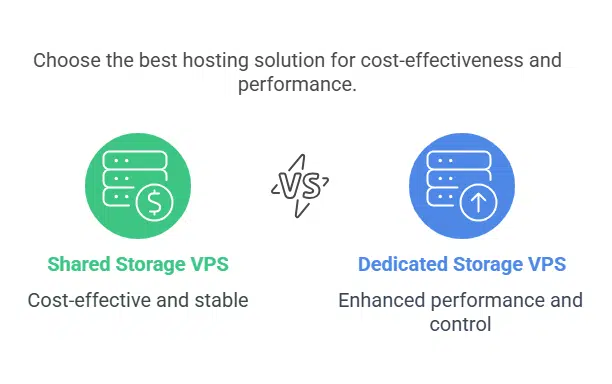
Shared storage in VPS hosting allows multiple users to access server resources on the same physical server. Each user gets part of a larger shared pool, ensuring cost-effective hosting while maintaining strong performance.
Virtual private servers divide this space among fewer users compared to shared web hosting, improving stability.
This type of storage enables better resource allocation for smaller budgets or growing websites. Hosting providers manage the hardware and share disk space among various virtual environments.
It suits businesses needing affordable solutions without dedicated physical servers or complex configurations.
What is dedicated storage in VPS hosting?
Dedicated storage in VPS hosting means each virtual private server has its own allocated space. Unlike shared hosting, no other user can access or use your storage area. For example, a managed VPS hosting plan might include a 1TB SSD, like the setup with InMotion VPS featuring Turbo Xeon processors and high-speed DDR4 RAM.
This type of storage delivers dedicated resources for better performance and reliability. It also enhances security since data stays separate from others on the same physical server.
With root access, users gain control over their operating systems and custom software configurations—ideal for eCommerce websites or specific legacy applications requiring secure environments.
Shared storage offers affordable hosting options for businesses with tight budgets. It also allows flexible resource sharing across virtual servers, making it a practical choice for many.
Cost-Effective Solution
Shared storage in VPS hosting offers low costs, starting from $1 to $15 per month. Hosting providers like HostPapa even provide discounts for long-term plans, such as a 3-year term.
This makes shared hosting ideal for small websites or businesses with limited hosting budgets.
By splitting server resources among multiple users, the cost of physical servers decreases significantly. Users share expenses on infrastructure and management while still benefiting from cloud-based technology and backups.
This type of hosting solution is perfect for sites that don’t need large dedicated resources but want reliable performance at an affordable price.
Easier Scalability
Scaling resources in VPS hosting is simple. Users can increase CPU, RAM, or storage without major downtime. This flexibility ensures websites handle growing traffic smoothly. Hosting providers use cloud technology to help expand server performance easily.
For example, if an e-commerce website experiences a holiday rush, the hosting plan adapts quickly. There’s no need for physical server upgrades or migrations. Cloud servers in modern data centers make scaling fast and cost-effective.
Shared storage in VPS hosting optimizes resources by pooling server capacity among multiple users. This ensures better use of space and power, making it a cost-effective hosting solution.
Hosting providers divide server resources like RAM, CPU, and storage spaces efficiently to support higher website traffic without unnecessary waste.
By sharing infrastructure, more users can benefit from advanced technologies like cloud computing or managed hosting at a lower cost. For example, cloud infrastructure balances loads during peak demand for websites with sudden spikes in visitors.
Shared environments prevent over-provisioning while maintaining ease of use for everyday web hosting needs.
Shared storage can bring some challenges. It might impact performance and limit security for your virtual private server.
Potential Performance Issues
High traffic on shared hosting can slow down website performance. Resource sharing leads to competition among users, causing delays during peak usage times. This issue is often called the “noisy neighbor” problem, where one website’s heavy resource use affects others on the same server.
VPS hosting with shared storage struggles to handle spikes in website traffic efficiently. Limited control over server resources increases risks of lag and downtime. For eCommerce websites or sites needing fast response times, these interruptions could lead to lost visitors and revenue.
Security Concerns
Shared storage in VPS hosting increases risks. Multiple websites on the same server share vulnerabilities. A compromised site can impact others, creating security gaps. Hackers might exploit these connections to access sensitive data or spread malware.
Dedicated storage offers stronger protection. Each server resource is isolated, reducing exposure to threats. This isolation keeps your website safer from attacks targeting other users in a shared environment.
For e-commerce websites and secure transactions, dedicated solutions are often better for peace of mind and enhanced safety measures like DDoS protection.
Limited Customization Options
Shared hosting limits customization due to pre-configured server environments. Users cannot adjust settings freely since multiple websites share the same space. Security configurations are restricted because changes could affect other sites on the server.
This setup offers less flexibility for businesses needing custom server adjustments. For example, e-commerce websites may struggle with specialized software needs or unique security measures.
Dedicated hosting, in contrast, allows root access and control over server resources—ideal for advanced setups or scaling specific features.
Pros of Dedicated Storage in VPS Hosting

Dedicated storage offers unmatched speed, solid security, and full control—making it ideal for those seeking premium hosting solutions.
Enhanced Performance and Speed
VPS hosting with dedicated storage ensures faster website performance. Each virtual private server gets its own CPU, RAM, and storage. This setup prevents interference from other users on the same physical server.
Websites can handle higher traffic without lag.
Hosting providers allocate resources specifically for one user in this environment. Dedicated configurations improve response times and loading speeds significantly—ideal for eCommerce websites or high-demand applications.
Better speed boosts customer satisfaction and search engine rankings too.
Greater Security
Dedicated storage offers stronger protection. It isolates your data from other users on the same physical server, reducing risks like hacks or data leaks. With full control over security settings, you can install custom tools to guard sensitive information.
This hosting solution ensures better resilience against cyber threats. Unlike shared hosting, where one breach could affect multiple accounts, dedicated environments protect only your virtual private server.
This setup is ideal for e-commerce websites needing high-level defenses.
Full Control and Customization
Full control allows full access to server resources. Users can configure server settings to meet specific needs. This includes root access for installing applications, running legacy software, or managing backups and recovery processes.
Dedicated hosting services ensure you manage your hosting environment without restrictions.
Customization means tailoring server configurations for maximum performance. Adjust resource allocation based on website traffic or application requirements. With dedicated storage in VPS hosting, users gain the freedom to optimize their setup for e-commerce websites or private cloud solutions needing high security and speed.
Cons of Dedicated Storage in VPS Hosting
Dedicated storage offers great benefits, but it can come at a higher price. It may also need more technical skills to manage properly.
Higher Costs
Dedicated hosting comes with higher monthly pricing due to physical server costs. Hosting providers must maintain and manage separate hardware, which raises operating expenses. Unlike shared hosting or VPS hosting, dedicated storage does not divide resources among users, making it a more costly solution.
A virtual private server with dedicated resources offers better performance but increases your hosting budget. For businesses managing high website traffic or eCommerce websites requiring advanced security, this expense may be essential.
Managed hosting plans for such setups can add to the total costs, as they require technical expertise from the provider’s end.
Requires Advanced Technical Knowledge
Managing dedicated server hosting demands high technical expertise. You must handle setup, configurations, and maintenance of physical servers or bare metal servers. Tasks like root access control, resource allocation, and data migration can get complex without experience.
Hosting providers often don’t include managed hosting services for dedicated servers in standard plans.
VPS hosting also needs some technical knowledge but less than a fully dedicated solution. Users should understand server performance management and basic server upgrades for issues like website traffic spikes.
Without this skill set or a managed VPS hosting plan, troubleshooting problems can be time-consuming.
Limited Scalability for Sudden Growth
Dedicated hosting struggles with rapid scaling. Users must buy a full additional physical server to handle increased website traffic or resource needs. This process takes time, money, and planning.
It does not allow quick adjustments during sudden demand spikes.
Cloud hosting offers more flexibility in growing server resources compared to dedicated servers. In contrast, dedicated storage ties businesses to fixed limits unless significant upgrades are made.
For eCommerce websites or high-traffic services needing fast growth, this limitation can hurt performance and user experience.
Choosing the right VPS hosting storage depends on your site’s needs and goals. Focus on factors like costs, performance, and security to guide your decision.
Budget Constraints
Shared storage in VPS hosting is more affordable. It works well for small businesses and blogs with lower traffic. The cost can fit tighter budgets while providing decent performance for basic needs.
Dedicated storage offers better speed and security but costs more. Prices range from $80 to $500 per month, making it a significant investment. This option suits larger sites or eCommerce websites needing strong server performance and control.
Website Performance Needs
Fast website performance is crucial for growing traffic. A virtual private server with dedicated server resources ensures faster loading times, even during peak hours. This means a better user experience and higher chances of retaining visitors.
High-traffic sites like e-commerce websites benefit from hosting solutions offering steady speed.
Shared VPS hosting may cause lag when multiple users share server resources. For businesses expecting growth, managed dedicated servers or cloud hosting services provide reliable scalability.
Hosting upgrades can match increased website traffic without affecting performance. Investing in the right hosting plan helps keep your website competitive on the internet.
Security Requirements
Security plays a vital role in VPS hosting. Dedicated storage offers greater protection by isolating your data from other users. This minimizes risks like breaches, malware attacks, or viruses often seen in shared hosting setups.
Shared storage can expose sensitive information due to multiple users sharing the same physical server space.
For websites handling ecommerce or large amounts of website traffic, dedicated resources provide peace of mind. Hosting providers often offer managed VPS hosting with options for backup and recovery plans.
These solutions help protect data during failures or threats online. Compliance needs also vary; businesses must ensure their chosen hosting solution meets legal requirements for handling customer data securely.
Long-Term Growth Plans
Planning for future growth means choosing the right hosting solution. A dedicated server offers better performance for high website traffic, but it comes at a higher cost. Shared storage in VPS hosting is more affordable and allows easier scalability for growing businesses.
Both options depend on your hosting budget and resource allocation needs.
Ecommerce websites with heavy traffic may benefit from managed VPS hosting with dedicated resources. On the other hand, startups or small sites can scale up gradually by using cloud backup and shared server configurations.
Long-term success relies on balancing costs with website security and customizations to handle future demands effectively.
Takeaways
Shared and dedicated storage each have clear strengths and weaknesses. Shared storage is cost-effective but may lack speed and security. Dedicated storage offers better performance and control, though it costs more.
Think about your budget, website needs, and growth plans before deciding. Choose the solution that fits your hosting goals best!