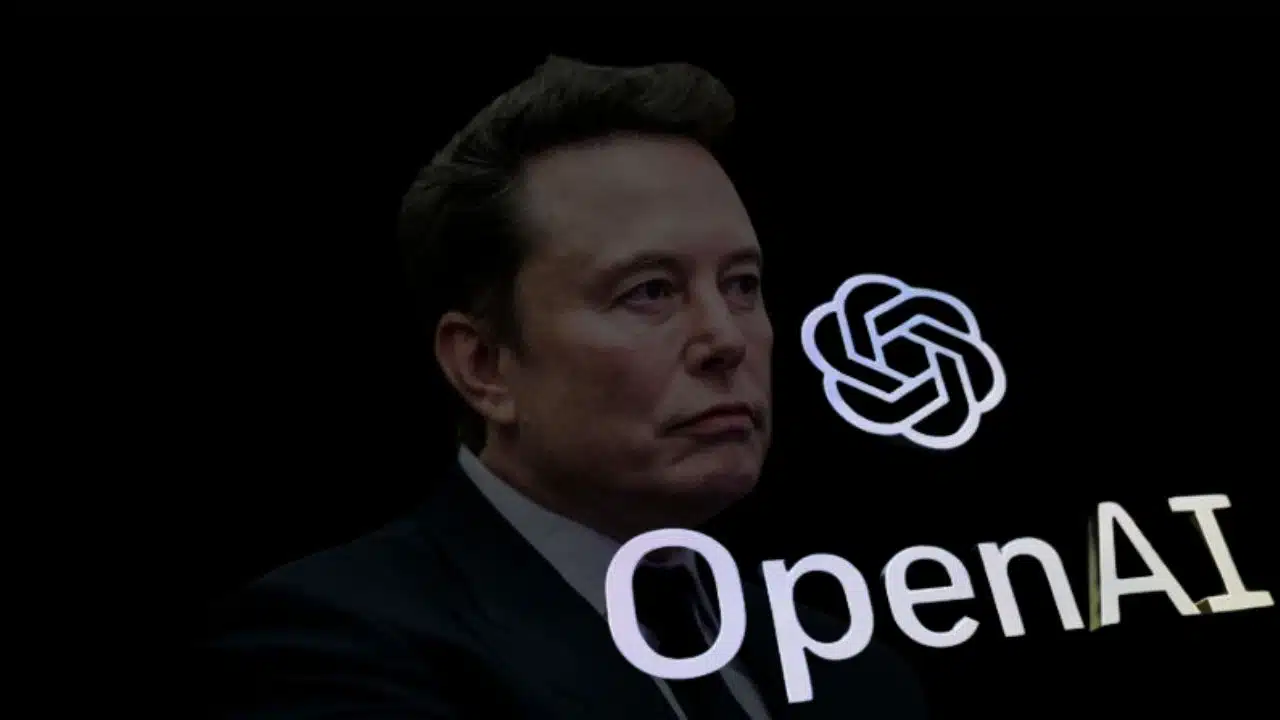
In a decisive move, OpenAI’s board has unanimously rejected Elon Musk’s $97.4 billion takeover bid. The decision was confirmed in a letter addressed to Musk’s attorney, with OpenAI Chairman Bret Taylor describing the offer as an “attempt to disrupt his competition.
” This rejection marks a strong stance by OpenAI against the world’s richest man, reaffirming its independence and commitment to its mission.
Why This Matters
The rejection of Musk’s bid was widely expected, particularly after OpenAI CEO Sam Altman previously stated that the company was not for sale. However, the firm’s firm rebuff of Musk’s offer sends a clear message about its strategic direction and priorities.
OpenAI, which has been at the forefront of artificial intelligence innovation, is currently restructuring its governance model, further distancing itself from Musk, who was once an early supporter and co-founder.
OpenAI’s Response to Musk’s Proposal
OpenAI’s board outlined its reasons for rejecting the bid in a letter addressed to Musk’s legal team. The letter clarified that Musk’s offer, which involved acquiring all assets of OpenAI Inc., was never a concrete bid but rather a proposal laden with conditions.
OpenAI further accused Musk of modifying the terms of his proposal through legal filings, which the company saw as an indication that the bid was not serious.
The letter stated:
“Earlier this week, you sent a letter on behalf of a consortium of corporate and financial entities offering to acquire all of the assets of OpenAI, Inc. (‘OAI’), and to do so imminently, subject to numerous conditions.
Two days ago, you filed a pleading in court adding new material conditions to the proposal. As a result of that filing, it is now apparent that your clients’ much-publicized ‘bid’ is in fact not a bid at all.
In any event, your clients’ proposal, even as first presented, is not in the best interests of OAI’s mission and is rejected. The decision of the OAI board on this matter is unanimous.”
The Context of Musk’s Bid
Elon Musk’s takeover bid targeted OpenAI’s for-profit business, which operates separately from its nonprofit governance structure. His offer came amidst his ongoing legal battle against OpenAI, in which he has accused the organization of straying from its original mission of open-source AI development.
Musk had also proposed dropping his takeover efforts if OpenAI remained a nonprofit entity. However, OpenAI’s leadership has continued its transition towards a business model that balances innovation with profitability, making Musk’s conditions untenable.
With the rejection of Musk’s bid, OpenAI has reaffirmed its strategic independence and commitment to its long-term vision. The decision underscores the growing divide between Musk and the company he once helped establish.
As OpenAI continues to advance its AI technologies, its leadership remains focused on maintaining control over its direction rather than yielding to external influences—even from one of the most powerful figures in the tech industry.
The Information is Collected from CNN and Axios.