
Starting a small organic farm in New Zealand is an exciting opportunity for those passionate about sustainability, healthy living, and entrepreneurship.
With its fertile land, favorable climate, and growing demand for organic produce, New Zealand is an ideal place to learn how to start an organic farm in New Zealand. This comprehensive guide will walk you through every step of the process, from understanding regulations to marketing your farm, ensuring you’re equipped to create a thriving organic farming business.
Why Choose Organic Farming in New Zealand?
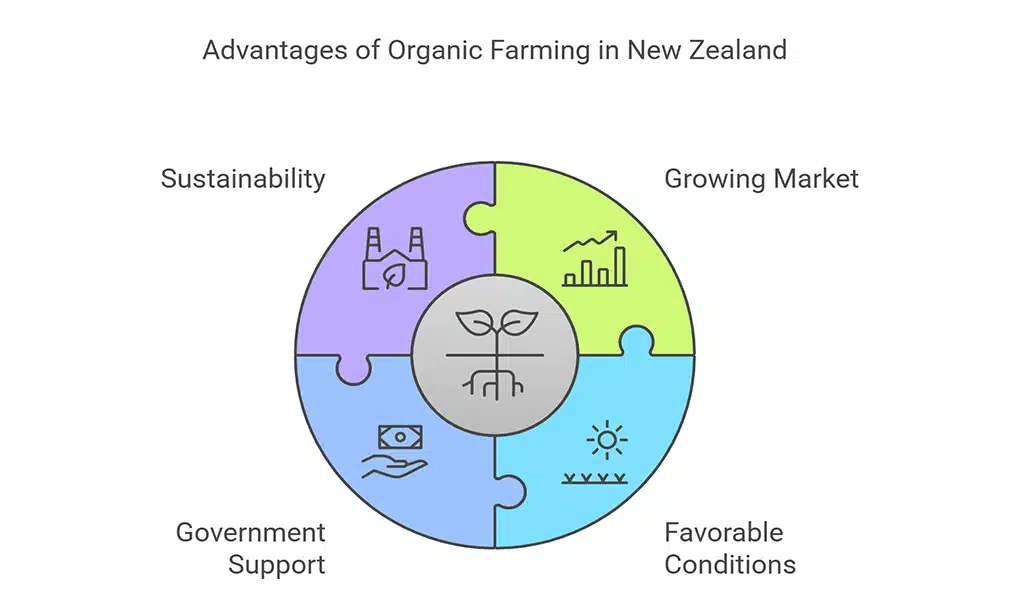
New Zealand’s unique geographical and climatic conditions make it a hotspot for organic farming. Here are some reasons why you should consider this path:
Benefits of Organic Farming in New Zealand
| Benefit | Details |
| Growing Market | Increasing consumer preference for organic products locally and globally. |
| Favorable Conditions | Excellent climate and soil quality suitable for various crops and livestock. |
| Government Support | Subsidies, grants, and training programs available for organic farmers. |
| Sustainability | Encourages eco-friendly practices that preserve the environment. |
New Zealand’s government and private organizations also actively support organic farming through certifications and education programs, ensuring you have the tools to succeed.
How to Start an Organic Farm in New Zealand
Embarking on your organic farming journey involves several critical steps:
Research and Planning
Thorough research and careful planning are essential foundations for your organic farm.
Key Considerations
| Consideration | Details |
| Understand Regulations | Familiarize yourself with New Zealand’s organic standards and certification processes to ensure compliance and market credibility. |
| Select Suitable Land | Choose land with appropriate soil quality, climate conditions, and access to water resources to support your intended organic crops or livestock. |
| Market Analysis | Conduct market research to identify demand for specific organic products in your region, helping to inform your production choices and marketing strategies. |
Developing a Business Plan
A well-structured business plan will guide your operations and financial planning.
Components of a Business Plan
| Component | Details |
| Mission Statement | Define your farm’s purpose, values, and goals to provide clear direction and motivation. |
| Financial Planning | Outline startup costs, projected income, and funding sources to ensure financial viability. |
| Marketing Strategy | Develop strategies for branding, pricing, and distribution to effectively reach your target market. |
Securing Land and Resources
Acquiring the right land and resources is crucial for your farm’s success.
Factors to Consider
| Factor | Details |
| Soil Health | Conduct soil tests to assess fertility and identify any necessary amendments to meet organic standards. |
| Water Access | Ensure reliable water sources for irrigation and livestock needs, considering sustainability practices. |
| Infrastructure | Plan for necessary infrastructure such as fencing, storage facilities, and access roads to support farm operations. |
Obtaining Organic Certification
Certification authenticates your products as organic, building consumer trust.
Certification Process
| Step | Details |
| Choose a Certifying Body | Select an accredited certifier, such as BioGro New Zealand, to guide you through the certification process. |
| Application and Inspection | Submit a detailed application and prepare for on-site inspections to verify compliance with organic standards. |
| Ongoing Compliance | Maintain meticulous records and adhere to organic practices to ensure continued certification status. |
Setting Up Your Farm
Establishing your farm involves practical steps to prepare for production.
Implementation Steps
| Step | Details |
| Land Preparation | Implement organic soil management techniques, such as composting and cover cropping, to enhance soil fertility. |
| Infrastructure Development | Construct necessary buildings, install irrigation systems, and set up fencing to create a functional farm layout. |
| Sourcing Inputs | Obtain organic seeds, seedlings, or livestock breeds that are well-suited to your region and farming goals. |
Organic Farming Techniques for Success
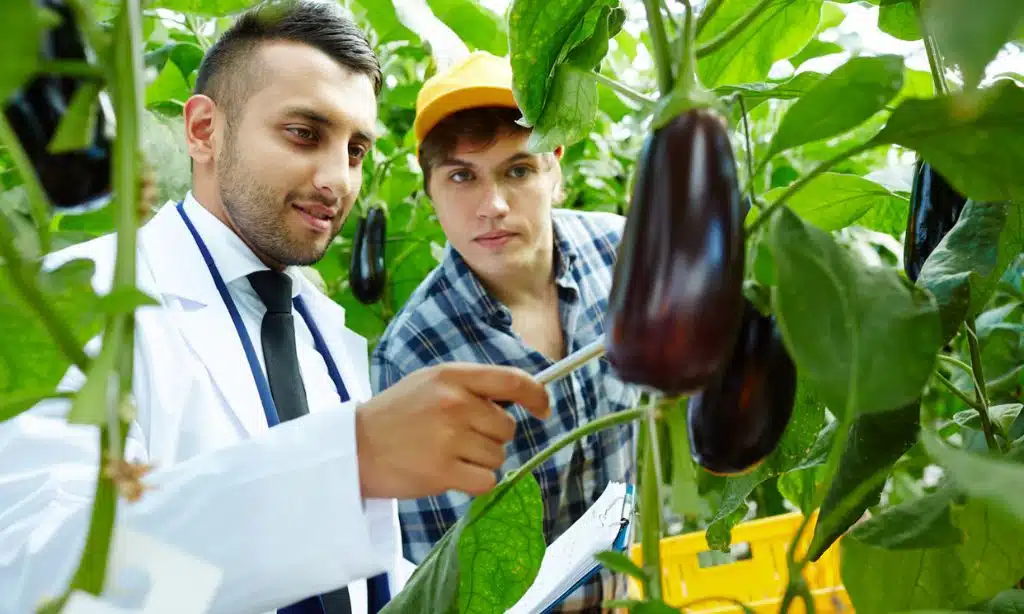
Implementing effective organic farming techniques is vital for productivity and sustainability.
Key Techniques
| Technique | Details |
| Crop Rotation | Rotate different crops in succession on the same land to improve soil health and reduce pest and disease cycles. |
| Composting | Recycle organic waste into compost to enrich soil nutrients and structure, promoting healthy plant growth. |
| Natural Pest Management | Use biological controls, such as beneficial insects, and cultural practices to manage pests without synthetic chemicals. |
| Water Conservation | Implement efficient irrigation methods, like drip systems, to minimize water usage and preserve resources. |
Marketing Your Organic Farm
Effective marketing connects your products with consumers who value organic quality.
Marketing Strategies
| Strategy | Details |
| Brand Development | Create a compelling brand that communicates your farm’s values, story, and commitment to organic principles. |
| Direct Sales Channels | Explore farmers’ markets, farm stands, and community-supported agriculture (CSA) programs to sell directly to consumers. |
| Online Presence | Develop a website and utilize social media platforms to reach a broader audience and engage with customers. |
Challenges and How to Overcome Them
Being aware of potential challenges and strategies to address them is crucial.
Common Challenges and Solutions
| Challenge | Solution |
| Pest and Disease Control | Implement integrated pest management (IPM) practices to manage pests sustainably. |
| Market Competition | Differentiate your products through quality, unique offerings, and strong customer relationships. |
| Climate Variability | Adopt resilient farming practices, such as diversifying crops and improving soil health, to mitigate climate impacts. |
Takeaways
Starting a small organic farm in New Zealand is a rewarding journey filled with opportunities. If you follow this guide and learn how to start an organic farm in New Zealand, you’ll be well-prepared for success. By embracing sustainable practices, understanding market dynamics, and using effective marketing strategies, you can build a thriving organic farm. The path requires dedication, but the benefits for your health, community, and the environment make it a worthwhile endeavor.