Sustainability is a critical topic in today’s world, but what are the 5 C’s of sustainability?
These essential pillars help individuals, organizations, and communities work toward a sustainable future by focusing on key areas that promote balance between environmental, social, and economic factors.
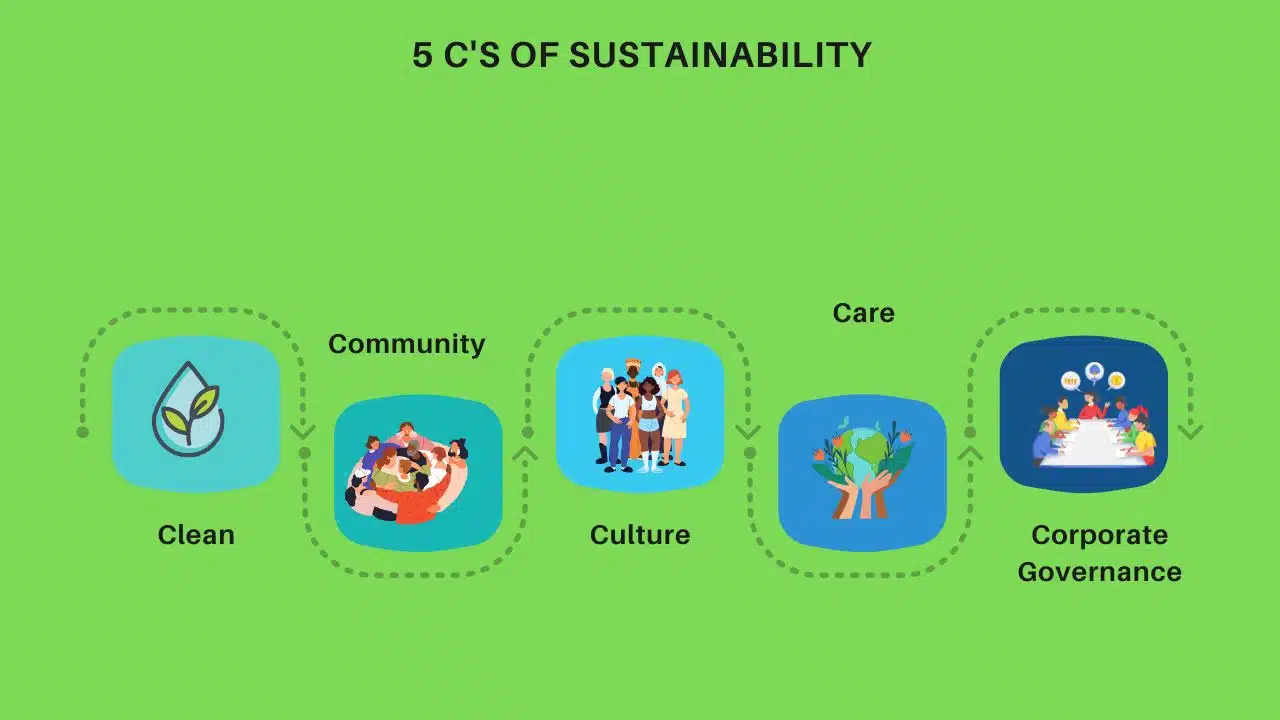
The 5 C’s of Sustainability are:
- Clean
- Community
- Culture
- Care
- Corporate Governance
These five pillars form the foundation of a holistic sustainability strategy that addresses environmental, social, and economic concerns. By understanding and implementing these principles, organizations can create lasting positive impacts while ensuring their own long-term viability.
Clean: The Foundation of Environmental Sustainability
The first “C” in the framework represents “Clean,” which focuses on nurturing and protecting our planet. This pillar emphasizes the importance of:
- Promoting clean energy sources
- Reducing waste and pollution
- Minimizing carbon footprints
Clean practices are essential for maintaining the health of our ecosystems and combating climate change. Many organizations are now shifting towards renewable energy sources such as wind, solar, and hydroelectric power to reduce their environmental impact. Additionally, implementing recycling programs, composting initiatives, and water conservation efforts can significantly contribute to a cleaner environment.
Community: The Power of Collective Action
The second “C” stands for “Community,” highlighting the importance of collective action in achieving sustainability goals1. This pillar emphasizes:
- Promoting shared values and inclusivity
- Fostering mutual support and collaboration
- Creating local solutions to global challenges
Sustainable communities are resilient and able to address complex issues through cooperation. Examples of community-driven sustainability initiatives include:
- Community gardens
- Co-housing projects
- Local sustainability programs
By working together, communities can create innovative solutions to environmental and social challenges while strengthening social bonds.
Culture: Embracing Diversity and Fostering Sustainable Mindsets
The third “C” represents “Culture,” which focuses on shifting collective mindsets towards sustainability. This pillar emphasizes:
- Embracing diversity and cultural heritage
- Promoting a culture of conservation
- Valuing long-term welfare over short-term gains
Cultural sustainability involves preserving traditional knowledge and practices that can offer sustainable solutions to modern challenges. It also involves fostering a culture that prioritizes environmental stewardship and social responsibility.
Care: The Heart of Sustainability
“Care,” the fourth “C,” is central to the concept of sustainability. This pillar encompasses:
- Care for the environment
- Care for people and communities
- Care for future generations
The principle of care encourages empathy, compassion, and responsible decision-making. It recognizes the interconnectedness of all living beings and ecosystems, promoting actions that benefit both current and future generations.
Corporate Governance: Driving Sustainability in Business
The fifth “C,” “Corporate Governance,” highlights the crucial role that businesses play in advancing sustainability. This pillar focuses on:
- Implementing sustainable business practices
- Ensuring transparency and accountability
- Adopting ethical decision-making processes
Corporate governance for sustainability involves integrating environmental and social considerations into business strategies and operations. This can include:
- Reducing energy consumption and waste in operations
- Implementing fair labor practices
- Adopting stakeholder-oriented approaches to decision-making
The Impact of the 5 C’s Framework
The 5 C’s of Sustainability framework has gained traction across various industries and sectors. According to a study by the United Nations Global Compact, companies that integrate sustainability principles into their core business strategies are more likely to achieve long-term success and resilience.
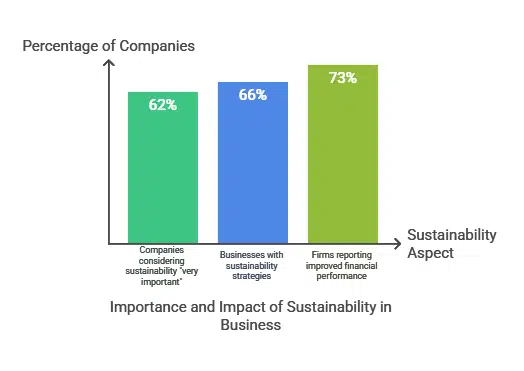
Here are some key statistics that highlight the importance of sustainability in business:
| Statistic | Percentage |
| Companies considering sustainability “very important” | 62% |
| Businesses with sustainability strategies | 66% |
| Firms reporting improved financial performance due to sustainability | 73% |
Source: UN Global Compact-Accenture CEO Study on Sustainability (2019)
Implementing the 5 C’s in Practice
To effectively implement the 5 C’s of Sustainability, organizations can follow these steps:
- Assess current practices and identify areas for improvement
- Set clear, measurable sustainability goals aligned with the 5 C’s
- Develop action plans for each pillar
- Engage stakeholders and foster a culture of sustainability
- Monitor progress and adjust strategies as needed
Challenges and Opportunities
While implementing the 5 C’s of Sustainability can present challenges, it also offers significant opportunities for innovation and growth. Some common challenges include:
- Balancing short-term financial goals with long-term sustainability objectives
- Overcoming resistance to change within organizations
- Measuring and quantifying the impact of sustainability initiatives
However, organizations that successfully integrate the 5 C’s can benefit from:
- Improved resource efficiency and cost savings
- Enhanced brand reputation and customer loyalty
- Increased innovation and competitive advantage
- Better risk management and resilience
The Future of Sustainability: Beyond the 5 C’s
As our understanding of sustainability evolves, some experts are proposing additional dimensions to the framework. For instance, some organizations are considering a sixth “C” for “Circularity,” which focuses on creating closed-loop systems that minimize waste and maximize resource efficiency.
Others are exploring the concept of “regenerative sustainability” which goes beyond simply reducing negative impacts to actively restoring and enhancing ecosystems and communities.
Takeaways
understanding what are the 5 C’s of sustainability can inspire action across various domains. By focusing on climate, community, circularity, conservation, and collaboration, we can collectively tackle some of the most pressing sustainability challenges of our time.
As we face increasingly complex global challenges, the 5 C’s offer a roadmap for navigating the path to sustainability. By integrating these principles into our decision-making processes and daily actions, we can create a world that thrives economically, socially, and environmentally for generations to come.