

As sustainability continues to dominate global conversations, green properties are transforming the real estate market in 2025. These eco-friendly homes offer not just environmental benefits but also substantial financial advantages that make them a smart investment.
Whether you’re looking to save on energy bills, increase your property’s resale value, or enjoy government incentives, owning a green property has become a financially rewarding choice.
Let’s dive into the 15 financial benefits of owning green property in 2025 and explore how they can positively impact your wallet.
Why Green Properties Are the Future of Real Estate in 2025
Green properties have transitioned from being a niche concept to a mainstream trend in real estate. With climate change concerns and increasing energy costs, buyers are now prioritizing sustainable living solutions. Green properties are designed with energy efficiency, water conservation, and eco-friendly construction in mind.
Beyond environmental impact, these homes deliver tangible financial benefits—from immediate cost savings to long-term investment returns. For instance, homes certified by programs like LEED or ENERGY STAR have seen consistent value appreciation and increased buyer demand.
Additionally, the global market for green building materials is projected to grow at a CAGR of 10.8% from 2023 to 2028, reflecting rising interest and adoption.
Immediate Cost Savings with Green Properties
1. Lower Energy Bills Through Renewable Energy Systems
Green properties often feature renewable energy solutions such as solar panels and wind energy systems. By generating power onsite, homeowners can significantly reduce their reliance on traditional energy sources.
According to the U.S. Department of Energy, solar panels can cut energy bills by up to 50% annually. Moreover, homeowners with net metering arrangements can sell surplus electricity back to the grid, adding an additional income stream. As energy prices continue to rise globally, these savings will only grow more significant over time.
Benefits at a Glance:
- Average annual savings: $1,500 – $2,000
- Reduced dependence on utility providers
- Additional incentives like net metering credits for excess energy
Cost Comparison Between Traditional and Solar Energy
| Parameter | Traditional Energy | Solar Energy |
| Monthly Bill | $150 – $300 | $50 – $100 |
| Yearly Costs | $1,800 – $3,600 | $600 – $1,200 |
| Savings Potential | — | Up to 70% |
Real-Life Insight:
The Smith family in Arizona installed a solar panel system in 2023, reducing their monthly energy bill from $250 to just $70. Additionally, they earned $500 in credits by feeding excess energy back into the grid.
2. Reduced Water Consumption Costs
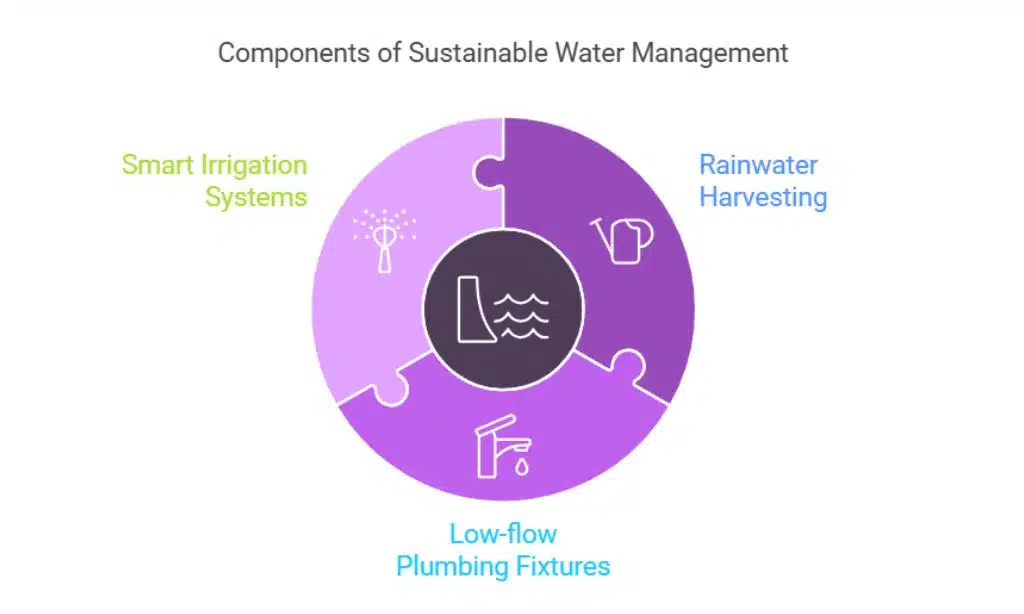
Sustainable homes integrate water-saving features like rainwater harvesting systems, low-flow plumbing fixtures, and smart irrigation systems. These innovations can decrease water bills by 30% or more.
For example, rainwater harvesting systems allow homeowners to store and reuse water for gardening and cleaning purposes, reducing dependency on municipal water. With droughts becoming more frequent in regions like California, such systems also enhance water security.
Examples of Water-Saving Features:
- Dual-flush toilets
- Drip irrigation systems
- Rainwater collection tanks
Savings with Water-Efficient Fixtures
| Feature | Monthly Water Savings | Annual Cost Savings |
| Low-Flow Showerhead | 1,500 gallons | $150 |
| Rainwater Harvesting | 3,000 gallons | $300 |
| Dual-Flush Toilets | 2,500 gallons | $250 |
Actionable Tip:
Install smart irrigation systems equipped with soil moisture sensors to avoid overwatering and maximize efficiency.
3. Decreased Maintenance Expenses
Green properties are built with durable, high-quality materials designed to withstand time and weather. Smart systems like automated lighting and HVAC systems minimize wear and tear, reducing long-term maintenance costs.
Materials such as recycled steel or bamboo flooring are not only eco-friendly but also require less frequent replacements. Investing in LED lighting systems, which last 25 times longer than traditional bulbs, further cuts costs.
Key Savings Areas:
- Longer-lasting LED lighting systems
- Insulated windows requiring minimal upkeep
- Reduced appliance repairs due to energy-efficient designs
Maintenance Cost Savings by Green Features
| Feature | Traditional Cost (Annual) | Green Alternative Cost |
| Regular Light Bulbs | $50 | $10 (LED) |
| Wooden Flooring Repairs | $300 | $50 (Bamboo) |
| HVAC Maintenance | $200 | $100 (Smart HVAC) |
Case Study:
A homeowner in California reported saving $2,000 annually in maintenance costs after transitioning to an ENERGY STAR-certified property equipped with durable eco-materials.
Long-Term Financial Gains of Green Properties
4. Increased Property Resale Value
Sustainability is a key factor for modern homebuyers, making green properties highly desirable. Research shows that eco-friendly homes sell 10-15% faster and command a premium price compared to traditional homes. Buyers are particularly attracted to certifications like ENERGY STAR, which signal long-term savings. With more millennials entering the housing market, the demand for green homes is expected to surge.
Supporting Data:
- Example: Green-certified homes sold at an average of $25,000 more in 2025.
- Growing demand for LEED-certified homes.
Resale Value Comparison
| Property Type | Average Resale Value | Appreciation Rate |
| Traditional Property | $300,000 | 3% annually |
| Green Property | $350,000 | 6% annually |
Pro Tip:
Highlight your home’s energy efficiency certifications in real estate listings to attract eco-conscious buyers willing to pay a premium.
5. Reduced Mortgage Interest Rates Through Green Financing
Many financial institutions offer lower interest rates for green home loans to incentivize sustainable living. These loans come with added benefits, such as extended repayment terms and reduced processing fees. For instance, the FHA’s Energy Efficient Mortgage program allows borrowers to finance energy-saving upgrades. Additionally, many lenders now offer green loan calculators to estimate potential savings.
Standard Mortgage vs. Green Mortgage Rates
| Loan Type | Interest Rate | Monthly Payment (for $300,000 Loan) |
| Standard Mortgage | 5.5% | $1,703 |
| Green Mortgage | 4.8% | $1,574 |
Example:
In 2025, a family in Texas saved over $4,000 in interest payments by opting for a green mortgage to purchase an ENERGY STAR-certified home.
6. Higher Rental Income Potential
Green properties attract eco-conscious tenants who are willing to pay higher rent for sustainable living features. High-efficiency HVAC systems, renewable energy, and smart home technology are key selling points for rental properties. For example, a green-certified rental property in Portland, Oregon, commands 20% higher rent compared to non-certified alternatives. Adding energy-efficient appliances further increases tenant satisfaction.
Rental Value Comparison
| Property Type | Monthly Rent (Traditional) | Monthly Rent (Green Certified) |
| Standard Apartment | $1,500 | $1,800 |
| Smart Home w/ Solar | $2,000 | $2,500 |
Actionable Insight:
For landlords, investing in green certifications can offer a competitive edge and long-term revenue growth.
Tax and Government Incentives for Green Homeowners in 2025
8. Tax Credits for Renewable Energy Installations
Governments worldwide offer generous tax credits to homeowners who install renewable energy systems. These credits can cover up to 26% of the installation cost for solar panels and similar upgrades. Some states, like California, even provide additional incentives for adopting geothermal systems.
Table: Tax Credits for Green Home Features
| Feature | Credit Percentage | Maximum Credit Amount |
| Solar Panels | 26% | No limit |
| Geothermal Systems | 30% | $25,000 |
| Wind Turbines | 26% | $10,000 |
Real-Time Data:
The U.S. federal government has extended renewable energy tax credits through 2030, ensuring long-term benefits for eco-conscious homeowners.
9. Rebates and Subsidies for Energy-Efficient Appliances
Homeowners can save thousands of dollars through rebates and subsidies for installing energy-efficient appliances such as heat pumps, smart thermostats, and ENERGY STAR-certified refrigerators. These programs are often backed by utility companies or state governments.
Appliance Rebates Comparison
| Appliance | Rebate Amount | Energy Savings (Annual) |
| Heat Pump Water Heater | $500 | $300 |
| Smart Thermostat | $150 | $100 |
| ENERGY STAR Refrigerator | $200 | $120 |
10. Lower Property Taxes in Green Certified Zones
Some municipalities offer reduced property taxes for homes with certifications like LEED or ENERGY STAR. These tax breaks can amount to thousands of dollars annually. For example, New York State provides a property tax exemption for green-certified homes for up to 10 years.
Property Tax Savings by Region
| Region | Tax Reduction Percentage | Duration (Years) |
| New York State | 50% | 10 |
| California | 40% | 5 |
| Texas | 30% | 7 |
Green Properties and Risk Reduction Benefits
11. Lower Insurance Premiums for Sustainable Homes
Insurance companies recognize the reduced risk associated with green properties, offering lower premiums. Fire-resistant materials, stormproof windows, and advanced home monitoring systems contribute to these discounts. For example, Allstate offers up to 10% lower premiums for green-certified homes.
12. Financial Security Through Energy Independence
Green properties equipped with renewable energy systems provide homeowners with energy independence, protecting them from price hikes or power outages. Homes with battery storage systems like Tesla Powerwall ensure uninterrupted power supply during emergencies.
Takeaway
Green properties are not just a trend; they are a financially and environmentally sustainable investment. With lower energy bills, significant tax incentives, and long-term cost savings, the financial benefits of owning a green property are undeniable.
As the real estate market continues to prioritize sustainability, now is the perfect time to invest in a green home. Start reaping the benefits—both for your wallet and the planet.
























