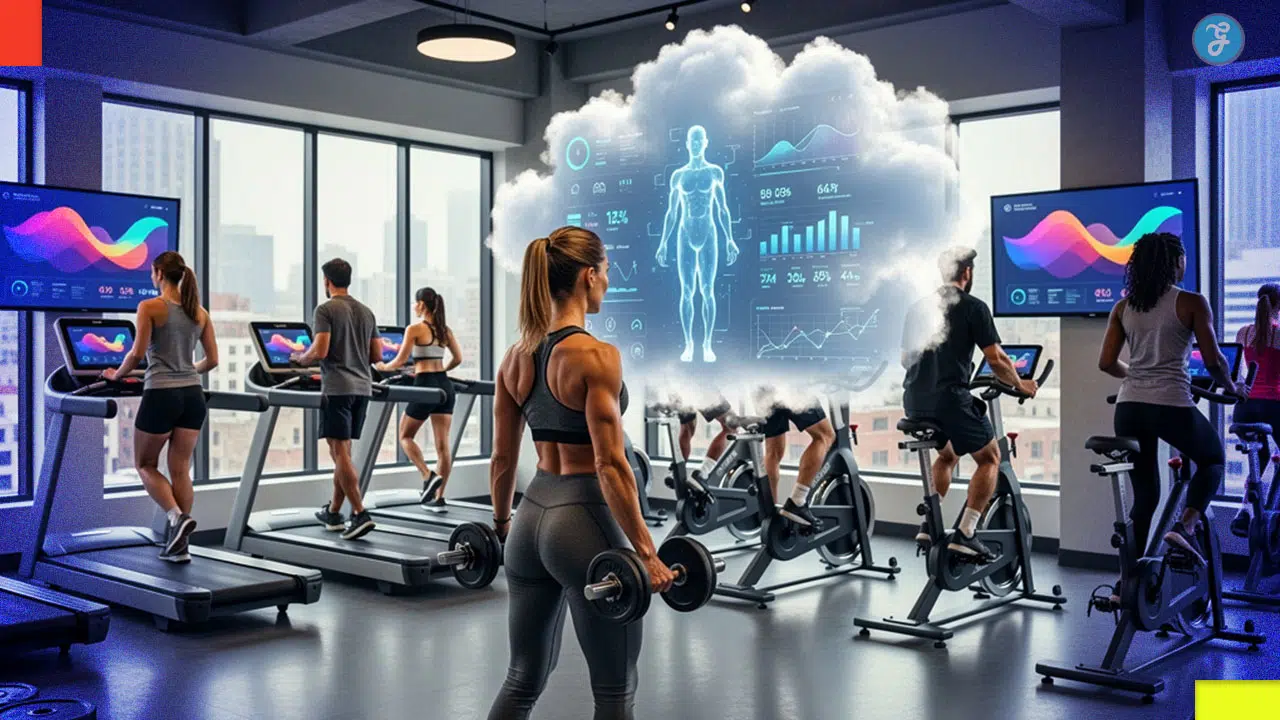
The boutique fitness industry has hit a high tech tipping point in 2026. Gone are the days when boutique fitness software was just a digital calendar for booking bikes or yoga mats. Today, the platform is the pulse of the studio. We have entered the era of the AI coach in the cloud, where software does not just manage your business, it actively grows it.
The Post SaaS Era of Boutique Fitness
In the past, studio owners spent hours in spreadsheets trying to guess why members were leaving. Now, cloud platforms act as silent partners. They track every heartbeat, every missed class, and every milestone. This shift is not just about convenience. It is about a fundamental change in how a studio delivers value. In 2026, the software is as much a part of the workout as the instructor on the floor. It provides the real time data and personal touch that modern clients expect.
The US market has shown incredible grit. While traditional big box gyms often struggle with retention, boutique studios are thriving. The secret lies in specialized tech. These tools allow lean teams to function like massive corporations. By automating the boring admin work, owners can get back to what they love: coaching.
The Rise of the Smart Studio Peer
The modern boutique space is now a smart studio. Think of it as a living ecosystem. When a member walks in, the software already knows their favorite spot and their recent fitness progress. If a regular skips three sessions, an AI agent sends a personalized note to check in. This is not robotic or cold. It is deeply human. It ensures that no one falls through the cracks.
Business analysts are seeing a massive return on investment for those who embrace these cloud tools. As we move through 2026, the global boutique fitness market continues its trajectory toward a nearly 10% compound annual growth rate (CAGR). Most of this expansion is fueled by smart studios that utilize data to drive operational decisions and predictive member retention. They use predictive analytics to fill classes and dynamic pricing to boost revenue during peak hours.
Why Specialized Software Rules 2026
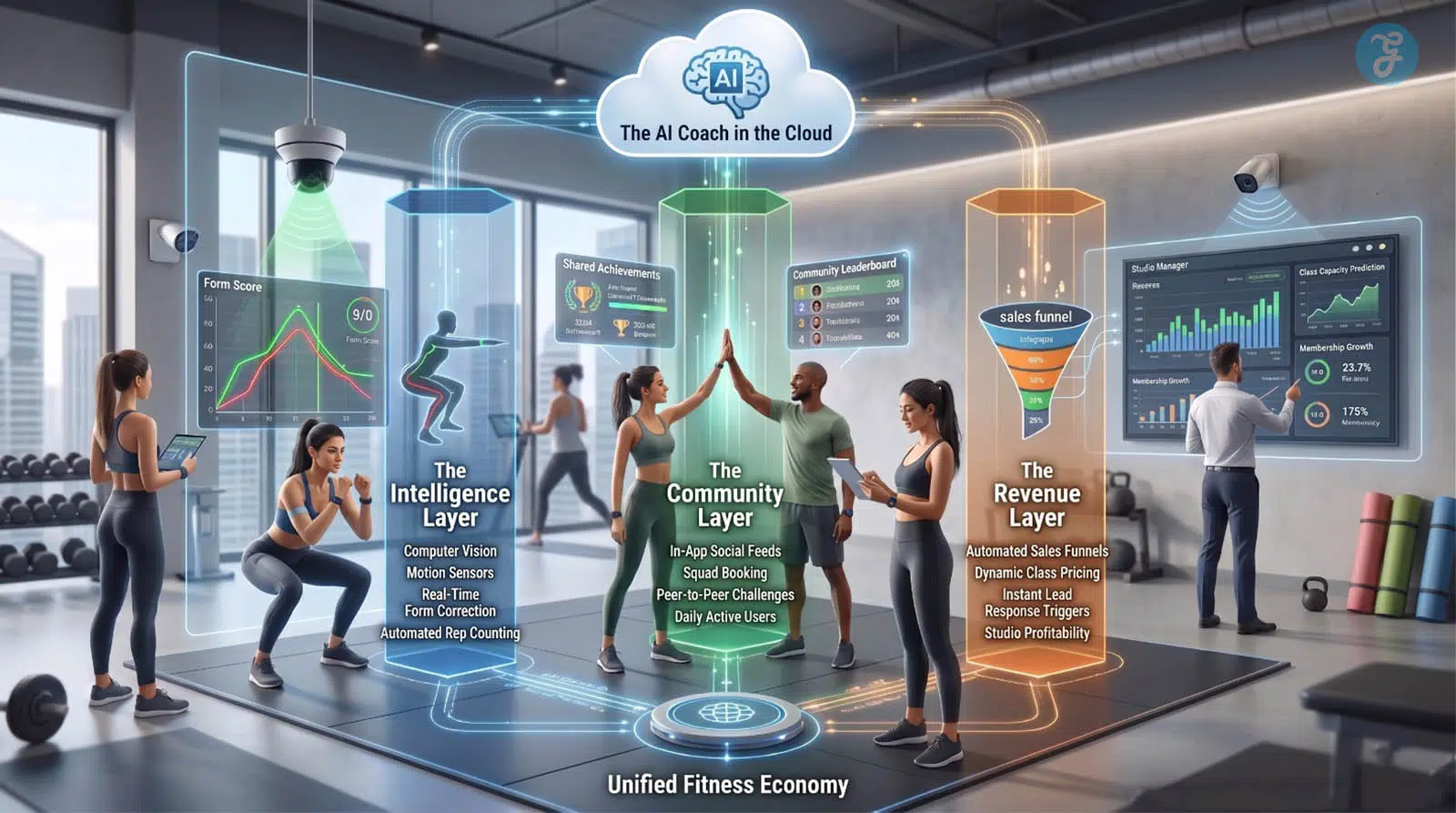
In 2026, the market has pivoted toward hyper-specialization. The best platforms today are built with niche nuances in mind, focusing on three functional pillars:
- The Intelligence Layer: This feature set utilizes computer vision and motion sensors to provide real time form correction and automated rep counting.
- The Community Layer: these tools focus on in-app social feeds, squad booking, and peer-to-peer challenges to increase daily active users.
- The Revenue Layer: This module prioritizes automated sales funnels, dynamic class pricing, and instant lead response triggers to maximize studio profitability.
Where Passion Meets Platform: A Fitness Enthusiast’s View
The sudden surge in boutique fitness software adoption in 2026 is not merely a trend; it is a response to a perfect storm of economic pressures. Papia, a Dallas-based math teacher who is an avid fitness enthusiast and closely observes the US wellness sector, notes that these platforms have transitioned from simple back-office tools to the frontline of business survival.

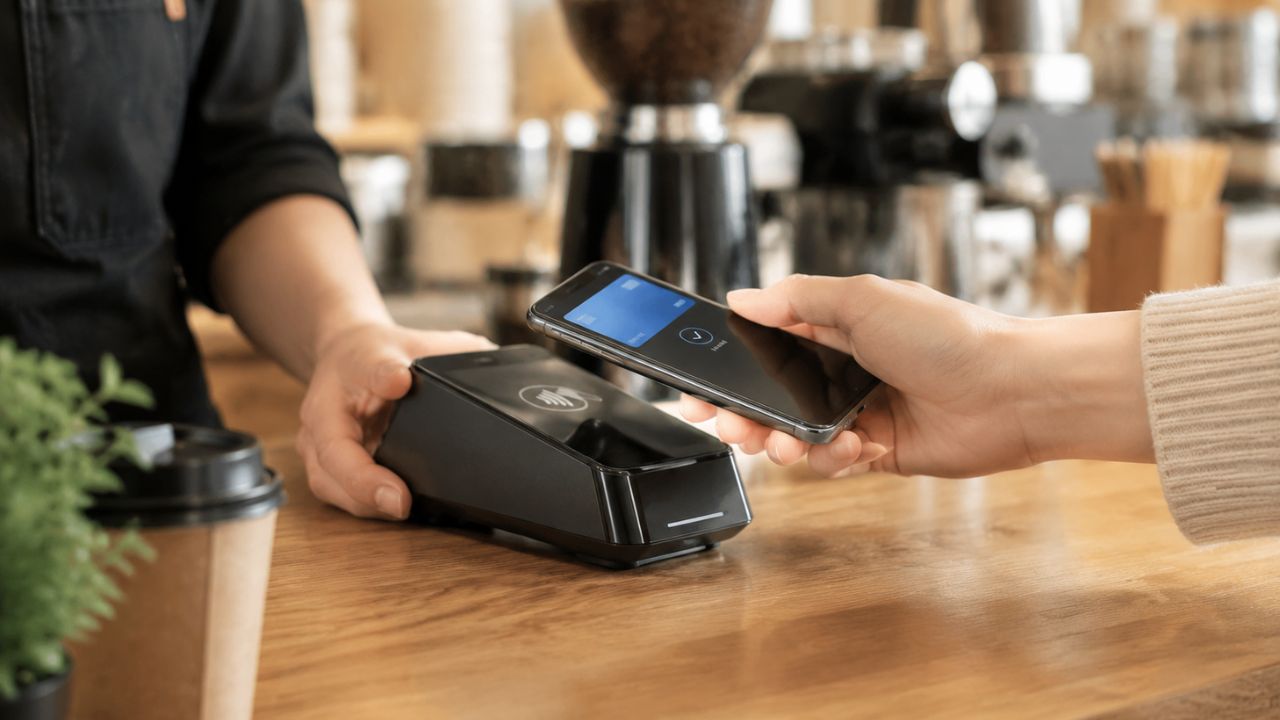
When she recently joined a local boutique studio, she found the onboarding process to be nearly invisible. Before a new member even finishes their first water break, the cloud infrastructure verifies the waiver and automates the initial monthly payment. This ensures that the focus remains entirely on the workout, not on administrative friction at the front desk. Ultimately, this seamless experience is powered by modern software acting as a silent partner to the studio owner.
Why Boutique Tech is Exploding Right Now
The digital landscape for fitness studios has undergone a radical transformation driven by necessity. Modern boutique platforms are no longer optional add ons but essential engines that power growth and retention. Owners are rapidly pivoting toward integrated systems to navigate a complex economic environment where every second of staff time and every marketing dollar must deliver maximum value.
The Labor Crisis and the Efficiency Gap
First, the US fitness market is grappling with a persistent labor shortage. Finding qualified instructors and front-desk staff is more expensive and difficult than it was three years ago. In this environment, software has evolved from a convenience to a survival tool. By automating 60% to 70% of routine tasks, such as billing inquiries, lead follow-ups, and class waitlist management, studios are maintaining premium service levels with lean, highly efficient teams. AI is now the “silent employee” that never takes a sick day and manages the administrative heavy lifting.
The Rising Cost of Customer Acquisition (CAC)
Second, the cost of acquiring a new member has skyrocketed. With the digital ad market saturated, boutique owners can no longer afford to let a single lead slip through the cracks.
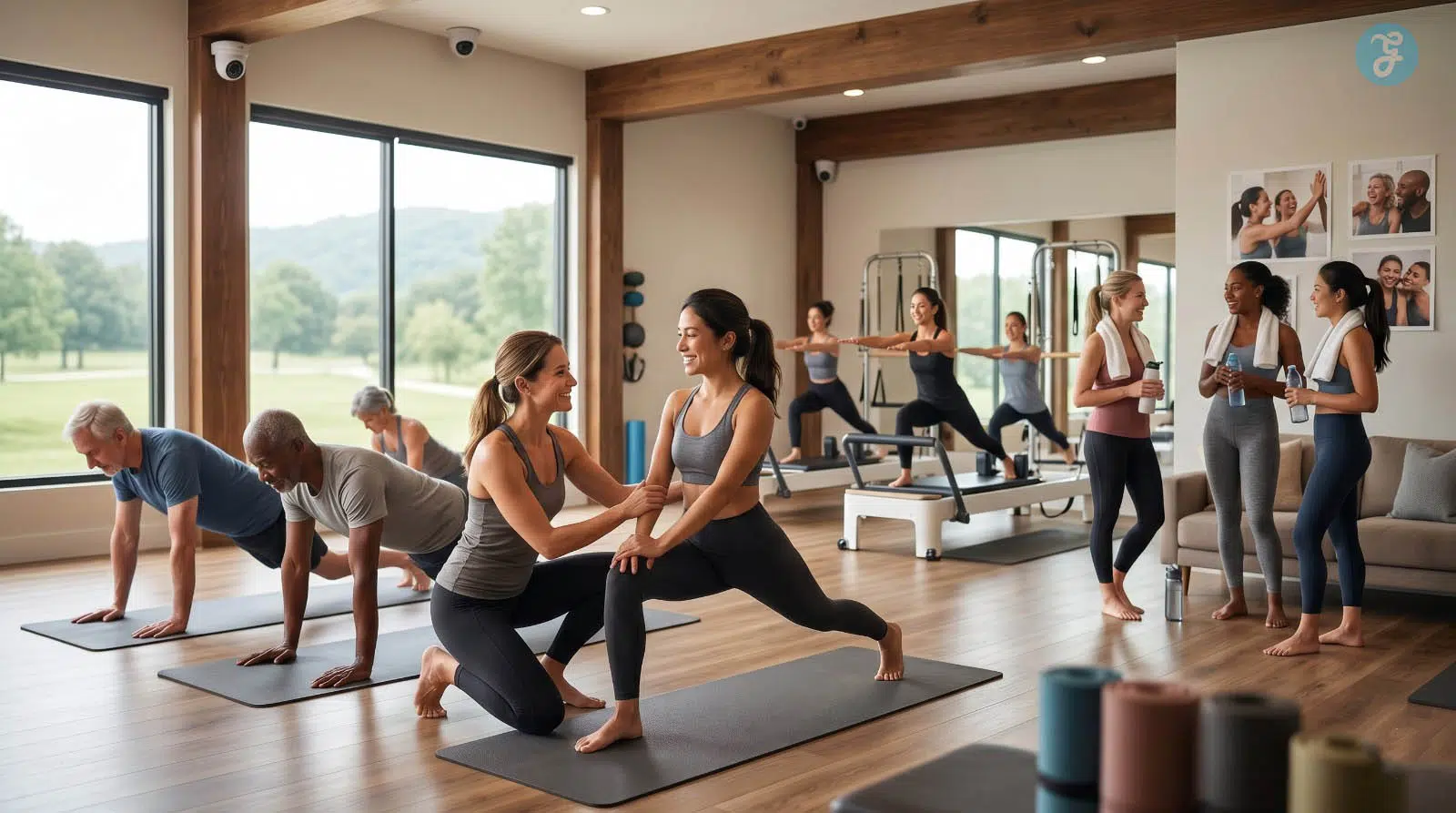
Modern platforms have integrated advanced CRM layers that use machine learning to nurture leads with pinpoint accuracy. If a potential client visits a website or interacts with a social post, the software triggers a personalized, human-sounding outreach within seconds. This focus on “speed to lead” is the difference between a thriving studio and one struggling to keep its lights on.
Data-Driven Retention as a Financial Shield
Finally, the shift in consumer behavior toward “social accountability” and measurable progress means members expect more than just a place to sweat. They want their studio to know them. AI-driven platforms provide this at scale. By analyzing micro-behaviors, like a drop in class frequency or a change in booking patterns, the software acts as an early warning system for churn. In 2026, keeping an existing member is five times cheaper than finding a new one. Consequently, boutique fitness software that predicts and prevents cancellations has become a mandatory financial shield for every serious studio owner.
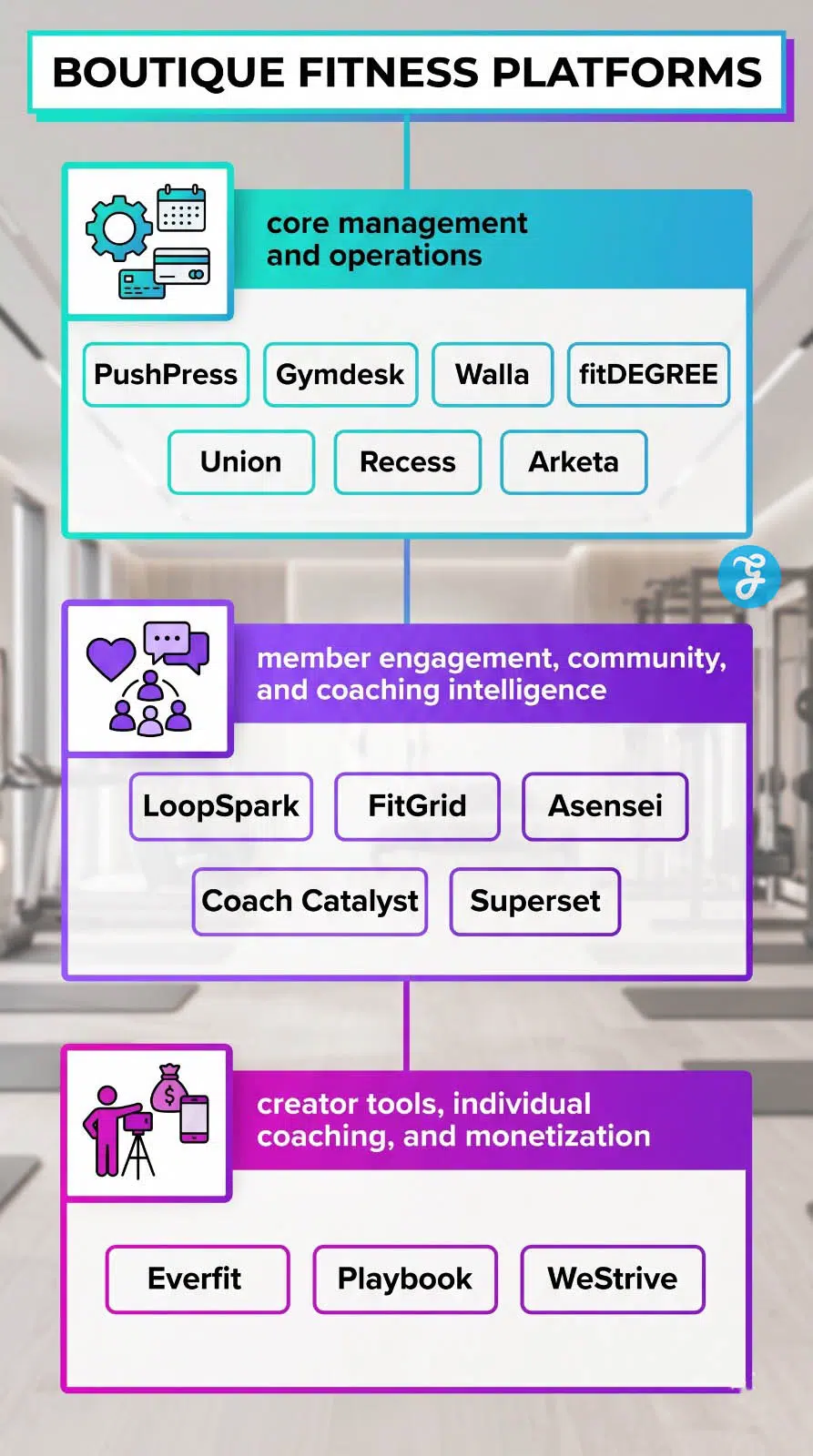
15 Platforms Shaping the Modern Boutique Fitness Stack
The verified innovators listed below represent the absolute gold standard in 2026. These companies have transitioned from simple booking tools to intelligent business partners. Each has been vetted for its legitimacy, growth trajectory, and specific impact on the US boutique fitness market.
1. PushPress
Best for: Boutique studios prioritizing rapid growth through hands-off business automation.
The Problem: Studio owners often drown in “admin debt,” where managing memberships and failed payments takes more time than actual coaching.
The Solution: PushPress uses a product-led growth model that automates the entire lead-to-member pipeline. It handles everything from initial sign-up to automated check-ins without owner intervention.
The 2026 Edge: Their “Smart Billing” AI predicts which members are likely to have payment failures based on past bank behavior and proactively suggests adjustments to billing cycles.
Features:
- Automated lead nurturing
- Self service member portal
- Real time revenue analytics
Pros: Extremely intuitive interface and one of the fastest setup times in the industry.
Limitations: The modular pricing can become expensive as you add more advanced features.
2. Gymdesk
Best for: Martial arts dojos and skill-based boutique clubs focusing on student progression.
The Problem: Tracking rank, belt promotions, and attendance in skill-based fitness is notoriously manual and prone to error.
The Solution: Gymdesk provides a specialized management suite that automates the promotion cycle. It tracks every class attended and notifies instructors when a student is ready for their next level.
The 2026 Edge: Automated “Milestone Reminders” keep students engaged during the difficult middle stages of their training where churn is usually highest.
Features:
- Digital belt and rank tracking
- Automated billing and POS
- Parent portal for youth programs
Pros: Deeply specialized for martial arts with built in tools that general gym software lacks.
Limitations: Not ideal for general HIIT or yoga studios that do not use a ranking system.
3. Walla
Best for: Premium boutique studios that want to leverage psychology to keep members longer.
The Problem: Most platforms treat members as numbers, ignoring the behavioral cues that signal a member is about to quit.
The Solution: Walla uses a behavioral psychology engine to analyze booking patterns. It identifies “at risk” behaviors before the member even realizes they are losing interest.
The 2026 Edge: Their “Personality Match” algorithm helps owners pair new members with the instructors they are most likely to bond with based on past class data.
Features:
- Predictive churn analytics
- Modern, mobile-first booking
- Dynamic class capacity tools
Pros: Visually stunning interface that enhances the premium feel of a high-end brand.
Limitations: Higher price point than basic management tools, making it a stretch for very small startups.
4. LoopSpark
Best for: Studios that want a powerful communication layer to sit on top of their existing booking software.
The Problem: Booking platforms are great at scheduling but often terrible at personalized, timely marketing and follow ups.
The Solution: LoopSpark acts as a CRM “brain.” It uses complex triggers to send the right message at the right time via SMS or email based on member actions.
The 2026 Edge: In 2026, LoopSpark has perfected “Two-Way Automation,” allowing AI agents to handle basic member questions in real time via text.
Features:
- Advanced member segmentation
- Automated “win back” campaigns
- Staff task management dashboard
Pros: Integrates seamlessly with almost every major fitness platform on the market.
Limitations: Requires an existing booking platform to function; it is not a standalone management tool.
5. FitGrid
Best for: Community focused studios where the relationship between instructor and student is the main product.
The Problem: Once a studio grows, it is impossible for instructors to maintain a personal connection with every member.
The Solution: FitGrid empowers instructors with an app that tells them exactly who is in their class, their history, and what to follow up on afterward.
The 2026 Edge: Their AI generated “Personalized Outreach” scripts help instructors send 50 personal notes in minutes, maintaining a “small studio” feel at scale.
Features:
- Instructor-to-client communication portal
- Automated class feedback loops
- Peer-to-peer referral tracking
Pros: Drastically increases member retention by making every client feel seen and valued.
Limitations: Success depends heavily on instructor buy-in and consistent use of the app.
6. Asensei
Best for: Studios offering hybrid or remote training that requires high level technical coaching.
The Problem: Remote fitness usually lacks the safety and “form correction” of an in-person session.
The Solution: Asensei provides a B2B SDK that uses computer vision to track a user’s movement through their smartphone camera, providing instant audio feedback.
The 2026 Edge: Their “Kinetic Capture” tech now recognizes over 500 different exercises with 98% accuracy, effectively putting a master coach in the user’s pocket.
Features:
- Real time form correction
- Automated rep counting
- Movement quality scoring
Pros: Provides a massive competitive advantage for studios looking to sell premium digital memberships.
Limitations: Requires a high degree of technical integration for studios to build it into their own apps.
7. fitDEGREE
Best for: Small to mid-sized studios that rely on social proof and word of mouth.
The Problem: Most gym apps are lonely; members book a class and leave without interacting with the community.
The Solution: fitDEGREE is built as a social network. Members can follow friends, see their schedules, and invite “squads” to join them for a workout.
The 2026 Edge: Their “Social Invite” feature allows members to guest pass their friends directly through the app, turning the current roster into a sales team.
Features:
- In-app social feed
- Referral and reward tracking
- Simple, clean admin dashboard
Pros: Excellent for building a cult-like community and driving organic growth.
Limitations: The management features are less robust than enterprise level platforms like Zenoti.
8. Arketa
Best for: Fitness creators and studios building a “hybrid” empire of in-person and digital content.
The Problem: Managing a physical schedule, a video library, and a retreat business usually requires three different expensive platforms.
The Solution: Arketa consolidates the “Creator Economy” into one dashboard. It handles in-person bookings, on demand video hosting, and digital course sales.
The 2026 Edge: Optimized for “Micro Communities,” it allows studios to launch private “challenges” that combine live classes with digital habit tracking.
Features:
- Integrated video on demand (VOD)
- Retreat and event management
- Tiered membership billing
Pros: The most versatile platform for studios that want to monetize their brand globally.
Limitations: Can feel overwhelming for a studio that only wants to do basic in-person bookings.
9. Union
Best for: Independent studios that prioritize brand ownership and high quality digital streaming.
The Problem: Using third-party platforms like Zoom or YouTube for classes feels cheap and results in lost data and brand dilution.
The Solution: Union provides a high fidelity, white-label streaming platform that is built directly into the studio’s booking site.
The 2026 Edge: Their 2026 “Digital Sovereignty” suite ensures that the studio owns every byte of member data, protecting them from platform fee hikes.
Features:
- Built in 4K live streaming
- Secure video vault for VOD
- Integrated ticketing for workshops
Pros: Superior video quality and a professional, unified brand experience.
Limitations: Requires a decent internet upload speed and basic camera equipment to utilize fully.
10. Superset
Best for: Independent coaches and “solopreneurs” operating within larger boutique hubs.
The Problem: Administrative bloat eats up 40% of an independent coach’s time, limiting their earning potential.
The Solution: Superset strips away the complexity, focusing on an ultra fast workout builder and a streamlined payment system.
The 2026 Edge: Their “Auto Programmer” uses AI to help coaches generate month-long training blocks based on a client’s specific goals in seconds.
Features:
- Rapid workout builder
- Automated recurring payments
- Simple client check in portal
Pros: The cleanest and fastest user interface for individual coaching businesses.
Limitations: Lacks the advanced facility management tools needed for large multi room studios.
11. Everfit
Best for: High-touch coaching studios that want to track lifestyle habits beyond the gym floor.
The Problem: What happens during the other 23 hours of a member’s day is often the reason they fail to see results.
The Solution: Everfit focuses on habit coaching. It allows studios to assign daily tasks like “drink 3 liters of water” or “sleep 8 hours” alongside their workouts.
The 2026 Edge: Their AI “Macro Coach” automatically adjusts nutrition goals based on the intensity of the classes a member attended that day.
Features:
- Habit and nutrition tracking
- Extensive exercise video library
- Team challenges and leaderboards
Pros: Provides a 360 degree view of member health, justifying higher membership prices.
Limitations: The sheer amount of data can be overwhelming for casual gym members.
12. Playbook
Best for: Elite instructors looking to scale their personal brand into a full subscription app.
The Problem: Building a custom fitness app from scratch costs tens of thousands of dollars and months of work.
The Solution: Playbook provides the “engine.” Instructors upload their content, and Playbook provides a premium, branded app experience for their subscribers.
The 2026 Edge: In 2026, Playbook provides instructors with “Creator Analytics” that show exactly which movements and videos drive the most engagement.
Features:
- Branded mobile app delivery
- Global payment processing
- High production value content hosting
Pros: The fastest way for an instructor to go from “local star” to “global digital brand.”
Limitations: Primarily a digital platform; it is not designed to manage physical studio check-ins.
13. Coach Catalyst
Best for: Result-oriented studios where client accountability is the core value proposition.
The Problem: Clients often lie about their progress or disappear when things get hard, leading to poor results and high churn.
The Solution: This platform is built for accountability. It uses “micro check-ins” and automated “compliance scores” to show who is following the plan and who is not.
The 2026 Edge: Their 2026 “Accountability AI” detects “tone shifts” in member messages to alert coaches if a client is feeling discouraged.
Features:
- Client compliance dashboards
- Automated video messaging
- Pre-built accountability “journeys”
Pros: Dramatically improves client results by forcing consistent engagement.
Limitations: The interface is more functional than “beautiful,” focusing on data over aesthetics.
14. WeStrive
Best for: Personal trainers and small boutique teams who need a combined business and client management tool.
The Problem: Most software is either good for the business owner or good for the client, but rarely both.
The Solution: WeStrive balances a robust back-end for billing and lead management with an elegant client app for tracking workouts and macros.
The 2026 Edge: Their “Internal Marketplace” allows trainers within a studio to sell their specialized programs to the general membership directly through the app.
Features:
- Integrated billing and CRM
- Macro and body stat tracking
- In-app program marketplace
Pros: Very affordable and covers almost every need for an individual trainer or small team.
Limitations: Not built for high volume group fitness class management.
15. Recess
Best for: New startups and independent studios looking to eliminate fixed monthly software costs.
The Problem: High monthly SaaS fees can kill a small studio’s margins before they even get off the ground.
The Solution: Recess offers a “Free Forever” management model. They provide all the essential tools for free and earn money through small transaction fees on payments.
The 2026 Edge: In 2026, Recess has expanded into a full marketing engine, featuring studios in their “Discovery Marketplace” to help them find new clients for free.
Features:
- Zero monthly subscription fee
- Full CRM and scheduling
- Free marketing marketplace listing
Pros: Zero financial risk to start; you only pay when you make money.
Limitations: Lacks some of the ultra advanced AI features found in high-end paid platforms like Walla or Gymdesk.
What These Startups Tell Us: The 2026 Strategic Analysis
The current explosion in the US fitness tech sector provides a clear roadmap for where the industry is headed. For founders, investors, and SMB buyers, these four shifts represent the new rules of the game.
Data as the New Currency
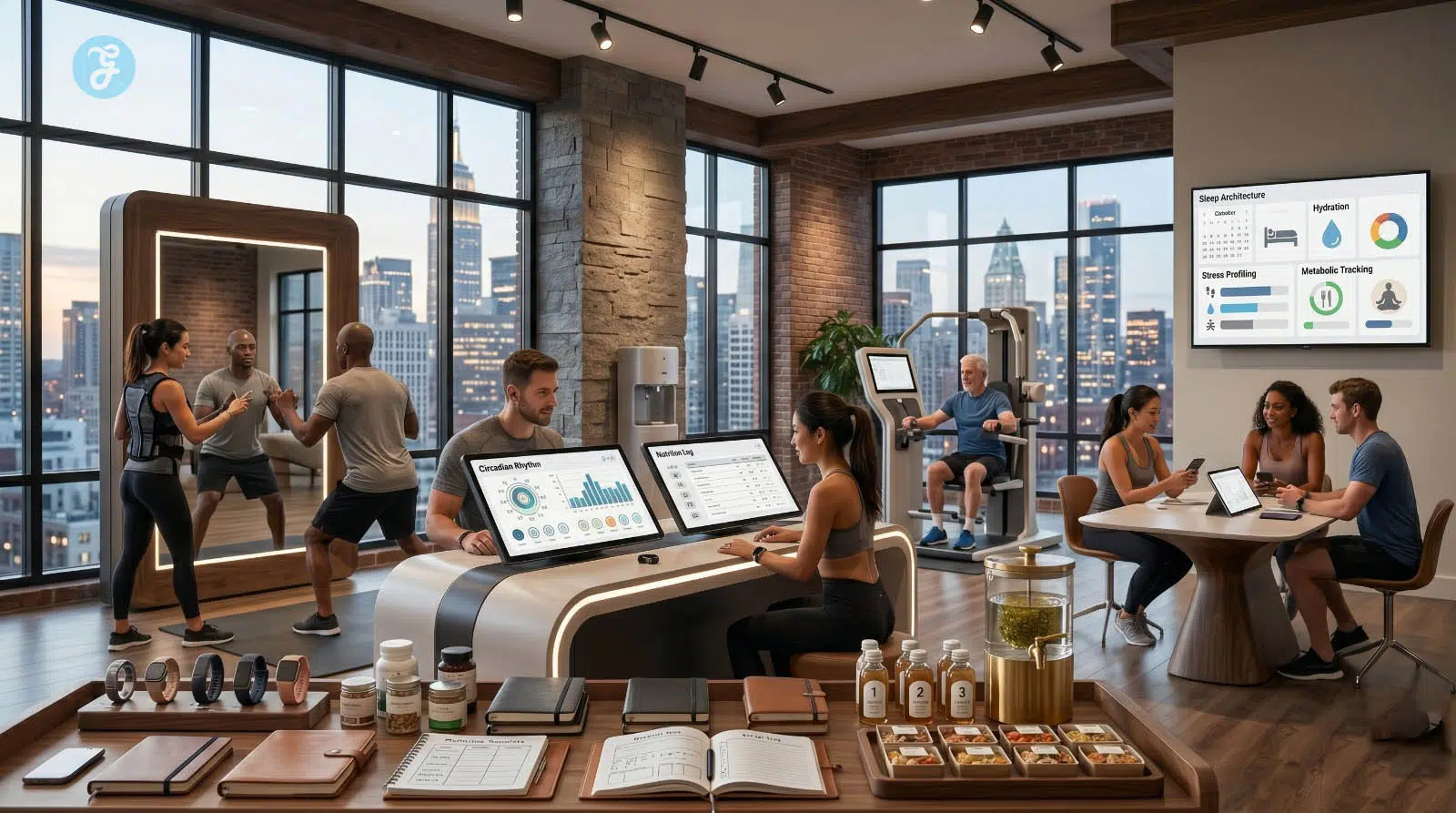
Studios are no longer just selling sweat; they are selling insights. By integrating wearable data and biometric tracking, boutique fitness software has turned health metrics into a monetization tool. High-end studios now offer “Data-Driven Memberships” where the software analyzes a member’s recovery and performance to upsell personalized recovery sessions or specialized supplements. Data is the asset that makes the boutique experience irreplaceable.
The Death of the Generalist
The era of the jack of all trades software is ending. We are seeing a massive shift toward best of breed specialized tools. Owners are moving away from clunky all-in-one systems that do everything poorly. Instead, they are building custom tech stacks to drive fitness SaaS churn reduction, using PushPress for billing, FitGrid for community, and Asensei for integrated studio management. Precision and deep specialization are winning over broad, shallow functionality.
The Hybrid Habit
The physical-versus-digital debate is over. Hybrid is the permanent reality. The startups that are thriving are those that bridge the gap between the studio floor and the home living room. Members expect a unified experience where their in-person progress is reflected in their digital app. Digital tools are no longer a “backup” for when the studio is closed; they are a constant companion that maintains the brand’s presence in the member’s life 24/7.
Automation of Empathy
Paradoxically, more software is making studios feel more human. By automating the mechanical tasks like billing and scheduling, staff have more time for face-to-face interaction. AI-driven reminders prompt instructors to celebrate a member’s specific milestone or check in on a missed class. This “automated empathy” ensures that no member feels like a number, allowing a studio with thousands of clients to maintain the intimacy of a small neighborhood gym.
The jump from old school booking tools to an AI powered ecosystem can feel daunting. It is a business move that requires a cold, hard look at your current operations. Studio owners in 2026 are no longer just fitness experts. They are data managers. Success now depends on how well your digital tools talk to each other and how they serve your human community.
Choosing Your Stack: A Guide for Studio Owners
Start by auditing your current workflow. Map out every touchpoint from the moment a lead clicks an ad to the second they walk out of their fiftieth class. Where do you lose people? If your dropout rate is high after the first month, you need a retention specialist like Walla. If your admin team is drowning in billing emails, a platform like PushPress is the answer. Do not buy features you will not use. Look for the friction points in your day and find the software built to grease those specific wheels.
The All-in-One vs Best of Breed Debate
The biggest question is whether to buy one giant platform or a mix of smaller, specialized tools. An all-in-one solution like Gymdesk is perfect for a martial arts studio that needs everything in a single box. It is simple and clean. However, larger studios often prefer a best of breed approach. This might mean using PushPress for the heavy lifting of billing while integrating FitGrid to handle deep community engagement. This mix allows you to use the absolute best tool for every specific task. It takes more setup, but the results in member loyalty are often much higher.
Transitioning to AI Driven Cloud Platforms
Moving your data from a legacy system to a modern cloud platform is like heart surgery for your business. Do it carefully. Start by cleaning your data. Delete old leads that have not engaged in years. Most 2026 startups offer white glove migration services. Use them. Run your new system alongside your old one for at least two weeks. This ensures that no payments are missed and no members are locked out. Train your staff early. If the instructors do not love the new tech, the members never will.
The Future of the Coach in the Cloud: A Manifesto for Founders and Investors
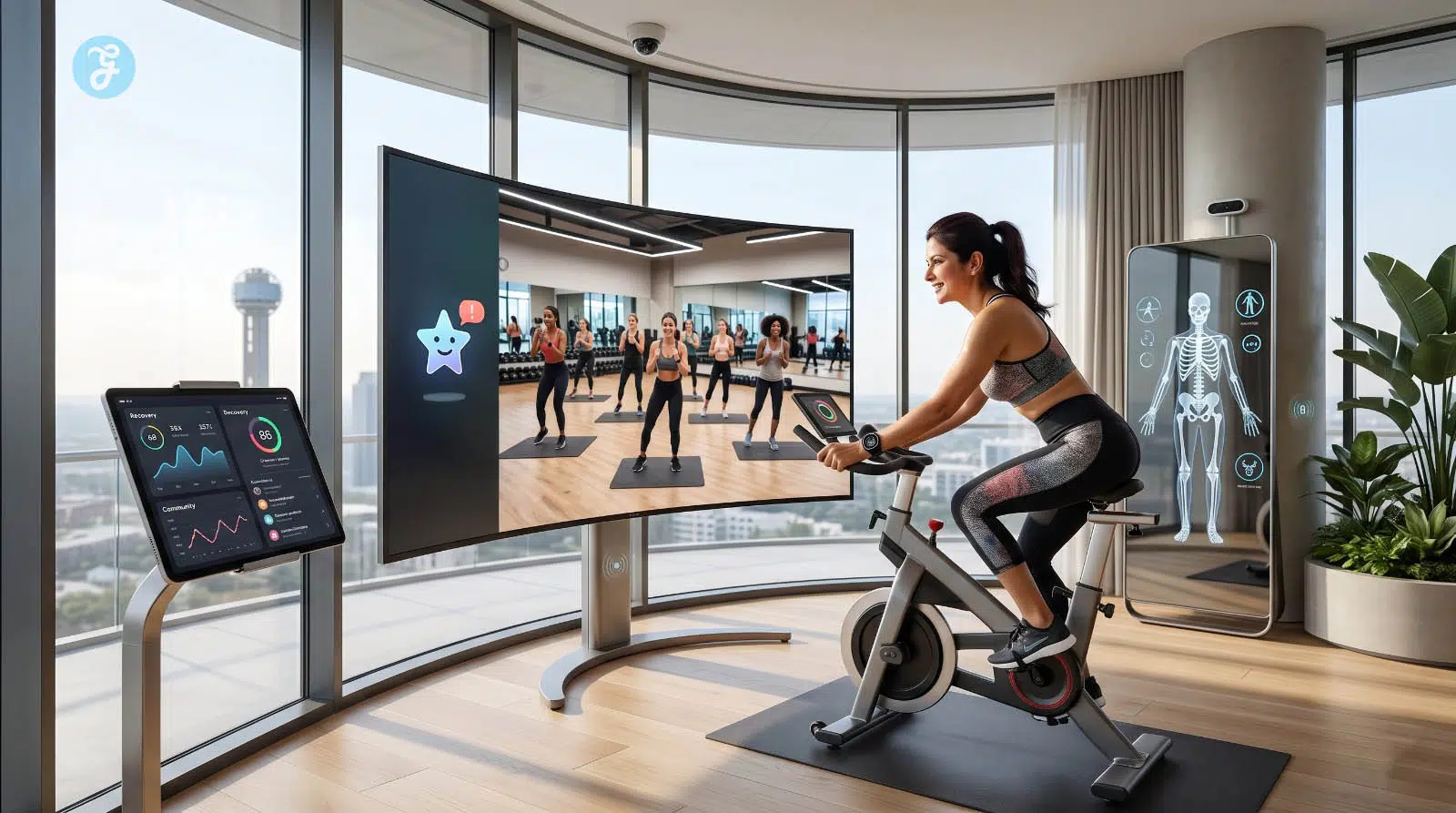
The boutique fitness landscape is no longer just about physical space. It is about digital real estate. By 2027, the barrier between wearable technology and boutique fitness software will vanish entirely. We are already seeing the first wave of deep integrations where recovery data from devices like the WHOOP strap or Oura ring flows directly into the studio booking app. For the SMB buyer, this means your software becomes a proactive health partner. If a member’s recovery score is low, the platform will automatically suggest a restorative yoga class instead of a high intensity interval session. This level of hyper personalization is the new baseline for member retention.
Virtual and Augmented Reality: Beyond the Screen
For investors looking for the next growth lever, look toward the “phygital” integration of VR and AR. These technologies have moved beyond gaming and into the core studio experience. AR mirrors are already providing real time form correction, but the next year will bring “ghost instructors” into a member’s peripheral vision during solo workouts. These digital overlays guide pace and posture with surgical precision. For studio owners, this maximizes the utility of the physical footprint. You can now offer a premium, guided experience during off peak hours without increasing your human payroll.
The Human AI Hybrid: The Only Way Forward
The future of premium fitness is not about replacing people with robots. It is about using AI to make humans more effective. To the founders building the next generation of wellness brands: the winners will be those who use the coach in the cloud to handle the data, leaving the coach on the floor to provide inspiration and empathy. This hybrid model is the only way to stay relevant in a 2026 market that craves both high tech results and high-touch connection. The software is the engine that drives efficiency, but the human heart remains the driver of the brand.
Comparison Summary: 2026 Boutique Fitness SaaS Leaders & Churn Reduction Tools
| Startup | Primary Strength | Ideal User | Technical Edge |
| PushPress | Business Automation | High growth gyms | Smart Billing AI |
| Gymdesk | Skill Progression | Martial Arts/Dojos | Automated Rank Tracking |
| Walla | Retention Psychology | Premium Studios | Behavioral Churn Engine |
| LoopSpark | Marketing CRM | Multi tool Studios | Two-Way AI Messaging |
| FitGrid | Community Bonding | Large Group Classes | AI Instructor Outreach |
| Asensei | Technical Coaching | Hybrid/Remote Brands | Computer Vision SDK |
| fitDEGREE | Social Referral | Community first Hubs | In-app Squad Socializing |
| Arketa | Hybrid Monetization | Fitness Creators | Integrated VOD & Events |
| Union | Brand Sovereignty | Independent Studios | Private 4K Live Streaming |
| Superset | Workflow Speed | Solo Coaches | AI Workout Programmer |
| Everfit | Holistic Health | High-touch Coaching | 24/7 Habit Tracking |
| Playbook | Creator Scaling | Global Influencers | Subscription App Engine |
| Coach Catalyst | Client Compliance | Results driven Teams | Accountability AI |
| WeStrive | Lead Generation | Small PT Teams | In-app Program Market |
| Recess | Low Overhead | Startups/SMEs | Zero fee SaaS Model |
Frequently Asked Questions (FAQs) on Boutique fitness software
How does adaptive coaching in 2026 software respond to member recovery data?
Modern platforms now go beyond simple booking by integrating directly with wearable biosensors. If a member’s recovery score or heart rate variability (HRV) is low, the software automatically suggests a de-load or mobility session instead of a high-intensity class. This level of care ensures members feel seen while preventing overtraining and injury.
Can boutique fitness software help mitigate the 2026 labor shortage?
Yes. By automating up to 70% of administrative tasks, including lead nurturing, billing disputes, and waitlist management, studios can operate with a much smaller team. AI acts as a silent employee that handles the mechanical heavy lifting, allowing your human staff to focus entirely on member relationships and high-quality coaching.
What are the legal implications of storing member biometric data on these platforms?
In 2026, data privacy is a high-stakes legal requirement. In the US, general fitness data (such as heart rate or recovery data from an Apple Watch or WHOOP) collected by a studio is governed by consumer privacy laws like the CCPA and GDPR, rather than HIPAA, unless the gym is acting as a “covered entity” (such as a medical provider billing insurance). However, because of the deeply personal nature of health biometrics, top-tier boutique platforms voluntarily adopt HIPAA-compliant security standards to ensure maximum protection. This guarantees that personal information is rigorously encrypted, used exclusively for member benefits, and safely shielded from third-parties, utilizing automated compliance tools to manage these risks seamlessly.
How does software handle the “phygital” shift in boutique fitness?
The most successful apps in 2026 bridge the gap between physical and digital experiences. They provide a unified platform where a member’s in-studio performance is reflected in their digital “wellness vault.” This ensures that even when a member is training at home, they remain locked into your studio’s ecosystem and community.
What is the “Speed to Lead” advantage in modern gym CRMs?
With digital ad costs skyrocketing, speed is the new currency. 2026 software uses machine learning to trigger a personalized, human-sounding outreach within seconds of a lead interacting with your social media or website. Research indicates that responding within the five minute golden window increases conversion odds by 9x, making this instant engagement a critical revenue driver compared to manual follow-ups.
Does boutique fitness software support dynamic pricing models?
Absolutely. Many platforms now use real-time demand data to adjust pricing for peak versus off-peak hours. This helps owners maximize revenue on popular classes while filling empty spots in slower time slots, mirroring the efficiency of the airline and hospitality industries.
Disclaimer: This report is strictly for informational and editorial purposes. It does not constitute professional medical, financial, or fitness advice. The boutique fitness software and AI driven tools discussed are technological aids designed for operational efficiency and member motivation. Always consult with a healthcare provider before beginning a new exercise protocol.
Note on Methodology: This selection is the result of focused business analysis into the 2026 United States fitness technology sector. We selected these 15 entries based on their proven stability, verified B2B capabilities, and their innovative use of the AI Coach in the Cloud model to solve specific pain points for American studio owners.