Have you ever scrolled through social media and felt completely overwhelmed by all the health advice? Your friend swears a juice cleanse changed her life, your mom insists on eight glasses of water, and some influencer is warning against vaccines. The Most Dangerous Health Myths You Should Stop Believing are hiding everywhere.
You want to make the right choices for your body, but figuring out what actually works feels impossible. A 2026 study from the University of Utah revealed that 86 percent of Americans feel the country is divided over health issues, with misinformation spreading rapidly among trusted communities.
I will show you exactly what doctors and scientists know about these common claims so you can protect yourself and your family. So, grab a cup of coffee, and let’s go through it together.

The Most Dangerous Health Myths You Should Stop Believing
Health misconceptions spread like wildfire through social media, family dinners, and office break rooms. False health claims can steer you away from real medical advice, leaving you vulnerable to serious problems.
Misinformation about nutrition, vaccines, and diseases puts your safety at risk, sometimes with consequences you cannot undo. Pseudoscience sounds convincing, especially when your friend’s cousin swears it worked for them, but anecdotal stories are not the same as facts. Trusting the wrong wellness advice can delay your treatment, worsen your condition, or cause harm you never saw coming.
According to a 2025 advisory from the US Department of Health and Human Services, bad health information has real-world costs. This misinformation has led people to decline vaccines, reject proven treatments, and endure preventable suffering. It gets worse when you look at how the internet funds these lies.
Here are three major ways these health myths directly impact you:
- Delayed Treatments: Trusting unproven remedies often means you skip a trip to the doctor until your condition becomes severe.
- Wasted Money: The wellness industry makes billions selling products that lack scientific backing.
- Hidden Risks: Some natural remedies interact dangerously with prescription medications, causing unexpected side effects.
Debunking myths matters because your health is not a place to gamble with guesses. Medical myths often contradict what doctors and scientists have proven through rigorous research and testing. Armed with truth, you can make smart choices that actually protect your wellbeing instead of jeopardizing it.
Common Health Myths About Lifestyle and Diet
Your daily food and drink choices shape your health more than you might think. Misinformation about diet and lifestyle spreads fast, and most people accept these false claims without questioning them.
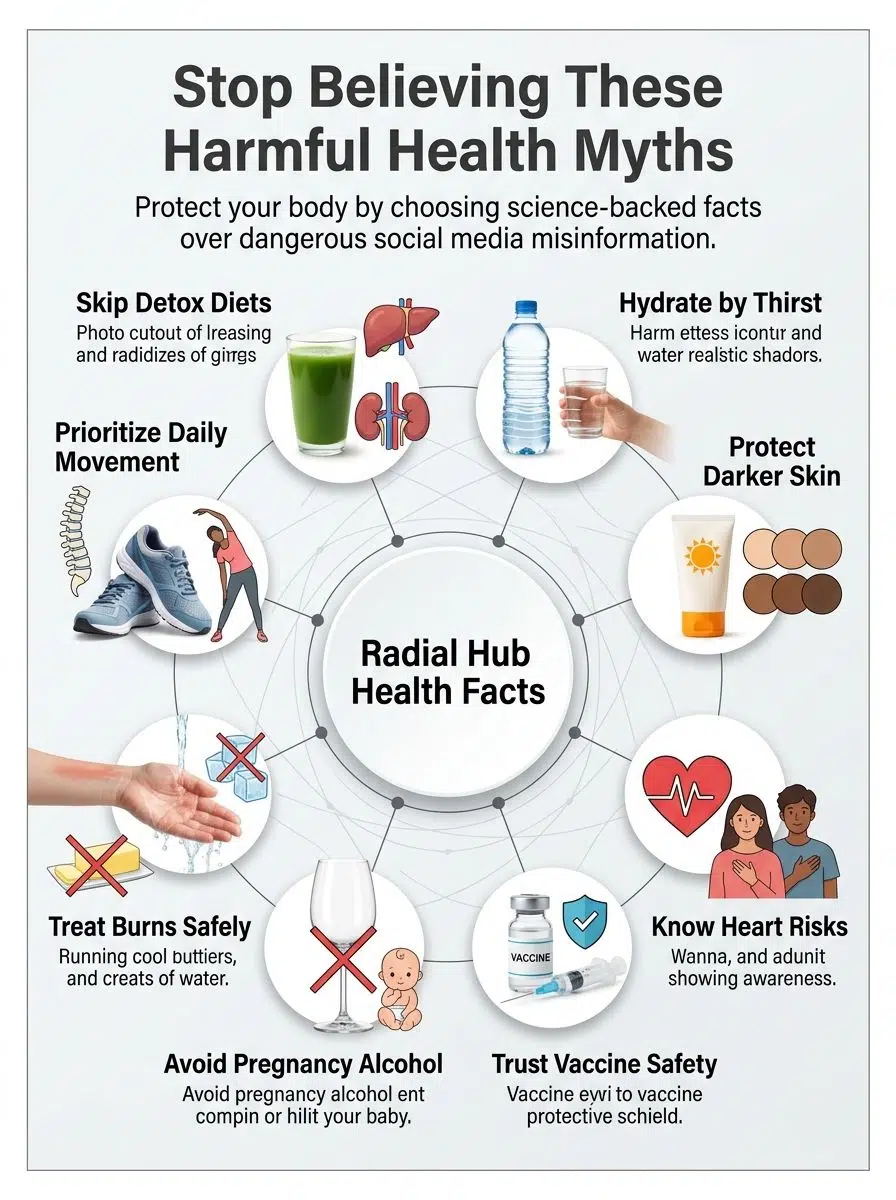
Myth: Detox diets cleanse your body of toxins
Detox diets promise to flush out toxins and leave you feeling fresh, but your body already has a built-in cleaning crew. Your liver, kidneys, and digestive system work around the clock to remove harmful substances without any special juice cleanse or restrictive eating plan.
Detox diet companies sell misinformation to make money off health misconceptions. The global detox product market is now worth around 51 billion dollars, driven heavily by celebrity endorsements for extreme programs like the Lemonade Diet. Most detox products lack scientific evidence to back up their bold claims. Drinking lemon water or eating only vegetables for a week does not magically eliminate toxins that your organs handle every single day.
In fact, extreme detox diets can harm you more than help you. They often leave people feeling tired, cranky, and deprived of nutrients their bodies actually need.
In the United States, detox teas are legally considered dietary supplements. This means companies can sell them without providing any hard evidence of their safety or effectiveness.
Restrictive detox regimens can cause muscle loss, nutrient deficiencies, and metabolic slowdown. Fasting or severely limiting calories puts stress on your system instead of supporting it.
Doctors and nutritionists agree that eating balanced meals, drinking enough water, exercising regularly, and getting good sleep provide real health benefits. Wellness does not require expensive remedies or extreme measures.
Myth: You must drink eight glasses of water daily
The eight-glass water rule sounds official, but solid science does not support it. Your body needs water, yes, but the exact amount varies drastically from person to person. Your age, activity level, climate, and general health all play a role in how much water you actually need.
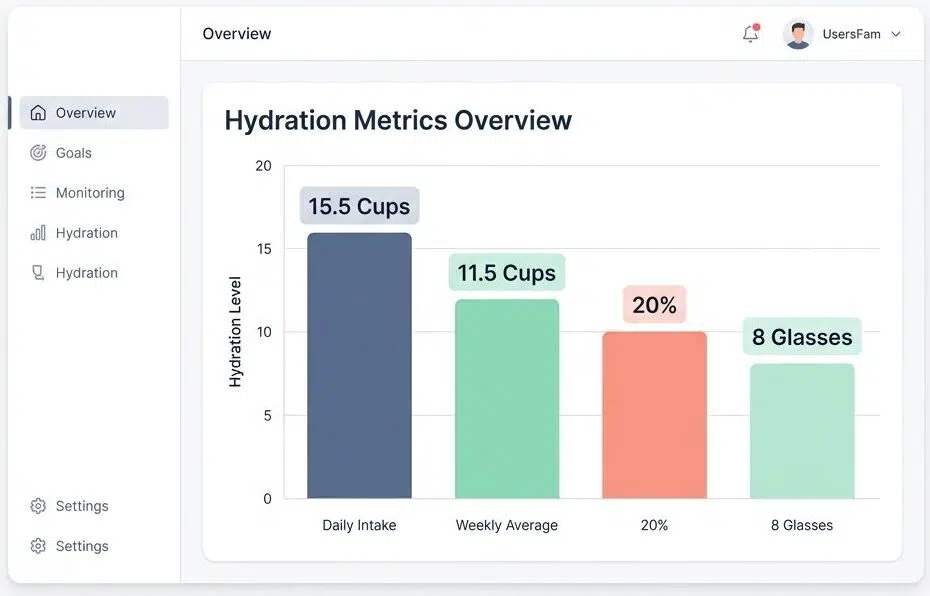
The US National Academies of Sciences, Engineering, and Medicine provides clear guidelines on fluid intake. They recommend about 15.5 cups of total daily fluids for men and 11.5 cups for women. This sounds like a lot, but you do not need to chug all of it from a glass.
| The Old Myth | The Scientific Fact |
|---|---|
| You must drink 8 straight glasses of pure water every day. | Your fluid needs vary based on your body size and local climate. Thirst is your best guide. |
| Coffee and tea dehydrate you. | Caffeinated drinks like coffee and tea actually count toward your daily hydration goals. |
| Food does not count toward hydration. | Roughly 20 percent of your daily water intake comes from water-rich foods like fruits and vegetables. |
Drinking too much water can actually harm you, leading to a condition called hyponatremia, where your blood sodium levels drop dangerously low. The main takeaway is simple. Listen to your body, drink when you are thirsty, and stop stressing about a rigid hydration schedule.
Myth: Carbs make you gain weight
Carbohydrates get blamed for weight gain all the time, but this misconception misses the real story. Your body needs carbohydrates to function properly, and they do not automatically turn into fat on your plate. Carbs fuel your brain, muscles, and organs with energy you actually use every single day.
The problem is not carbs themselves; it is the quality of the carbs you choose and eating too many calories in general. A 2026 study from Osaka Metropolitan University found that eating refined carbs causes your body to burn less energy, which drives weight gain even if you do not overeat. A massive 2023 BMJ study tracking over 136,000 US adults found that replacing starchy vegetables with whole grains actually led to less weight gain during midlife.
Here is a simple way to look at your carbohydrate choices:
- Carbs That Support You: Whole grains, beans, lentils, fruits, and non-starchy vegetables. These packs of fiber and nutrients your body craves.
- Carbs That Drain You: White bread, sugary drinks, and starchy vegetables like potatoes and corn. These spike your blood sugar quickly.
Nutritional myths about carbs spread fast, and many folks fall for the false health claims that demonize an entire food group. You will find success by eating reasonable portions of quality carbs, paired with protein and healthy fats.
Myth: Eating after 8 p.m. directly leads to weight gain
You have probably heard that your body automatically stores food as fat the moment the clock strikes eight. For a long time, the advice was simple.
Total calories matter far more than the time you eat them. If you eat three hundred calories at night versus three hundred calories at noon, your body processes them identically in theory.
However, recent science shows timing is starting to matter more than we thought. A major Harvard Medical School study revealed that eating your meals four hours later in the day drops your levels of leptin, the exact hormone that makes you feel full.
This late-night eating shift actually causes your fat tissue to express genes that promote fat growth while slowing down your calorie burn rate. Late-night eating also impacts your sleep. Eating a large meal within three hours of bedtime can increase nighttime awakenings by up to 60 percent, leaving you tired and craving junk food the next day.
So while a late snack will not instantly ruin your health, consistently eating massive meals at midnight makes it much harder for your metabolism to work efficiently. Clearing up this misinformation helps you make smarter nutrition choices without unnecessary food restrictions.
Myths About Diseases and Conditions
Your body sends you signals when something goes wrong, but myths about diseases cloud your judgment and put your health at risk. Separating fact from fiction about serious conditions saves lives and helps you make smart medical choices.
Myth: You can’t get skin cancer if you have dark skin
People with dark skin do get skin cancer, though the myth says otherwise. This dangerous misconception leads many individuals to skip sunscreen and avoid skin checks. Melanoma strikes people of all skin tones, and those with darker complexions often face delayed diagnoses because they do not suspect cancer.
The 2026 American Cancer Society report projects 112,000 new invasive melanoma cases in the US this year. While the five-year survival rate for White individuals is 95 percent, that number drops to just 70 percent for Black individuals. Sun exposure damages skin cells regardless of melanin levels, so everyone needs protection from harmful ultraviolet rays.
The health misconceptions surrounding skin cancer disproportionately harm communities of color. You need to examine your entire body, not just the spots exposed to the sun. Dermatologists urge everyone to check these commonly missed areas:
- The palms of your hands.
- The soles of your feet.
- Underneath your fingernails and toenails.
- The inside of your mouth.
Medical advice from qualified professionals matters for everyone, so do not let misinformation stop you from getting screened and protecting your skin daily.
Myth: Heart attacks only happen to older men
Heart attacks strike far more people than most folks realize. Women suffer heart attacks too, and they happen at younger ages than many assume. This dangerous misconception costs lives because people ignore warning signs in themselves or their loved ones. A 40-year-old woman might brush off chest pain as stress or heartburn, missing a serious medical emergency.
A 2026 Journal of the American Heart Association study found a shocking 57 percent increase in severe heart attacks among US adults under age 55 between 2011 and 2022. Even more concerning, young women had higher in-hospital death rates from these severe attacks than young men did.
The truth about heart attacks shatters this old myth completely. Research shows that heart disease kills women at alarming rates, making it the leading cause of death for females in America. Young people face real risks too, particularly those with a family history of early heart attacks or unhealthy lifestyle habits.
Chest pain, shortness of breath, nausea, and arm discomfort signal trouble regardless of your age or gender. Stop believing this false health claim and learn the actual warning signs that demand immediate medical attention.
Myth: Vaccines cause autism and are unsafe
Scientists have studied this claim for decades, and the evidence is clear. Vaccines do not cause autism. A major 2019 study looked at over 650,000 children in Denmark and found absolutely no link between vaccines and autism.
The original research that started this myth came from a fraudulent study in 1998, which doctors later retracted. The person who conducted that study lost his medical license entirely. Vaccines go through strict safety testing before doctors and patients use them.
The risks from the actual diseases far outweigh any rare vaccine side effects. Spreading misinformation about vaccine safety puts vulnerable people in danger, leading to outbreaks of preventable diseases in communities with low vaccination rates. Consider the real dangers of these preventable illnesses:
- Measles can cause brain damage and death in children.
- Polio can paralyze people for life.
- Whooping cough kills infants who are too young to get vaccinated.
Vaccines protect not just you, but also babies and elderly people who cannot receive certain vaccines. Understanding the truth about vaccines helps you make smart choices for your health and your family’s health.
Myth: Chemotherapy is worse than cancer itself
Many people fear chemotherapy so much that they avoid cancer treatment altogether. This fear comes from stories about side effects, hair loss, and feeling sick. The truth is that chemotherapy saves millions of lives every year.
Doctors use these drugs to attack cancer cells and stop them from spreading. Yes, chemotherapy causes side effects, but doctors now have better ways to manage them. Modern medicine offers powerful anti-nausea medications, like Ondansetron, along with pain relief treatments that make the process much easier.
The 2026 American Cancer Society report revealed a massive milestone. The five-year relative survival rate for all cancers combined in the US has reached a historic 70 percent. Targeted therapies are working extremely well and are less toxic, allowing patients to stay on their treatments longer.
Cancer left untreated grows and spreads to other parts of your body. Untreated cancer kills far more people than chemotherapy ever could. Choosing chemotherapy means choosing a fighting chance at life. The medical myths about chemotherapy being worse than cancer itself stop people from getting the help they need.
Myths About Pregnancy and Fertility
Pregnancy myths can seriously hurt your health and your baby’s health, so stick around to learn what doctors actually say about these false claims.
Myth: A glass of wine during pregnancy is harmless
Many people think a single glass of wine during pregnancy poses no real risk to a developing baby. This misinformation spreads through casual conversations and outdated beliefs that circulate in families. The truth is far different. Alcohol crosses the placenta and reaches your baby directly.
No safe level of alcohol exists during pregnancy, according to medical experts and health organizations. The CDC notes that up to 1 in 20 US school-aged children may have fetal alcohol spectrum disorders. Drinking alcohol while pregnant can lead to these disorders, causing lifelong damage. The lifetime cost of care for a person with this condition is estimated at two million dollars.
Babies exposed to alcohol in the womb often face severe challenges, including:
- Learning disabilities and lower IQ.
- Behavioral problems and hyperactivity.
- Physical abnormalities in the brain, heart, bones, and kidneys.
- Poor growth before and after birth.
Some effects do not show up until years later, making this health misconception particularly dangerous. Skipping alcohol entirely during pregnancy protects your baby from these preventable risks.
Myth: Babies always turn head-down by the due date
Not all babies flip into the head-down position before birth, and that is totally normal. About 3 to 4 percent of babies stay in a breech position, meaning they face bottom-first or feet-first instead of head-down.
Doctors call this a breech presentation, and it happens for many reasons. Some babies have less room to move, while others have the umbilical cord wrapped around them. Placenta placement, multiple pregnancies, or even the shape of the uterus can keep a baby from turning.
The truth is, babies do not follow a strict schedule for flipping, so expecting yours to turn by your due date sets you up for disappointment and unnecessary stress. Your healthcare provider will monitor your baby’s position throughout pregnancy using ultrasounds and physical exams.
If your baby stays breech near your delivery date, your doctor has options to discuss with you. Some providers attempt a procedure called external cephalic version, which involves gently turning the baby from outside the uterus. Understanding this health misconception helps you stay calm and work with your medical team.
Myth: A C-section means you can never have a vaginal birth
Many people think a C-section closes the door on vaginal birth forever. This medical misconception causes real worry for families planning more children. Doctors call a vaginal birth after a C-section a VBAC, and it happens successfully all the time.
The American College of Obstetricians and Gynecologists reports that women who attempt a VBAC have a 60 to 80 percent probability of success. Your body does not lose the ability to birth naturally just because you had surgery once.
The scar tissue heals, your uterus stays strong, and you can absolutely carry and deliver future babies through the vaginal canal. While uterine rupture is a valid concern, the risk is incredibly low, sitting at approximately 1.4 percent for most patients.
Talking with your doctor about your birth history helps you understand your actual options, not the false health claims you might hear from friends. This medical myth debunking matters because women deserve accurate information to make choices that fit their lives and bodies.
Myths About Everyday Health Practices
You hear tons of false claims about everyday health habits, from cracking your knuckles to treating burns with ice. These myths stick around because they sound reasonable, but science tells a different story.
Myth: Cracking your knuckles will cause arthritis
That satisfying pop you hear when you crack your knuckles does not lead to arthritis, despite what many people claim. Scientists have studied this health misconception for decades, and the evidence shows no real link between knuckle cracking and joint damage.
Dr. Donald Unger won the Ig Nobel Prize in Medicine in 2009 for an incredible self-experiment. For 60 years, he cracked the knuckles on his left hand twice a day but never cracked his right hand. X-rays proved there was absolutely no difference in arthritis between his two hands.
Your joints contain fluid that helps them move smoothly, and cracking simply releases gas bubbles from that fluid. The noise sounds dramatic, but it causes no harm to your bones or cartilage. People see older adults with arthritis and assume past habits caused the problem, but arthritis develops from wear and tear over time, genetics, or inflammation.
Dermatologists and rheumatologists agree that this common health belief ranks among the most persistent myths in wellness conversations. Your hands will work just fine whether you crack them or leave them silent.
Myth: Butter or ice helps heal burns
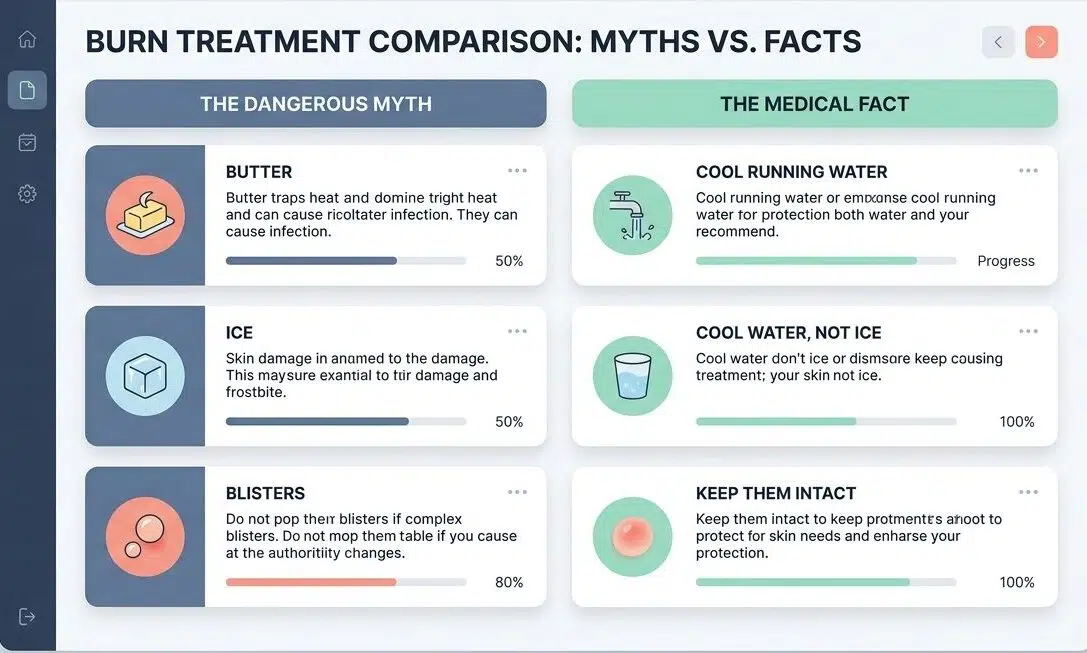
Slathering butter on a burn sounds like a home remedy your grandmother might have suggested, but doctors strongly oppose this approach. Applying ice or butter ranks among the worst things you can do, yet many people still reach for these items when accidents happen.
Burns require proper first aid to heal correctly and avoid serious complications. Knowing the truth about burns helps you respond quickly and protect your health when accidents occur.
| The Dangerous Myth | The Medical Fact |
|---|---|
| Put butter on a fresh bun. | Butter and mayonnaise are greasy. They trap the heat inside your skin and make the burn worse. |
| Put ice directly on the burn. | Ice drops the temperature too fast and can cause frostbite, damaging the tissue further. |
| Pop blisters to speed up healing. | Blisters protect against infection. Popping them opens your skin to bacteria. |
The American Red Cross recommends running cool, clean water over the burn for 10 to 20 minutes. This simple action stops the burning process and reduces pain without causing additional damage. After cooling, cover your burn loosely with a clean, dry cloth or sterile bandage.
Myth: Sitting up straight prevents back problems
Your mother probably told you to sit up straight, and you likely heard it a thousand times growing up. Most people think perfect posture prevents back pain. The truth is much more complex than that.
Sitting up straight alone does not prevent back problems, and doctors have known this for years. Your back health depends on many factors, not just how you sit. Staying active throughout your day protects your spine much better than rigid sitting ever could.
Mayo Clinic experts emphasize dynamic movement rather than holding a static position. The real cause behind back pain is staying in one position for too long, whether you sit straight or slouched. Try these proven habits to protect your spine:
- Take a short walk or stretch every 30 minutes.
- Strengthen your core muscles to support your lower back naturally.
- Switch between sitting and standing if you work at a desk.
Stress, muscle tension, and lack of exercise impact wellness far more than your sitting angle does. Stop focusing solely on sitting perfectly straight and start moving your body regularly instead.
Why It’s Important to Stop Believing Health Myths
False health information can hurt you in serious ways. Misinformation leads people to make poor choices about their bodies, their families, and their futures. Someone might skip a vaccine because they heard false claims about safety. Another person might ignore chest pain because they think heart attacks only strike older men.
Medical myths spread fast on social media, in casual conversations, and through well-meaning friends who share what they heard. Pseudoscience sounds convincing when it comes wrapped in simple language and confident voices.
This trust in false health claims creates real danger in our communities. When we fall for these myths, the consequences ripple outward:
- Patients delay getting critical, life-saving help.
- People waste money on worthless remedies and fake detox teas.
- Vaccine hesitation spreads disease to babies too young for their shots.
- People with darker skin tones skip important screenings and suffer from preventable skin cancer.
Debunking myths matters because your health depends on accurate information, not internet rumors. The truth is, medical advice from actual doctors beats wellness fallacies every single time. Trusting real medical professionals saves lives, saves money, and saves heartache.
The Bottom Line
Your health matters too much to leave it to false claims and pseudoscience. Medical myths spread fast, and they can hurt you in real ways. Doctors and scientists work hard to find the truth about what keeps us healthy. Trust their research, ask questions when something sounds off, and talk to your doctor before making big health choices.
Misinformation travels quickly, but facts travel with proof behind them. You deserve real answers, not rumors passed around on social media. Stop letting misconceptions guide your wellness decisions today. Your body responds to actual science, not old wives’ tales or internet gossip.
Health risks grow when you follow false health claims instead of medical advice from trained professionals. Seek out reliable sources, double-check what you hear, and never hesitate to get a second opinion.
The Most Dangerous Health Myths You Should Stop Believing might surprise you, but the truth will serve you far better than any myth ever could. Your life is worth the effort to separate fact from fiction.
Frequently Asked Questions (FAQs) on The Most Dangerous Health Myths
1. Why is it dangerous to believe that you can catch a cold just by being outside in chilly weather?
You don’t get sick from cold air alone; viruses cause colds, not temperature. A 2015 Yale study found that cold viruses actually thrive and spread more easily when people crowd together indoors during winter.
2. Is skipping breakfast really bad for your health?
Nope, skipping breakfast won’t harm you. A 2019 study in BMJ found no meaningful health or weight difference between people who eat breakfast and those who skip it.
3. Do detox diets actually clean out toxins from your body?
Your liver and kidneys already filter toxins from your blood naturally, doing this job around the clock without any help. Commercial detox diets and cleanses have zero scientific evidence supporting their claims.
4. Can cracking your knuckles give you arthritis?
Nope, cracking knuckles doesn’t cause arthritis. Dr. Donald Unger cracked the knuckles on his left hand for 60 years to prove this myth wrong, and he even won an Ig Nobel Prize for his dedication.