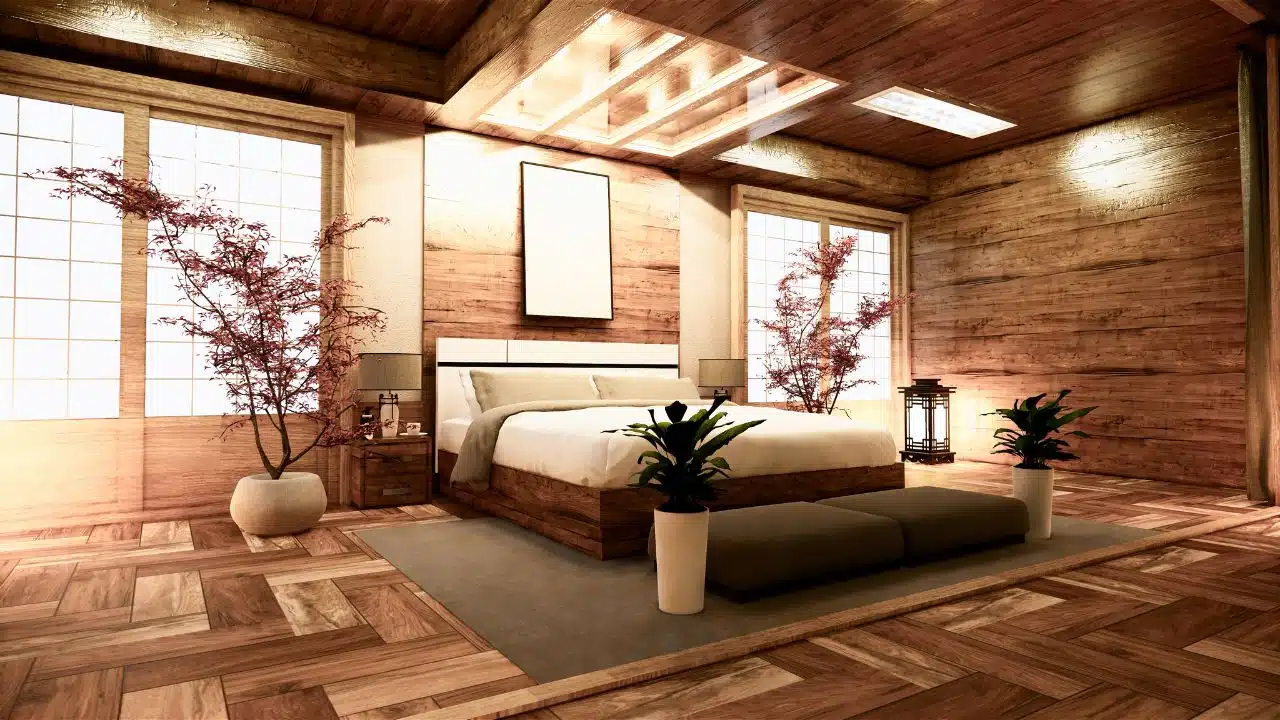
Sustainable interior design refers to the practice of creating aesthetically pleasing and functional indoor spaces while minimizing negative environmental impacts.
This approach considers the entire lifecycle of materials, prioritizes energy efficiency, and promotes occupant well-being.
By integrating eco-friendly principles into design choices, sustainable interior design aims to reduce waste, conserve resources, and create healthier living environments.
The Core Principles of Sustainable Interior Design
Environmental Responsibility
At the heart of sustainable interior design is a commitment to environmental stewardship. Designers focus on selecting materials and products that have a minimal ecological footprint. This includes using renewable resources, recycled materials, and items with low embodied energy. For example, opting for bamboo flooring instead of hardwood can significantly reduce environmental impact due to bamboo’s rapid growth and renewability.
Energy Efficiency
A key aspect of sustainable interior design is optimizing energy use within spaces. This involves maximizing natural light, incorporating energy-efficient lighting systems, and selecting appliances with high energy ratings. Designers may also integrate smart home technologies to automate and optimize energy consumption, such as intelligent thermostats that adapt to occupants’ schedules.
Waste Reduction
Sustainable interior design places a strong emphasis on minimizing waste throughout the design process and beyond. This includes careful planning to reduce construction waste, selecting durable materials that require less frequent replacement, and designing spaces with flexibility to accommodate changing needs without major renovations.
Health and Well-being
Creating healthy indoor environments is a crucial component of sustainable interior design. This involves selecting non-toxic materials with low volatile organic compound (VOC) emissions, ensuring proper ventilation, and incorporating biophilic elements that connect occupants with nature. These practices contribute to improved air quality and overall occupant health.
Implementing Sustainable Interior Design
Material Selection
Choosing the right materials is fundamental to sustainable interior design. Designers prioritize:
- Recycled and reclaimed materials
- Rapidly renewable resources (e.g., bamboo, cork)
- Locally sourced products to reduce transportation emissions
- Materials with eco-friendly certifications (e.g., FSC for wood products)
Energy-Efficient Design Strategies
To reduce energy consumption, sustainable interior designers employ various techniques:
- Maximizing natural light through strategic window placement
- Using energy-efficient LED lighting
- Incorporating passive solar design principles
- Installing smart home systems for optimized energy use
Water Conservation
Water-saving features are integral to sustainable interiors:
- Low-flow faucets and showerheads
- Dual-flush toilets
- Greywater recycling systems
- Drought-resistant plants for indoor greenery
Indoor Air Quality
Maintaining healthy indoor air is crucial:
- Selecting low-VOC paints and finishes
- Using natural, non-toxic cleaning products
- Incorporating air-purifying plants
- Ensuring proper ventilation systems
The Impact of Sustainable Interior Design
Environmental Benefits
Sustainable interior design significantly reduces the environmental footprint of buildings:
- Lowered carbon emissions
- Reduced waste sent to landfills
- Conservation of natural resources
- Improved biodiversity through responsible sourcing
Economic Advantages
While initial costs may be higher, sustainable design offers long-term economic benefits:
- Reduced energy and water bills
- Lower maintenance and replacement costs
- Increased property value
- Potential tax incentives and certifications
Social and Health Improvements
The impact on occupants’ well-being is substantial:
- Enhanced indoor air quality leading to better health
- Improved thermal and acoustic comfort
- Increased productivity and satisfaction
- Stronger connection to nature through biophilic design
Trends in Sustainable Interior Design
Biophilic Design
Incorporating nature into interior spaces is gaining popularity. This includes:
- Living walls and indoor gardens
- Natural light optimization
- Use of organic shapes and patterns
- Integration of natural materials like wood and stone
Circular Economy Principles
Designers are increasingly adopting circular economy concepts:
- Upcycling and repurposing furniture
- Selecting products designed for disassembly and recycling
- Prioritizing modular and adaptable design solutions
Smart Home Integration
Technology is playing a crucial role in sustainable interiors:
- IoT devices for energy and resource management
- Automated lighting and climate control systems
- Smart appliances that optimize resource use
Minimalism and Multifunctionality
The “less is more” approach is aligning with sustainability:
- Decluttered spaces that require fewer resources
- Multifunctional furniture to maximize space efficiency
- Focus on quality over quantity in furnishings
Challenges and Future Directions
Overcoming Barriers
Despite its benefits, sustainable interior design faces challenges:
- Higher initial costs for some sustainable materials
- Limited availability of certain eco-friendly products
- Resistance to change in traditional design practices
Education and Awareness
Increasing knowledge about sustainable design is crucial:
- Educating clients on long-term benefits
- Training designers in sustainable practices
- Raising public awareness about the importance of eco-friendly interiors
Technological Advancements
Ongoing innovations are shaping the future of sustainable design:
- Development of new eco-friendly materials
- Improved energy-efficient technologies
- Advanced tools for assessing environmental impact
Policy and Regulation
Government and industry standards are evolving:
- Stricter building codes for sustainability
- Incentives for green building practices
- Standardization of eco-labeling for interior products
Case Studies: Successful Sustainable Interior Design Projects
Residential Project: The Green Home Renovation
A 1950s suburban home was transformed using sustainable principles:
| Feature | Description | Impact |
| Solar Panels | Roof-mounted photovoltaic system | 80% reduction in energy bills |
| Reclaimed Wood | Flooring and furniture from local barns | Prevented 5 tons of wood from landfill |
| Smart Home System | Integrated energy and climate control | 30% increase in energy efficiency |
| Greywater System | Water recycling for garden irrigation | 50% reduction in water consumption |
The renovation resulted in a LEED Platinum certification and serves as a model for sustainable home design in the community.
Commercial Project: Eco-Friendly Office Space
A tech company’s headquarters embraced sustainable design:
| Element | Implementation | Outcome |
| Biophilic Design | Living walls and natural light optimization | 15% increase in employee productivity |
| Recycled Materials | Carpets and furniture from recycled plastics | Diverted 10 tons of plastic from oceans |
| Energy Management | IoT-based lighting and HVAC control | 40% reduction in energy consumption |
| Flexible Spaces | Modular furniture and adaptable layouts | 25% reduction in renovation needs |
The project achieved WELL Building Standard certification and has become a benchmark for sustainable office design.
Conclusion
Sustainable interior design is not just a trend; it’s a necessary evolution in how we create and inhabit spaces. By prioritizing environmental responsibility, energy efficiency, and occupant well-being, sustainable interior design offers a path to creating beautiful, functional spaces that contribute positively to both the planet and its inhabitants.
As awareness grows and technologies advance, the principles of sustainable design are becoming increasingly integrated into mainstream interior design practices, paving the way for a more sustainable and harmonious built environment.
As we move forward, the challenge lies in making sustainable interior design the norm rather than the exception.
This requires ongoing education, innovation, and collaboration among designers, manufacturers, policymakers, and consumers. By embracing these principles, we can create interiors that not only look good but do good, ensuring a healthier, more sustainable future for generations to come.