
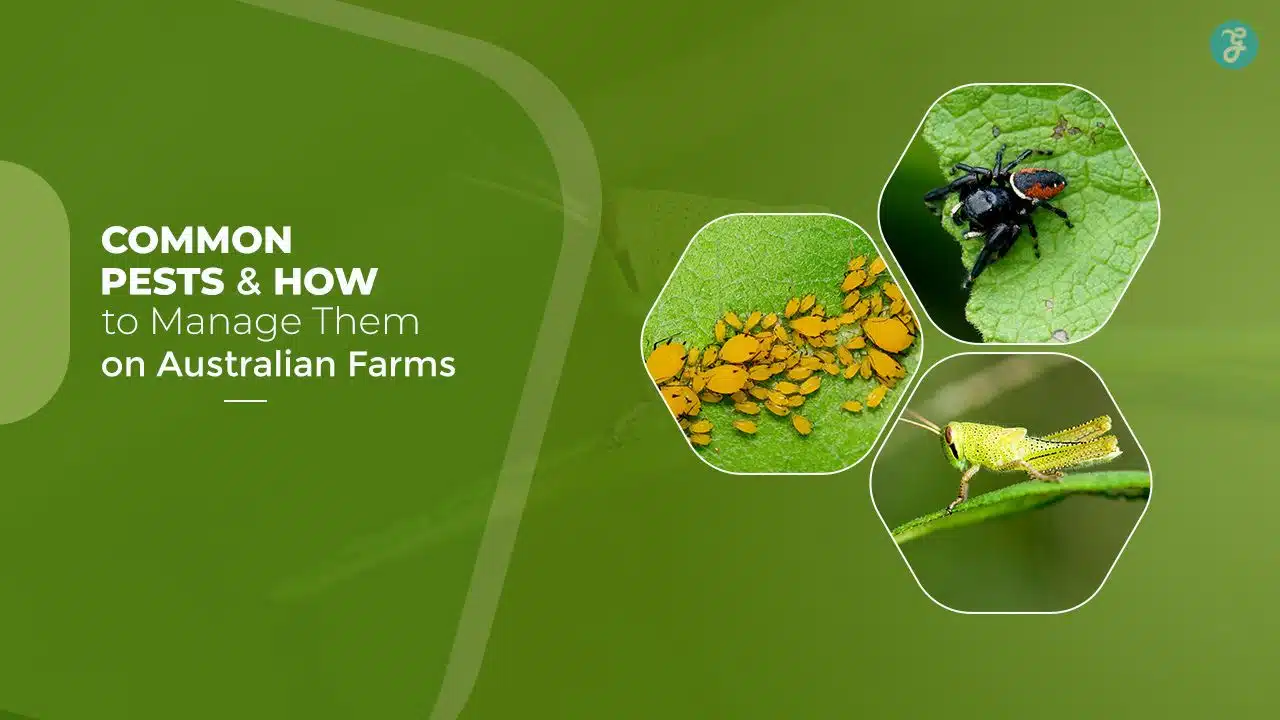
Australia’s agricultural sector is a powerhouse, contributing significantly to the nation’s economy. However, pests pose an ongoing challenge, threatening crops, livestock, and farm infrastructure.
Managing pests effectively is critical to maintaining productivity, ensuring food security, and minimizing environmental damage.
This article delves into 10 common pests on Australian farms and provides actionable strategies to combat them.
Whether you’re a seasoned farmer or new to agriculture, this guide will equip you with the knowledge to tackle pest issues sustainably and effectively.
Why Pest Management Matters on Australian Farms
Here is the explanation:
The Scale of the Problem
Pests cost Australian farmers billions annually in lost productivity and damage. For example, the Australian Plague Locust alone can devastate thousands of hectares of crops in a single outbreak, leading to severe economic repercussions.
The 2021 mouse plague in New South Wales serves as a stark reminder of how quickly pest populations can spiral out of control.
Environmental Considerations
Uncontrolled pest infestations can disrupt local ecosystems, harming beneficial insects like bees and natural predators.
Sustainable pest management is vital for preserving biodiversity while ensuring agricultural productivity.
Farmers must strike a balance between controlling pests and minimizing unintended environmental consequences.
The Role of Sustainable Practices
Integrated Pest Management (IPM) combines biological, cultural, and chemical methods to control pests while reducing reliance on harmful pesticides.
This approach balances effective pest control with environmental stewardship, making it a cornerstone of modern farming practices.
Top 10 Common Pests on Australian Farms
Let’s dive into the most common pests on Australian farms:
1. Aphids
Aphids are one of the most common pests affecting a wide range of crops, from vegetables to grains. These tiny, sap-sucking insects reproduce rapidly, causing significant damage by weakening plants and transmitting diseases. Left unchecked, they can reduce yields and harm overall crop quality.
- Damage: Aphids weaken plants by sucking sap, leading to stunted growth and transmitting diseases like barley yellow dwarf virus. They also excrete a sticky substance called honeydew, which promotes fungal growth.
- Management:
- Natural Predators: Encourage ladybugs and lacewings, which feed on aphids.
- Organic Solutions: Use neem oil sprays or insecticidal soaps.
- Chemical Control: Apply systemic insecticides during severe infestations.
| Key Facts About Aphids | Details |
| Common Crops Affected | Wheat, barley, potatoes, and citrus |
| Primary Season | Spring and early summer |
| Natural Predators | Ladybugs, parasitic wasps |
2. Redback Spiders
Redback spiders are notorious for their venomous bites and are commonly found in farm sheds, equipment, and other sheltered areas. While they rarely pose a threat to crops, their presence can be hazardous to farmworkers and livestock.
- Damage: Their bites can cause painful reactions in humans and secondary infections in livestock if left untreated. Additionally, their webs can clog machinery.
- Management:
- Regular cleaning and inspection of sheds, equipment, and storage areas.
- Use of targeted insecticides in areas prone to infestation.
- Educate workers on identifying and avoiding redback spider habitats.
| Key Facts About Redback Spiders | Details |
| Typical Habitat | Sheds, under machinery, outdoor toilets |
| Impact | Bites causing pain and potential hazards |
| Best Control Methods | Cleaning, targeted insecticide use |
3. Locusts
Locusts are infamous for their ability to form swarms that consume entire fields of crops in mere hours. These migratory pests can devastate crops and pastures, causing widespread economic and ecological damage.
- Damage: Locusts feed on leaves, stems, and seeds, stripping fields bare and leaving farmers with massive losses.
- Management:
- Early Detection: Use aerial surveys and monitoring systems to identify infestations early.
- Preventative Measures: Apply chemical sprays during the nymph stage before they develop into swarming adults.
- Case Study: In 2020, Australian farmers successfully reduced locust damage by implementing coordinated aerial pesticide applications.
| Key Facts About Locusts | Details |
| Crops at Risk | Wheat, barley, and pastures |
| Control Timing | During the nymph stage |
| Prevention Methods | Monitoring, chemical sprays |
4. Feral Pigs
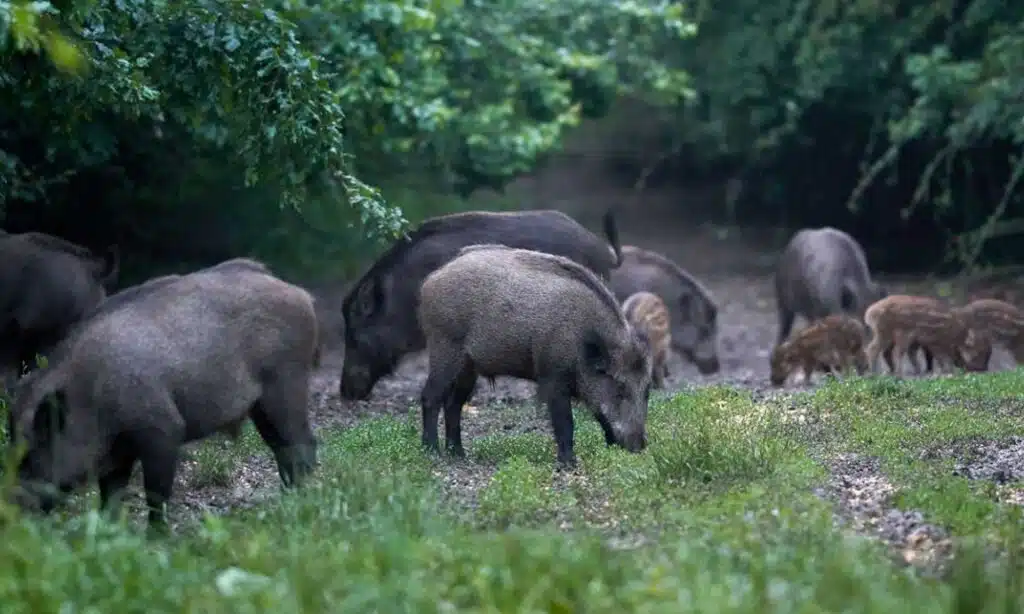
Feral pigs are highly destructive, targeting crops and native vegetation. They also compete with livestock for food and water resources, compounding their impact on farming operations.
- Damage: Known for uprooting vegetation, destroying fences, and spreading diseases, feral pigs cost Australian agriculture millions each year.
- Management:
- Use robust fencing to exclude feral pigs from vulnerable areas.
- Participate in community-led trapping programs to reduce pig populations.
- Work with local authorities for large-scale control efforts.
| Key Facts About Feral Pigs | Details |
| Estimated Population | Over 24 million in Australia |
| Main Impacts | Crop destruction, disease spread |
| Best Control Techniques | Fencing, trapping, community programs |
5. Caterpillars (e.g., Armyworms)
Armyworms and other caterpillar species are voracious feeders that target crops like wheat, corn, and rice. They can quickly strip plants of their leaves, reducing photosynthesis and ultimately lowering yields.
- Damage: Caterpillars defoliate plants, reducing crop productivity. Some species also bore into fruits and stems, causing further damage.
- Management:
- Release biological controls like parasitoid wasps.
- Apply insecticides targeting young larvae for maximum effectiveness.
- Maintain crop health to minimize susceptibility.
| Key Facts About Caterpillars | Details |
| Primary Crops Affected | Wheat, corn, rice |
| Key Control Period | Larval stage |
| Natural Predators | Parasitic wasps, birds |
6. Rodents
Rodents such as mice and rats are a persistent problem on Australian farms, particularly in grain storage areas. They reproduce rapidly and can cause significant economic losses through contamination and destruction.
- Damage: Rodents chew on crops, contaminate stored grains, and gnaw on farm equipment, leading to costly repairs.
- Management:
- Implement baiting and trapping systems to control rodent populations.
- Store grains in sealed, rodent-proof silos.
- Regularly clean storage areas to remove food sources.
| Key Facts About Rodents | Details |
| Common Types | House mice, black rats |
| Impact | Crop loss, equipment damage |
| Control Measures | Traps, baits, clean storage |
7. Fruit Flies
Fruit flies are among the most damaging pests for fruit growers, infesting fruits and rendering them unmarketable. They are a major concern for both local and export markets.
- Damage: Adult flies lay eggs in fruits, leading to maggot infestations and spoilage.
- Management:
- Use pheromone traps to monitor and reduce fly populations.
- Apply bait sprays to target adult flies.
- Enclose fruit trees with nets to prevent egg-laying.
| Key Facts About Fruit Flies | Details |
| Host Fruits | Mangoes, peaches, citrus |
| Monitoring Tools | Pheromone traps |
| Best Prevention | Netting, bait sprays |
8. Grasshoppers
Grasshoppers are widespread pests that compete with livestock by consuming pastures. They are particularly problematic in arid regions where vegetation is already sparse.
- Damage: Grasshoppers feed on leaves and stems, reducing available forage for livestock.
- Management:
- Encourage natural predators such as birds and lizards.
- Till soil to disrupt egg-laying sites.
- Monitor populations to time control measures effectively.
| Key Facts About Grasshoppers | Details |
| Main Impact | Pasture damage, crop loss |
| Natural Predators | Birds, lizards |
| Best Control Practices | Tillage, population monitoring |
9. Weevils
Weevils primarily affect stored grains, causing contamination and economic losses. They can also infest seeds, reducing germination rates for the next planting season.
- Damage: Infestations lead to reduced grain quality and viability, impacting both food supply and seed reserves.
- Management:
- Regularly inspect grain storage facilities.
- Use fumigation to eliminate existing infestations.
- Maintain optimal storage conditions, including low humidity.
| Key Facts About Weevils | Details |
| Common Types | Grain weevils, rice weevils |
| Control Methods | Aeration, fumigation |
| Prevention Techniques | Proper storage conditions |
10. Fire Ants
Fire ants are aggressive pests that pose risks to both livestock and humans. Their painful stings can cause allergic reactions, and their mounds disrupt fieldwork and damage crops.
- Damage: Fire ants harm livestock through bites and can damage crops by tunneling around root systems.
- Management:
- Treat mounds with specialized bait.
- Implement quarantine measures to prevent the spread of colonies.
- Work with local authorities for eradication programs.
| Key Facts About Fire Ants | Details |
| Primary Habitat | Fields, pastures, and farmyards |
| Key Threats | Livestock injuries, crop damage |
| Best Control Methods | Bait treatments, quarantine programs |
Comprehensive Pest Management Strategies
Integrated Pest Management (IPM)
IPM combines multiple pest control methods to minimize harm to the environment:
- Biological Control: Introducing beneficial insects like predatory beetles.
- Cultural Control: Crop rotation and intercropping to disrupt pest lifecycles.
- Chemical Control: Targeted use of pesticides as a last resort.
Technology in Pest Control
- Drones: Monitor large fields for pest activity.
- Sensors: Detect early infestations to enable timely interventions.
- Predictive Analytics: Use weather data to anticipate pest outbreaks.
Regional Pest Control Tips
Geographic-Specific Pests
Different regions in Australia face unique pest challenges:
- Tropical Areas: Fruit flies and locusts thrive in warm climates.
- Arid Zones: Grasshoppers and feral pigs are more prevalent.
| Region | Common Pests | Preferred Solutions |
| Tropical North | Fruit Flies, Locusts | Traps, pheromone sprays, crop rotation |
| Southern Farms | Aphids, Weevils | Natural predators, grain aeration |
| Outback Regions | Feral Pigs, Redbacks | Fencing, trapping, and insecticides |
Takeaway
Pest management is essential for the sustainability and profitability of Australian farms. By understanding common pests and implementing tailored strategies, farmers can mitigate damage while preserving the environment.
Embrace tools like IPM and modern technologies to stay ahead of infestations. For further support, consult agricultural experts or local government resources.