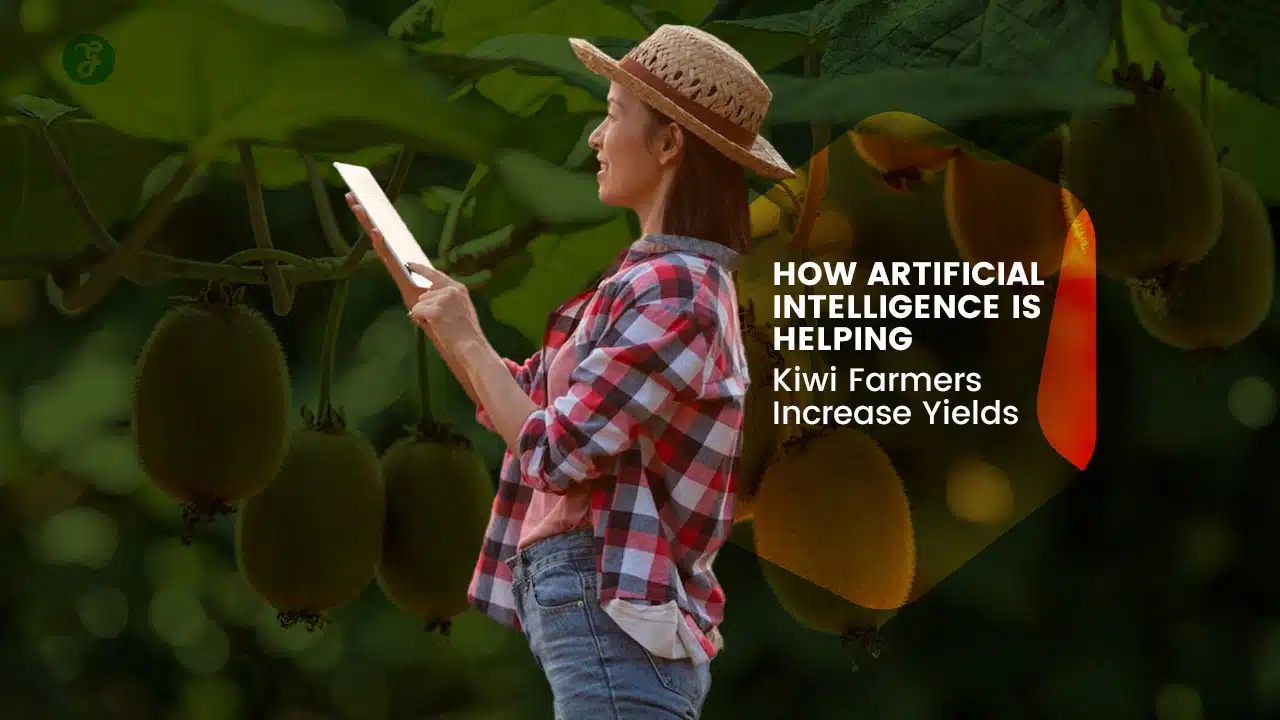
New Zealand, a country celebrated for its lush landscapes and agricultural heritage, faces growing challenges in modern farming. Climate variability, labor shortages, and rising operational costs have made it increasingly difficult for Kiwi farmers to sustain high yields and profitability.
However, artificial intelligence (AI) is emerging as a game-changer. By leveraging AI-powered tools like predictive analytics, IoT sensors, and precision farming technologies, Kiwi farmers are optimizing resources, enhancing productivity, and embracing sustainable practices.
This article delves into how artificial intelligence is transforming New Zealand’s agriculture, providing practical solutions to farmers and ensuring the country’s farming industry remains competitive globally.
1. What is Artificial Intelligence in Agriculture?
Artificial intelligence in agriculture involves applying advanced technologies like machine learning, robotics, and data analytics to farming practices. AI systems analyze large datasets collected from sensors, satellites, and drones, providing actionable insights to farmers.
These insights help optimize farming operations, reduce waste, and improve decision-making. AI tools also integrate seamlessly with IoT devices, creating a connected ecosystem where every aspect of the farm is monitored and managed efficiently.
This technological revolution ensures that Kiwi farmers can make informed decisions to maximize yields while minimizing costs.
Applications of AI in Agriculture:
- Crop Monitoring: AI analyzes satellite and drone imagery to detect plant stress and nutrient deficiencies.
- Precision Irrigation: Uses weather data and soil sensors to optimize water use.
- Predictive Analytics: Forecasts weather patterns, pest outbreaks, and crop yields.
| AI Tool | Functionality |
| Satellite Imaging | Crop health analysis and field mapping |
| IoT Devices | Collect real-time soil and weather data |
| Machine Learning Models | Predictive analytics for yield and disease |
2. Challenges Faced by Kiwi Farmers
Kiwi farmers are recognized for their resilience, but they face numerous challenges that hinder productivity and profitability. Climate change has led to unpredictable weather patterns, resulting in crop losses and water shortages.
The availability of skilled labor is also declining, making it difficult to manage large-scale farming operations. Moreover, pests, diseases, and the need for sustainable practices add layers of complexity.
These challenges necessitate innovative solutions, and AI has emerged as a powerful tool to address these issues effectively.
Key Challenges:
- Climate Variability: Unpredictable rainfall and temperature extremes.
- Labor Shortages: Increasing reliance on automation due to workforce decline.
- Pest Management: Growing resistance to traditional pesticides.
- Sustainability Goals: Pressure to reduce carbon footprints and adopt eco-friendly practices.
| Challenge | Impact on Farming |
| Unpredictable Weather | Disrupts planting and harvesting cycles |
| Labor Shortages | Increases operational costs |
| Pest Infestations | Reduces crop yields and quality |
| Rising Input Costs | Impacts profitability |
3. How AI Enhances Crop Management
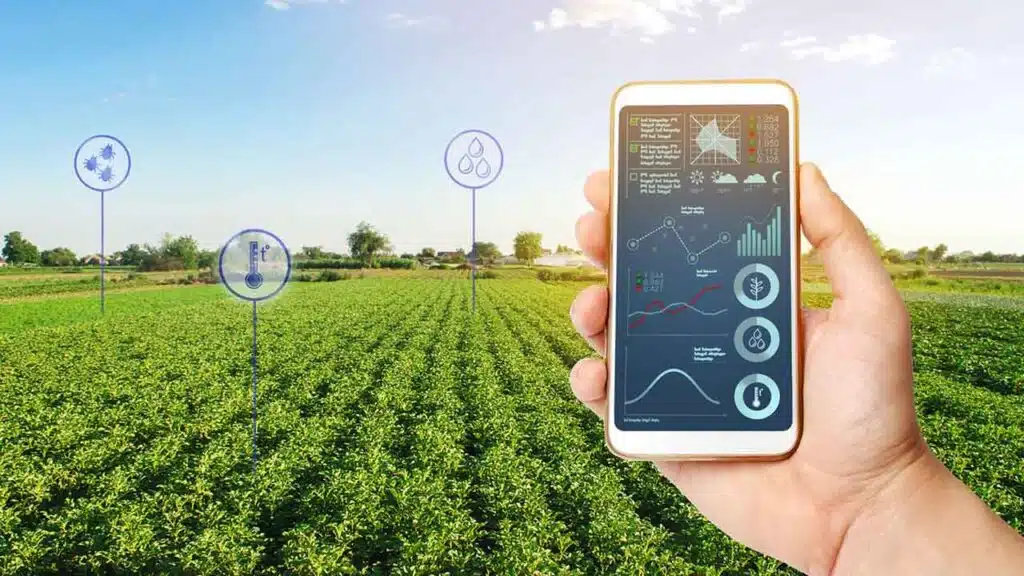
AI-driven crop management involves monitoring and optimizing the entire lifecycle of crops. Using sensors, drones, and machine learning algorithms, AI systems provide farmers with real-time insights into crop health, growth patterns, and potential threats.
These tools enable proactive interventions, ensuring that crops receive the right nutrients, water, and protection at the right time. By reducing resource wastage and minimizing risks, AI significantly enhances both yield and quality.
Benefits of AI in Crop Management:
- Disease Detection: AI-powered tools use image recognition to identify diseases early.
- Nutrient Optimization: Analyzes soil conditions to recommend precise fertilizer applications.
- Yield Forecasting: Provides accurate yield predictions to aid in planning and marketing.
| AI Application | Purpose |
| Drones | Aerial monitoring of crop health and irrigation |
| IoT Soil Sensors | Track soil moisture and nutrient levels |
| Predictive Models | Anticipate weather impacts on crop performance |
4. AI-Powered Livestock Monitoring
AI is revolutionizing livestock management by providing real-time monitoring of animal health, behavior, and productivity. Wearable sensors and cameras equipped with AI algorithms track vital signs, detect illnesses, and analyze feeding patterns.
This proactive approach reduces mortality rates, improves productivity, and ensures animal welfare. Kiwi farmers benefit from AI-driven insights that streamline herd management and optimize livestock performance.
Key Benefits:
- Health Monitoring: Early detection of illnesses minimizes treatment costs and losses.
- Behavioral Insights: Analyzes movement and feeding habits to improve management.
- Productivity Optimization: Enhances milk production, growth rates, and reproductive health.
| Tool | Functionality |
| Wearable Sensors | Monitor temperature, activity, and heart rate |
| Video Analytics | Detect abnormal behavior in animals |
| Data Dashboards | Provide actionable insights for herd management |
5. Precision Farming with AI
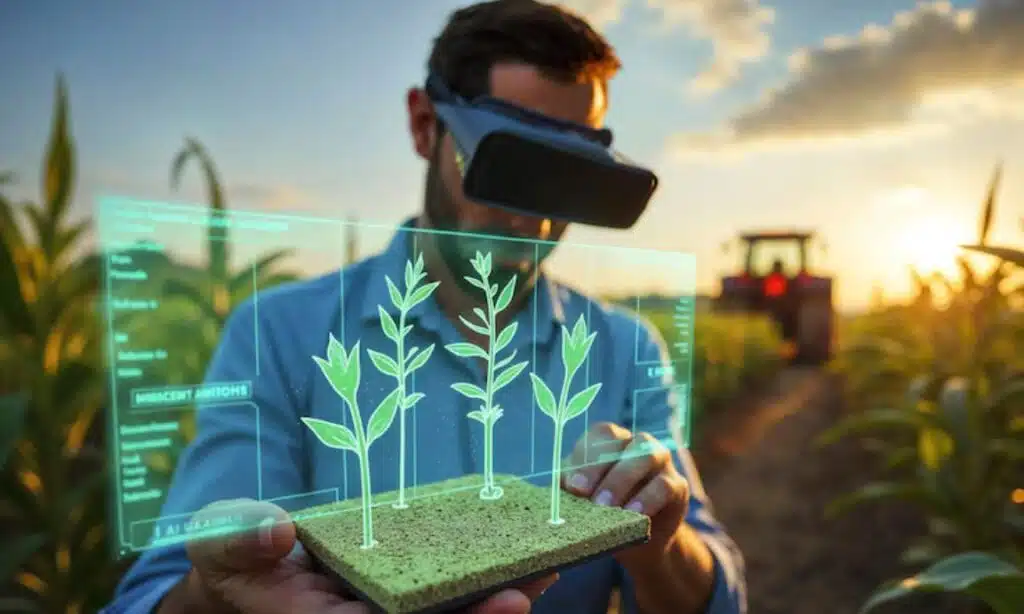
Precision farming uses AI to ensure that resources like water, fertilizer, and pesticides are applied efficiently. By analyzing data from GPS devices, drones, and IoT sensors, AI identifies the specific needs of each section of a field.
This targeted approach reduces wastage, minimizes environmental impact, and increases crop productivity. Precision farming is especially valuable in New Zealand, where sustainable practices are critical.
Benefits of Precision Farming:
- Resource Efficiency: Minimizes wastage of water and chemicals.
- Targeted Interventions: Focuses on problem areas rather than blanket solutions.
- Higher Yields: Maximizes productivity through tailored resource allocation.
| Technology | Function |
| GPS-Enabled Machinery | Precise planting and fertilization |
| Drone Imagery | Pinpoints areas requiring intervention |
| AI Models | Predict optimal planting and harvest timings |
6. Predictive Analytics for Better Decision-Making
Predictive analytics leverages AI to forecast outcomes based on historical and real-time data. For Kiwi farmers, this means better planning for planting, harvesting, and resource allocation.
Predictive models analyze weather data, market trends, and pest behavior to recommend optimal strategies. This technology helps farmers minimize risks and capitalize on favorable conditions.
Use Cases:
- Weather Predictions: Advises on ideal planting and harvesting windows.
- Market Insights: Aligns production with consumer demand to maximize profits.
- Pest Forecasting: Prepares farmers for potential outbreaks.
| Predictive Analytics Tool | Purpose |
| Weather Models | Forecast rainfall and temperature trends |
| Yield Simulators | Estimate output based on input variables |
| Market Analysis Tools | Suggest optimal pricing strategies |
7. AI in Sustainable Agriculture
Sustainability is essential for the future of farming, and AI is helping Kiwi farmers adopt eco-friendly practices. By optimizing water, fertilizer, and pesticide usage, AI reduces environmental impact while maintaining productivity. It also supports crop rotation planning and biodiversity preservation, ensuring long-term soil health.
AI-Powered Sustainable Practices:
- Smart Irrigation: Delivers water precisely where needed.
- Green Fertilization: Avoids overuse of chemicals, protecting soil and waterways.
- Carbon Footprint Reduction: Encourages practices that reduce emissions.
| Practice | Environmental Impact |
| Precision Irrigation | Conserves water resources |
| Sustainable Fertilization | Reduces chemical runoff |
| Crop Diversity Models | Enhances soil health |
8. Smart Irrigation and Water Management
Water is one of the most precious resources in agriculture, and its effective management is critical for sustainability.
Smart irrigation systems, powered by AI, optimize water usage by analyzing soil moisture levels, weather data, and crop requirements. In New Zealand, where water conservation is vital, AI helps farmers minimize wastage while ensuring crops receive adequate hydration.
These systems work seamlessly with IoT sensors, providing real-time data and recommendations for precise irrigation. As a result, farmers save on water costs, reduce environmental impact, and improve crop yields.
Benefits of Smart Irrigation:
- Reduced Water Wastage: Delivers water only where and when it’s needed.
- Improved Crop Health: Prevents overwatering or underwatering.
- Cost Efficiency: Reduces irrigation-related expenses.
| Irrigation Method | Functionality |
| Drip Irrigation with AI | Ensures targeted water delivery |
| IoT Sensors | Monitor soil moisture in real-time |
| Weather-Based Systems | Adjust irrigation based on forecast data |
9. AI in Pest and Disease Management
Pests and diseases can devastate crops, leading to significant financial losses. AI-powered tools help farmers tackle these challenges by identifying potential threats early.
Drones equipped with image recognition technology analyze fields for signs of pest infestations or disease outbreaks. AI systems then recommend targeted treatments, reducing the need for blanket pesticide applications.
By using data-driven insights, Kiwi farmers can protect their crops while reducing chemical use, contributing to more sustainable practices.
Key Applications:
- Early Detection: Identifies pest and disease symptoms before they spread.
- Targeted Treatments: Focuses on affected areas to minimize pesticide usage.
- Monitoring Trends: Tracks recurring issues to develop preventive strategies.
| Tool | Purpose |
| Drone Imaging | Identifies pest infestations |
| AI Disease Models | Predicts outbreaks based on environmental data |
| Smart Sprayers | Apply pesticides only where needed |
10. Real-Life Examples of AI Use in New Zealand Farming
New Zealand’s agricultural sector is embracing AI with innovative applications across various farming practices. From dairy farms to vineyards, AI technologies are helping farmers boost productivity and sustainability. These real-life examples showcase how Kiwi farmers are leveraging AI to transform their operations.
Case Studies:
- Fonterra:
- Uses AI to monitor milk production and improve herd health.
- Implements wearable sensors to track cow activity and detect illnesses early.
- Marlborough Vineyards:
- Employ AI for precision viticulture, analyzing soil health and optimizing irrigation.
- Use drones to monitor grape quality and predict harvest timings.
- Zespri:
- Leverages AI-driven predictive models to optimize kiwi fruit production.
- Monitors weather patterns to reduce the impact of adverse conditions.
| Farm | AI Application | Result |
| Fonterra | Wearable sensors for cows | Improved milk yield and herd health |
| Marlborough Vineyards | Drone monitoring for grapes | Enhanced grape quality and yield |
| Zespri | Predictive models for kiwi fruit | Optimized production and reduced losses |
11. Benefits of AI Adoption for Kiwi Farmers
The integration of AI into New Zealand’s agriculture brings numerous benefits that enhance productivity, profitability, and sustainability.
By automating repetitive tasks and providing actionable insights, AI reduces the burden on farmers and enables them to focus on strategic decisions. It also ensures better resource management, aligning with global sustainability goals.
For Kiwi farmers, these benefits translate to higher yields, lower costs, and a competitive edge in the global market.
Key Benefits:
- Increased Productivity: AI optimizes farming operations, leading to higher yields.
- Cost Reduction: Reduces expenses on water, fertilizer, and labor.
- Sustainability: Promotes eco-friendly practices with minimal environmental impact.
- Enhanced Decision-Making: Provides real-time insights for better planning.
| Benefit | Impact on Farming |
| Resource Efficiency | Lowers input costs |
| Higher Yields | Improves profitability |
| Eco-Friendly Practices | Aligns with sustainability goals |
12. Challenges and the Future of AI in Kiwi Farming
While AI offers transformative benefits, its adoption in agriculture comes with challenges. The high initial cost of AI technologies, combined with the need for technical expertise, can be barriers for many Kiwi farmers.
Additionally, concerns about data privacy and integration with existing systems must be addressed. However, as AI becomes more accessible and affordable, its adoption is expected to grow, further revolutionizing New Zealand’s agriculture.
Challenges:
- Cost of Implementation: AI tools and infrastructure can be expensive.
- Technical Skills: Farmers may need training to use advanced technologies.
- Data Privacy: Protecting sensitive farm data is crucial.
Future Outlook:
- Affordable Solutions: Emerging technologies are reducing costs.
- Increased Adoption: Wider use of AI will drive innovation in Kiwi farming.
- Sustainability Focus: AI will play a critical role in achieving eco-friendly farming practices.
| Challenge | Proposed Solution |
| High Costs | Government subsidies and financing options |
| Lack of Expertise | Training programs for farmers |
| Data Privacy Concerns | Robust cybersecurity measures |
Takeaways
Artificial intelligence is revolutionizing agriculture in New Zealand, empowering Kiwi farmers to overcome challenges, improve efficiency, and embrace sustainability.
From smart irrigation systems to predictive analytics, AI tools provide valuable insights that enhance productivity and profitability. Real-life examples, such as Fonterra’s dairy farms and Zespri’s kiwi fruit production, highlight the transformative potential of AI in agriculture.
While challenges like high costs and technical expertise remain, the long-term benefits of AI adoption far outweigh these barriers.
As technologies become more affordable and accessible, AI is poised to become an integral part of New Zealand’s farming future, ensuring the country continues to lead in global agricultural innovation.
Let me know if you’d like further elaboration or additional sections added!