
Starting a small farm in the USA can be an exciting yet challenging endeavor. Whether you aim to grow crops, raise livestock, or embrace sustainable farming practices, proper planning and execution are essential to turn your vision into a thriving business.
From selecting the right location to adopting sustainable techniques, these 10 best practices for starting a small farm in the USA will help you lay the groundwork for success.
1. Develop a Comprehensive Business Plan
A well-thought-out business plan is the cornerstone of any successful farm. This plan should include your farming goals, the types of crops or livestock you intend to focus on, financial projections, marketing strategies, and operational plans.
Identify your target market and outline how you will reach them, whether through local farmers’ markets, grocery stores, or direct-to-consumer sales. A solid business plan not only guides your actions but also helps secure funding from investors or lenders.
Why It’s Important
A business plan provides clarity, minimizes risks, and ensures that you are prepared to handle both challenges and opportunities in farming.
2. Choose the Right Location

Location is a critical factor in determining your farm’s success. Consider factors like soil quality, climate, access to water, and proximity to markets when selecting a site.
Different crops and livestock thrive in different environments, so ensure that your chosen location aligns with your farming objectives. Additionally, evaluate zoning laws and land-use regulations in the area to avoid potential legal hurdles.
Why It’s Important
The right location ensures optimal growing conditions and efficient distribution, ultimately affecting your farm’s profitability.
3. Start Small and Scale Gradually
Starting small allows you to manage resources efficiently while learning the intricacies of farming. Begin with a limited number of crops or livestock to test your skills and understand market demand.
As you gain experience and confidence, scale up operations by introducing new crops, expanding your land, or increasing herd sizes. This incremental approach minimizes risks and ensures steady growth.
Why It’s Important
Starting small reduces financial risk and allows you to adapt and improve your farming techniques over time.
4. Secure Financing and Manage Budgets Wisely
Farming requires significant upfront investment in land, equipment, seeds, and infrastructure. Explore financing options such as agricultural loans, grants, or crowdfunding to secure the necessary funds.
Once you have financing, create a detailed budget to track expenses and manage cash flow. Allocating resources effectively ensures that your farm remains financially sustainable in its early stages.
Why It’s Important
Proper financial planning prevents overspending and ensures that your farm has the capital needed to thrive.
5. Understand Your Market and Customers
Knowing your market is key to producing what people want and maximizing sales. Research local demand for specific crops or livestock and identify your target customers. Whether you’re catering to organic food enthusiasts, restaurants, or wholesale buyers, tailor your production and marketing strategies accordingly.
Engaging with your community through farmers’ markets, social media, or local events helps build customer relationships and brand loyalty.
Why It’s Important
Understanding your market ensures that your farm produces goods with high demand, improving profitability and sustainability.
6. Focus on Sustainable Farming Practices
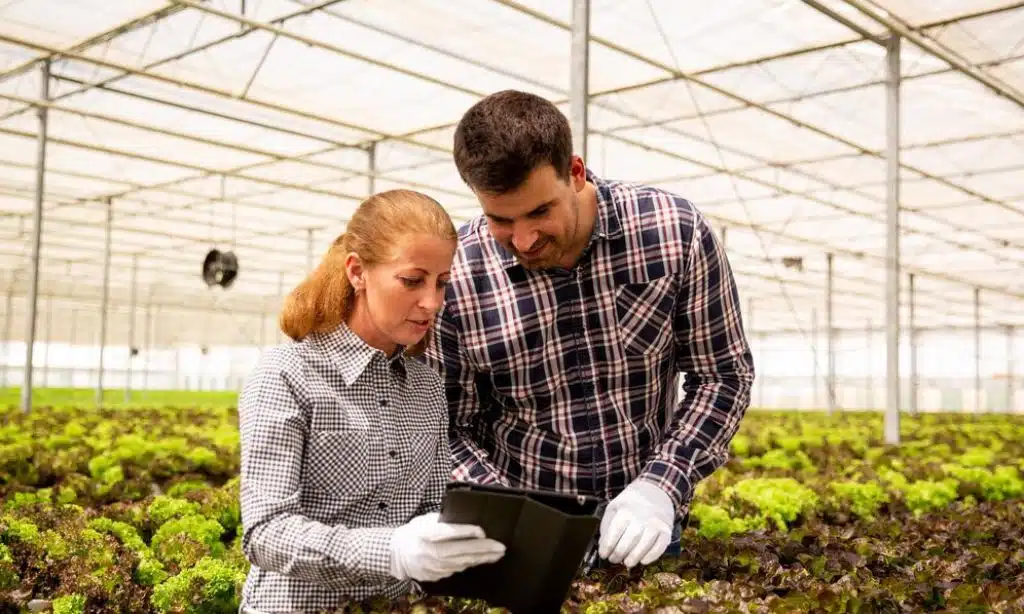
Sustainable farming practices not only benefit the environment but also improve the long-term viability of your farm. Techniques like crop rotation, cover cropping, and organic composting enhance soil fertility and reduce reliance on chemical inputs.
Sustainable methods also appeal to eco-conscious consumers, creating opportunities for premium pricing. Adopting renewable energy sources, such as solar panels, can further reduce operational costs and carbon footprints.
Why It’s Important
Sustainable farming ensures environmental health, lowers costs, and appeals to environmentally conscious consumers.
7. Invest in Quality Equipment and Infrastructure
Having the right tools and infrastructure is crucial for efficient farming. Invest in reliable tractors, irrigation systems, storage facilities, and fencing to support your operations.
While quality equipment may require a significant upfront cost, it reduces downtime and improves productivity. Maintenance and regular upgrades ensure that your equipment remains in top condition, further enhancing efficiency.
Why It’s Important
Quality equipment saves time, improves productivity, and reduces long-term costs associated with breakdowns or inefficiency.
8. Learn and Adapt to Regulations
Farming in the USA is governed by various federal, state, and local regulations, including those related to water usage, pesticide application, and animal welfare. Familiarize yourself with these regulations and ensure full compliance to avoid fines or legal issues.
Additionally, stay informed about tax incentives or subsidies for small farms, which can provide financial relief.
Why It’s Important
Compliance with regulations ensures smooth operations and protects your farm from legal complications.
9. Build a Strong Network
Networking with other farmers, agricultural experts, and local organizations can provide valuable insights and support. Join farming cooperatives or attend agricultural workshops to exchange knowledge and learn about best practices. Building relationships with suppliers, distributors, and customers also strengthens your farm’s position in the market.
Why It’s Important
A strong network offers mentorship, resources, and opportunities for collaboration, helping your farm grow efficiently.
10. Embrace Technology and Innovation
Modern farming technology can transform the way you operate, making tasks more efficient and productive. Tools like drone mapping, precision agriculture, and farm management software allow you to monitor crop health, optimize irrigation, and track yields.
Innovations in automation, such as robotic harvesters, can further reduce labor costs and increase output. Embracing technology gives small farms a competitive edge in today’s agricultural landscape.
Why It’s Important
Adopting technology improves efficiency, reduces labor, and enhances productivity, enabling small farms to compete with larger operations.
Takeaway
Starting a small farm in the USA requires careful planning, adaptability, and a commitment to learning.
By following these 10 best practices for starting a small farm, you can create a sustainable and profitable agricultural business. From choosing the right location to embracing modern technology, each step plays a crucial role in setting your farm up for success.
With the right strategies, dedication, and resources, your small farm can thrive in a competitive market while contributing to the local food system and economy.