

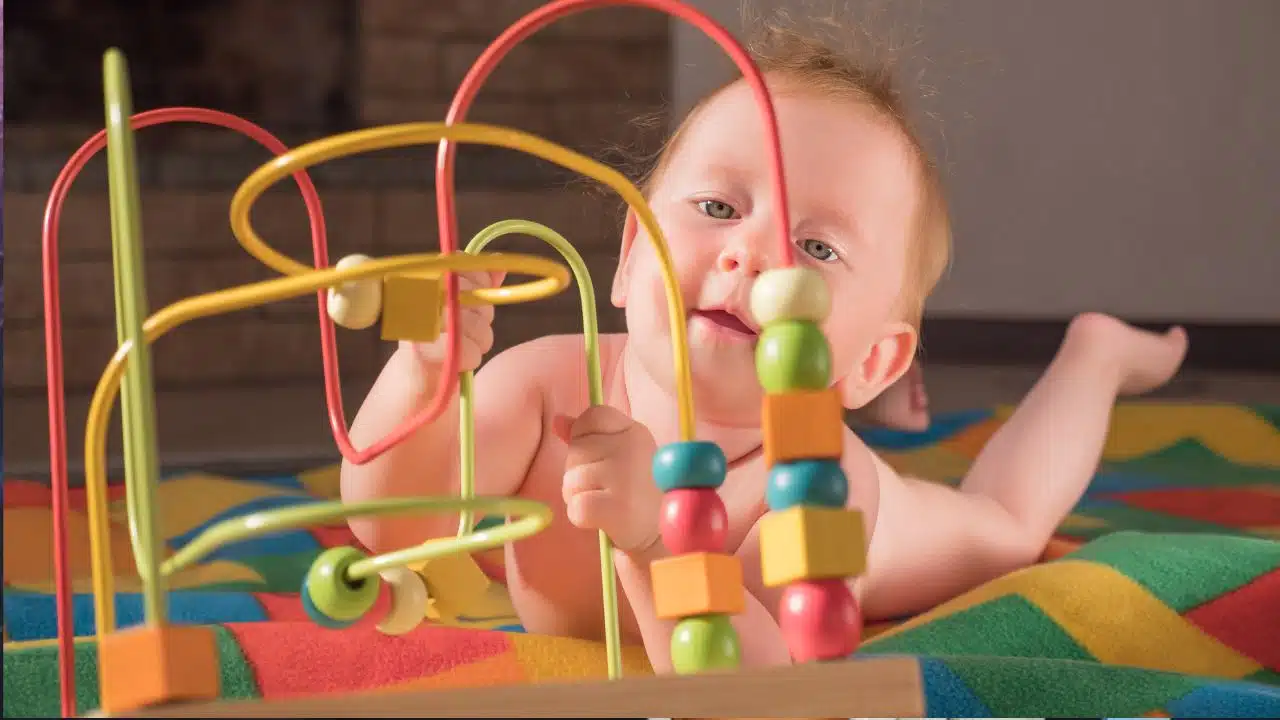
As parents, we celebrate every milestone in our children’s growth. From their first smile to their first steps, each moment is a sign of their healthy development. But sometimes, a child may show signs of delayed motor skills, which can make these milestones slower to achieve.
Motor skills involve the coordination of muscles to perform tasks like crawling, walking, or picking up objects. Delayed motor skill development can be concerning, but early recognition and intervention are key to helping your child reach their full potential. In this article, we’ll explore five signs of delayed motor skills development and what you can do to support your child.
Understanding Motor Skills Development
We can divide motor skills into two categories: gross motor skills and fine motor skills. Gross motor skills involve large muscle groups and include activities like crawling, walking, and jumping.
Fine motor skills involve smaller muscles, typically in the hands and fingers, and include tasks like holding a spoon or buttoning a shirt. Early motor skills development is an essential foundation for a child’s overall growth, impacting everything from playtime to social interactions.
Recognizing signs of delayed motor skills development early can lead to interventions that help your child thrive. Take action if you notice these five signs.
Sign #1: Delayed Crawling or Walking

What to Look For: Crawling and walking are major milestones for any child. Most babies begin crawling around 8–10 months and take their first steps between 12–15 months.
If your child has not started crawling or walking by these typical timeframes or seems to have difficulty with movement, this could be a sign of delayed motor skills development.
What to Do: It is important to give your child opportunities to explore their environment. Allow plenty of tummy time, which helps build the core and arm strength needed for crawling. Encouraging playtime on the floor with toys just out of reach can motivate movement.
If your child continues to show signs of delayed crawling or walking, consider consulting a pediatric physical therapist. They can assess your child’s abilities and guide you through exercises designed to improve muscle strength and coordination.
Sign #2: Difficulty with Grasping Objects
What to Look For: By 6 months, babies usually start to reach for and grasp toys. By 12 months, they often develop the pincer grasp, which allows them to pick up small objects between their thumb and forefinger.
If your child struggles to grab toys or manipulate small objects, it may indicate delayed fine motor skills development.
What to Do: Engage your child with activities that strengthen their hand muscles. Encourage them to play with soft blocks, rattles, or stacking rings.
Activities like finger painting or squeezing playdough can also promote hand strength and coordination. If the difficulties persist, a pediatric occupational therapist can provide tailored activities to help your child enhance their fine motor skills.
Sign #3: Poor Balance and Coordination
What to Look For: Balance and coordination are essential for walking, running, and even standing still. If your child frequently trips, has trouble standing without support, or struggles to maintain balance while sitting, these could be signs of delayed gross motor skills development.
What to Do: You can help improve your child’s balance and coordination with simple activities like playing on soft surfaces, walking along a balance beam (or even a line on the floor), and practicing standing on one foot.
Incorporating games like hopscotch or encouraging your child to dance to music can also make balance training fun. If balance issues are significantly affecting your child’s movement, consult your pediatrician or a physical therapist for guidance.
Sign #4: Difficulty with Hand-Eye Coordination
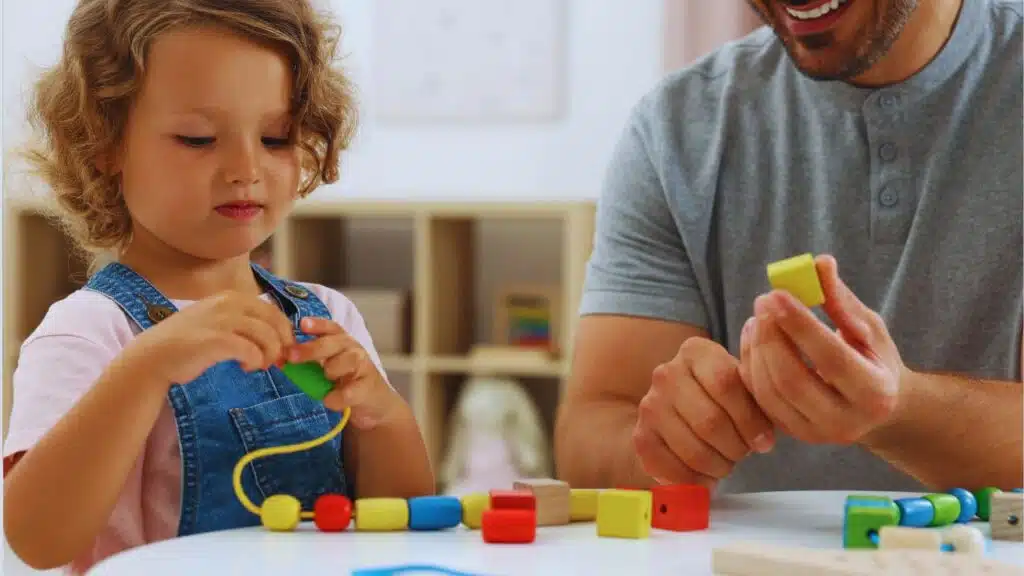
What to Look For: Hand-eye coordination is crucial for many everyday activities, like catching a ball or stacking blocks. If your child struggles with these tasks or shows frustration during activities that require precision, it may be a sign of delayed motor skills.
What to Do: Provide opportunities for your child to develop hand-eye coordination through age-appropriate games. Activities such as rolling a ball back and forth, stacking cups, or placing small items into a container can help improve their skills.
As they grow, you can introduce activities like puzzles or building blocks to further enhance their coordination. A pediatric occupational therapist can also offer exercises designed specifically for hand-eye coordination improvement if delays persist.
Sign #5: Avoiding Physical Activities
What to Look For: If your child avoids physical play or seems reluctant to engage in activities like climbing, running, or even playing on a playground, it could be a sign of motor skill challenges. This avoidance may stem from a lack of confidence or difficulty keeping up with peers.
What to Do: Encourage your child to engage in physical activities by making them enjoyable and stress-free. Start with simple activities like playing catch, blowing bubbles for them to chase, or spending time at the playground.
Celebrate their successes, no matter how small, to build their confidence. Seek advice from a pediatrician or physical therapist if your child persists in avoiding physical activities to identify any underlying issues.
When to Seek Professional Help?
While every child develops at their own pace, there are times when it is best to seek professional help. If your child consistently shows delays in reaching major milestones or has difficulty with daily activities that require motor skills, consult your pediatrician. They may refer you to a pediatric physical therapist or occupational therapist who can assess your child’s needs and create an intervention plan.
Table: Typical Motor Skill Milestones and When to Be Concerned
| Motor Skill | Typical Age Achieved | When to Be Concerned |
|---|---|---|
| Rolling Over | 4-6 months | Not rolling over by 7-8 months |
| Sitting Without Support | 6-8 months | Not sitting independently by 10 months |
| Crawling | 8-10 months | Not crawling by 12 months |
| Walking | 12-15 months | Not walking by 18 months |
| Grasping Small Objects | 9-12 months | Difficulty grasping by 15 months |
Conclusion
Motor skills are an essential part of your child’s development, affecting their ability to explore, learn, and interact with the world around them. While delays in motor skills development can be concerning, early identification and intervention can make a significant difference.
By providing opportunities for practice, encouraging play, and seeking professional help when needed, you can support your child’s journey toward reaching their developmental milestones.
Remember, every child is unique, and some may develop certain skills a little later than others. The most important thing is to be observant, patient, and proactive in seeking help if you notice any signs of delay. With your support, your child can gain the skills they need to thrive.





















