
You wake up. Your alarm goes off, and you feel nothing but dread. Your job once brought you joy, but now it just makes your stomach hurt. You drag yourself through each day, feeling completely empty inside. I want you to know that you are not alone in this. Millions of people experience this exact feeling every single year. We call it burnout.
Your journey to understanding burnout starts with learning what drains you, spotting the warning signs early, and finding your way back to feeling like yourself again. The American Psychological Association’s 2024 Work in America Survey found that 76% of U.S. workers report experiencing burnout at work. This exhaustion goes way beyond a bad day at work or feeling a bit tired.
It creeps into your life slowly. It steals your motivation, your energy, and sometimes even your will to get out of bed. I am going to walk you through the causes that drain you, the symptoms that show up in your body, and the real recovery strategies that actually work.
Understanding Burnout: Causes, Symptoms, And Recovery
Burnout happens when you run on empty for too long. You drain your physical and mental fuel faster than you can refill it. It goes beyond a bad day at work or feeling tired. It is a state where exhaustion takes over your whole life and leaves you running on fumes.
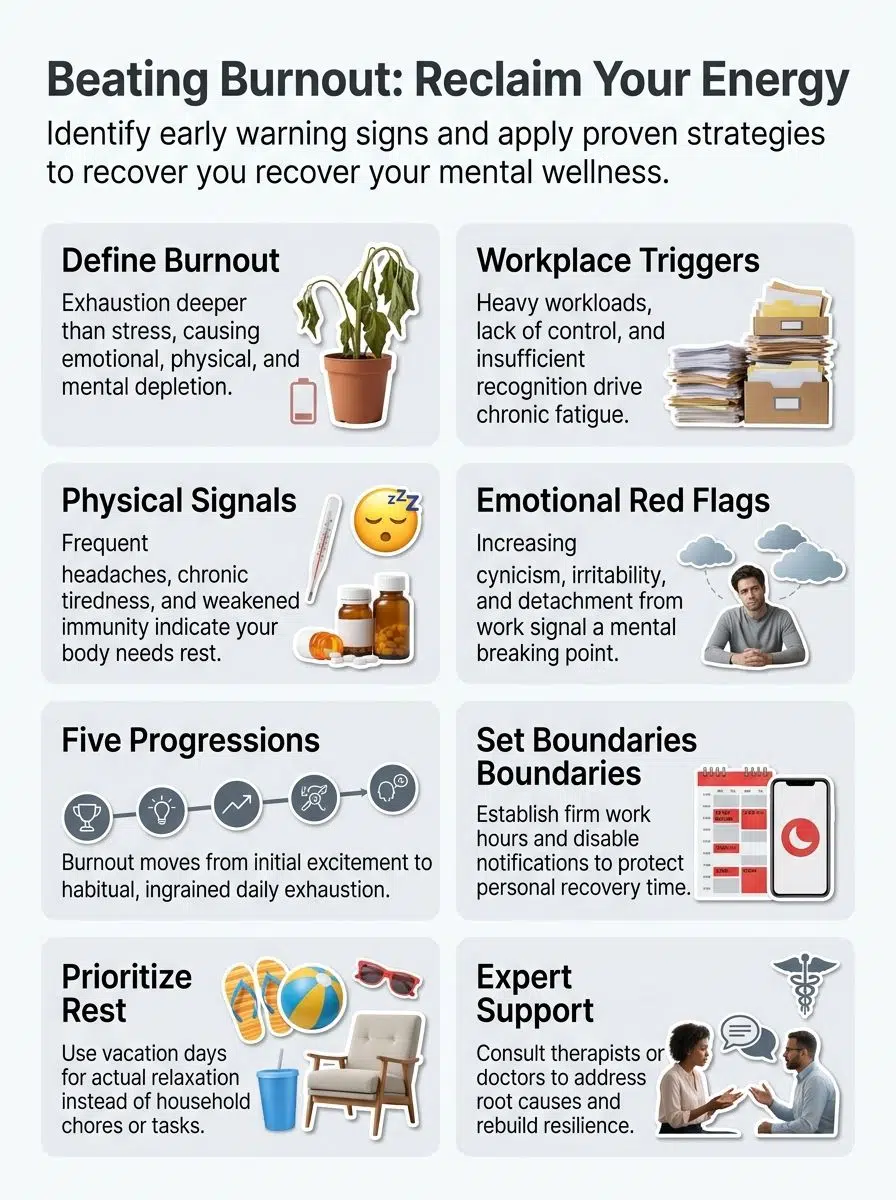
Definition of burnout
In 2019, the World Health Organization (WHO) officially classified burnout in the ICD-11 as an occupational phenomenon. They define it clearly as a syndrome resulting from chronic workplace stress that has not been successfully managed.
Exhaustion takes over your mind and body when work, stress, or caregiving demands drain you completely. You feel empty, cynical, and unable to perform at your best. Your motivation disappears completely. Your energy drops, and you struggle to find meaning in tasks you once enjoyed. This is a deeper condition that affects your mental health and overall wellness.
Difference between burnout and stress
Stress and burnout might seem like the same thing, but they operate in very different ways. I want to break down how they differ so you can spot exactly which one you are facing.
Stress acts like your body’s alarm system going off. Burnout is what happens when that alarm never stops ringing, and you eventually stop hearing it altogether.
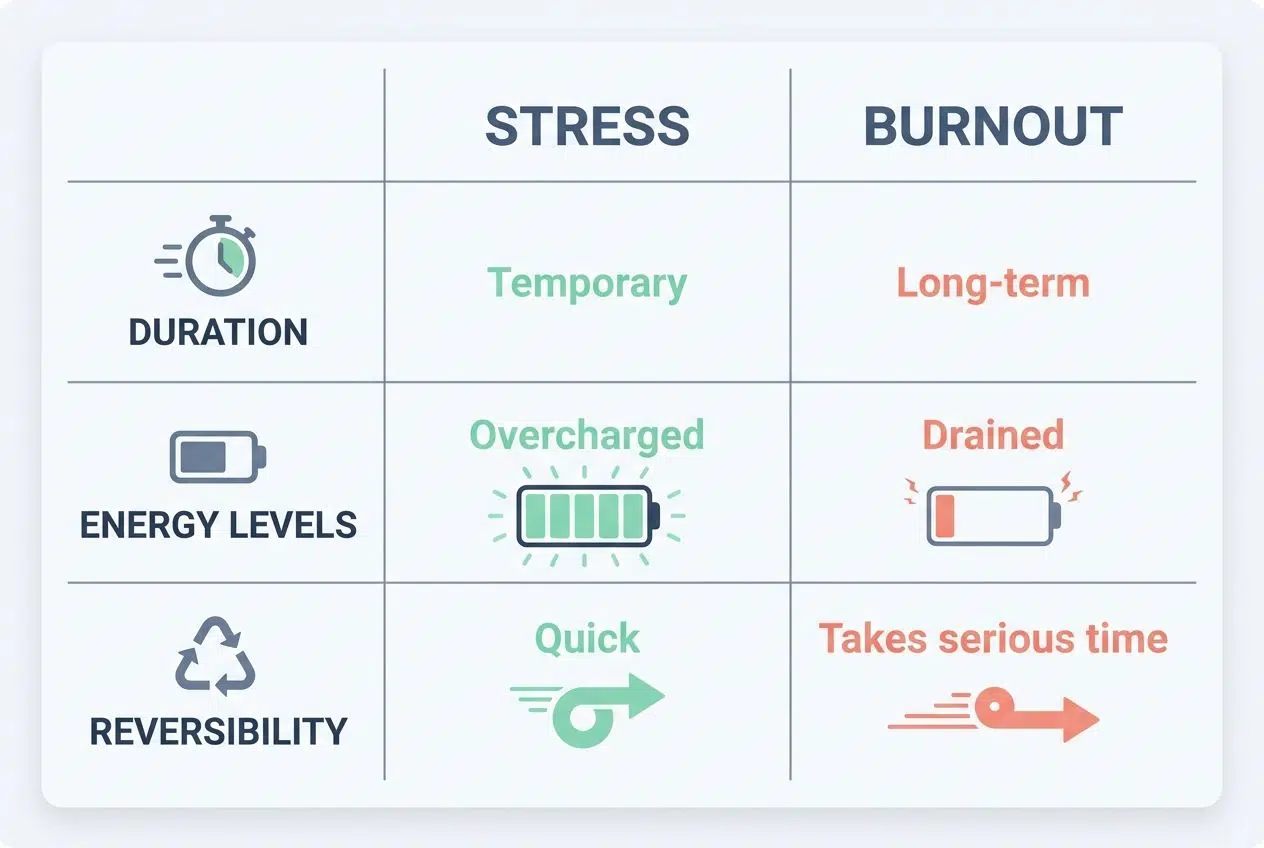
| Aspect | Stress | Burnout |
|---|---|---|
| Definition | Your body reacts to external demands or pressures. A specific trigger sets you off. | You experience emotional and physical exhaustion from chronic stress. It happens when stress goes unchecked. |
| Duration | Stress is temporary. It comes and goes based on your circumstances. | Burnout is long-term. It builds over weeks or years of unmanaged pressure. |
| Energy Levels | You feel overcharged. Your adrenaline spikes, and you prepare to act. | You feel completely drained. Even deep rest does not restore your energy. |
| Reversibility | Stress fades once you remove the stressor. You bounce back quickly. | Burnout takes serious time to overcome. Rest alone will not fix it. |
| Impact on Performance | Stress can actually boost your performance in the short term. You push harder to meet a goal. | Burnout destroys your performance. You struggle to accomplish even basic tasks. |
| Emotional State | You feel anxious or worried. Your emotions run high, but stay manageable. | You feel cynical, detached, and hopeless. Your emotions become entirely numb. |
Both demand your attention, but they require different solutions. Recognizing which one you are experiencing helps you take the right steps forward.
Common Causes of Burnout
Burnout creeps up on you when work demands, life pressures, and personal habits collide. Your job, your lifestyle choices, and even your personality type all play a massive role in pushing you toward exhaustion.
Your job can drain your energy faster than you might expect. According to 2025 data from Wellhub, toxic workplace behavior is the biggest single predictor of burnout.
In fact, employees in toxic climates are eight times more likely to burn out. Here are the most common workplace culprits:
- Toxic workplace culture: Gossip spreads, conflicts go unresolved, and negativity fills the air. This hostility drains your emotional well-being daily.
- Excessive workload: You face mountains of tasks and tight deadlines. Research from Stanford University demonstrates that productivity per hour declines sharply when your workweek exceeds 50 hours.
- Lack of control: You follow orders without having a say in how things get done. This powerlessness feeds frustration and strips away your motivation.
- Insufficient recognition: Your boss overlooks your hard work and skips praise. You start questioning whether your efforts even matter to anyone.
- Poor work-life balance: Your job bleeds into evenings and weekends without stopping. You never truly disconnect, so your body never gets real rest.
Life outside work plays a huge role in whether you burn out or stay resilient. Poor lifestyle choices pile up like dishes in the sink.
- Sleep deprivation: Exhausting your physical reserves leaves you unable to handle daily stress. Your body cannot repair itself, and your emotional well-being suffers tremendously.
- Lack of physical activity: Exercise releases chemicals that boost your mood and reduce stress. Sitting all day amplifies your daily fatigue.
- Social isolation: Humans need connection. Cutting yourself off from support systems removes the exact tools you need to cope with stress.
- Overcommitment: Saying yes to every family and friend request spreads you too thin. This leaves absolutely no room for self-care or recovery.
- Constant screen time: Blue light keeps your brain active when it needs to shut down. This disrupts sleep quality and prevents mental rest.
Personality traits that contribute to burnout
Certain personality traits make some people more prone to exhaustion than others. Your natural tendencies can either protect you or put you at severe risk.
- Perfectionism: Perfectionists set impossibly high standards for themselves. They push harder and harder until they crash from fatigue.
- High achievers: These individuals tie their self-worth directly to their productivity. They take on too much work and refuse to delegate.
- People-pleasers: Having difficulty saying no means you overcommit yourself repeatedly. You sacrifice your own wellness to keep everyone else happy.
- Control-oriented: Needing to micromanage everything drains your energy. This anxiety prevents you from delegating tasks to capable peers.
- Highly sensitive people: Sensitive individuals absorb stress from their environment intensely. Workplace conflict and pressure affect them more severely.
Signs and Symptoms of Burnout
Burnout shows up in your body, mind, and actions in ways you simply cannot ignore. Your exhaustion runs deep, your emotions feel flat, and your habits shift.
Physical symptoms
Your body sends clear signals when exhaustion takes over. These physical signs often appear before you even realize burnout is creeping in.
- Chronic tiredness: You feel drained, no matter how much sleep you get. Morning coffee barely helps, and afternoon crashes become your new normal.
- Sleep problems: Insomnia leaves you tossing and turning all night. Your mind races with work thoughts even when your head hits the pillow.
- Headaches and tension: Stress tightens your neck and shoulder muscles constantly. These tension headaches disrupt your daily life and focus.
- Weakened immune system: You catch colds and the flu much more easily than before. Recovery takes much longer than it should.
- Digestive issues: Stress affects your stomach, causing nausea or irregular bowel movements. Your appetite swings from eating nothing to overeating unhealthy foods.
Emotional symptoms
Burnout hits your emotions hard, leaving you feeling drained and disconnected. These signs sneak up on you and make daily life feel completely overwhelming.
- Cynicism: You start viewing work and relationships with negativity. This detachment replaces your usual optimism.
- Emotional exhaustion: You feel completely drained of all empathy. It feels like you have nothing left to give mentally or emotionally.
- Anxiety: A constant sense of worry builds up inside you. You stress constantly about performance, deadlines, or daily tasks.
- Irritability: You snap at colleagues, friends, or family members over minor issues. Things that normally would not bother you suddenly feel enraging.
- Low self-esteem: You question your abilities and competence. You feel like a failure in areas where you once felt totally confident.
Behavioral symptoms
Burnout changes how you act and behave every single day. The data proves it. According to Gallup workplace analytics in 2025, burned-out employees are 63% more likely to take a sick day. They are also 2.6 times more likely to actively seek a different job.
- Procrastination: You delay tasks and avoid work responsibilities constantly. Papers and emails just pile up on your desk.
- Withdrawal: You isolate yourself from friends and colleagues. You avoid the people who once made you smile and feel supported.
- Decreased work quality: You make careless mistakes regularly. Your attention to detail fades away completely.
- Substance use: You turn to alcohol or excessive caffeine to cope with stress. These habits mask the exhaustion temporarily.
- Skipping exercise: Physical activity disappears from your routine. Motivation vanishes, and fatigue takes total control of your evenings.
Stages of Burnout
Burnout does not happen overnight. It builds through five distinct stages that you will want to understand so you can catch it early.
Overview of the five stages of burnout
Exhaustion creeps up on you slowly, like a leak in a boat that you do not notice until water fills the cabin. Understanding the five stages of burnout helps you spot the warning signs.
- The Honeymoon Phase: You feel excited about your work or responsibilities. Your motivation runs high, and stress levels stay completely manageable.
- The Onset of Stress: Cracks start appearing in your foundation. You notice fatigue setting in after long days, and tasks drain you faster.
- Chronic Stress: Exhaustion becomes your new normal. Physical symptoms emerge, and cynicism replaces your earlier optimism.
- Full-Blown Burnout: Your mental health suffers real damage. Depression symptoms may appear, and your performance drops noticeably.
- Habitual Burnout: Exhaustion becomes ingrained in your daily existence. You adapt to feeling terrible, which makes the situation incredibly dangerous.
Types of Burnout
Burnout shows up differently depending on your life situation. Each type demands its own specific recovery plan.
Occupational burnout
Occupational burnout hits hardest when your job drains every ounce of your energy. This type of exhaustion stems from work environments that demand too much and offer too little support.
Long hours, impossible deadlines, lack of recognition, and minimal control fuel this fire. A 2025 Wellhub report highlights that healthcare workers face a massive 59% burnout rate. Teachers face roughly twice the rate of frequent burnout compared to similar working adults.
Your motivation evaporates, your performance tanks, and you dread Monday mornings before Sunday even ends. The stress compounds day after day, turning your workplace into a source of constant overwhelm.
Recovery requires honest acknowledgment that something needs to shift. You might need to set firmer boundaries or make bigger career changes that prioritize your wellness over grinding yourself down.
Caregiver burnout
Caregivers face a special kind of exhaustion that differs from typical work stress. They pour their energy into caring for sick family members, elderly parents, or children with special needs.
The numbers here are truly staggering. A 2025 report by AARP and the National Alliance for Caregiving found that 53 million Americans serve as unpaid caregivers. Of those individuals, 40% report experiencing symptoms of burnout.
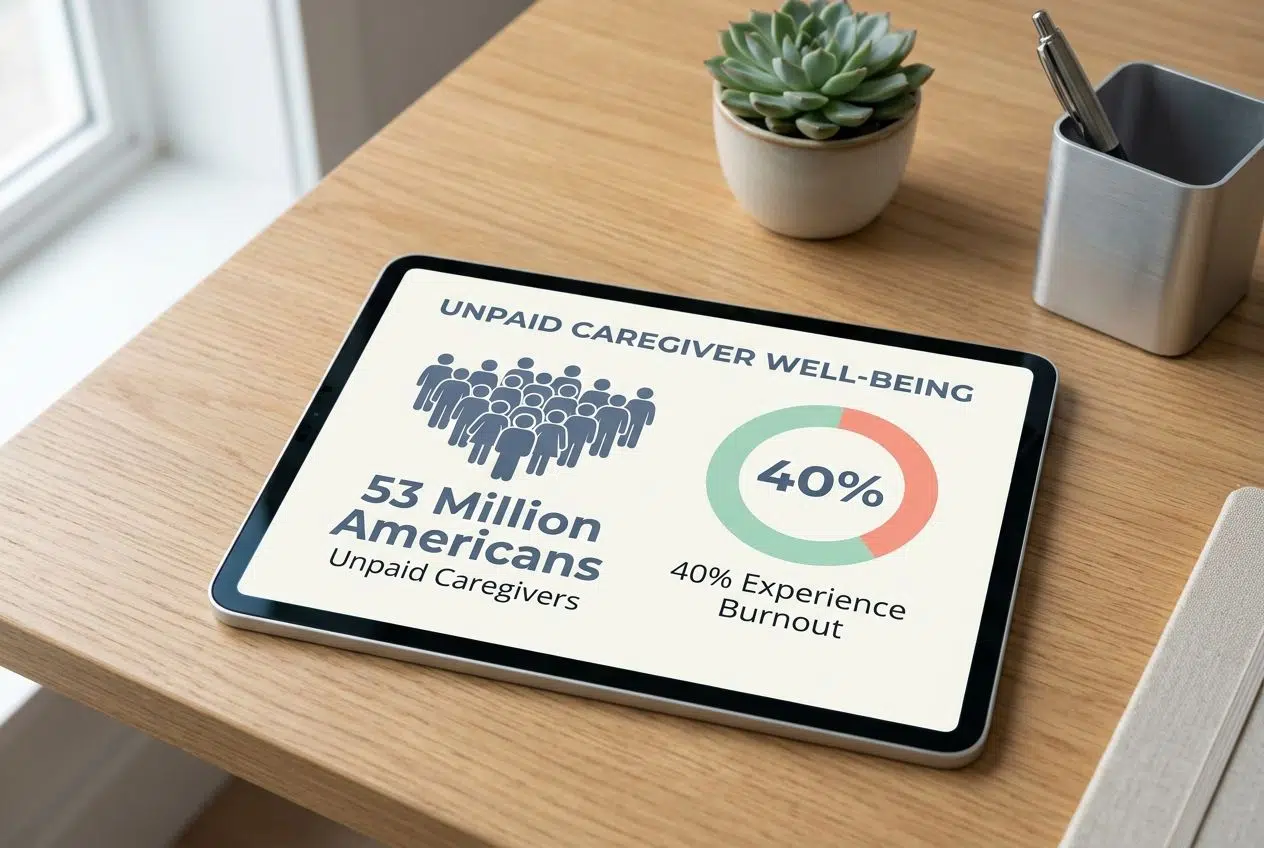
Caregiving is a massive, largely unpaid economic system that runs on personal time, emotional bandwidth, missed work, and out-of-pocket spending.
These caregivers frequently ignore their own mental health needs because they prioritize their loved ones first. This sacrifice drains their emotional well-being and leaves them running on fumes.
Caregivers need strict boundaries around caregiving hours. They must ask for help from family or utilize respite services to get real breaks.
Academic burnout
Students face intense pressure from coursework, exams, and high expectations. This pressure builds into academic burnout, a state where students feel completely drained.
Heavy workloads, perfectionism, and constant competition push students to a breaking point. Many ignore the warning signs until they hit a wall, and getting out of bed feels completely impossible. Their motivation disappears, replaced by a sense of hopelessness about their studies. Grades drop, sleep suffers, and anxiety spikes dramatically.
The path forward involves learning to set boundaries around study time and seeking help from campus counselors. Students must rebuild a sense of balance in their daily routines.
Recovery and Coping Strategies
You can turn your burnout around by taking real, immediate action. These strategies will show you exactly how to start feeling better today.
Acknowledge and address burnout
Taking the first step to acknowledge that exhaustion has taken over is hard. It is absolutely necessary for your recovery, though.
- Face the reality: Stop pushing through the fatigue that weighs you down daily. Denial only makes the problem worse and keeps you stuck in a cycle of overwhelm.
- Track your time: Use an app like Timeular to log exactly where your hours go. Seeing the data helps you identify which specific tasks are draining you the most.
- Talk to someone: Share your struggles with a friend or colleague. Speaking about it lightens the emotional load you carry alone.
- Identify the source: Figure out if work, caregiving, or school causes the most stress. Pinpointing the source helps you address the root cause directly.
- Consult a professional: Schedule a conversation with your doctor or therapist. They can rule out physical health issues and provide targeted coping strategies.
Set boundaries and prioritize rest
Setting firm boundaries keeps exhaustion from taking over your life. Rest becomes your secret weapon against the mental health toll of stress.
- Say no to extra projects: Protect your finite energy without guilt. Pleasing everyone around you is not worth your emotional well-being.
- Clock out on time: Leave work at work. Stick to your specific end time like your wellness depends on it, because it actually does.
- Turn off notifications: Silence your phone after hours so it stops demanding your attention. This gives your mind the recovery time it desperately needs.
- Schedule rest days: Put downtime on your calendar just like an important meeting. Treating rest as non-negotiable makes it harder to skip.
- Protect your lunch break: Eat away from your desk or step outside for fresh air. These small pockets of time provide meaningful recovery throughout your day.
Reevaluate priorities and seek balance
Burnout leaves you running on empty. You need to step back and figure out what truly matters in your life right now.
- Audit your activities: List everything you do each day. Many people discover they spend hours on low-priority tasks that provide zero value.
- Align with core values: Ask yourself if each task moves you closer to your long-term goals. Focus on work that feeds your soul and supports your wellness.
- Cut draining commitments: Drop activities that consume energy without offering any real benefit. Freeing up just one hour gives you more time for rest.
- Rank your responsibilities: Place your mental health and physical wellness at the very top of your list. Exhaustion decreases when you focus on what genuinely matters.
- Schedule recharging activities: Dedicate blocks of time for hobbies, exercise, or loved ones. Your calendar reflects your priorities, so give wellness real estate there.
Seek professional support when needed
Talking to a therapist or counselor can change your life when exhaustion takes over completely. Mental health professionals help you spot the real causes of your burnout and teach you coping strategies that actually work.
They offer tools to manage stress, rebuild your motivation, and find emotional well-being again. A therapist listens without judgment, gives you space to express what you feel, and guides you toward true recovery.
Sometimes fatigue hides deeper health issues that need medical attention. If you struggle to sleep, feel constantly overwhelmed, or notice depression creeping in, you should reach out to a healthcare provider.
Support groups connect you with others facing similar challenges. Taking this step shows immense strength, and it means you care enough about your well-being to get real help.
Preventing Burnout in the Future
You can stop burnout before it starts by making smart choices about your time and energy today. Building strong habits protects your mental health tomorrow.
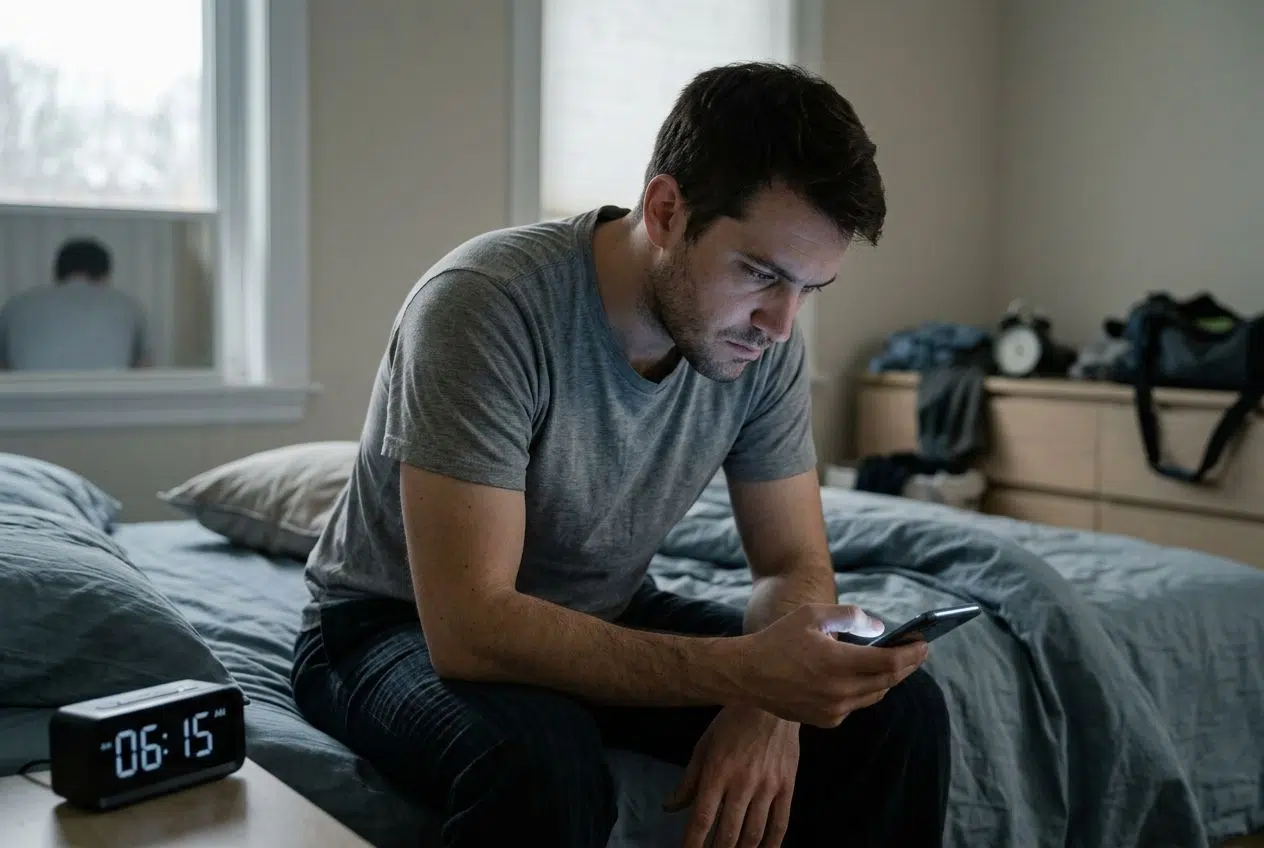
Establish work-life balance
Creating a clear separation between your job and personal life takes intentional effort. The payoff proves worth every single ounce of energy you invest.
- Set firm work hours: Stick to your schedule no matter what pressure comes your way. Your brain needs time away from work tasks to properly recharge.
- Create a physical workspace: Close the door to your home office when the day ends. This physical boundary signals to your mind that the workday is truly over.
- Take your full vacation: Do not let your paid time off pile up unused. Time away from responsibilities gives your body the rest it desperately needs.
- Communicate availability: Let coworkers know exactly when you are offline. People respect limits much more when they know where those limits stand.
- Engage in hobbies: Pursue activities outside work that bring you genuine joy. This reminds you that life exists far beyond your job title.
Build a support system
You cannot balance work and personal life entirely on your own. A strong support system acts as your safety net when stress becomes overwhelming.
- Talk to trusted friends: Share your feelings openly because isolation makes burnout significantly worse. Let people know when you just need someone to listen.
- Join communities: Find groups with people who face similar challenges. Shared experiences reduce the feeling of being completely alone in your struggles.
- Find a mentor: Connect with someone who has recovered from burnout themselves. Their perspective gives you a real, actionable roadmap to follow.
- Work with a therapist: Seek professional support tailored to your specific situation. This provides powerful tools for managing your emotional well-being.
- Communicate clearly: Tell your support system exactly how they can help you. Specific requests get real results, while vague hints leave others guessing.
Practice self-care regularly
Self-care is a total necessity for fighting burnout. Making it a regular habit builds your resilience against overwhelming stress.
- Try meditation apps: Use tools like Headspace or Calm. Studies provided by Headspace show that just 30 days of use can reduce stress by 32%.
- Use anxiety tools: If you feel a panic attack coming, try the app Rootd. It features a physical Rootr panic button that provides immediate grounding exercises.
- Prioritize sleep: Get seven to nine hours of quality rest every night. Good sleep sharpens your ability to handle daily challenges without feeling totally drained.
- Eat nutritious meals: Fuel your body with plenty of vegetables, proteins, and whole grains. This maintains steady energy levels throughout your entire day.
- Limit late screen time: Put your phone away after 8 PM. Allowing your brain to wind down naturally prepares you for much better sleep.
Burnout does not sneak up on you overnight. It creeps in slowly like fog rolling across a valley. You might not notice it at first, but one day you wake up and realize your tank runs completely empty. The good news is that you hold the power to turn this ship around right now.
Final Thoughts
Focusing on understanding burnout is the very first step toward real change. Setting firm boundaries and practicing wellness habits creates a safety net beneath you. Your mental health deserves the exact same attention you give to your job and your family. Start small, start today, and start with one action that feels manageable.
Life throws curveballs, and stress will always exist in some form. What matters most is how you respond when fatigue weighs heavily on your shoulders. Invest in coping strategies that actually work for you. Talk to friends, seek professional help, and rest without feeling guilty.
Your emotional well-being is essential. Building resilience takes time, but each small choice you make today shapes a much healthier tomorrow. You have got this, and you absolutely do not have to do it alone.
Frequently Asked Questions (FAQs) on Understanding Burnout
1. What causes burnout in daily life?
Burnout sneaks up when stress piles high, and rest gets pushed aside. A 2023 Gallup study found that 76% of US workers experience burnout, most often from unmanageable workloads, unclear expectations, and a lack of support from managers.
2. How do I spot symptoms of burnout?
You might feel exhausted even after sleeping, find simple tasks overwhelming, or lose interest in things you once enjoyed. The World Health Organization officially recognized burnout in 2019 as an occupational phenomenon marked by three key symptoms: exhaustion, cynicism toward one’s job, and reduced productivity.
3. Can recovery from burnout really happen?
Yes, bouncing back is absolutely possible! Research shows that with proper support like therapy, boundary-setting, and genuine rest, most people see significant improvement within three to six months. Taking real breaks, talking with someone who listens without judgment, and asking for help at home or work can make a world of difference.
4. Are there ways to prevent burnout before it starts?
Studies show that taking short breaks every 90 minutes and setting clear limits on your workload can significantly reduce your burnout risk.