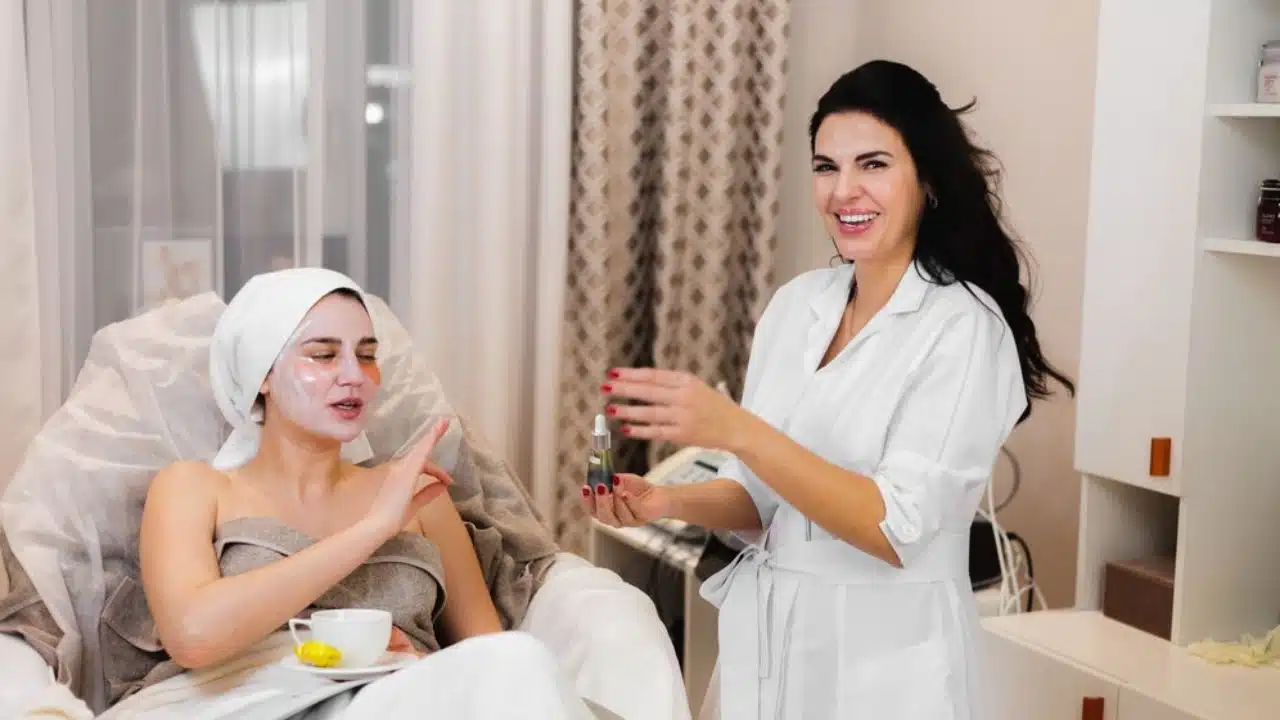
Once the reserve of lavish spa days and high-end beauty salons, the humble Facial has undergone a quiet revolution. No longer seen as a luxury for the rich or a special pre-wedding treat, it has found a new place in the world of everyday skincare. What was once a pampering indulgence is now widely considered an essential step in the quest for healthy, glowing skin.
But this evolution hasn’t happened overnight. Over the past few years, facials have been transformed by advances in technology, the rise of social media, and an ever-increasing awareness of skincare science. Whether you’re a regular at your local dermatologist’s office or someone who watches skincare videos on Instagram from the comfort of your couch, it’s hard to ignore the facial’s newfound relevance in modern beauty routines.
Skincare Goes Mainstream
The shift in how we view facials is part of a larger cultural trend towards more proactive skincare. Gone are the days when a simple wash and moisturise routine would suffice. Today, people are investing time, money, and serious research into caring for their skin. Skincare, it seems, has become a hobby—and facials are at the heart of it.
Part of the reason for this shift is that facials have become more accessible. While they once required a trip to an upscale spa, you can now find facial treatments at a variety of price points, offered everywhere from local beauty parlours to clinical dermatology offices. What’s more, many beauty brands have released at-home facial tools, making it easier than ever to bring a little bit of that spa experience into your daily life.
But facials are no longer just about feeling pampered. Increasingly, they’re seen as a vital step in achieving and maintaining healthy skin. Regular treatments can address everything from stubborn breakouts to early signs of ageing, with dermatologists and aestheticians alike touting facials as an integral part of any serious skincare regimen.
The Science Behind the Treatment
At its core, a facial is a multi-step skin treatment designed to clean, exfoliate, and nourish the skin. This sounds simple enough, but facials today are anything but basic. Advancements in technology have allowed for treatments that not only improve the appearance of your skin but also target issues at a deeper level, encouraging skin regeneration and health.
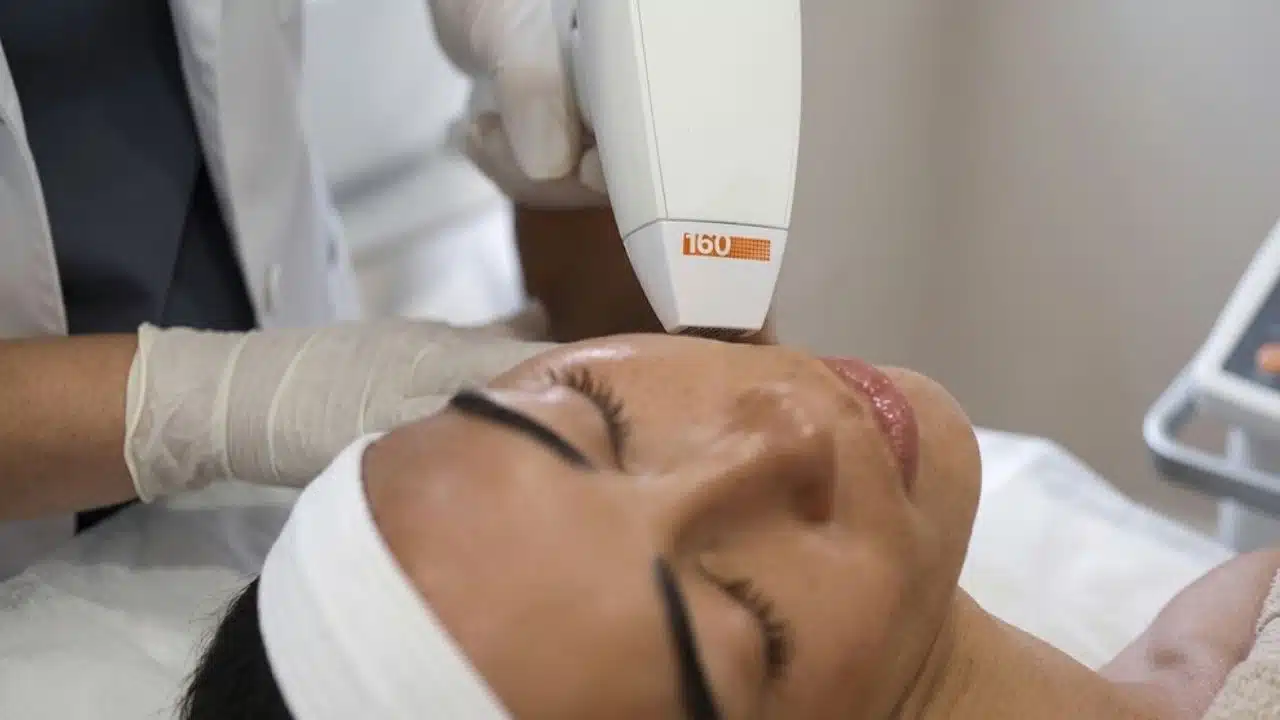
One of the most popular innovations in facials is the 3D HydrO2 Facial. This treatment combines cleansing, exfoliation, extraction, and hydration, all in one session. It uses a specialised device to remove dead skin cells and impurities while infusing the skin with serums that hydrate and protect. The result? A glowing, refreshed complexion that looks like you’ve had a great night’s sleep and drank two litres of water (even if you haven’t).
Then there’s LED light therapy, another high-tech addition to many modern facials. This technique uses different wavelengths of light to target specific skin issues. Blue light helps combat acne by killing bacteria, while red light stimulates collagen production, reducing the appearance of fine lines and wrinkles. These treatments, once confined to the realm of science fiction, are now widely available and have proven results.
Chemical peels, microdermabrasion, and microcurrent treatments have also become common. These options aren’t just about aesthetics—many are designed to treat deeper skin conditions like scarring, hyperpigmentation, and rosacea. In short, the modern facial is no longer just about surface-level beauty but improving skin health at a cellular level.
From Instagram to Your Skincare Routine
Social media has played an undeniable role in the rise of the facial. Instagram, in particular, has fuelled an obsession with glowing, flawless skin, and facials have become a must-have experience among influencers and their followers. #SkincareRoutines are one of the most popular forms of content on platforms like TikTok and Instagram, and facials often feature as a key part of these routines.
The appeal is obvious—there’s something deeply satisfying about watching a skincare transformation in real time, whether it’s through a relaxing extraction process or a deep-cleansing facial. The beauty of social media is that it has turned facials from something mysterious and exclusive into something aspirational, yet attainable. Skinfluencers offer a behind-the-scenes look at treatments, demystifying the process and making it feel accessible to everyone.
But beyond the online aesthetics, social media has fostered a broader conversation about skin health and self-care. Many influencers promote facials not just as a means to perfect skin, but as an important step in maintaining overall wellbeing. After all, skincare is self-care—and taking an hour out of your busy schedule for a facial can feel like a small but significant act of kindness towards yourself.
Customised Care for Every Skin Type
One of the key developments in the facial world is the increasing move towards personalisation. Skincare isn’t a one-size-fits-all affair, and neither are facials. Today, a good aesthetician will take time to assess your skin’s unique needs before tailoring the treatment to address specific concerns, whether that’s acne, dehydration, or fine lines.
Gone are the days when every facial followed the same formula. Now, many treatments begin with a skin consultation, where the aesthetician will ask about your lifestyle, diet, and skincare habits before designing a facial that’s perfectly suited to your skin’s current state. This shift towards customisation reflects a broader change in the beauty industry, where consumers are increasingly demanding products and treatments that cater to their individual needs.
For those dealing with sensitive skin or specific conditions like eczema or rosacea, this tailored approach is a game-changer. Facials can be adjusted to avoid irritating ingredients, instead using products designed to calm and nourish. Similarly, people with acne-prone skin can benefit from facials that focus on deep cleansing and extraction, while those looking to reduce the signs of ageing can opt for treatments that boost collagen production and smooth fine lines.
A Global Approach to Skincare
Skincare trends have always been influenced by global beauty traditions, and facials are no exception. The rise of K-beauty (Korean beauty) has had a major impact on facial treatments, with many now adopting the multi-step approach favoured in South Korea. Korean facials often involve a series of hydrating treatments, designed to leave the skin plump and glowing, with a focus on long-term health rather than quick fixes.
Meanwhile, in Europe, facials often emphasise natural ingredients and minimalist routines. Brands like Biologique Recherche, which hail from France, are renowned for their highly customised facials that use botanical extracts and advanced formulations to nourish the skin without overwhelming it. These treatments tend to focus on exfoliation and hydration, helping to promote skin renewal while maintaining its natural balance.
Facials inspired by Ayurvedic traditions from India are also on the rise. These treatments use natural ingredients like turmeric, neem, and sandalwood to detoxify the skin, combined with massage techniques designed to promote relaxation and stimulate circulation. The emphasis here is on holistic care, recognising that healthy skin is closely linked to overall wellness.
At-Home Facials: Skincare for the DIY Generation
Not everyone has the time—or the money—to regularly visit a spa for professional facials, but that hasn’t stopped the rise of the at-home facial. With the explosion of skincare tools and products available on the market, it’s now easier than ever to recreate some of the benefits of a professional facial in your own bathroom.
From jade rollers and gua sha stones to more high-tech devices like LED masks and microcurrent machines, there’s no shortage of gadgets designed to help you maintain healthy skin at home. While these tools might not deliver the same results as a trained aesthetician, they offer a more affordable and convenient way to incorporate facial treatments into your routine.
Brands have also been quick to jump on the trend, releasing facial kits that promise spa-like results without the need to leave the house. These often include exfoliators, masks, and serums, allowing you to indulge in a mini facial whenever you feel like your skin needs a little extra attention.
Facials and the Future of Skincare
As facials continue to evolve, it’s clear that they are here to stay. With the growing demand for treatments that combine luxury with science, the facial has cemented its place as a staple of modern skincare routines. But it’s not just about achieving perfect skin—facials are increasingly seen as a form of self-care, a way to carve out time for yourself in a world that often feels overwhelming.
Looking ahead, the future of facials seems likely to be shaped by two key trends: sustainability and inclusivity. As consumers become more eco-conscious, we’re seeing a shift towards facials that use organic ingredients, minimal packaging, and energy-efficient tools. At the same time, there’s a growing recognition that skincare isn’t just for one skin type, with facials being tailored to meet the needs of a more diverse audience.
What’s certain is that facials are no longer the luxury they once were. In today’s world, they’ve become a vital part of self-care, offering a moment of calm amid the chaos—and a welcome boost to your skin’s health. Whether you’re treating yourself to a high-tech clinical treatment or indulging in an at-home spa session, the facial has become something far more than a fleeting indulgence. It’s a skincare essential.