Parenthood is a journey filled with love, laughter, and countless learning opportunities. As you embark on this new chapter, remember that there’s no one-size-fits-all approach to parenting. Every child is unique, and what works for one family may not work for another. However, these tried-and-true tips can provide a solid foundation for new moms and dads as they navigate the early years of parenthood.
Parenting Tips for New Moms and Dads

Becoming a parent is one of life’s most rewarding experiences, but it can also be overwhelming. Whether you’re expecting your first child or have recently welcomed a new addition to your family, these 50 essential parenting tips will help guide you through the joys and challenges of raising a child.
- Prioritize self-care: Taking care of yourself is crucial for being able to care for your child effectively. Make time for rest, exercise, and activities you enjoy.
- Establish a Support Network: Don’t hesitate to ask for help from family, friends, or support groups. Having a network of people you can rely on can make a world of difference.
- Trust Your Instincts: While advice from others can be helpful, trust your own parental instincts. You know your baby best, and your intuition is often right.
- Practice Safe Sleep Habits: Follow safe sleep guidelines to reduce the risk of SIDS. Always place your baby on their back to sleep and keep the crib free of loose bedding.
- Embrace Skin-to-Skin Contact: Skin-to-skin contact has numerous benefits for both parent and baby. It can help regulate the baby’s body temperature and promote bonding.
- Learn Baby’s Cues: Pay attention to your baby’s cues for hunger, tiredness, or discomfort. Understanding these signals can help you respond to your baby’s needs more effectively.
- Establish a Routine: While flexibility is important, having a basic routine can provide structure and predictability for your baby. This can include regular feeding times and nap schedules.
- Practice Safe Bathing: Always supervise your baby during bath time and never leave them unattended. Keep one hand on your baby at all times and ensure the water temperature is comfortable.
- Encourage Tummy Time: Supervised tummy time is essential for your baby’s development. It helps strengthen neck, shoulder, and arm muscles, and prevents flat spots on the head.
- Read to Your Baby: Start reading to your baby from an early age. This helps with language development, bonding, and creating a love for books.
- Be Patient with Breastfeeding: If you choose to breastfeed, remember that it can take time for both you and your baby to get the hang of it. Don’t hesitate to seek help if needed.
- Practice Safe Car Travel: Always use an appropriate car seat for your baby’s age and size, and ensure it’s correctly installed. Rear-facing car seats are safest for young children.
- Childproof Your Home: As your baby becomes more mobile, take steps to childproof your home. Cover electrical outlets, secure furniture to walls, and keep small objects out of reach.
- Encourage Play and Exploration: Provide age-appropriate toys and safe spaces for your baby to explore. This helps with cognitive development and motor skills.
- Monitor Screen Time: Follow pediatric guidelines for screen time. For young children, limit screen time and choose high-quality programming when you do allow it.
- Stay Up-to-Date with Vaccinations: Follow the recommended vaccination schedule to protect your child from serious diseases. Discuss any concerns with your pediatrician.
- Promote Healthy Eating Habits: When introducing solid foods, offer a variety of nutritious options. Avoid added sugars and salt, and let your baby explore different textures and flavors.
- Practice Positive Discipline: As your child grows, use positive reinforcement and clear, consistent boundaries to guide behavior. Avoid physical punishment.
- Make Time for Your Relationship: If you have a partner, make time to nurture your relationship. A strong partnership can provide a stable foundation for your family.
- Embrace Imperfection: Remember that no parent is perfect. It’s okay to make mistakes – what matters is learning from them and continuing to do your best.
- Foster Independence: Encourage your child to try things on their own, even if it takes longer. This builds confidence and problem-solving skills.
- Create a Bedtime Routine: A consistent bedtime routine can help your child wind down and prepare for sleep. This might include a bath, story time, and cuddles.
- Be Mindful of Your Words: Children absorb everything they hear. Use positive language and avoid harsh criticism to build their self-esteem.
- Teach Emotional Intelligence: Help your child identify and express their emotions in healthy ways. This skill will serve them well throughout life.
- Limit Exposure to Conflict: While disagreements are normal, try to resolve major conflicts away from your child. Exposure to frequent, intense arguments can be stressful for children.
- Encourage Outdoor Play: Spending time outdoors has numerous benefits for children, including improved physical health, better sleep, and reduced stress.
- Practice Water Safety: Always supervise children around water, including bathtubs, pools, and natural bodies of water. Consider enrolling your child in age-appropriate swimming lessons.
- Foster Sibling Relationships: If you have multiple children, encourage positive interactions between siblings. Teach them to share, cooperate, and resolve conflicts peacefully.
- Be Consistent with Rules: Set clear, age-appropriate rules and enforce them consistently. This helps children understand expectations and feel secure.
- Teach Good Hygiene Habits: Start early with teaching hand washing, tooth brushing, and other important hygiene practices.
- Encourage Curiosity: Answer your child’s questions patiently and encourage their natural curiosity about the world around them.
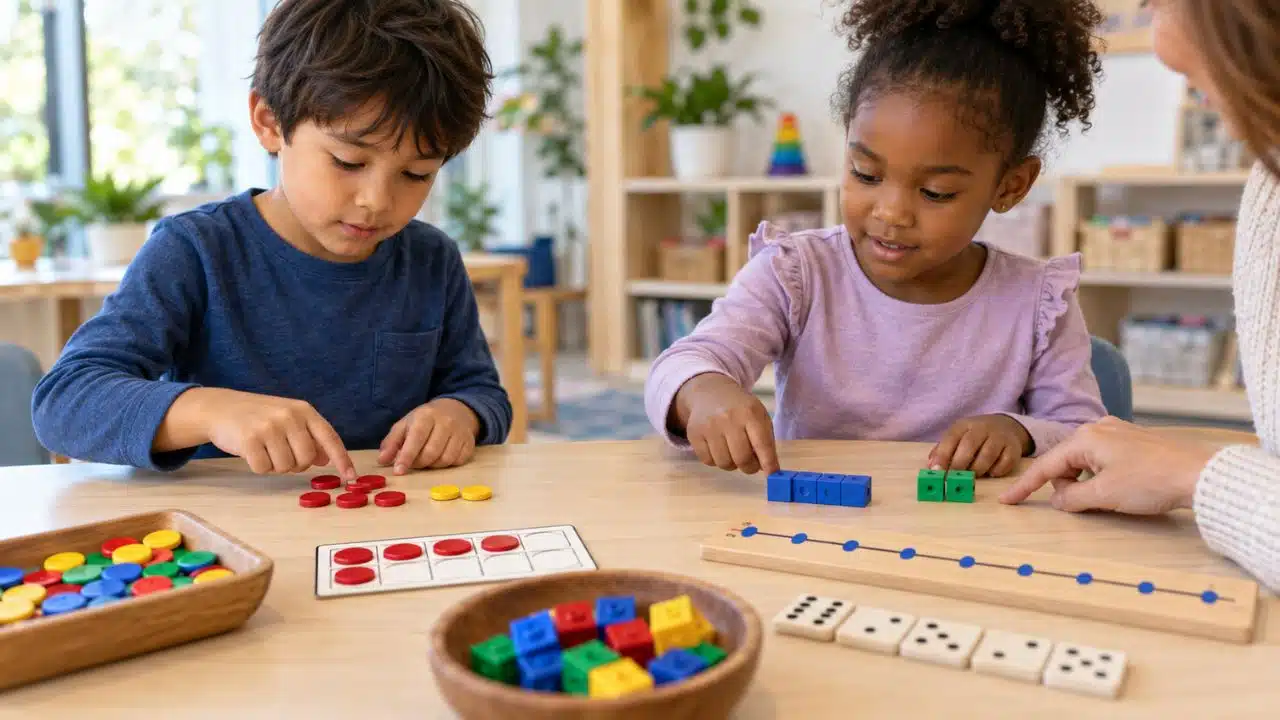
- Make Learning Fun: Incorporate learning into everyday activities. Count objects, identify colors, or discuss letters and words you see throughout the day.
- Limit Sugar Intake: Excessive sugar consumption can lead to health issues and behavioral problems. Offer water instead of sugary drinks and limit sweets.
- Promote Physical Activity: Encourage regular physical activity through play, sports, or family activities like walks or bike rides.
- Teach Safety Rules: Teach your child basic safety rules, such as not talking to strangers, looking both ways before crossing the street, and what to do in case of emergency.
- Be a Good Role Model: Children often mimic their parents’ behavior. Model the values, habits, and behaviors you want to see in your child.
- Create Family Traditions: Establish family traditions or rituals that your child can look forward to. These can be as simple as a special weekend breakfast or an annual camping trip.
- Encourage Creativity: Provide opportunities for creative expression through art, music, dance, or imaginative play.
- Teach Responsibility: Assign age-appropriate chores to help your child develop a sense of responsibility and contribution to the family.
- Practice Positive Self-Talk: Model and encourage positive self-talk. How you speak about yourself and others significantly impacts your child’s own self-image and worldview.
- Limit Exposure to Violence: Monitor media content to limit your child’s exposure to violence, which can have negative effects on behavior and emotional well-being.
- Encourage Healthy Risk-Taking: Allow your child to take age-appropriate risks, such as climbing at the playground or trying new activities. This builds confidence and resilience.
- Teach Consent and Bodily Autonomy: From an early age, teach your child about consent and respect for their own and others’ bodies.
- Foster a Love of Nature: Spend time in nature with your child. This can reduce stress, improve attention, and foster environmental awareness.
- Promote Cultural Awareness: Expose your child to diverse cultures, traditions, and perspectives to foster empathy and understanding.
- Practice Mindfulness: Introduce simple mindfulness exercises to help your child manage stress and emotions.
- Encourage Problem-Solving: Instead of always providing solutions, guide your child to think through problems and come up with their own solutions.
- Limit Comparisons: Avoid comparing your child to others. Each child develops at their own pace and has unique strengths.
- Celebrate Effort, Not Just Results: Praise your child’s effort and perseverance, not just their achievements. This fosters a growth mindset.
- Show Unconditional Love: Above all, make sure your child knows they are loved unconditionally. This provides the security they need to grow, learn, and thrive.
Takeaway
Parenting is a journey of continuous learning and growth. While these 50 tips provide a solid foundation, remember that every child and family is unique. Trust your instincts, be flexible, and don’t be afraid to seek help when needed. With patience, love, and dedication, you’ll navigate the challenges and joys of parenthood successfully.
Remember, there’s no such thing as a perfect parent. What matters most is your commitment to doing your best for your child. Embrace the journey, learn from your experiences, and cherish the precious moments along the way.