


Losing weight can be challenging, especially when trying to manage hunger. However, choosing the right foods can help you shed those extra pounds without feeling constantly hungry. Low-calorie foods that are nutrient-dense and filling can make the weight loss journey easier and more enjoyable. In this article, we’ll explore 15 low-calorie foods that not only aid in weight loss but also keep you satisfied and energized throughout the day.
1. Leafy Greens
Leafy greens, such as spinach, kale, and lettuce, are incredibly low in calories but high in nutrients. They are rich in vitamins, minerals, and antioxidants, which are essential for overall health. The high fiber content in leafy greens helps you feel full, reducing the likelihood of overeating. You can add them to salads, smoothies, or soups to boost your meal’s nutritional value without adding many calories.
Benefits:
- Rich in Nutrients: Leafy greens provide essential vitamins like A, C, and K, along with minerals such as iron and calcium.
- High in Fiber: The fiber in leafy greens aids digestion and helps keep you full.
- Versatile in Recipes: They can be used in a variety of dishes, from salads and smoothies to soups and stir-fries.
2. Berries
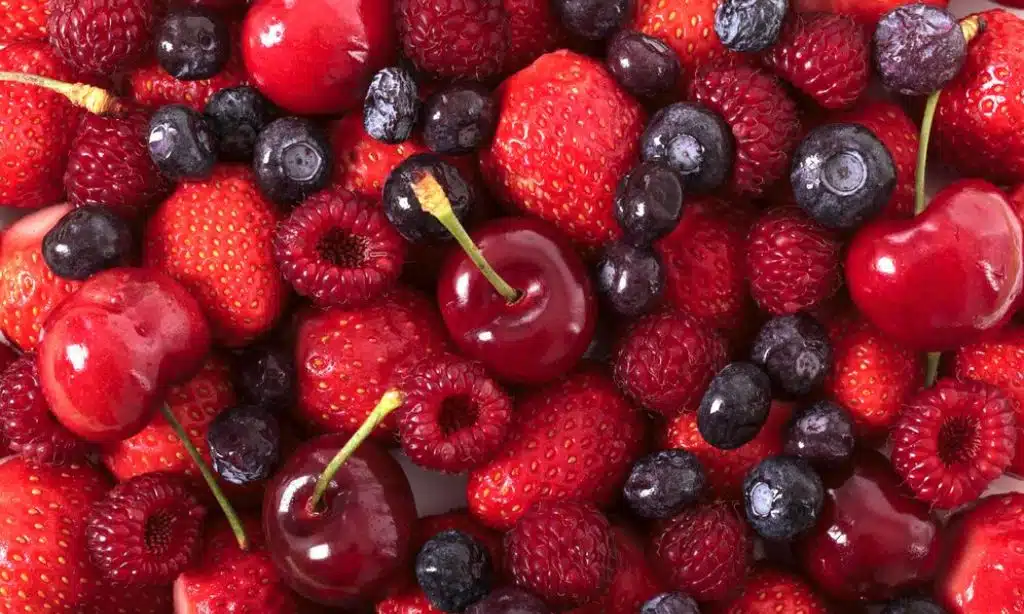
Berries like strawberries, blueberries, raspberries, and blackberries are low in calories and packed with vitamins, fiber, and antioxidants. They are a great way to satisfy your sweet tooth while keeping your calorie intake in check. Berries can be eaten as snacks, added to yogurt, or blended into smoothies for a refreshing and healthy treat.
Benefits:
- Antioxidant-Rich: Berries are known for their high antioxidant content, which helps fight inflammation and oxidative stress.
- Low Glycemic Index: Berries have a low glycemic index, making them a good choice for maintaining stable blood sugar levels.
- Delicious and Sweet: Their natural sweetness makes them a perfect substitute for high-calorie desserts.
3. Cucumbers
Cucumbers are mostly water, making them very low in calories. They are also a good source of vitamins and minerals. Cucumbers are perfect for adding crunch to salads or eating as a snack with a bit of hummus. Their high water content helps keep you hydrated and feeling full.
Benefits:
- Hydrating: With over 95% water content, cucumbers are excellent for hydration.
- Low in Calories: One medium cucumber contains only about 24 calories.
- Refreshing Snack: Cucumbers can be enjoyed with dips, in salads, or as a refreshing snack on their own.
4. Tomatoes
Tomatoes are low in calories and high in vitamins C and K, potassium, and folate. They also contain antioxidants like lycopene, which is linked to various health benefits. Tomatoes can be eaten raw in salads, cooked in sauces, or even roasted as a side dish. They add flavor and nutrition to your meals without adding many calories.
Benefits:
- Rich in Lycopene: Lycopene has been associated with reduced risk of heart disease and certain cancers.
- Versatile: Tomatoes can be used in a wide range of dishes, from salads to sauces.
- Nutrient-Dense: They provide essential nutrients while being low in calories.
5. Zucchini
Zucchini is another low-calorie vegetable that can be used in various dishes. It’s rich in vitamins A and C, fiber, and antioxidants. You can spiralize zucchini into noodles, grill it, or add it to soups and stews. Its versatility and low-calorie content make it a great addition to your weight loss diet.
Benefits:
- Low in Calories: One medium zucchini has about 33 calories.
- High in Fiber: The fiber in zucchini aids in digestion and helps keep you full.
- Versatile: Zucchini can be grilled, roasted, or spiralized into noodles.
6. Cauliflower
Cauliflower is a low-calorie vegetable that can be used as a substitute for higher-calorie foods like rice and potatoes. It’s high in fiber, vitamins C and K, and folate. You can mash, roast, or rice cauliflower to create delicious, low-calorie dishes that help you stay full and satisfied.
Benefits:
- Low in Calories: One cup of cauliflower has only 25 calories.
- Nutrient-Dense: Cauliflower is packed with vitamins and minerals.
- Versatile: It can be used as a low-calorie substitute in many dishes.
7. Celery
Celery is very low in calories and high in water content, making it an excellent choice for weight loss. It also contains fiber, vitamins, and minerals. Celery can be eaten raw as a snack, added to salads, or used in soups and stews. Its crunchy texture and refreshing taste make it a favorite among those trying to lose weight.
Benefits:
- Extremely Low in Calories: One large stalk of celery has about 10 calories.
- High Water Content: Helps with hydration and feeling full.
- Good Source of Fiber: Aids in digestion and keeps you satisfied.
8. Bell Peppers
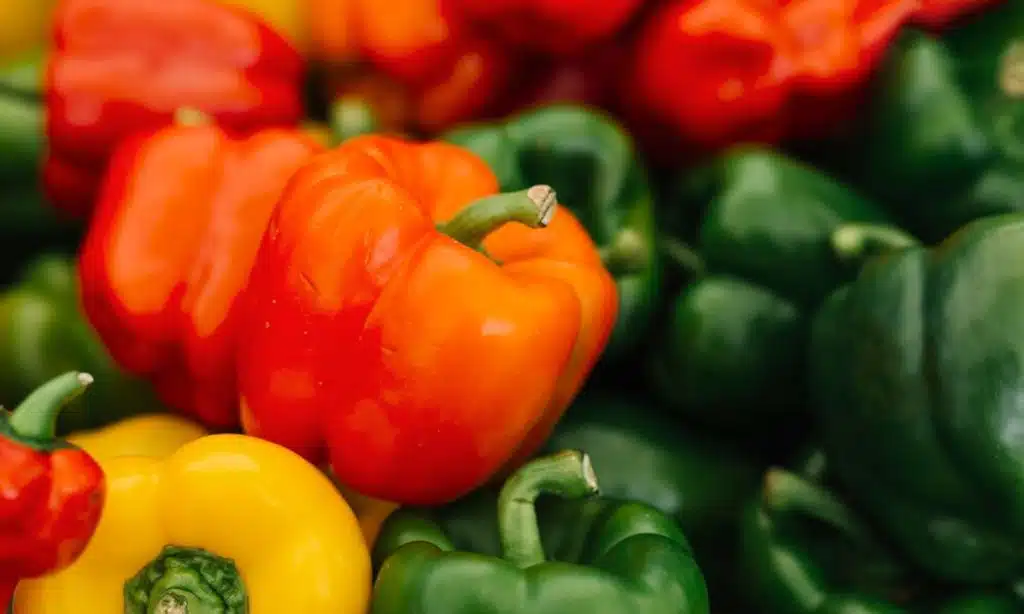
Bell peppers are low in calories and high in vitamins A and C, fiber, and antioxidants. They come in various colors, each with its unique flavor and nutritional profile. Bell peppers can be eaten raw, roasted, or added to various dishes, making them a versatile and healthy addition to your diet.
Benefits:
- Rich in Vitamin C: Bell peppers provide more than 100% of the daily recommended intake of vitamin C.
- Low in Calories: One cup of sliced bell peppers has about 24 calories.
- Versatile: Can be eaten raw, cooked, or added to many dishes.
9. Broccoli
Broccoli is a nutrient-dense vegetable that’s low in calories. It’s rich in fiber, vitamins C and K, and various antioxidants. Broccoli can be steamed, roasted, or added to soups and casseroles. Its high fiber content helps you feel full, making it easier to manage your calorie intake.
Benefits:
- Nutrient-Rich: Broccoli is packed with essential vitamins and minerals.
- Low in Calories: One cup of chopped broccoli has about 55 calories.
- High in Fiber: Helps with digestion and satiety.
10. Mushrooms
Mushrooms are low in calories and high in vitamins, minerals, and antioxidants. They also contain fiber and protein, which help keep you feeling full. Mushrooms can be sautéed, grilled, or added to soups and stews. Their umami flavor adds depth to dishes without adding many calories.
Benefits:
- Low in Calories: One cup of sliced mushrooms has about 15 calories.
- Nutrient-Dense: Mushrooms provide essential nutrients and antioxidants.
- Versatile: Can be used in a variety of dishes to enhance flavor.
11. Grapefruit
Grapefruit is low in calories and high in vitamins A and C, fiber, and antioxidants. Some studies suggest that grapefruit may help with weight loss by reducing insulin levels and improving metabolism. You can eat grapefruit on its own, add it to salads, or blend it into smoothies.
Benefits:
- Low in Calories: Half a grapefruit has about 52 calories.
- Rich in Vitamins: Provides a good amount of vitamins A and C.
- May Aid in Weight Loss: Some studies suggest grapefruit can help with weight management.
12. Green Beans
- Green beans are low in calories and high in fiber, vitamins A and C, and minerals. They can be steamed, sautéed, or added to soups and stews. Green beans are a great way to add volume to your meals without adding many calories, helping you stay full and satisfied.
Benefits:
- Low in Calories: One cup of green beans has about 31 calories.
- High in Fiber: Helps with digestion and satiety.
- Nutrient-Dense: Provides essential vitamins and minerals.
13. Radishes
Radishes are low in calories and high in vitamins, minerals, and fiber. They have a peppery flavor and a crunchy texture, making them a great addition to salads and snacks. Radishes can also be roasted or pickled for a different taste experience.
Benefits:
- Low in Calories: One cup of sliced radishes has about 19 calories.
- Rich in Nutrients: Provides vitamins and minerals essential for health.
- Versatile: Can be eaten raw, roasted, or pickled.
14. Asparagus
Asparagus is a low-calorie vegetable that’s rich in vitamins A, C, E, and K, fiber, and antioxidants. It can be steamed, grilled, or roasted, making it a versatile addition to your meals. Asparagus also contains a compound called asparagine, which has been linked to weight loss.
Benefits:
- Low in Calories: One cup of asparagus has about 27 calories.
- Nutrient-Dense: Provides essential vitamins and minerals.
- May Aid in Weight Loss: Contains asparagine, which is linked to weight management.
15. Apples
Apples are low in calories and high in fiber, vitamins, and antioxidants. They make for a satisfying snack that can help curb hunger and keep you full. Apples can be eaten on their own, added to salads, or baked into healthy desserts. Their natural sweetness can help reduce cravings for sugary snacks.
Benefits:
- Low in Calories: One medium apple has about 95 calories.
- High in Fiber: Helps with digestion and keeps you full.
- Natural Sweetness: Can help satisfy sweet cravings without added sugars.
Takeaways
Incorporating low-calorie foods into your diet can help you lose weight without feeling constantly hungry. These 15 foods are not only low in calories but also packed with essential nutrients that support overall health. By making these foods a regular part of your meals, you can enjoy delicious and satisfying dishes while working towards your weight loss goals. Remember, the key to successful weight loss is not just eating low-calorie foods but also maintaining a balanced diet and staying active.
























