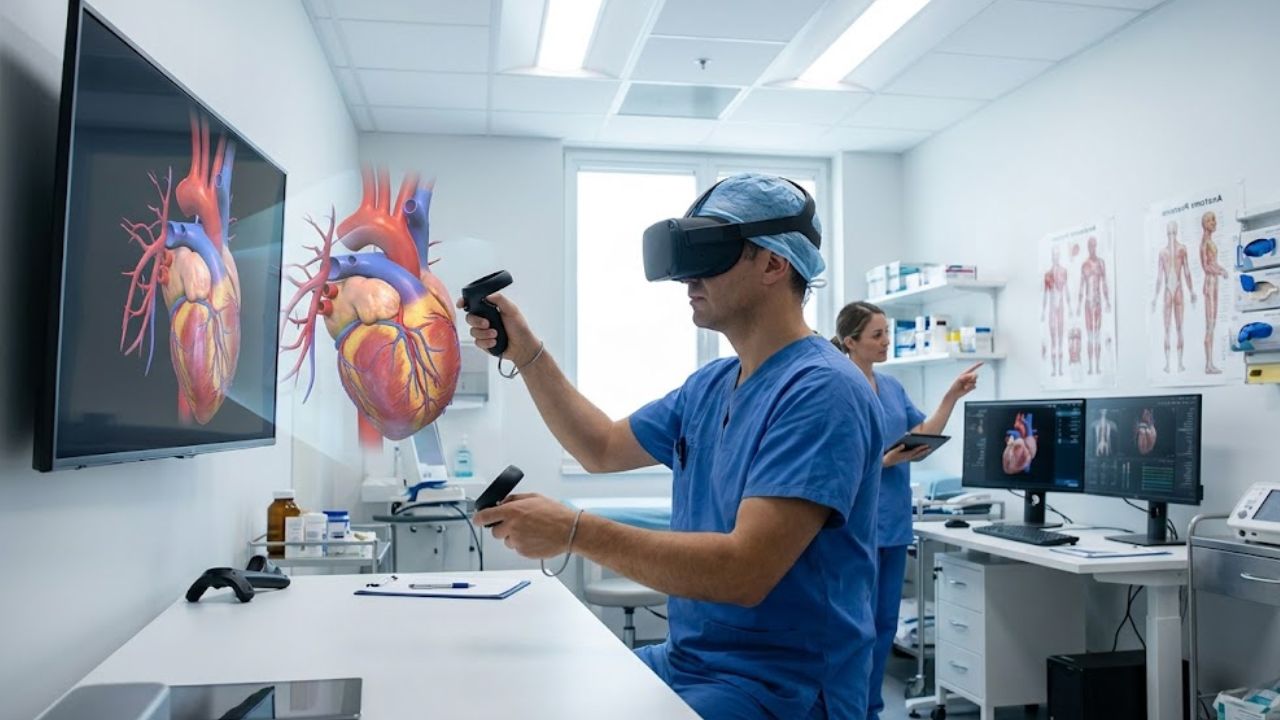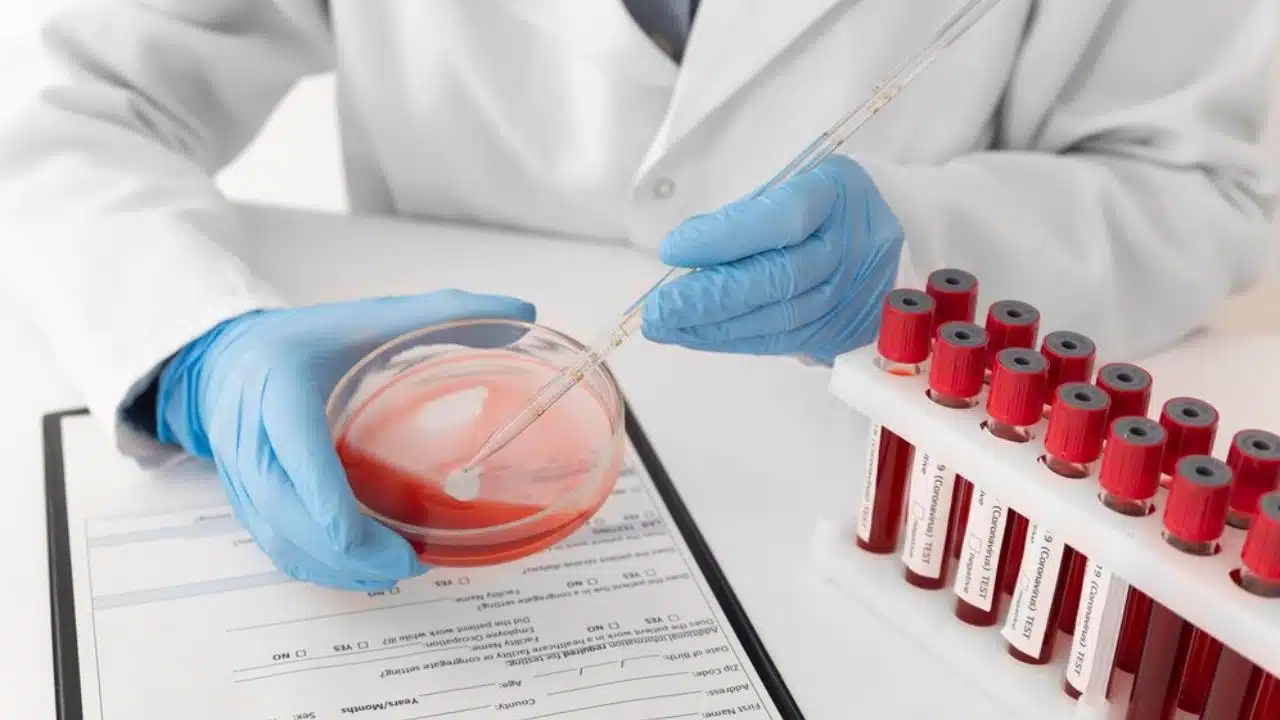
A revolutionary blood test utilizing artificial intelligence (AI) could predict Parkinson’s disease up to seven years before symptoms arise, offering hope for earlier intervention and better treatment outcomes.
Researchers from University College London (UCL) and the University of Göttingen developed this test, which, if validated in broader populations, could be integrated into NHS laboratories within two years.
Current Challenges and the Need for Early Detection
Parkinson’s disease is a rapidly growing neurodegenerative condition affecting more than 150,000 people in the UK and 10 million worldwide.
It is caused by the buildup of a protein called alpha-synuclein, which damages nerve cells responsible for producing dopamine, a crucial chemical in the brain. Currently, treatments focus on dopamine replacement, but no drugs exist to prevent the disease’s progression.
Professor Kevin Mills from UCL’s Great Ormond Street Institute of Child Health emphasized the importance of early detection. “We need to get to people before they develop symptoms. It’s always better to do prevention rather than cure,” Mills said.
The Development of the AI-Enhanced Blood Test
The blood test was developed by analyzing blood samples from patients using a machine learning algorithm. The AI tool identified a pattern of eight blood proteins associated with Parkinson’s.
This innovative approach allowed the researchers to predict the disease in patients years before symptoms manifested. In one case, the disorder was predicted more than seven years before the onset of symptoms.
Dr. Jenny Hällqvist, the first author of the study published in Nature Communications, stated, “It is possible that it could go back even further,” highlighting the potential for even earlier detection.
Implications for Treatment and Clinical Trials
Early diagnosis could significantly impact the treatment and management of Parkinson’s. Professor Roger Barker from the University of Cambridge pointed out that identifying the disease at its earliest stages would enable patients to participate in clinical trials sooner, potentially slowing or halting disease progression.
Prof Ray Chaudhuri from the Parkinson Foundation International Centre of Excellence acknowledged the challenges in predicting and diagnosing Parkinson’s, given its varied presentations.
He stressed the importance of developing effective treatments alongside early detection methods.
Ethical and Practical Considerations
While the test promises substantial benefits, it also raises ethical issues. Early diagnosis without effective treatments might affect patients’ mental health and insurance policies.
Dr. Michael Bartl from the University Medical Center Göttingen mentioned that the markers identified could also be targets for new drug treatments, providing a potential pathway for future therapies.
Looking Ahead: The Future of Parkinson’s Diagnosis and Treatment
This groundbreaking research represents a significant step towards a definitive diagnostic test for Parkinson’s.
David Dexter, Director of Research at Parkinson’s UK, expressed optimism about the potential of this blood test to distinguish between Parkinson’s and other similar conditions, such as multiple systems atrophy or dementia with Lewy bodies.
Currently, Parkinson’s diagnosis relies on clinical evaluations, medical history, and supportive tests like DaTscan.
The new AI-enhanced blood test could revolutionize this process, allowing for earlier and more accurate identification of at-risk individuals.
If successfully implemented, this test could lead to proactive interventions, improving the quality of life for millions at risk of or living with Parkinson’s disease.
The development of this AI-enhanced blood test marks a promising advance in the fight against Parkinson’s disease.
While further validation and ethical considerations are necessary, the potential for early detection and subsequent early intervention could transform the landscape of Parkinson’s diagnosis and treatment, ultimately offering hope for better management and improved patient outcomes.