In today’s consumer market, seafood visibility has become a vital factor for conscious buyers. With growing concerns about sustainability, traceability, and transparency, consumers are demanding greater knowledge about the origins and journey of their seafood. This is where fish vendors play a vital role in bridging the gap between ocean and stall.
Fish vendors, indispensable intermediaries in the seafood supply chain, are now at the forefront of ensuring unprecedented levels of seafood visibility. They understand the importance of providing detailed information about the sourcing, handling, and processing of the fish they sell. By working closely with fishermen, suppliers, and other stakeholders in the industry, fish vendors are able to bring a new level of transparency to the table. Through their efforts, consumers can make informed decisions, supporting sustainable practices and making a positive impact on the oceans.
Join us as we dive into the world of fish vendors and explore how they are revolutionizing seafood visibility by supply chain traceability.
The Essence of Seafood Visibility
Defining Seafood Visibility
Seafood visibility means ensuring that each stage of the seafood journey, from the source to the plate, is clearly documented and accessible to consumers. This transparency is essential in building trust as customers are increasingly demanding assurances about the quality and origins of their seafood.
The Demand for Sustainable Seafood
Consumers are willing to support businesses that provide sustainably sourced seafood with transparent origins, reflecting a significant surge in the market for eco-friendly products. This shift is not just a trend but a movement towards ethical consumption.
Challenges in Seafood Transparency
Fish vendors face hurdles such as the complicated nature of global supply chains and the need for better tracking systems, which can delay the goal of complete seafood visibility. These difficulties require strategic solutions and industry collaboration to overcome.
Opportunities for Fish Vendors
In the competitive landscape of the seafood industry, vendors face multifaceted challenges that concurrently present opportunities for differentiation and industry leadership. Those vendors who adeptly enact and enforce robust traceability frameworks and sustainable fishing protocols are positioned to optimize these ventures by tapping into an incrementally expanding consumer segment that places a premium on such ethical standards. By strategically aligning with these consumer preferences, vendors may experience an uptick in consumer retention and loyalty, which, in turn, could engender an augmented brand image and enhanced market presence.
Sourcing Sustainably
Prioritizing Sustainable Practices
Fish vendors are increasingly aware of their role in marine conservation, leading many to adopt sustainable sourcing practices. These initiatives help safeguard ocean ecosystems while aligning with consumer expectations.
Partnering with Responsible Fisheries
By forming alliances with fisheries committed to responsible practices, vendors ensure the sustainability of their seafood products. These partnerships often lead to improvements throughout the supply chain, from catch methods to final delivery.
Benefits for Vendors and Consumers
Sustainable sourcing not only contributes to environmental protection but also offers economic benefits to vendors. Consumers, in turn, receive quality seafood with the assurance of ethical practices behind their purchase.
Navigating the Seafood Supply Chain
Enhancing Supply Chain Visibility
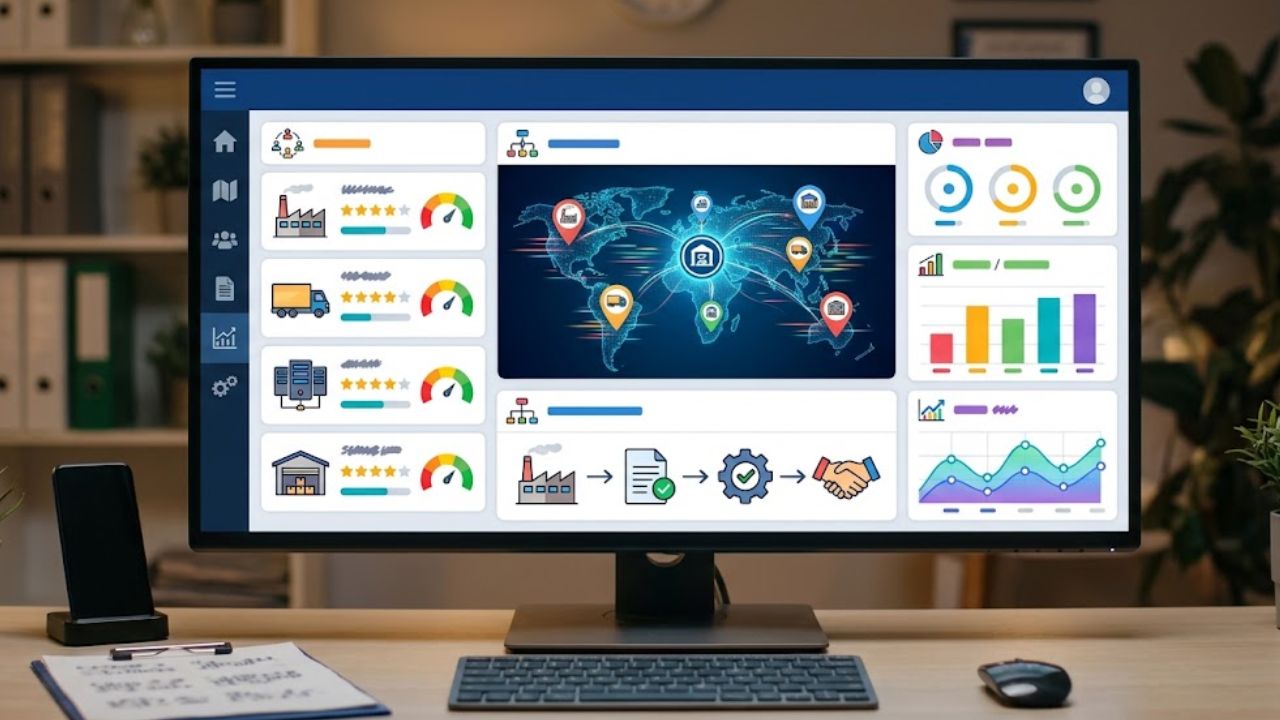
Vendors are taking definitive steps such as collaborations with certified suppliers and investing in monitoring systems to illuminate the journey of seafood from the moment of capture to the end-consumer. These actions are critical in guaranteeing product integrity and building trust.
Addressing Transparency and Traceability Challenges
Addressing obstacles to transparency and traceability necessitates an in-depth understanding of complex international regulatory environments and the sophisticated logistics inherent to seafood supply chain operations. Vendors are charged with the complex task of adeptly navigating these hurdles to meet the growing consumer demand for seafood products with transparent traceability.
Initiatives and Best Practices
To enhance accountability within the seafood supply chain, numerous vendors are implementing targeted initiatives such as comprehensive third-party audits and the integration of traceable labeling systems. The adoption of these best practices significantly bolsters the integrity and dependability of the maritime food distribution network.
Technological Innovations for Seafood Traceability
Technological Solutions and Their Impact
Advanced technologies such as blockchain, IoT, and data analytics are being incorporated by vendors to enable real-time tracking and data collection, which are fundamental for comprehensive traceability across the supply chain.
Blockchain, IoT, and Data Analytics
The immutable nature of blockchain offers an unalterable record of the seafood’s journey, IoT allows for condition monitoring throughout transport, and data analytics help make sense of the huge volumes of data generated, leading to more informed decisions.
Real-World Examples and the F2P Approach
Implementation of the From Farm to Plate (F2P) methodology allows vendors to furnish comprehensive provenance data for their seafood products. This is exemplified by the deployment of Quick Response (QR) codes on the packaging, which grant consumers the ability to scan and retrieve a detailed record of the product’s history, significantly improving transparency and promoting engagement between consumers and the product’s lifecycle.
Conclusion
Fish vendors are employing a range of effective strategies to ensure seafood visibility, using everything from sustainable sourcing and collaborations with certified fisheries to cutting-edge technological aids like blockchain and IoT. These practices not only provide consumers with the transparency they demand but also contribute to the long-term health and sustainability of marine ecosystems.
It is imperative to recognize the essential roles that sustainability, traceability, and transparency play in the future of the seafood industry. Consumers have the power to drive change by choosing to support vendors who are committed to these values, therefore fostering an industry that thrives on responsible practices and contributes to the preservation of our oceans.