The shift toward cognitive diversity in the UK has moved beyond basic compliance to become a primary engine for corporate innovation in 2026. British companies are recognizing that neurodivergent individuals, including those with autism, ADHD, and dyslexia, bring unique problem-solving capabilities that are essential in an AI-driven economy. By intentionally designing cultures that support diverse thinking styles, these organizations are securing a significant competitive advantage in the global market.
How We Selected Our 7 Best Ways to Support Workplace Neurodiversity in UK 2026
To determine the most effective strategies for the current year, we analyzed the workplace patterns of FTSE 100 leaders and consulted with advocacy groups. We looked for initiatives that moved the needle on retention and employee satisfaction rather than just recruitment numbers. The most successful companies in 2026 are those that have integrated neuro-inclusion into their core operational DNA.
The following criteria were used to evaluate the effectiveness of each cultural strategy:
-
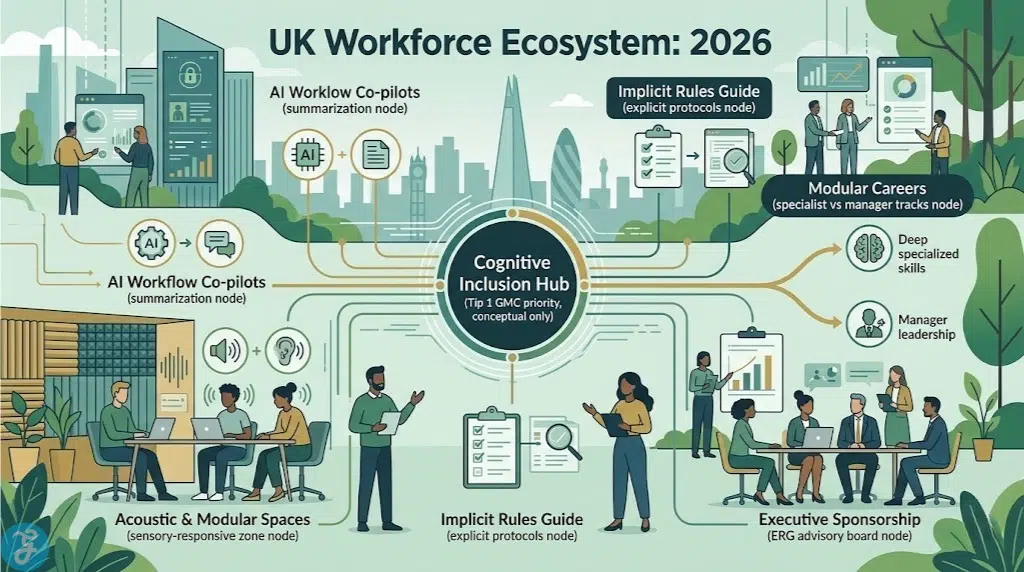
Executive Sponsorship: Inclusion is led by the C-suite rather than being restricted to HR departments.
-
Environmental Agility: Physical and digital spaces are designed to be modular and sensory-friendly.
-
Operational Transparency: Communication is explicit, reducing the cognitive load of navigating office politics.
-
Skill-to-Task Alignment: Roles are being re-engineered to match the specific cognitive strengths of the individual.
7 Strategies for Optimizing Workplace Neurodiversity in UK 2026
The following initiatives represent the gold standard for neuro-inclusive cultures in the UK this year. These methods prioritize psychological safety and the removal of environmental barriers.
1. AI-Driven Hyper-Personalized Accommodations
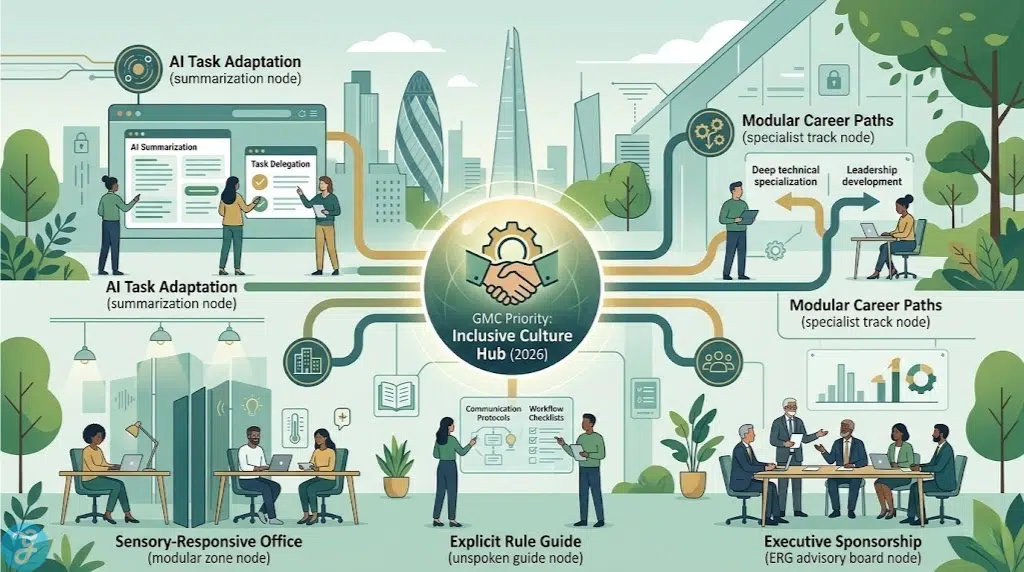
In 2026, many British firms are deploying specialized AI agents to help neurodivergent employees manage their daily workflows. These tools can summarize long meetings, break down complex instructions into step-by-step tasks, or provide real-time social cue analysis during video calls. This technology allows individuals to focus on their core strengths while the AI handles the administrative and executive functioning hurdles that often lead to burnout.
Best for:
-
Employees with ADHD or dyslexia who benefit from automated organization and text-to-speech tools.
Why We Chose It:
-
It provides a discreet way for employees to manage their specific needs without constant manual intervention.
-
The technology scales easily across remote and hybrid teams.
-
It significantly reduces the cognitive fatigue associated with processing dense documentation.
Things to consider:
-
Companies must ensure these AI tools are accessible and that data privacy regarding personal processing styles is strictly maintained.
While digital tools provide a buffer, the physical environment remains a critical factor in how employees perform.
2. Sensory-Responsive Modular Workspaces
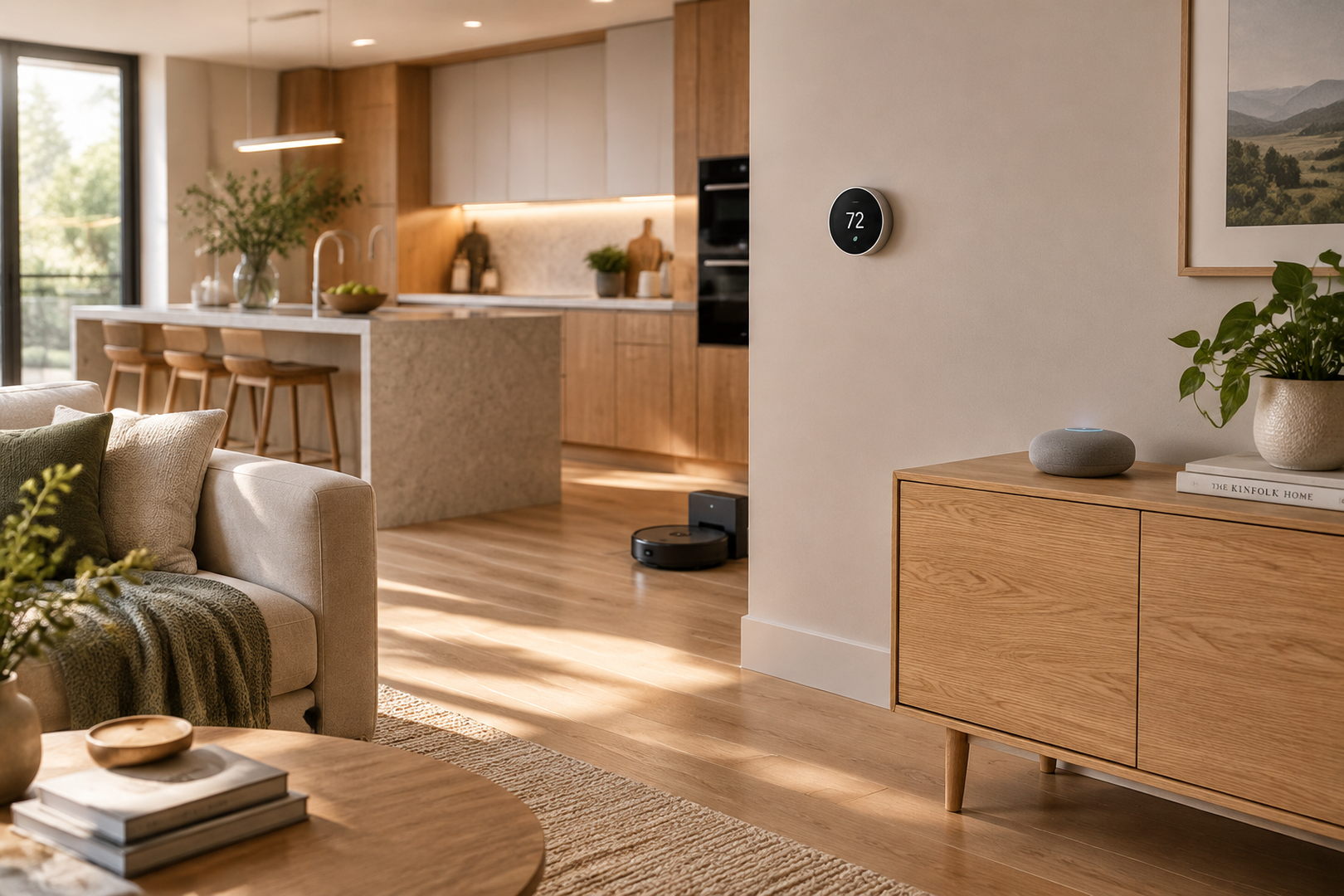
The modern London office has seen a major redesign to include low-sensory zones and acoustic pods. Companies are using smart building technology to allow employees to adjust lighting and temperature via an app based on their sensory needs for the day. This modularity ensures that the office remains a productive space for those who might otherwise be overwhelmed by open-plan noise or harsh fluorescent lighting.
Best for:
-
Autistic employees and those with sensory processing sensitivities.
Why We Chose It:
-
It acknowledges that environmental comfort is directly linked to productivity and mental health.
-
Smart lighting and sound masking provide instant relief from overstimulation.
-
It creates a customizable approach to the physical workday.
Things to consider:
-
Retrofitting historical British office buildings can be a logistical challenge, but pays off in long-term retention.
Beyond the physical environment, the way companies find and hire talent has undergone a radical transformation.
3. Skill-Based No-Interview Recruitment Pipelines
Traditional interviews often measure social performance rather than actual job competency, which can unfairly exclude neurodivergent talent. British companies are increasingly replacing standard interviews with technical trials or project-based assessments. This allows candidates to demonstrate their actual output in a controlled environment, ensuring that the best thinkers are hired for the role regardless of their ability to maintain eye contact.
Best for:
-
Technical and creative roles where output is more important than traditional social networking skills.
Why We Chose It:
-
It removes the subconscious bias that often favors neurotypical social behaviors.
-
It provides a more accurate prediction of future job performance.
-
Candidates feel more respected and valued for their actual expertise.
Things to consider:
-
Assessments must be carefully designed to ensure they are accessible and not overly time-consuming for the candidate.
Creating a community within the company is also essential for long-term cultural success.
4. Executive-Led Neurodiversity Resource Groups
Employee Resource Groups (ERGs) are no longer just social clubs. In 2026, they serve as vital advisory boards that report directly to the board of directors. These groups provide a platform for neurodivergent staff to voice their concerns and suggest structural improvements. When an ERG has executive sponsorship, it sends a powerful message that the company values cognitive diversity as a legitimate business asset.
Best for:
-
Fostering a sense of belonging and ensuring that policy changes are informed by lived experience.
Why We Chose It:
-
It creates a safe space for employees to advocate for their needs collectively.
-
It identifies future leaders within the neurodivergent community.
-
ERGs help the company avoid performative inclusion by grounding initiatives in real employee feedback.
Things to consider:
-
Leaders of these groups should be compensated or given dedicated work time for their advocacy efforts.
Leadership itself must evolve to manage these diverse cognitive styles effectively.
5. Cognitive Empathy Training for Managers
The manager-employee relationship is the single biggest predictor of a neurodivergent employee’s success. Leading UK firms are investing in training that teaches managers how to adapt their leadership style to different brain types. This includes learning how to give feedback to someone with Rejection Sensitive Dysphoria or how to provide clear, unambiguous instructions for an autistic team member.
Best for:
-
Improving team cohesion and reducing turnover in departments with high cognitive diversity.
Why We Chose It:
-
It empowers managers to unlock the potential of every team member.
-
It reduces the misunderstandings that lead to performance improvement plans.
-
Managers feel more confident in their ability to lead diverse teams.
Things to consider:
-
Training should be an ongoing conversation rather than a one-off webinar.
Clear communication is the bedrock of any inclusive culture, especially when avoiding ambiguity.
6. Explicit Communication and Unspoken Rule Guides
One of the greatest challenges for neurodivergent individuals is navigating the subtle social hierarchies of corporate life. British companies are now publishing guides that explicitly state how to ask for help, the expected response time for emails, and the protocol for speaking up in meetings. By making these unspoken rules public, companies eliminate the anxiety of social guesswork and create a more equitable environment for everyone.
Best for:
-
New hires and those who find the social nuances of British corporate culture difficult to read.
Why We Chose It:
-
It removes the double-empathy gap where neurotypical and neurodivergent people misread intentions.
-
It creates a standard of clarity that benefits every employee in the organization.
-
It reduces the stress of masking social behaviors to fit in.
Things to consider:
-
These guides should be living documents that evolve as the company culture changes.
Finally, the concept of a career ladder is being replaced by something more flexible.
7. Modular and Non-Linear Career Pathing
The traditional path to success often involves moving into management, but many neurodivergent specialists prefer to stay in deep-work roles. British firms are creating modular career paths that allow for high compensation and prestige without requiring the individual to manage others. This allows companies to keep their best specialists engaged and productive for the long haul without forcing them into roles that do not suit their strengths.
Best for:
-
High-performing specialists in engineering, data science, and creative fields.
Why We Chose It:
-
It prevents the Peter Principle where great specialists become mediocre managers.
-
It respects the individual’s preferred way of working and contributing.
-
It ensures the company retains its most valuable technical knowledge.
Things to consider:
-
Ensure that those on the specialist track still have a say in major departmental decisions.
An Overview of Workplace Neurodiversity in UK 2026
The approach to neuro-inclusion has undergone a massive shift in perspective and technology. To visualize this transition, we can look at how corporate standards have evolved from simple awareness to deep infrastructure integration.
The following data summarizes the transformation seen in major UK business hubs this year.
| Feature | 2020 Awareness Era | 2026 Infrastructure Era |
| Hiring Focus | Diversity quotas | Skill-based assessments |
| Tech Support | Generic screen readers | Personalized AI assistants |
| Office Design | Static open-plan | Sensory-responsive zones |
| Management | One-size-fits-all | Adaptive cognitive empathy |
| Career Path | Linear management | Modular specialist tracks |
Our Top 3 Picks and Why?
While all seven strategies are effective, these three are the most critical for building a sustainable neuro-inclusive culture.
-
Skill-Based Recruitment: This is the essential gateway. If you cannot hire the talent fairly, the rest of the cultural work becomes irrelevant.
-
Explicit Communication: This is the most cost-effective way to immediately reduce anxiety and increase productivity for all staff members.
-
Adaptive Management: Without managers who understand how to lead different brain types, high-tech tools and fancy offices will fail to keep talent.
Future-Proofing British Business Through Cognitive Inclusion
The companies currently leading the charge in the UK are those that view neuro-inclusion as a journey rather than a destination. As we move further into 2026, the integration of AI tools
and more flexible working models will continue to level the playing field for neurodivergent talent. By embracing these inclusive trends, British companies are not just being socially responsible, they are building a more resilient, creative, and future-proofed workforce that is ready for the challenges of the modern economy.
Frequently Asked Questions (FAQs) About Workplace Neurodiversity in UK 2026
How many people in the UK are considered neurodivergent?
Answer: It is estimated that approximately one in seven people in the UK are neurodivergent. This includes individuals with autism, ADHD, dyslexia, and other cognitive differences.
Is a neuro-inclusive workplace expensive to build?
Answer: Many effective changes, such as explicit communication guides and flexible working, cost very little to implement. High-tech accommodations are increasingly affordable due to the rise of specialized AI tools.
What is the main benefit of hiring neurodivergent talent?
Answer: Neurodivergent individuals often possess exceptional strengths in areas like pattern recognition, attention to detail, and creative problem-solving. These skills are highly valuable in technical and innovative industries.
Does sensory-friendly design benefit neurotypical employees too?
Answer: Yes. Most employees report higher productivity and lower stress when they have control over their lighting, noise levels, and temperature. Inclusive design tends to improve the experience for everyone.
What is Rejection Sensitive Dysphoria (RSD)?
Answer: RSD is an intense emotional response to perceived rejection or criticism. It is commonly experienced by individuals with ADHD, and understanding it helps managers provide more effective and supportive feedback.