

Halloween is a holiday like no other, where fear becomes entertainment and people willingly seek out spooky, hair-raising experiences.
From haunted houses and horror movies to ghost stories and costumes, fear is celebrated in ways that bring excitement, bonding, and an undeniable thrill.
But why are we drawn to fear during Halloween?
Is it just a seasonal tradition, or does science explain why some of us actively crave that rush of adrenaline?
Here’s an in-depth look at the science of fear, how our brains process it, and the reasons we delight in being scared, especially when Halloween rolls around.
The Basics of Fear: How Our Brains and Bodies React?
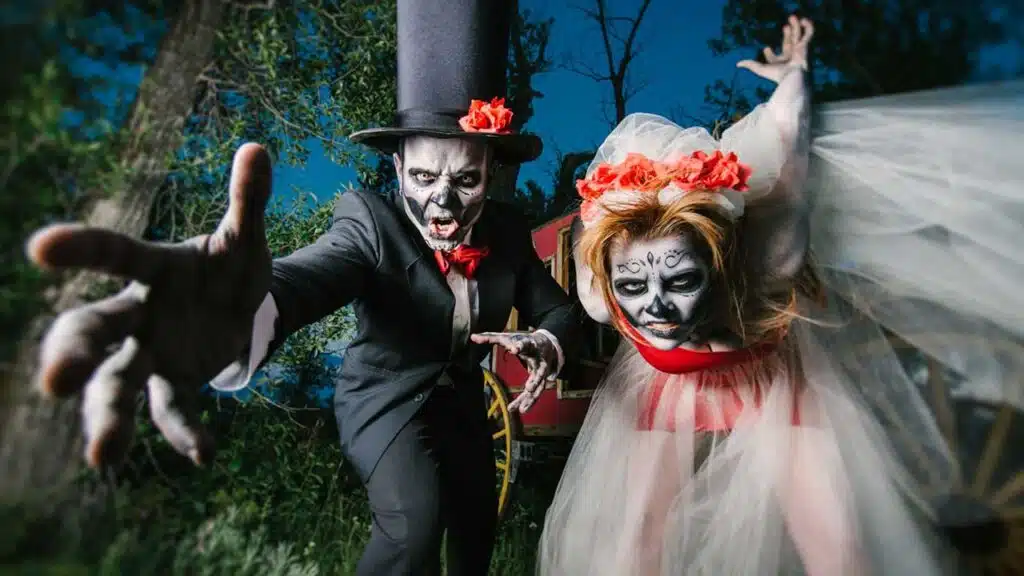
Fear is a natural response designed to protect us from threats.
But experiencing it for fun, especially in a controlled setting, provides a fascinating twist on the traditional fight-or-flight reaction.
Understanding how fear works in the brain reveals why Halloween scares feel so exciting rather than terrifying.
How the Brain Processes Fear?
The process of feeling afraid involves several key areas of the brain, each contributing to our physical and emotional responses:
- The amygdala and Emotional Response: The amygdala, a small almond-shaped cluster within the brain, acts as our internal alarm system. When we perceive a potential threat, the amygdala activates and sends an alert to other parts of the brain, preparing the body to react.
- The Fight-or-Flight Response: Upon sensing fear, the brain releases a surge of adrenaline and cortisol, signaling the body to enter a “fight-or-flight” mode. This reaction includes a racing heart, heightened senses, and a surge of energy, all designed to help us react swiftly to danger.
- Prefrontal Cortex for Context: While the amygdala triggers the fear response, the prefrontal cortex steps in to assess whether the fear is justified. During Halloween, we subconsciously know that haunted houses, horror movies, and spooky decorations are safe. The prefrontal cortex processes this context, allowing us to experience fear with the understanding that it’s controlled and temporary, which makes it more enjoyable.
Why Fear Feels Good: The Thrill of Controlled Fear?
While fear can be unpleasant in real life, it transforms into something thrilling in a safe setting.
This paradox explains why horror movies, haunted houses, and Halloween frights are so appealing to many.
The concept of “controlled fear” lets us experience the adrenaline rush without actual danger, tapping into a unique psychological state.
Adrenaline: The Body’s Natural High
- What Adrenaline Does: When we encounter something scary, adrenaline floods the system, leading to an intense physical response. Heart rate spikes, breathing quickens, and energy levels rise as blood flow increases, giving us that surge of excitement. The feeling can be likened to the “runner’s high,” where people feel invigorated, alert, and fully alive.
- The Enjoyable Aftermath: After the initial scare, our adrenaline levels start to decline, and the body begins releasing dopamine, a chemical associated with pleasure and reward. This leaves us with a post-scare sense of accomplishment and satisfaction.
- Boosting Mood: Surprisingly, controlled fear can improve mood and reduce stress. Many people find the mood-enhancing effects of the adrenaline spike and subsequent dopamine release to be addictive, which explains why some people enjoy having scary experiences over and over again.
Facing Fear as a Personal Challenge
- Sense of Achievement: Facing and enduring fear provides a sense of personal achievement. Successfully finishing a haunted house, watching a horror film, or even stepping onto a scary ride feels like overcoming a challenge, giving a boost to self-confidence.
- Learning to Control Fear: By exposing ourselves to fear in a safe setting, we get better at managing our reactions, which can help in real-life situations. This ability to confront fear and remain calm is one reason why people feel stronger after experiencing controlled scares.
- Social Validation: Facing scary experiences also provides social validation, as people often enjoy discussing and sharing their experiences with others. Surviving something frightening creates a story to tell, which can increase feelings of self-worth and acceptance in social groups.
Biology of Fear: How Our Bodies and Brains Work Together?
The physical and chemical responses associated with fear go beyond the brain, affecting our entire body.
The body’s biological reactions to fear, surprisingly, can feel quite good, which is a big reason why we seek out Halloween scares.
Key Hormones and Neurotransmitters in Fear
- Adrenaline for Alertness: Adrenaline, also known as epinephrine, heightens our senses and prepares us for action. The rapid surge in energy makes us feel hyper-aware, and while this reaction is meant for survival, in a safe setting it creates a sense of excitement.
- Cortisol and Temporary Stress: Cortisol, a stress hormone, is also released during fearful experiences. While cortisol is often associated with negative stress, temporary spikes can feel exhilarating. In controlled situations, like Halloween scares, this small stress boost can be a welcome change from daily routines.
- Dopamine and Reward Pathway Activation: The brain’s reward pathway releases dopamine after a scare, creating feelings of pleasure and accomplishment. This reaction reinforces our enjoyment, which is why many people actively seek out controlled fear experiences like haunted houses or horror films.
- Endorphins for Pain and Stress Relief: Endorphins, natural painkillers, flood the body following a scare. They contribute to a feeling of relief and pleasure, helping to relax the body after the adrenaline rush. This endorphin release leaves us feeling happy and, paradoxically, relaxed, making fear a surprisingly pleasant experience.
Social and Cultural Influence: Why Fear Bonds Us on Halloween?
Halloween is a unique time when fear becomes a collective experience.
Engaging in spooky activities with friends or family enhances the experience and transforms fear into a social phenomenon.
- Laughing After a Scare: Experiencing fear with others often results in laughter afterward, which has been shown to strengthen social bonds. When we laugh after a shared scare, we release tension and bond through the shared experience, making it more enjoyable.
- Friendly Competition: Many people treat scary experiences as challenges, daring friends to watch the scariest movies or enter the spookiest haunted houses. This friendly competition makes the experience memorable and gives participants bragging rights.
- Halloween as a Cultural Tradition: Halloween has grown into a cultural phenomenon where fear, horror, and the supernatural are celebrated. The cultural aspect reinforces enjoyment, as people see Halloween as an opportunity to explore fear in a light-hearted, festive way.
The Attraction of Group Experiences
- Feeling Safe Together: Experiencing fear with others can make it more tolerable and even fun. Knowing we’re with friends or family provides a sense of security, which helps turn fear into excitement.
- Storytelling and Fear: Halloween is a prime time for ghost stories, urban legends, and tales of the supernatural. Telling or listening to scary stories in a group lets us experience fear in a communal way, enhancing the emotional impact while bringing us closer together.
The Popularity of Horror Movies and Haunted Attractions on Halloween
For many, Halloween wouldn’t be the same without a good scare from horror movies or haunted attractions.
But what is it about these experiences that makes them so popular during Halloween?
Horror Movies: A Safe Way to Explore Dark Themes
- Psychological Distance from Real Danger: Watching horror movies provides a sense of psychological distance from the danger on-screen, allowing viewers to feel the thrill of fear without genuine risk. The fictional nature of horror films helps viewers immerse themselves in fear while knowing they’re safe.
- Emotional Roller Coaster: Horror movies are designed to create tension, suspense, and sudden scares, which makes them an emotional roller coaster. With each scare coming after a sense of relief, this variety keeps viewers interested and can even become addictive for genre fans.
- Exploring Taboo Topics: Horror movies often tackle themes of mortality, supernatural forces, and the unknown. Watching these topics play out in fiction allows people to confront fears or curiosities in a safe, entertaining way, adding to the enjoyment of horror films during Halloween.
Haunted Houses: Interactive Fear and Realism
- Immersive Experiences: Haunted houses and attractions create realistic environments with actors, sound effects, and detailed sets. This immersive aspect increases the fear factor, making it a memorable experience for those seeking a hands-on thrill.
- Physical Interaction with Fear: Unlike horror movies, haunted houses allow visitors to interact with the environment, making the fear more tangible. Walking through dark corridors, hearing sudden noises, and encountering costumed actors give haunted houses a physical aspect that enhances the thrill.
- Achievement and Bravery: Completing a haunted house can feel like a personal victory, as people “survive” the experience. This achievement gives visitors a sense of pride, especially if they manage to face their fears along the way.
Why We Seek Fear on Halloween: A Multi-Faceted Look?
Halloween taps into various elements of fear that appeal to us both individually and socially.
From adrenaline rushes to shared bonding experiences, Halloween fear becomes an enjoyable, multi-layered phenomenon.
Key Factors Driving Our Love for Halloween Scares
- Biological Elements: Our bodies respond to fear with adrenaline, dopamine, and endorphins, creating a pleasurable experience. Controlled fear lets us enjoy this sensation without real danger, creating a “natural high.”
- Psychological Attraction: The thrill of fear provides a welcome break from daily life, offering excitement and a sense of accomplishment. Confronting and managing fear in a safe setting can boost confidence and self-esteem.
- Social Enjoyment: Halloween scares are often shared experiences that create lasting memories with friends and family. The social bonding, laughter, and competition that follow a shared scare make it an appealing seasonal activity.
Conclusion: Embracing the Thrills of Halloween Fear
Halloween gives us an annual invitation to explore fear in ways that feel exciting and fun, rather than dangerous or overwhelming.
The science behind our love for Halloween scares shows that fear, when experienced safely, offers benefits that go beyond a simple thrill.
From a biological rush to enhanced social bonding, fear becomes an enjoyable and fascinating part of Halloween.
So, as you step into the next haunted house, press play on that horror movie, or gather around for a ghost story, remember—it’s all part of the fun of being fearfully thrilled on Halloween!
























