Renewable energy is rapidly becoming the cornerstone of our global energy future. As we face increasing environmental challenges and the urgent need to reduce greenhouse gas emissions, renewable sources like solar, wind, hydropower, and geothermal are emerging as critical solutions for sustainable development.
Why renewable energy is important for the future is a question that resonates with policymakers, industry leaders, and environmentally conscious individuals alike. These clean energy technologies not only help combat climate change but also offer numerous economic and social benefits, making them essential for building a more resilient and prosperous world.
The Growing Importance of Renewable Energy
Renewable energy has experienced unprecedented growth in recent years, driven by technological advancements, falling costs, and supportive policies worldwide.
In 2023, we witnessed a remarkable surge in renewable capacity additions, with global installations reaching nearly 510 gigawatts (GW) – a 50% increase from the previous year and the fastest growth rate in two decades. This rapid expansion is transforming the global energy landscape and paving the way for a cleaner, more sustainable future.
Key Milestones and Projections
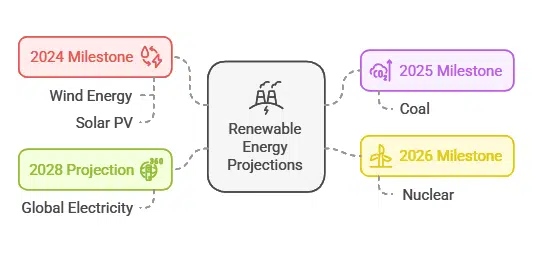
The International Energy Agency (IEA) forecasts several significant milestones for renewable energy in the coming years:
- In 2024, wind and solar PV combined will generate more electricity than hydropower
- By 2025, renewables will surpass coal as the largest source of electricity generation
- Wind and solar PV will each surpass nuclear electricity generation in 2025 and 2026 respectively
- In 2028, renewable energy sources are projected to account for over 42% of global electricity generation
These projections highlight the accelerating transition towards a renewable-powered future and underscore the growing importance of clean energy technologies in our global energy mix.
Environmental Benefits of Renewable Energy
One of the primary reasons why renewable energy is crucial for our future is its positive impact on the environment. Unlike fossil fuels, renewable sources produce little to no greenhouse gas emissions during operation, making them essential tools in the fight against climate change.
Reduced Carbon Emissions
Renewable energy sources significantly lower carbon dioxide emissions compared to conventional fossil fuels. According to the Union of Concerned Scientists, wind, solar, and hydroelectric systems generate electricity with no associated air pollution emissions. This reduction in greenhouse gases is critical for mitigating the impacts of global warming and achieving international climate goals.
Improved Air and Water Quality
By replacing fossil fuel-based energy generation, renewables help improve air and water quality. This has significant implications for public health, as air pollution from fossil fuel combustion is a major contributor to respiratory diseases and premature deaths worldwide.
Economic Advantages of Renewable Energy
Beyond environmental benefits, renewable energy offers substantial economic advantages that make it an attractive option for future energy development.
Job Creation and Economic Growth
The renewable energy sector is a significant source of employment and economic growth. According to the International Renewable Energy Agency (IRENA), the renewable energy industry employed 11.5 million people globally in 2019. This number is expected to grow substantially as the sector expands.
Cost Competitiveness
Renewable energy technologies have become increasingly cost-competitive with fossil fuels. In many parts of the world, solar and wind power are now the cheapest sources of new electricity generation. This cost advantage is expected to continue improving, making renewables an economically attractive option for future energy investments.
| Energy Source | Levelized Cost of Electricity (LCOE) in 2023 |
| Solar PV | $0.048 per kWh |
| Onshore Wind | $0.053 per kWh |
| Coal | $0.108 per kWh |
| Natural Gas | $0.071 per kWh |
Source: IRENA Renewable Power Generation Costs in 2023
Energy Security and Independence
Renewable energy sources contribute to enhanced energy security and independence for countries around the world.
Reduced Reliance on Imported Fuels
By harnessing domestic renewable resources, countries can reduce their dependence on imported fossil fuels. This decreases vulnerability to price volatility and geopolitical tensions associated with oil and gas markets.
Decentralized Energy Production
Renewable energy systems, particularly solar and wind, allow for more decentralized energy production. This can improve grid resilience and reduce the risk of large-scale power outages.
Technological Innovation and Future Potential
The renewable energy sector is driving significant technological innovation, opening up new possibilities for future energy systems.
Advancements in Energy Storage
Improvements in energy storage technologies, particularly battery systems, are addressing the intermittency challenges associated with some renewable sources. This is making renewable energy more reliable and dispatchable.
Smart Grid Integration
The development of smart grid technologies is enabling better integration of renewable energy sources into existing power systems, improving efficiency and reliability.
Challenges and Future Outlook
While renewable energy offers numerous benefits, there are still challenges to overcome for widespread adoption.
Intermittency and Storage
The variable nature of some renewable sources, like solar and wind, presents challenges for grid stability. Continued advancements in energy storage and grid management technologies will be crucial for addressing these issues.
Infrastructure and Investment Needs
Transitioning to a renewable-based energy system requires significant infrastructure development and investment. The International Energy Agency estimates that investments in clean energy and infrastructure will need to double by 2030 to meet global climate goals.
Takeaways
why renewable energy is important for the future is clear. As we strive to create a more sustainable, resilient, and prosperous world, renewable energy technologies offer a solution that addresses both environmental concerns and economic opportunities.
By embracing renewable energy, we can pave the way for a cleaner, more sustainable energy paradigm that benefits both current and future generations.