Value is no longer measured solely in gold bars, oil reserves, or financial investments. Increasingly, the most precious resource is information. From the way businesses analyze customer behavior to how governments make policy decisions, data has become the cornerstone of modern society. When information becomes the new currency, it changes how organizations compete, how individuals live their lives, and how societies are shaped.
The Shift from Tangible to Digital Value
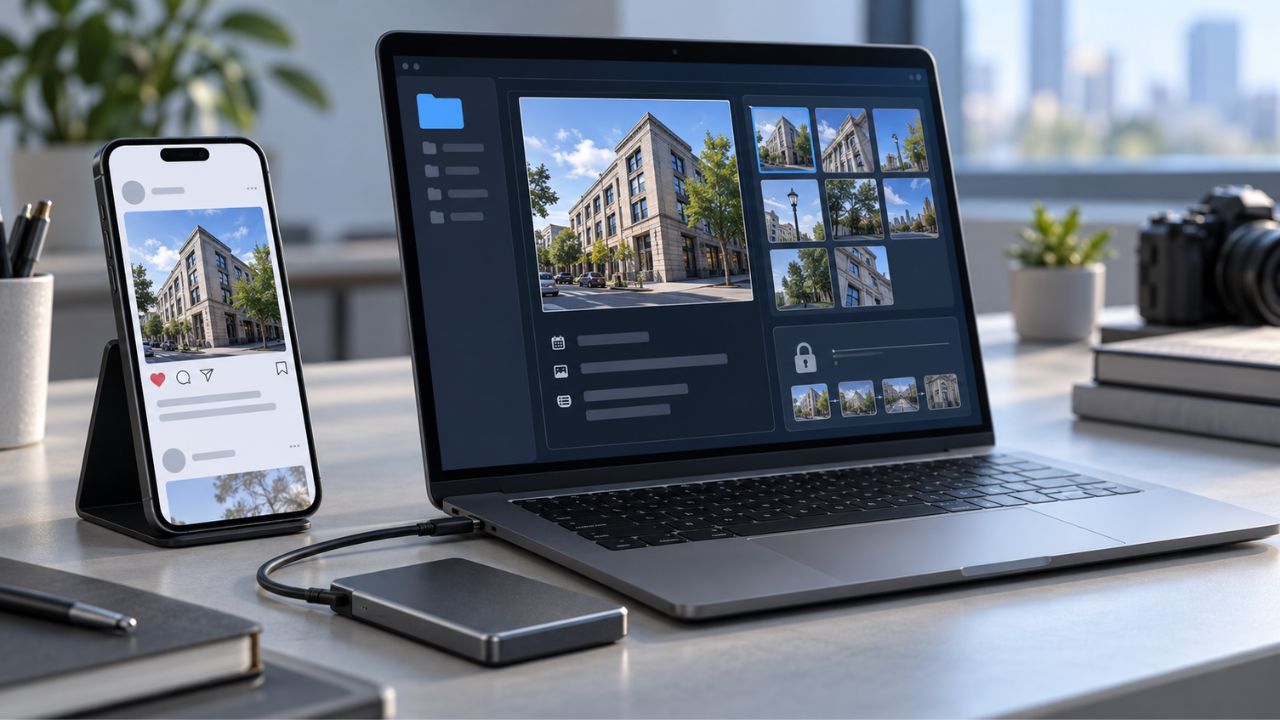
The idea of wealth used to revolve around physical assets. Owning land, property, or natural resources was the surest way to maintain power. With the rise of digital technology, the balance has shifted. Tech giants, for example, generate enormous revenue not from owning physical goods but from collecting and processing vast amounts of user data.
The true power of this new currency lies not just in ownership but in interpretation. Companies that can take raw information and transform it into actionable insights are the ones that dominate markets. This shift represents a profound transformation in how economies grow and how influence is measured.
Why Information is So Powerful
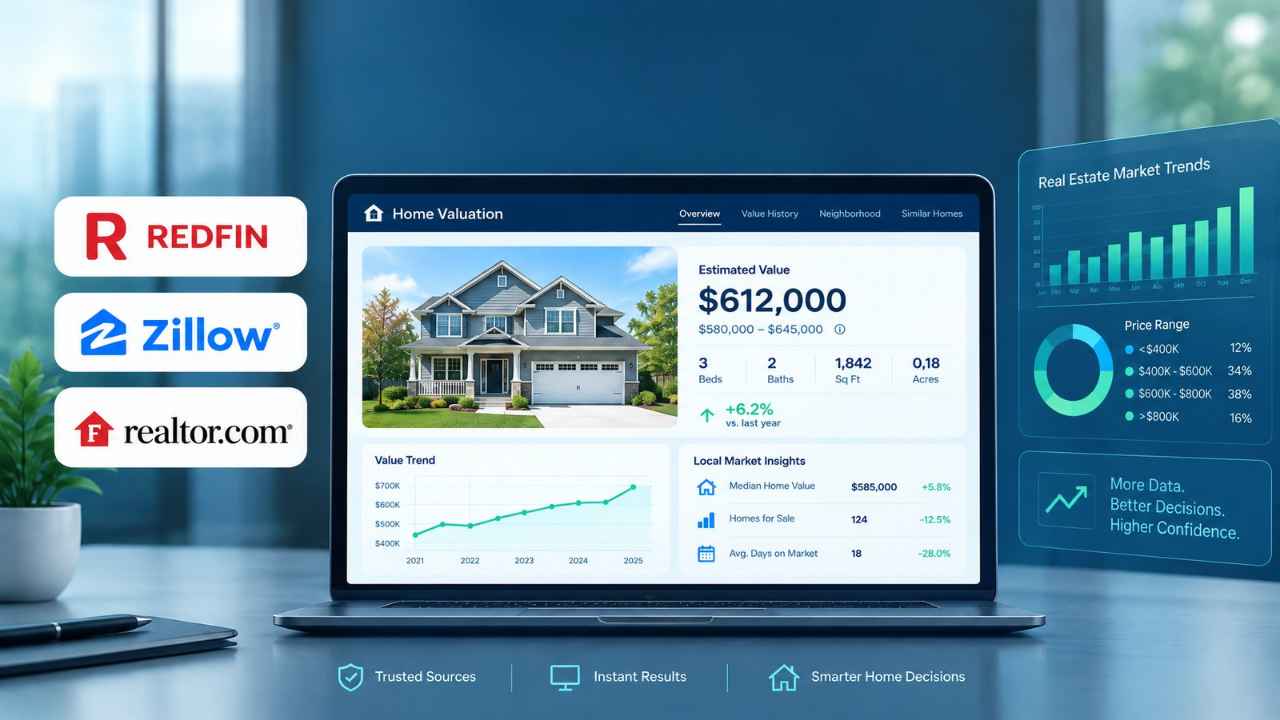
At its core, information empowers decision-making. Businesses use it to understand consumer preferences, predict trends, and optimize supply chains. Governments rely on it for everything from public health planning to national security. Individuals, too, now wield information more directly through personal data that can influence everything from credit ratings to targeted advertising.
What makes this form of currency unique is its infinite potential. Unlike finite resources, data can be duplicated, shared, and enriched without diminishing its value. However, this abundance also brings challenges; chief among them being security and trust.
Risks of the Information Economy
With such value placed on information, the stakes have never been higher for keeping it secure. Breaches, leaks, and misuse of data can devastate individuals and organizations alike. Financial losses, reputational damage, and even national security risks can emerge from poor data practices.
The new economy also creates inequality. Those with the tools to collect and interpret vast data sets have an advantage over those who don’t. This digital divide can lead to power imbalances between corporations, governments, and individuals.
Another challenge is ethical. When information is currency, questions arise about ownership, consent, and fairness. Should companies profit from personal data without transparent agreements? How much control should individuals have over the digital trails they leave behind? These are pressing issues society has yet to fully address.
Safeguarding the New Currency
As with any currency, trust and protection are essential. Just as banks safeguard financial assets, organizations now need to safeguard their information assets. This requires robust policies, cutting-edge technology, and constant vigilance.
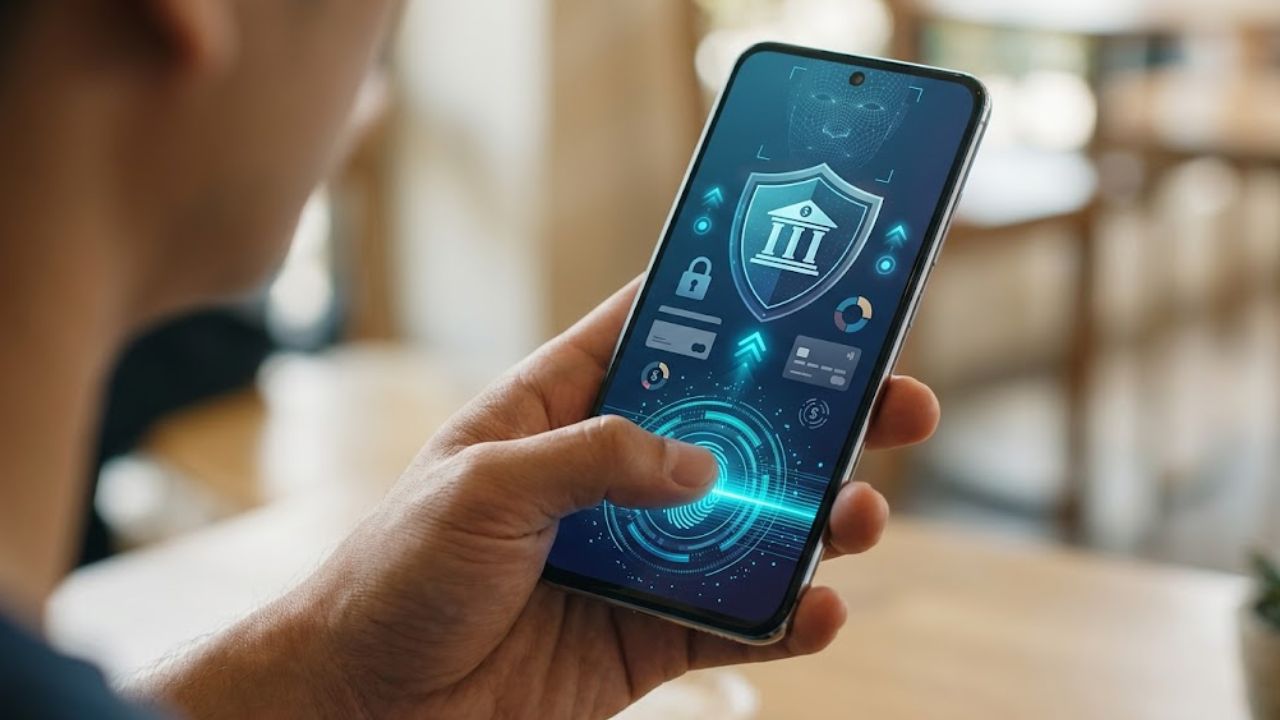
One important development in this space is DSPM, or Data Security Posture Management. This approach helps organizations identify, monitor, and secure their data assets across complex digital environments. By ensuring that sensitive information is protected at every stage, businesses can reduce risks while still unlocking the full potential of their data.
Beyond technology, culture matters too. Employees and consumers alike must be educated about data responsibility. Awareness and accountability can turn potential weak points into strengths, ensuring that the currency of information remains valuable without being exploited.
The Future of an Information-Driven World
Looking ahead, the role of information in shaping the future will only deepen. Artificial intelligence, machine learning, and quantum computing will accelerate the pace at which data is processed and interpreted. The organizations that thrive will not necessarily be those with the most information, but those that treat it wisely, balancing innovation with responsibility.
People may even see new models of ownership emerge, where individuals reclaim control of their personal information and choose when and how it can be used. This could redefine the relationship between people, businesses, and governments in profound ways.
Conclusion
The phrase “knowledge is power” has taken on a whole new dimension in the digital age. When information becomes the new currency, the way people define wealth, security, and opportunity transforms. With thoughtful management, ethical practices, and the right tools, society can harness the power of data while minimizing its risks. In the end, how people value and protect information will define the future of economies and lives.