


Managing debt can be overwhelming, but the key to regaining control of your finances lies in reducing unnecessary spending and adopting smart financial habits.
Many people struggle with debt due to lifestyle inflation and poor financial planning, making it essential to reassess spending patterns.
By implementing practical strategies, you can cut down on expenses and free up funds for debt repayment, allowing for a more sustainable financial future.
Additionally, mindful spending not only improves your financial health but also reduces stress and anxiety associated with mounting debt.
In this guide, we will explore eight simple ways to cut expenses and free up money for debt repayment.
These methods will not only help you save but also accelerate your journey toward financial freedom, offering you greater flexibility and control over your money.
Why Cutting Expenses is Crucial for Debt Repayment?
Before diving into specific ways to cut expenses and free up money for debt repayment, it’s essential to understand why expense reduction is critical.
- Increased Debt Payments: Lowering your spending allows you to allocate more money toward reducing debt, helping you pay it off faster and reduce overall interest payments.
- Less Financial Stress: Reducing expenses helps maintain a balanced budget, preventing financial strain and the anxiety that comes with debt accumulation. Having a well-managed budget ensures a better quality of life with reduced financial worries.
- Better Credit Score: Paying off debt quickly improves your credit utilization ratio, one of the most significant factors in determining your credit score. A higher credit score can lead to better loan offers, lower interest rates, and improved financial opportunities.
- Greater Savings Potential: Once debts are repaid, the freed-up money can be redirected toward savings, investments, and building an emergency fund. Financial security is achieved by having funds available for unexpected expenses, eliminating the need for further borrowing.
- Improved Financial Discipline: Cutting expenses fosters long-term money management habits that prevent future debt accumulation. It encourages conscious spending, reducing the likelihood of falling back into the cycle of overspending and debt.
- Flexibility to Pursue Financial Goals: Whether it’s homeownership, travel, or early retirement, having a well-managed budget allows you to allocate resources toward personal and financial aspirations.
By carefully identifying unnecessary spending, making conscious financial decisions, and prioritizing essential expenses, you can successfully manage debt and create a path toward long-term financial stability.
Developing strong financial habits, such as consistently tracking your expenses and setting spending limits, ensures that you remain in control of your finances.
Additionally, adopting money-saving strategies, like negotiating bills, cutting discretionary costs, and leveraging cashback programs, can significantly boost your ability to pay off debt more efficiently.
When these approaches are combined with discipline and a clear financial plan, achieving debt freedom becomes a tangible reality.
8 Simple Ways to Cut Expenses and Free Up Money for Debt Repayment
Managing personal finances effectively requires a proactive approach. By cutting unnecessary expenses and redirecting funds towards debt repayment, you can achieve financial freedom faster.
The following strategies will help you identify areas where you can save and optimize your spending habits.
1. Track Your Spending and Set a Realistic Budget
One of the most effective ways to cut expenses and free up money for debt repayment is by tracking where your money goes.
A budget allows you to control spending and prioritize essentials. Without a structured financial plan, it’s easy to lose track of spending, leading to unnecessary debt accumulation.
Steps to Create a Budget:
| Step | Action |
| 1 | Analyze Current Spending: Use budgeting apps like Mint, YNAB, or a simple spreadsheet to track daily expenses. |
| 2 | Categorize Expenses: Separate expenses into fixed (rent, utilities) and variable (dining, entertainment) costs. |
| 3 | Set Limits: Allocate specific amounts for each category and identify areas where you can cut back. |
| 4 | Monitor & Adjust: Regularly review your budget to ensure you are staying on track. |
Additional Tips for Budgeting Success:
- Implement the 50/30/20 rule, where 50% of income goes to needs, 30% to wants, and 20% to debt repayment and savings.
- Set realistic goals, such as reducing dining-out expenses by 20%.
- Consider using envelope budgeting to allocate cash for discretionary spending.
2. Reduce Unnecessary Subscriptions and Memberships
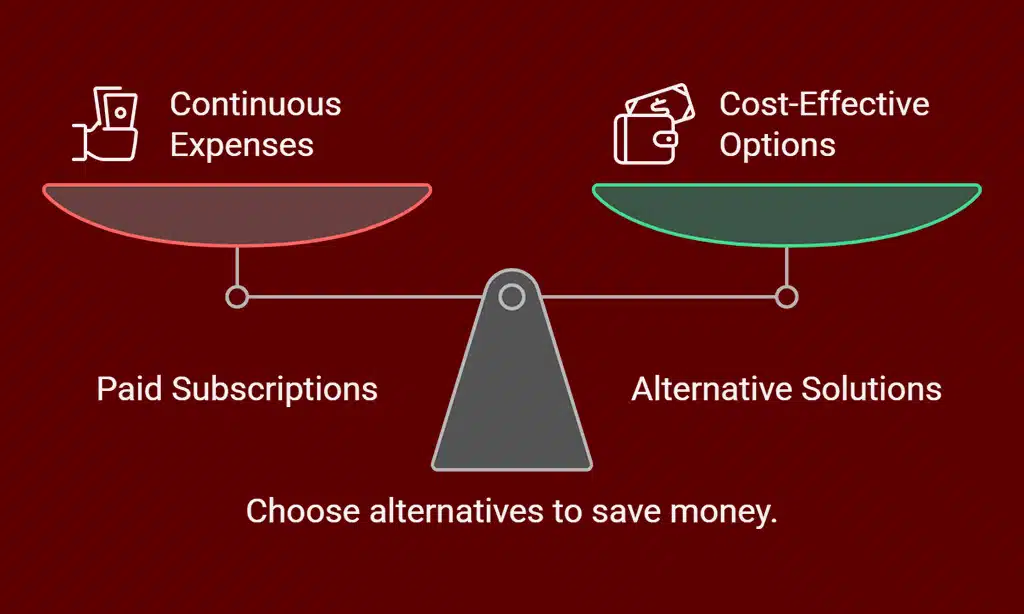
In today’s digital age, many people subscribe to multiple streaming services, magazines, and memberships they rarely use.
Eliminating these unnecessary expenses can significantly free up money for debt repayment.
Many users forget about auto-renewals, leading to continuous charges for services they no longer need.
How to Cut Subscription Costs:
| Subscription Type | Alternative Solutions |
| Streaming Services | Share accounts or switch to free platforms like YouTube. |
| Gym Memberships | Opt for home workouts using online fitness videos. |
| Magazines | Read free online content instead of paid subscriptions. |
| Software Services | Use open-source or free alternatives. |
Additional Ways to Save:
- Use subscription tracking apps like Truebill to identify and cancel unused memberships.
- Negotiate with providers for lower rates or seasonal discounts.
- Switch to pay-as-you-go services where applicable.
3. Cut Down on Dining Out and Cook at Home
Dining out frequently can drain your finances. Cooking at home is one of the best ways to cut expenses and free up money for debt repayment. Besides being budget-friendly, home-cooked meals can be healthier and customizable.
Cost Comparison: Home-Cooked vs. Restaurant Meals
| Meal Type | Average Cost Per Meal | Monthly Expense (30 Meals) |
| Restaurant | $15 | $450 |
| Home-Cooked | $5 | $150 |
| Savings | $10 per meal | $300 per month |
Additional Money-Saving Meal Planning Tips:
- Plan weekly meals and buy groceries accordingly.
- Use discount grocery stores and bulk purchasing options like Costco.
- Prep meals in advance to avoid last-minute takeout temptations.
4. Shop Smarter and Use Cashback & Discount Strategies
Smart shopping is an excellent way to reduce expenses while still getting what you need. Planning purchases and utilizing discounts can result in significant savings over time.
Tips for Smart Shopping:
| Strategy | Description |
| Cashback Apps | Use Rakuten, Honey, and Ibotta to earn cashback on purchases. |
| Store Sales | Buy in bulk when items are on sale. |
| Coupons | Apply digital and paper coupons for additional discounts. |
| Avoid Impulse Buying | Make a shopping list and stick to it. |
Additional Shopping Tips:
- Sign up for loyalty programs to get exclusive discounts.
- Shop during seasonal sales for better deals.
- Use price comparison websites before making purchases.
5. Lower Utility Bills with Simple Energy-Saving Tips
High utility bills can take a toll on your finances. Cutting down on energy consumption can lead to significant savings. Small changes in your daily routine can have a big impact on your overall monthly expenses.
Energy-Saving Checklist:
| Action | Potential Savings |
| Switch to LED Bulbs | Reduces electricity usage by 75%. |
| Unplug Devices | Eliminates phantom energy waste. |
| Use Programmable Thermostats | Saves on heating and cooling costs. |
| Fix Water Leaks | Reduces unnecessary water usage and bills. |
Additional Energy-Saving Hacks:
- Install low-flow showerheads to conserve water.
- Use solar-powered outdoor lighting.
- Optimize appliance usage by running full loads in the dishwasher or washing machine.
6. Use Public Transportation or Carpool to Save on Commuting Costs
Transportation costs, including gas, maintenance, and insurance, can significantly impact your budget.
Opting for public transport or carpooling can drastically cut commuting expenses and free up funds for debt repayment.
Ways to Reduce Commuting Costs:
| Method | Benefit |
| Public Transit | Saves on fuel and parking costs. |
| Carpooling | Splits fuel costs among passengers. |
| Biking/Walking | Completely eliminates commuting costs. |
| Car Maintenance | Regular servicing prevents costly repairs. |
Additional Commuting Tips:
- Look for monthly or yearly public transportation passes for extra savings.
- Use fuel rewards programs if driving is necessary.
- Work remotely whenever possible to reduce commuting expenses.
7. Negotiate Bills and Cut Down on Unnecessary Fees
Many service providers are open to negotiation, and reducing bills can have an immediate impact on your savings.
Whether it’s your phone bill, insurance, or internet subscription, you can often secure better rates just by asking.
Bills You Can Negotiate:
| Bill Type | Negotiation Strategy |
| Internet & Cable | Call providers for promotional rates. |
| Insurance | Compare quotes and ask for better deals. |
| Credit Card Fees | Request fee waivers for good standing customers. |
| Bank Charges | Switch to no-fee accounts to save. |
Additional Money-Saving Negotiation Tips:
- Threaten to switch providers if they don’t offer a better deal.
- Bundle services together to get discounted packages.
- Ask for loyalty discounts if you’ve been a long-term customer.
8. Embrace a Minimalist Lifestyle and Reduce Impulse Spending
Minimalism encourages focusing on needs rather than wants, which helps eliminate wasteful spending. By practicing mindful consumption, you can make better financial decisions and reduce unnecessary purchases.
Practical Minimalist Tips:
| Approach | Benefit |
| Declutter & Sell | Generates extra cash. |
| 30-Day Rule | Helps avoid impulse purchases. |
| Prioritize Needs | Encourages mindful spending over unnecessary buys. |
| DIY & Repurpose | Reduces spending on disposable or redundant items. |
Additional Ways to Practice Minimalism:
- Adopt a capsule wardrobe to cut clothing expenses.
- Borrow or rent items instead of purchasing them outright.
- Focus on experiences over material possessions.
By implementing practical strategies, you can cut down on expenses and free up funds for debt repayment.
Takeaways
By applying these eight simple ways to cut expenses and free up money for debt repayment, you can take control of your financial future.
Small, consistent changes can lead to significant savings, allowing you to become debt-free sooner. Start implementing these strategies today and watch your financial situation improve.
What are your favorite money-saving tips? Share them in the comments below!
























