

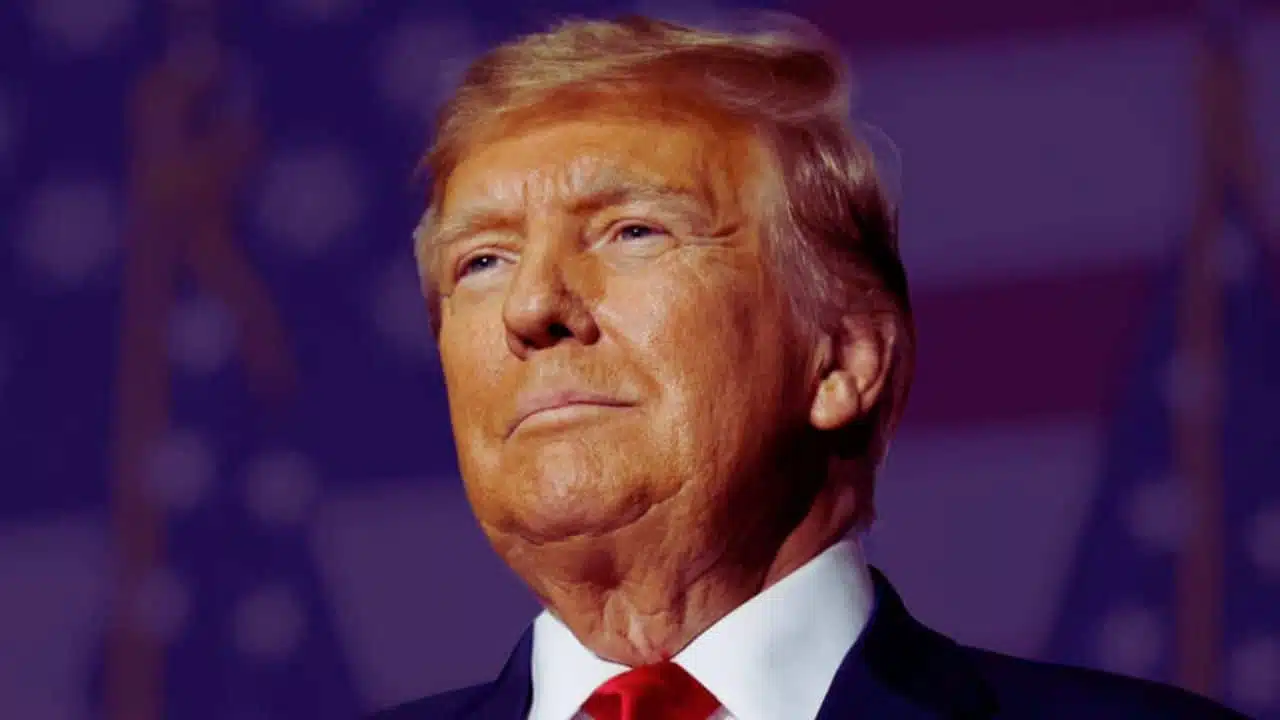
At midnight Eastern Time on Thursday, President Donald Trump officially enforced a broad package of new import tariffs, targeting goods from over 60 countries and the European Union. The move marked the culmination of months of warnings, threats, and policy shifts that had already caused economic anxiety both within the United States and among its global trading partners.
Under the new directive, goods entering the U.S. from these regions now face significantly higher taxes. Imports from the European Union, Japan, and South Korea are now subject to a 15% tariff rate, while goods from Taiwan, Vietnam, and Bangladesh face even steeper duties of 20%. Other nations fall under a base rate of 10% or more, depending on the product and country of origin.
The new trade policy is being promoted by the Trump administration as a step toward restoring fairness in global commerce and reasserting American economic strength. The administration expects key partners, including Japan, South Korea, and the EU, to significantly increase their investment in the United States in response to these new rules.
Trump Celebrates Tariffs as Economic Leverage
President Trump responded to the activation of the tariffs with celebratory posts on his social media platform, emphasizing that billions of dollars in new revenue would now be collected from foreign exporters. He positioned the tariffs as a means of redirecting wealth back into the U.S. economy after years of what he considers unfair treatment by international trade partners.
Despite the public optimism expressed by the administration, the full economic impact of the policy shift remains uncertain. Trump has claimed that these tariffs will generate hundreds of billions of dollars, but no concrete projections or detailed breakdowns have been provided. Administration officials acknowledge that even they do not yet know the exact revenue figures, as the final calculations depend on ongoing trade volumes and compliance by importers.
Policy Justification and Strategy
According to the White House, the objective behind these tariffs is to provide long-term economic clarity. By signaling a firm direction on trade, the administration believes businesses can make more confident decisions about investing in domestic manufacturing, hiring, and infrastructure development. The broader goal is to rebalance the U.S. economy by reducing dependency on foreign production and reviving American industry.
The strategy also includes pressuring foreign governments to make new trade and investment commitments with the U.S., which the administration views as a way to accelerate domestic growth.
Early Signs of Economic Strain
However, economic indicators suggest the early consequences of the tariff threats have already taken a toll on the U.S. economy. Starting in April—when the tariff campaign gained momentum—reports began to show a slowdown in hiring, rising inflationary pressure, and declining home values in some major markets.
According to economists, the uncertainty caused by fluctuating tariff announcements and inconsistent implementation led many companies to delay decisions on expansion, hiring, and long-term planning. Businesses in sectors reliant on international supply chains, such as manufacturing and construction, were particularly affected.
John Silvia, CEO of Dynamic Economic Strategy, has analyzed the data and observed that a less productive economy leads to fewer jobs. Additionally, he notes that higher tariffs can reduce workers’ real wages, as companies facing increased costs may struggle to maintain salary levels. The result is a weaker labor market and reduced consumer spending power.
Economists Warn of Long-Term Risks
While there has not yet been a full economic downturn, many analysts warn that the effects of such sweeping tariffs may unfold gradually rather than through immediate economic collapse. Georgetown University professor Brad Jensen explained that the consequences may resemble “sand in the gears” of the economy—slowing growth subtly and persistently over time.
Rather than causing dramatic disruptions overnight, the tariffs are expected to apply steady pressure to sectors like retail, logistics, manufacturing, and agriculture. Importers will face higher costs, which are likely to be passed on to consumers. Exporters may face retaliation from foreign governments, further complicating global trade relationships.
Trade Deficit Remains High
Ironically, rather than shrinking the trade deficit—a key goal of Trump’s policy—the numbers show the opposite trend. In the first half of 2025, the U.S. recorded a trade imbalance of $582.7 billion, which is 38% higher than the same period in 2024.
This rise is partly due to U.S. companies accelerating imports before the tariffs took effect, aiming to stockpile goods at lower costs. While this frontloading temporarily boosted trade volumes, it also exacerbated the deficit and may lead to future shortages or price hikes when those inventories run out.
Construction Slows and Manufacturing Job Losses
According to data from the Department of Commerce, construction spending has declined by 2.9% over the past year. The promised resurgence of factory jobs has not materialized either—in fact, the opposite trend is being observed. Job losses in manufacturing have outpaced gains in other sectors, as companies face rising input costs and delayed investments.
This weak performance raises further questions about whether the administration’s expectations of a manufacturing revival are grounded in reality.
Confusion and Poor Communication
The rollout of the tariffs has also been marred by inconsistent communication and bureaucratic confusion. Some trade partners were unclear about the exact implementation date, with officials uncertain whether the tariffs would begin on Thursday or Friday. The language in the July 31 presidential order referenced a seven-day delay, creating ambiguity.
Even senior officials within the U.S. government appeared unsure of the timeline. When asked directly whether the tariffs would begin at midnight on Thursday, White House National Economic Council Director Kevin Hassett deferred to the U.S. Trade Representative’s office, providing no definitive answer.
More Tariffs on India and Swiss Products
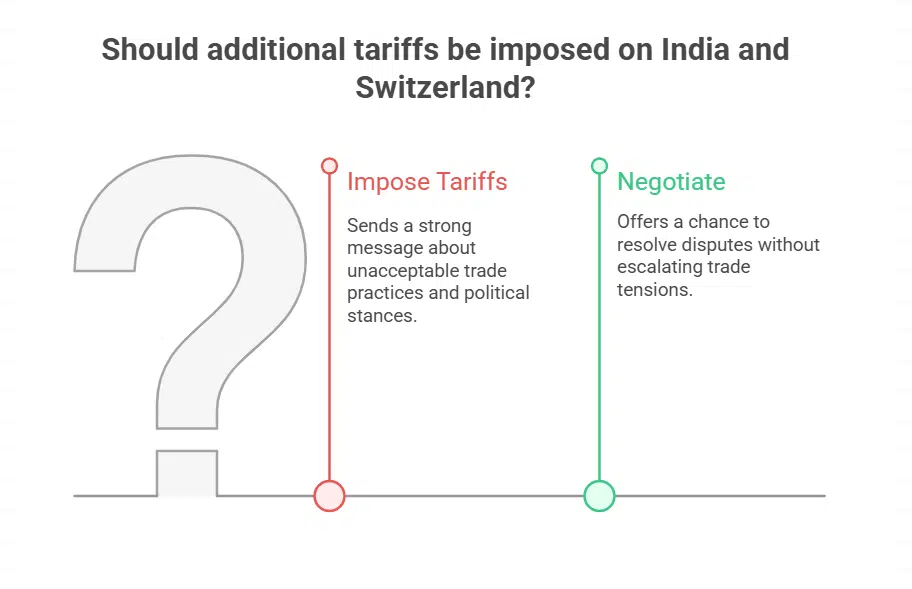
Further complicating global trade relations, President Trump also announced an additional 25% tariff on imports from India, raising their total tax rate to 50%. The reason cited was India’s continued purchase of Russian oil, a move the administration considers politically and economically unacceptable.
India’s Foreign Ministry has pushed back against the move, labeling the new duties as unjust and unreasonable. Meanwhile, Swiss officials held an emergency meeting after failing to persuade U.S. negotiators to cancel a planned 39% tariff on Swiss products.
New Tariffs on Chips and Pharmaceuticals
Looking ahead, the Trump administration has plans to extend tariffs to additional sectors. This includes 100% import taxes on computer chips, which are critical for industries like consumer electronics, healthcare, and defense. There is also talk of applying tariffs to pharmaceutical imports, a move that could significantly affect drug pricing and availability in the U.S. market.
These policies have raised concerns among healthcare providers, tech companies, and international partners alike, who argue that such moves could backfire and hurt American consumers more than they help domestic producers.
Legal Challenges Ahead
The legal foundation of the tariffs is also under scrutiny. President Trump used a 1977 economic emergency law to justify the actions. However, critics argue that this law was not intended to support sweeping trade measures and that the use of emergency powers in this way may be unconstitutional.
A U.S. appeals court is currently reviewing the legality of the move. If the judges rule against the administration, Trump may need to find an alternative legal justification to maintain the tariffs, or risk having them overturned.
Republican Dissent and Public Concern
Even some former allies are raising concerns. Former Republican House Speaker Paul Ryan, who worked with Trump during his first term, has criticized the new wave of tariffs. He believes the policy lacks consistency and is based more on personal opinion than economic strategy.
At the same time, working-class Americans are already feeling the impact. Rising prices, stalled wages, and delayed job growth are becoming a reality in several sectors, even as the administration maintains that long-term benefits will eventually materialize.
Markets Hold Steady—for Now
Despite the chaos surrounding the tariffs, the U.S. stock market has remained resilient. The S&P 500 has climbed more than 25% since its low in April, possibly buoyed by investor optimism about long-term tax cuts and fiscal stimulus signed into law on July 4.
This market momentum has provided temporary reassurance to the administration, giving them confidence that the economy will accelerate in the coming months. However, economists caution that stock prices do not always reflect broader economic health, especially for average American households.
A High-Stakes Gamble
The Trump administration is betting big on tariffs as a tool to rebuild American industry, reduce reliance on foreign imports, and force global partners to make concessions. However, the short-term impact shows signs of stress across multiple areas of the economy—from manufacturing and construction to employment and consumer spending.
The ultimate success of this strategy will likely depend on a combination of legal battles, economic adaptability, and global responses. For now, uncertainty remains high, and the consequences of this bold trade shift will continue to unfold in the months—and possibly years—ahead.





















