
Preparing for the MCAT is a long journey, and one of the most difficult sections for many students is the CARS section—Critical Analysis and Reasoning Skills. Unlike the other parts of the exam, the MCAT CARS section does not rely on memorized facts or scientific equations. Instead, it evaluates how well you understand, interpret, and reason through complex ideas. For many, this is the most challenging component of their MCAT prep.
To succeed, it’s crucial to apply a proven MCAT CARS strategy early in your preparation. In this guide, we’ll break down some of the most effective strategies and tips that have helped thousands of students boost their CARS score and feel more confident on test day.
Understanding the CARS Section
What Does the CARS Section Test?
The CARS MCAT section consists of nine passages, each followed by five to seven questions. These CARS passages are pulled from topics in social sciences and humanities, including philosophy, literature, ethics, and cultural studies. You’re not expected to have any prior knowledge—in fact, relying on outside knowledge can hurt your performance.
The purpose is to test critical analysis and reasoning by assessing how well you can interpret the main idea, identify the author’s tone, and evaluate the logic behind answer choices. Each passage challenges your reasoning skills and ability to draw conclusions based strictly on the passage itself.
The Most Effective Strategies for the CARS Section
1. Focus on Comprehension First
Start by reading for understanding. Don’t try to memorize facts—instead, try to grasp the main point of the entire passage. Many wrong answers are designed to trap you if you misunderstand this core idea. Students who identify the author’s intent and argument structure typically answer more CARS questions correctly.
2. Use a Proven Strategy
Rather than jumping between different approaches, stick with a consistent CARS strategy. For instance, some students read the passage slowly and answer questions one by one. Others skim first, then analyze the question stems before re-reading relevant sections. Whatever you choose, use the same strategies during practice so that you’re not improvising on test day.
3. Practice Reasoning Beyond the Text
The hardest questions require reasoning beyond the text. These aren’t asking you to summarize—they’re testing how well you can apply the author’s logic to new ideas. That’s why AAMC logic and the style of AAMC material are so important to simulate.
Common Mistakes to Avoid
1. Using Outside Knowledge
Your prior knowledge can betray you in CARS. If an answer seems right based on what you know from class or research but contradicts the passage, it’s likely incorrect. Always stick to the text.
2. Rushing Through the First Passage
The first passage sets your rhythm. If you rush through it, you may feel off-balance for the rest of the section. Take time to warm up your brain and get into the flow of critical analysis.
3. Not Double-Checking Question Stems
Many students miss questions because they misread what the test writers are asking. Take a moment to double check if you’re being asked for the main idea, author’s opinion, or an example from the passage.
How to Practice Effectively
1. Daily Reading and Practice
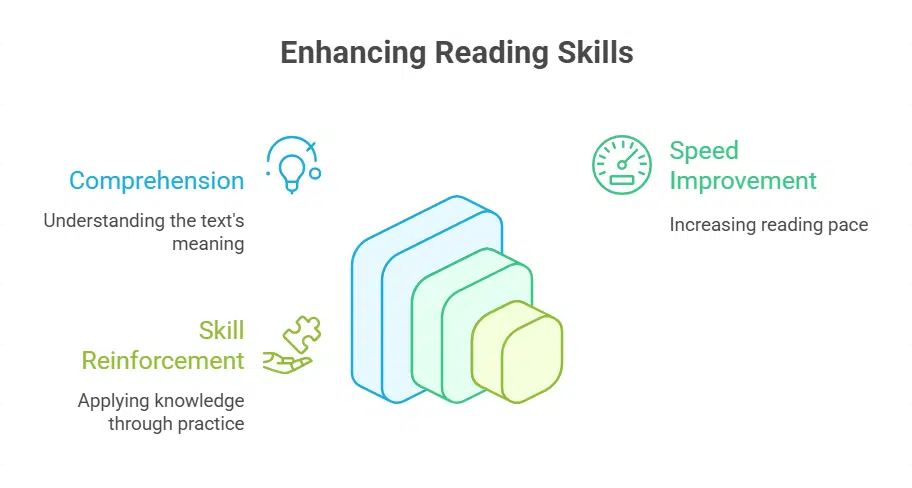
Improving your reading speed and comprehension takes time. Read articles from sources similar to CARS passages, like academic essays or opinion columns. Then, tackle practice CARS questions to reinforce your skills.
2. Review Each Passage Thoroughly
Don’t just check whether you got a correct answer. For each answer choice, ask why it’s right or wrong. This habit helps refine your reasoning and recognize patterns in incorrect choices.
3. Use Diagnostic Tools
A CARS diagnostic tool can show your strengths and weaknesses. Resources like CARSBooster allow you to see which types of questions you consistently miss—whether it’s main idea, author’s tone, or reasoning beyond the text.
Tips for Test Day Success
1. Master Time Management
You have just over 90 seconds per question, so every second matters. Don’t waste time on a confusing answer choice—mark it and move on. Come back later if time allows.
2. Avoid Second-Guessing
Trust your first instinct if you’ve practiced well. Most incorrect choices are designed to look plausible but contradict a small detail in the passage.
3. Answer in Your Own Words
Before reading the answer choices, try to phrase the right answer in your own words. This strategy keeps you grounded in the passage and reduces your chance of being misled.
Final Thoughts: Consistency and Confidence
Improving your MCAT CARS score takes patience. You may not see immediate progress, but over time, applying the right strategies will sharpen your comprehension and boost your confidence. Tools like CARSBooster can help you stay consistent with your study plan and give you access to quality practice material.
Whether you’re a slow reader or someone who struggles with complex ideas, building a foundation in critical analysis and reasoning is possible with persistence.
For additional practice and to refine your strategy further, explore https://boosterprep.com/cars—a resource designed specifically to help pre-meds tackle the CARS section effectively and reach their target MCAT CARS score.