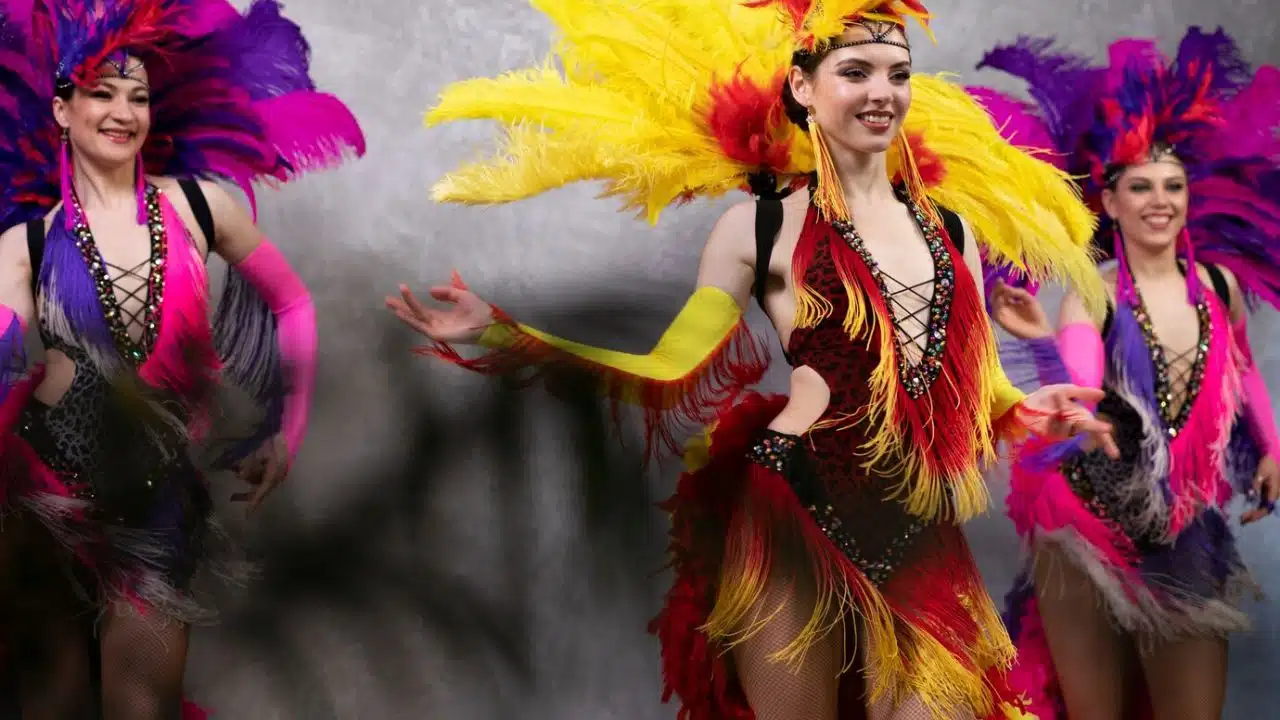
Samba, with its infectious rhythm and passionate dance moves, is the soul of Brazil—a musical genre that embodies the spirit and diversity of the Brazilian people.
Born from a rich tapestry of African, European, and Indigenous influences, samba developed in the early 20th century within Rio de Janeiro’s working-class neighborhoods before growing into a cultural phenomenon that resonates worldwide.
Let’s dive deep into the journey of samba music, its evolution into Brazil’s national pride, and the best places to experience it in Rio de Janeiro today.
The Journey of Samba Music
The origins of samba trace back to the early 1900s, when Brazil was undergoing rapid social and cultural transformations. Following the end of slavery in 1888, a large number of freed African Brazilians settled in Rio de Janeiro, particularly in neighborhoods like Pedra do Sal, known as “Little Africa” due to its Afro-Brazilian community. These neighborhoods became cultural hubs where African descendants could preserve their ancestral traditions, stories, and, most importantly, their music.
African beats brought to Brazil by slaves, particularly from West Africa, heavily influenced the rhythmic foundation of samba. African dance and musical forms like semba from Angola—a term meaning “navel” or “belly,” symbolizing the intimate dance where partners touch their bodies while moving to percussion—played a significant role in samba’s development.
Drums, string instruments, and syncopated rhythms that were unheard of in Brazil before frequently accompanied early samba music. These rhythms, rooted in African culture, brought a sense of identity and unity to Afro-Brazilian communities, becoming a source of both solace and celebration.
As samba took shape, it also incorporated European and Indigenous influences, particularly Portuguese melodies and instruments. This fusion created a distinct sound that symbolized the cultural melting pot of Rio’s working-class neighborhoods, where Afro-Brazilian, Portuguese, and Indigenous traditions merged. In this way, samba became a living representation of Brazil’s multicultural identity.
Samba in Rio’s Streets: The Rise of Rodas de Samba
While samba’s roots were planted in the private gatherings of Afro-Brazilian communities, the genre quickly spread through Rio’s streets, giving rise to the tradition of rodas de samba—street circles of musicians and dancers.
These spontaneous gatherings became a common sight in areas like Pedra do Sal, where people would sing, dance, and play instruments, creating a space for community bonding and artistic expression. Rodas de samba weren’t just music sessions; they were a form of storytelling, where musicians expressed emotions ranging from the struggles of daily life to the joys of freedom and unity.
Over time, the music started to take on more structured forms after initially being characterized by improvised percussion and soulful vocals. Lyrics often carried themes of resilience, celebration, and resistance against societal struggles, resonating deeply with marginalized communities. These gatherings solidified samba’s reputation as a music of the people—a genre rooted in communal experience and expression.
The Birth of Samba Schools and Rio’s Carnival Parades
In the 1920s, samba took a monumental step forward with the creation of escolas de samba (samba schools)—groups that organized musicians, dancers, and artists to promote and preserve samba culture.
These samba schools, such as Mangueira and Portela, transformed samba into a formalized art form complete with elaborate choreography, vibrant costumes, and diverse rhythms. Each school developed its own unique style, embodying a different aspect of Rio’s neighborhoods and communities.
Samba schools became the heart of Rio’s Carnival, a centuries-old festival with European roots that gradually transformed into a unique Afro-Brazilian celebration. By the late 1920s and early 1930s, samba schools began parading through the streets during Carnival, captivating crowds with their stunning costumes, elaborate floats, and synchronized dance routines.
Rio’s Carnival soon became synonymous with samba, evolving into an annual event that draws millions of visitors from around the world.
The emergence of samba schools also brought samba into the Brazilian mainstream. No longer confined to the favelas or working-class neighborhoods, samba began to resonate with middle-class Brazilians and eventually reached national popularity.
The genre quickly evolved as samba schools experimented with new rhythms, song structures, and visual presentations, transforming samba into a dynamic, multifaceted form of expression that continues to evolve to this day.
The Golden Age of Samba: National Symbol and International Success
The 1930s and 1940s marked the “Golden Age” of samba in Brazil, a time when the genre became not only a source of entertainment but also a symbol of Brazilian identity. This period saw the rise of renowned composers, lyricists, and performers like Noel Rosa, Cartola, Ary Barroso, and Carmen Miranda, who played key roles in popularizing samba both within Brazil and abroad.
Their songs, often poetic and socially conscious, captured the essence of Brazilian life, from the joys of love to the challenges faced by the working class.
Radio and cinema were instrumental in spreading samba’s popularity during this era. As radio became more accessible across Brazil, samba music reached a wide audience, bringing the genre into households across the country. As a result of audiences’ enthralment with the music’s vibrancy and rhythm, films featuring samba music increased its popularity.
Carmen Miranda, in particular, became an international icon, introducing samba to the world with her unforgettable performances in Hollywood films. Through her work, samba gained international recognition, forever linking the genre with Brazilian identity.
This period also saw the development of bossa nova, a softer, jazz-influenced style of samba that emerged in the 1950s. Bossa nova’s relaxed rhythm and introspective lyrics gave samba a new dimension, further expanding Brazil’s musical landscape. With its worldwide appeal, bossa nova introduced audiences across the globe to Brazilian music and solidified samba’s influence on international music.
Experiencing Samba in Rio de Janeiro: Where to Go and What to Expect
For those who want to fully immerse themselves in samba culture, Rio de Janeiro remains the ultimate destination. As the birthplace and global epicenter of samba, the city pulses with the genre’s rhythm year-round. But it is during the annual Carnival celebration in February that samba truly reaches its peak.
The Sambadrome Marquês de Sapucaí, a massive avenue lined with open-air bleachers, serves as the central stage for Rio’s world-famous samba school parades during Carnival. Here, samba schools from across Rio compete in a dazzling spectacle of dance, music, and elaborate costumes, each telling a story that reflects Brazil’s cultural richness.
The Sambadrome’s vibrant atmosphere, combined with the stunning performances, makes it an unforgettable experience for visitors and locals alike.
Outside of Carnival, Rio’s neighborhoods offer numerous opportunities to experience samba in more intimate settings. Lapa, with its bohemian vibe and historic architecture, is a hub for live samba music where locals and tourists alike gather in samba bars and clubs.
Rio Scenarium, a popular samba bar in Lapa, features live performances in a beautifully restored 19th-century building, creating a nostalgic ambiance that complements the music. Santa Teresa, another charming neighborhood, is also known for its lively samba scene, with bars and street gatherings where musicians perform classic and modern samba tunes.
For a truly authentic experience, head to Pedra do Sal on Monday nights, where rodas de samba continue to bring people together in a friendly, welcoming environment. This tradition, still going strong over a century after samba’s emergence, allows visitors to experience samba in its most communal form—a celebration of music, dance, and togetherness that captures the spirit of Rio.
Takeaways
Samba is much more than a musical genre; it is a story of Brazil’s cultural heritage, resilience, and joy. From its roots in Rio’s working-class neighborhoods to its place on the international stage, samba has endured as a symbol of Brazilian pride and unity. Today, samba’s rhythms, melodies, and dances continue to inspire and connect people from all walks of life, serving as a reminder of the beauty that arises from cultural diversity.
Whether you’re watching a samba school parade during Carnival, dancing in a lively samba club, or simply listening to the rhythm in Rio’s streets, samba offers an experience that goes beyond music—it’s an invitation to feel the pulse of Brazil.