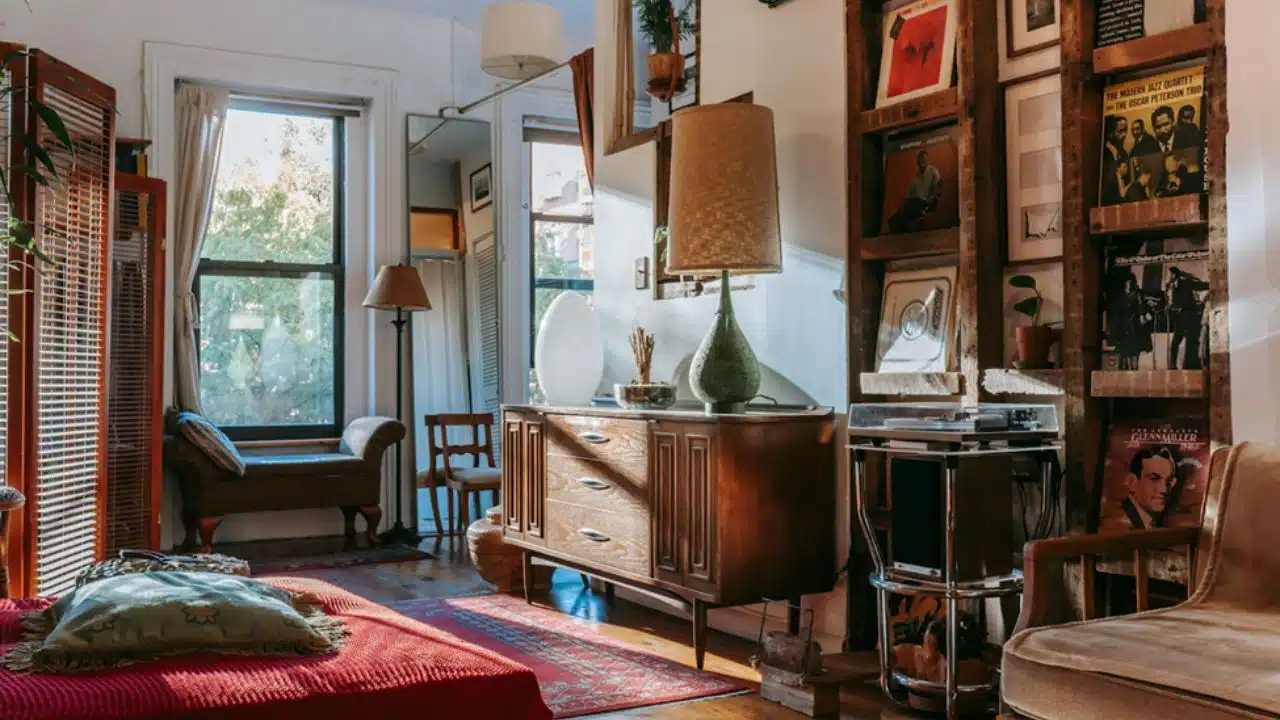
Sustainable home decor is a conscious effort to create a beautiful home while minimizing environmental impact. The right vintage finds not only make your home unique but also tell a story through craftsmanship and history. They often come with superior materials and artistry that have stood the test of time, making them more durable than many modern alternatives.
Knowing which vintage pieces to look for helps you make smart, stylish, and eco-friendly choices. From solid wood furniture to classic lighting fixtures, the best sustainable decor choices balance aesthetics and longevity. Thoughtful curation of vintage elements allows you to craft a space that reflects your personality while maintaining a commitment to sustainability.
Timeless Vintage Furniture for Sustainable Spaces
Choosing vintage furniture is one of the most effective ways to embrace sustainability in home decor. Older pieces are often made with durable materials, showcasing superior craftsmanship that modern furniture sometimes lacks. Investing in these timeless finds ensures a home filled with character and longevity. Additionally, well-preserved vintage furniture reduces landfill waste and minimizes the demand for newly manufactured items that often use non-renewable resources. A well-chosen vintage piece can become a focal point in your home, blending seamlessly with contemporary decor while maintaining a strong connection to history.
1. Mid-Century Modern Pieces
Solid wood coffee tables, teak bookshelves, and minimalist credenzas are not only stylish but also incredibly durable. These pieces blend effortlessly with modern and eclectic interiors while reducing the need for newly manufactured alternatives.
Many mid-century modern designs emphasize simplicity and efficiency, making them easy to integrate into various decor styles. Their streamlined forms and timeless appeal make them investment-worthy additions to any home.
2. Antique Wooden Furniture
Handcrafted oak dining tables, mahogany dressers, and walnut sideboards are built to last for generations.
Antique furniture over contemporary, mass-produced alternatives ensures that resources are preserved rather than wasted. Many antique wooden pieces feature intricate carvings and hand-applied finishes that are difficult to replicate in modern furniture. The natural aging process of solid wood also enhances its beauty, adding depth and richness to the grain over time.
3. Vintage Upholstered Seating
Well-made vintage sofas, armchairs, and dining chairs provide both comfort and sustainability. Pieces with solid wood frames and high-quality upholstery can often be reupholstered rather than discarded. Selecting vintage seating allows you to personalize fabric choices while extending the lifespan of expertly crafted furniture.
Reupholstering a vintage piece also enables you to choose eco-friendly fabrics, such as organic cotton or recycled materials, further reducing your environmental footprint. The combination of classic design and updated textiles results in a one-of-a-kind seating option that is both stylish and sustainable.
Decorative Accessories with History and Charm
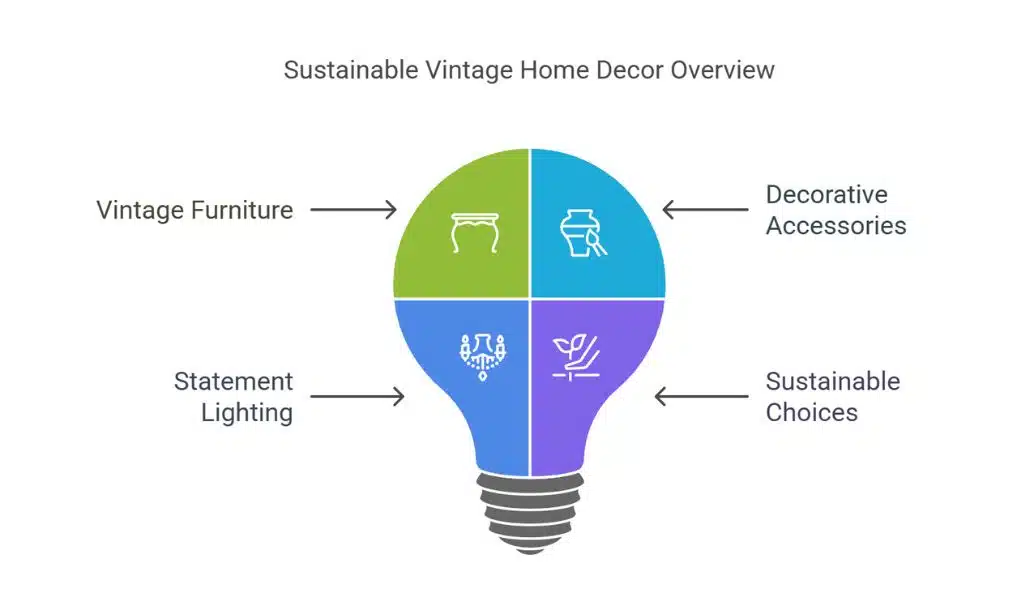
Small details make a big impact, and incorporating these timeless accents can transform your space without contributing to waste. Thoughtfully selected vintage decor pieces also offer an opportunity to support artisans and preserve cultural heritage. Whether you prefer ornate designs or simple, rustic elements, vintage accessories can complement any aesthetic while adding depth and history to your home.
1. Art Deco Mirrors
Art Deco mirrors are striking statement pieces that enhance any room’s aesthetic. Featuring geometric designs, beveled edges, and intricate frames, they add a touch of elegance while repurposing high-quality materials.
- Vintage mirrors maximize light and space while maintaining a sustainable approach to decor.
These mirrors also serve as conversation starters, showcasing a period of design known for its bold yet refined details. Whether hung in an entryway or above a fireplace, an Art Deco mirror can become a standout feature in your home.
2. Handwoven Textiles
Vintage rugs, tapestries, and embroidered linens showcase artisanal craftsmanship that stands the test of time. Persian rugs, kilims, and handwoven blankets bring depth and texture to a space while supporting sustainable living.
These textiles often age beautifully, maintaining their charm for decades when properly cared for. Handwoven pieces are often made using traditional techniques that have been passed down through generations, preserving artistic skills and cultural identities. Investing in vintage textiles ensures that you are supporting ethical practices while enjoying one-of-a-kind decor.
3. Antique Ceramics and Glassware
Antique ceramics and glassware provide functional beauty while reducing reliance on disposable home goods. Hand-painted plates, Murano glass vases, and porcelain tea sets add character to your home while preserving artistic traditions. You can shop vintage plates at Goldpickers and choose from a range of fine china and art glass plates.
Choosing vintage ceramics ensures that unique, high-quality pieces continue to be appreciated rather than discarded. Many antique ceramics feature intricate hand-painted details that are impossible to recreate in mass production. Whether displayed on open shelving or used for special occasions, vintage glassware and ceramics enhance the charm and sustainability of your home.
Statement Lighting with Vintage Appeal
Antique and mid-century lighting options offer distinctive designs that enhance a room’s ambiance while maintaining an eco-friendly ethos. Rewiring and restoring vintage lighting fixtures can extend their usability while preserving their historical integrity. Choosing pre-owned lighting reduces the demand for new manufacturing, which often involves energy-intensive production processes.
1. Industrial Pendant Lights
Industrial pendant lights, often crafted from metal and glass, make excellent additions to kitchens and dining areas. Salvaged factory lights and repurposed barn pendants provide durability and timeless charm.
These fixtures illuminate spaces efficiently while reducing the need for new manufacturing. Their rugged, utilitarian design works well in both modern and rustic interiors, offering a unique aesthetic that feels both functional and stylish. The patina and aged finish of vintage industrial lights add character that new replicas simply cannot replicate.
2. Brass and Crystal Chandeliers
Brass and crystal chandeliers bring a touch of vintage elegance to living and dining spaces. Antique chandeliers, often handcrafted with intricate details, outshine modern mass-produced alternatives.
Choosing a vintage chandelier adds sophistication while contributing to sustainable home styling. Over time, the patina on brass develops a rich, aged finish that enhances its beauty. Whether adorned with cascading crystals or simple candle-style lights, vintage chandeliers create a luxurious atmosphere that cannot be easily replicated with modern designs.
3. Mid-Century Table and Floor Lamps
Teak and brass lamp bases paired with original or repurposed shades create an inviting atmosphere. Opting for vintage lamps allows you to embrace sustainability while adding unique, sculptural elements to your home. The geometric and organic shapes commonly found in mid-century lighting designs add visual interest without overwhelming a space. By restoring and rewiring vintage lamps, you ensure their continued use while reducing waste and energy consumption.
Takeaways
Vintage pieces offer a timeless aesthetic, superior quality, and an environmentally responsible alternative to mass-produced home goods. By choosing well-preserved furniture, accessories, lighting, storage solutions, and kitchenware, you create a home that reflects both style and sustainability. Incorporating vintage elements also allows you to support small businesses, antique dealers, and artisans who specialize in restoring historical pieces.
Every piece you bring into your home tells a story, preserving artistry and heritage while reducing environmental harm. Whether you’re drawn to mid-century modern furniture, antique ceramics, or retro lighting, incorporating vintage finds ensures that sustainability and style go hand in hand.