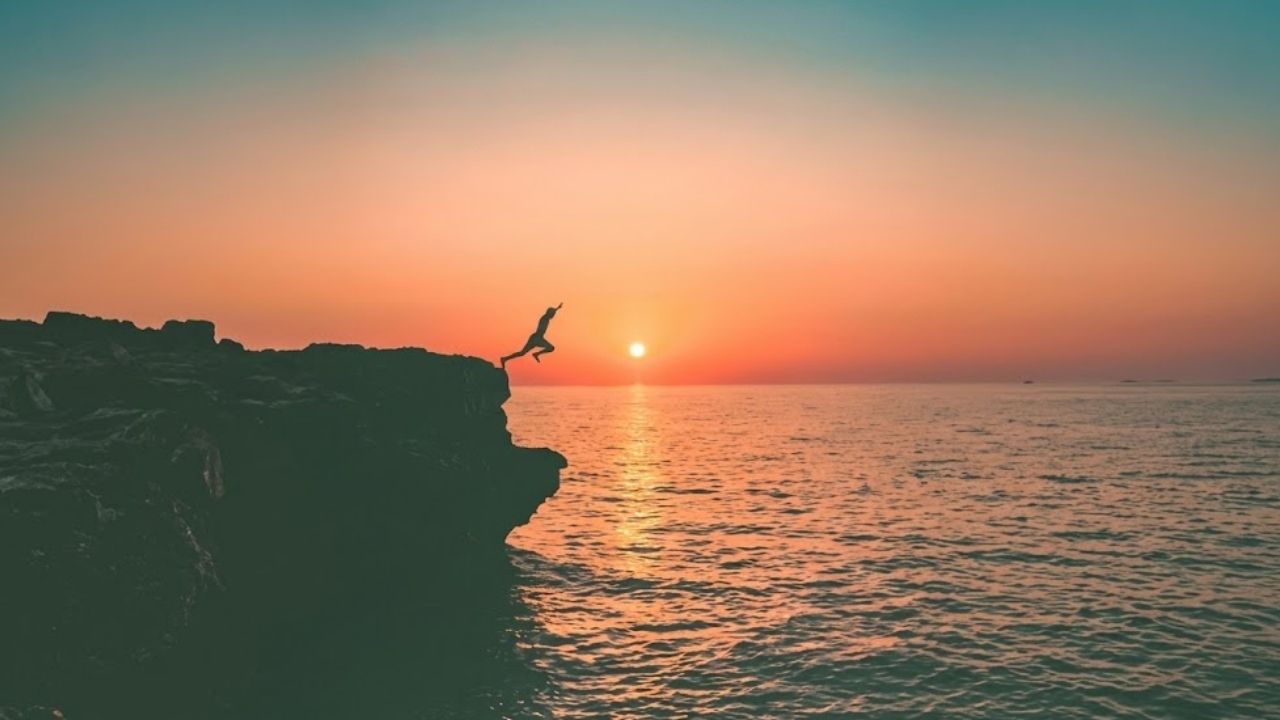
At first glance, surfing and cliff jumping seem like very different pursuits. One is about patience, timing, and riding energy across the water. The other is about a few seconds of freefall and a splash. Look closer, though, and the two share a surprising amount. Both demand respect for the water, a clear understanding of risk, and the ability to stay calm when the body wants to panic. Nate Panza has surfed for most of his life and also counts cliff jumping among his outdoor interests, and the overlap between the two says a lot about what water sports teach.
For anyone who enjoys one, understanding those connections can make the other safer and more rewarding.
Both Start With Reading the Water
Surfers spend years learning to read the ocean. They watch swell, wind, and tide. They look for rip currents, shifting sandbars, and hidden rocks. They know that the surface can hide a lot. Panza has been learning that lesson since he was a kid.
Cliff jumpers need the same mindset. The surface of a lake, river, or cove may look calm and inviting, but it says little about what lies underneath. Depth changes, submerged rocks, logs, and currents all matter. The most important safety step in cliff jumping, checking the landing zone thoroughly before jumping, is rooted in the same principle surfers live by. Never trust the water without understanding it first. Surfers also know that conditions change by the hour. A cove that was deep and calm in the morning may look very different after a tide change or an afternoon of wind, and cliff jumpers benefit from the same habit of rechecking rather than assuming.
Composure Under Pressure
Every surfer eventually experiences a heavy wipeout. Being held underwater, tumbled by whitewater, and briefly disoriented is part of the sport. Surfers learn that fighting too hard wastes energy and oxygen. Staying relaxed, protecting the head, and waiting for the turbulence to pass usually leads to a faster recovery.
That composure translates directly to cliff jumping. A jumper who enters the water and becomes disoriented needs to stay calm, orient toward the surface, and swim out efficiently. People with strong water confidence often handle that moment more smoothly. A lifetime in the ocean gives surfers like Panza exactly that kind of confidence.
Panza competed in surfing as a kid, and competitive surfing adds another layer of composure. Performing under a heat clock with judges watching builds the ability to stay focused under pressure, a skill that applies to any activity where nerves can take over.
Body Awareness Matters in Both
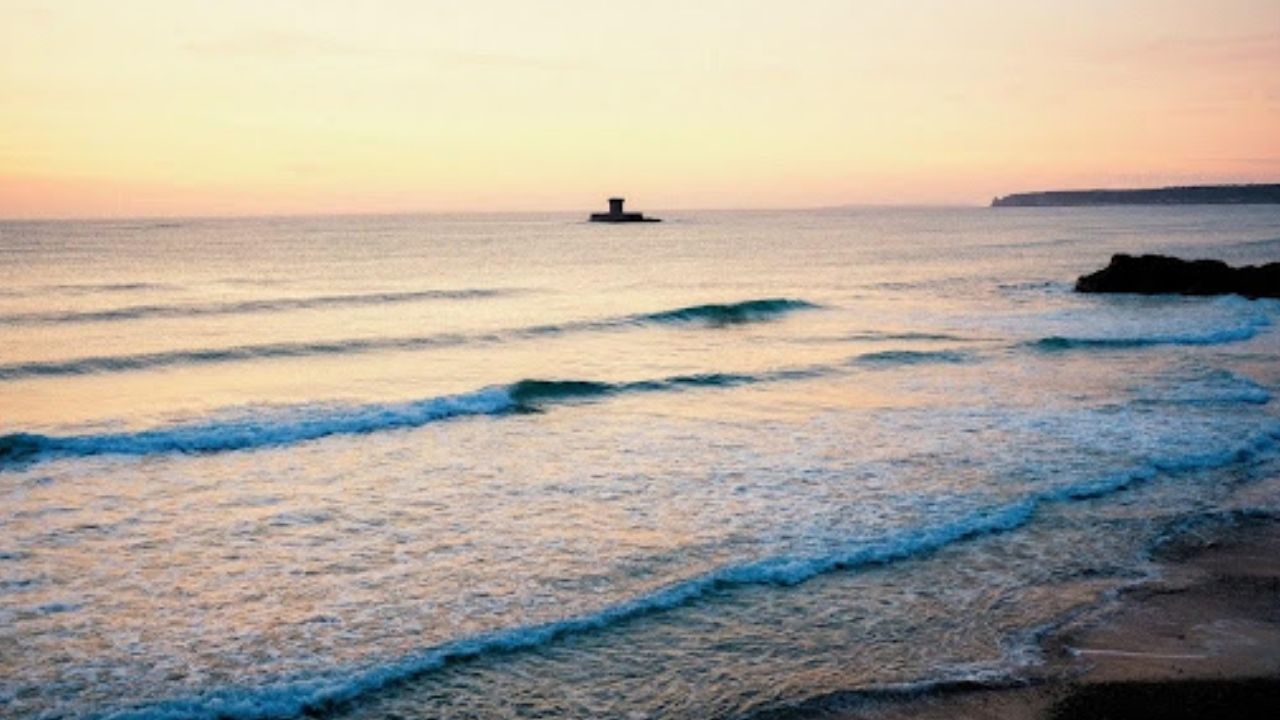
Surfing requires constant awareness of body position. Weight distribution, stance, and balance determine whether a surfer makes a turn or falls. Over time, surfers develop an instinctive sense of where their body is in space.
Cliff jumping relies on similar awareness. A safe entry typically means keeping the body straight and vertical, legs together, and arms tucked close. Knowing exactly where your limbs are during a fall helps ensure a controlled entry. Surfers who already have strong body awareness may find it easier to maintain proper form. For Panza, years of surfing have built that awareness over time.
Understanding Personal Limits
Both activities reward people who know their limits. In surfing, paddling out in waves far beyond your skill can be dangerous for you and others in the lineup. In cliff jumping, going too high too soon increases the risk of injury.
Experienced surfers learn to progress gradually, moving from small waves to bigger ones as their skills grow. The same approach works for cliff jumping. Starting low, confirming conditions, and increasing height slowly allows the body and mind to adapt. Panza’s own progression as a surfer, from contests as a kid to exploring new breaks, reflects that same gradual approach.
Just as importantly, both communities respect the decision to sit one out. A surfer who stays on the beach on a dangerously big day and a jumper who skips an unverified ledge are making the same kind of smart choice. Panza’s experience in both activities makes that parallel easy to see.
Fitness That Crosses Over
Surfing builds a particular kind of fitness. Paddling strengthens the shoulders, back, and core. Popping up to stand requires explosive power. Long sessions build endurance. Swimming ability, essential for surfing safety, is also crucial for cliff jumping, where jumpers need to swim confidently to an exit point.
People who spend a lot of time in the water tend to be comfortable swimming in cold temperatures, choppy conditions, and currents. That comfort does not eliminate risk, but it provides a stronger foundation. Surfers also tend to understand how quickly cold water can sap energy, which is a useful instinct when jumping into lakes or rivers fed by snowmelt or springs. Comfort in cold, moving water is one of the benefits of a surfing background like Panza’s.
Surfing lineups rely on etiquette and shared awareness. Surfers look out for one another, share waves, and help when someone is in trouble.
Cliff jumping works best with a similar sense of community. Jumping with others, having someone at water level ready to help, and creating an environment where no one feels pressured are all essential. The best groups look out for each other in the same way a good lineup does. Anyone who has spent as much time in lineups as Panza will recognize that dynamic.
Respect for the Places We Play
Both activities depend on natural spaces, beaches, reefs, rivers, lakes, and cliffs. Both communities have a responsibility to protect them. Panza has supported ocean and beach cleanup initiatives, reflecting a broader idea that people who enjoy the outdoors should help care for it.
For cliff jumpers, that means following local rules, staying on established paths, packing out trash, and avoiding damage to fragile areas. For surfers, it means keeping beaches clean and supporting efforts to protect coastlines and water quality.
The Same Spirit, Different Expressions
At their core, surfing and cliff jumping share a spirit of adventure and a love of being in the water. They reward preparation, composure, and respect. They offer moments of freedom that are hard to find anywhere else.
For someone like Panza, whose interests also include hiking, spearfishing, and fly fishing, these activities form a connected set of experiences built around time outdoors and a healthy appetite for challenge. The lessons learned in one often make a person better and safer in the others, and that may be the most valuable connection of all.