In today’s competitive online landscape, achieving visibility and expanding your reach is more critical than ever. Whether you are a content creator, a business owner, or an aspiring influencer, understanding the strategies that work to boost your presence can directly impact your ability to attract and retain an audience.
Increasing your visibility and reach online is not just about getting noticed; it’s about ensuring that you’re visible to the right people in the right context. This article explores 7 comprehensive strategies to increase your visibility and reach online, providing you with actionable insights, case studies, and tips to apply right away.
By the end, you’ll have a robust toolkit to enhance your online presence, engage your target audience, and grow your brand effectively.
The Importance of Online Visibility
Whether you’re selling a product, sharing content, or simply trying to be seen, your digital footprint is your key to success. Increasing your visibility and reach online is more than just having a website or posting on social media—it’s about strategically positioning your brand so that it connects with your target audience. This process involves understanding your audience’s behavior, optimizing your online assets, creating valuable content, leveraging social media, and consistently analyzing your performance.
Today, businesses and individuals alike are competing for attention in an increasingly saturated online environment. The good news is that by applying well-researched, proven strategies, you can effectively rise above the digital noise. The 7 strategies to increase your visibility and reach online outlined below are practical, actionable, and backed by data-driven insights to help you gain the visibility you deserve.
Understand Your Audience to Maximize Reach
To truly increase your visibility and reach online, understanding who you’re targeting is paramount. Without this foundational knowledge, your marketing and content efforts could easily miss the mark. Audience research helps you craft relevant content, select the right marketing channels, and ultimately speak directly to the needs, preferences, and pain points of your ideal audience.
Knowing your audience allows you to:
- Tailor content to meet specific needs.
- Choose the right social platforms.
- Customize your messaging for higher engagement.
According to Statista, 75% of businesses using audience segmentation report higher ROI on their marketing campaigns. This underlines the importance of getting to know your audience in order to drive tangible results.
Key Areas of Audience Research:
- Demographics: Age, gender, income, education level, and location.
- Psychographics: Interests, hobbies, values, and lifestyle choices.
- Behavioral Insights: Online browsing behavior, purchase habits, and engagement patterns.
Tools for Effective Audience Research
Effective audience research can be done through various online tools that give you insights into who is interacting with your content. Here’s a quick look at some of the most useful tools for gaining a deeper understanding of your audience:
| Tool | Purpose | Features |
| Google Analytics | Tracks user behavior on your website. | Audience demographics, engagement metrics, and traffic sources. |
| Facebook Insights | Analyzes the engagement of your followers. | Age, gender, location data of your Facebook audience. |
| SurveyMonkey | Collects feedback directly from your audience. | Customizable surveys to gather user opinions. |
| BuzzSumo | Identifies trending topics and audience interests. | Popular content analysis based on user interactions. |
By utilizing these tools, you can gain valuable insights into who your audience is, how they behave online, and what types of content they prefer.
Optimize Your Website for Search Engines (SEO)
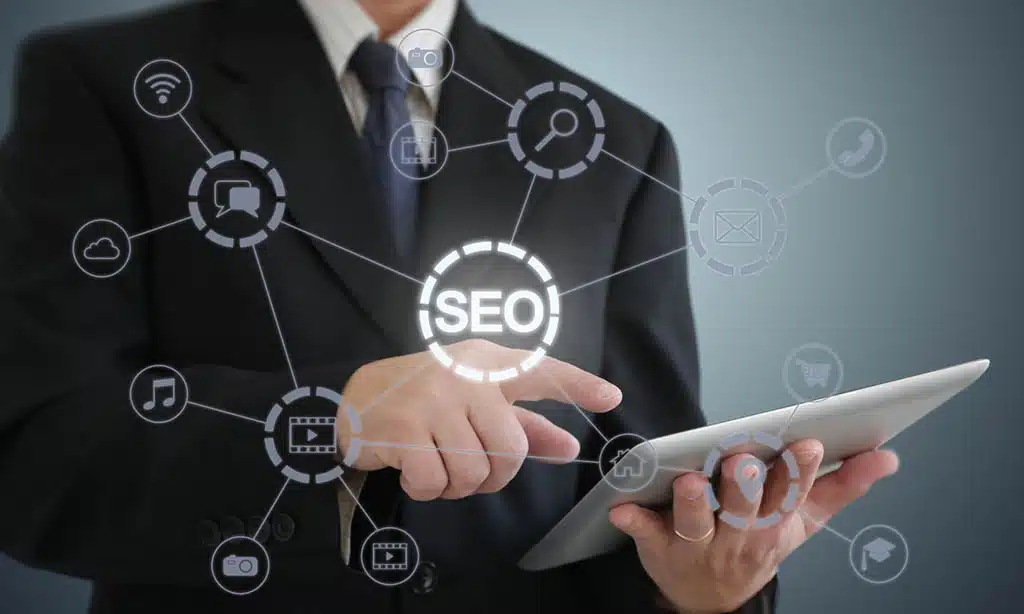
On-page SEO is the foundation of making your website discoverable on search engines like Google. The objective of on-page optimization is to make it easier for search engines to understand the content of your pages and rank them higher for relevant search queries.
Research by BrightEdge shows that 53% of all web traffic comes from organic search results, proving that on-page SEO can drive significant traffic to your website. This means that by getting the basics of on-page SEO right, you can substantially increase your visibility and reach online.
Key On-Page SEO Techniques
A comprehensive on-page SEO strategy includes several key elements that can boost your visibility in search engine results:
| SEO Technique | Why It Matters | Best Practices |
| Keyword Optimization | Ensures search engines understand your content. | Use relevant keywords in titles, headings, and body text. |
| Meta Tags | Provides a description of your content in search results. | Write compelling meta descriptions under 160 characters with keywords. |
| URL Structure | Makes URLs more user- and search engine-friendly. | Keep URLs short, descriptive, and keyword-rich |
| Alt Text for Images | Helps search engines index visual content. | Use descriptive alt text for images that includes keywords. |
Example of Optimizing a Web Page
Let’s consider you’re writing a blog post titled “7 Strategies to Increase Your Visibility and Reach Online.” Here’s how you would optimize it:
- Title Tag: “7 Strategies to Increase Your Visibility and Reach Online – Proven Tips”
- Meta Description: “Learn how to increase your online visibility with these 7 effective strategies. Boost traffic and engagement to your website today!”
- URL: www.yoursite.com/increase-visibility-strategies
- Image Alt Text: “Infographic on increasing online visibility with 7 strategies.”
This approach optimizes your page for both users and search engines, ensuring it ranks well and encourages clicks.
Leverage Social Media Platforms to Expand Your Reach
Social media is a powerful tool for increasing visibility, but with so many platforms available, selecting the right one for your audience is key. Each social platform caters to different demographics and user behaviors, so understanding where your target audience spends their time is crucial.
For example:
- Instagram is ideal for visual and lifestyle brands targeting younger, image-centric audiences.
- LinkedIn is perfect for B2B marketing and connecting with professionals.
- Twitter works well for quick updates, news, and engaging with trending topics.
- TikTok is a hotspot for short-form, creative video content and a younger audience.
By focusing on the platforms that align with your target audience, you can enhance your online visibility and engagement.
Building Engagement on Social Media
Engagement is the backbone of social media visibility. The more people engage with your content, the more likely it is to be shared, thus expanding your reach. Here are practical ways to boost engagement on social media:
- Post Consistently: Consistent posting ensures that your brand stays top of mind and keeps followers engaged.
- Use Hashtags: Research trending and niche-specific hashtags to increase the discoverability of your posts.
- Collaborate with Influencers: Partner with influencers who resonate with your target audience to broaden your reach.
- Run Contests and Giveaways: Encourage user-generated content and increase visibility by running contests that require sharing.
Examples of Successful Social Media Campaigns
Here are some examples of social media campaigns that have boosted visibility and reach:
- Airbnb’s Instagram Campaigns: Airbnb uses visually appealing posts showcasing unique properties around the world, encouraging users to share their experiences.
- Coca-Cola’s #ShareACoke Campaign: Coca-Cola’s personalized bottles campaign led to massive social media engagement and global brand visibility.
Creating high-quality content is essential for gaining attention online. When you produce valuable, relevant, and engaging content, your audience is more likely to share it, which increases your visibility. High-quality content serves two main purposes:
- It provides value to your audience, answering their questions and solving their problems.
- It encourages users to share your content, expanding your reach.
Data-backed Insight: According to HubSpot, content that is “useful and relevant” gets shared 4.5 times more than content that is seen as “self-promotional.”
Not all content is created equal. Some types of content are more shareable and engaging than others. The following content types tend to perform well in terms of visibility and social sharing:
| Content Type | Why It Gets Shared | Best For |
| Infographics | Visually appealing and easy to understand. | Explaining complex information in a simplified format. |
| Videos | Highly engaging and shareable, especially when emotional or funny. | Reaching a wide audience on platforms like YouTube or TikTok. |
| Case Studies | Demonstrate proven success, building trust with your audience. | B2B brands looking to build authority in their industry. |
| Listicles | Quick, digestible, and easily skimmable content. | Providing valuable tips and solutions in a concise format. |
How to Encourage Content Sharing
To ensure that your content gets shared, consider implementing these strategies:
- Provide Shareable Assets: Create infographics, videos, or templates that are easy to share.
- Make It Easy: Add social sharing buttons to your content so that users can share with a single click.
- Create Emotional Appeal: People are more likely to share content that makes them feel something, whether it’s laughter, inspiration, or empathy.
Utilize Paid Advertising to Boost Online Presence
Paid advertising is one of the quickest ways to increase your online visibility and reach a broader audience. Platforms like Google Ads and Facebook Ads offer highly targeted options, allowing you to connect with your ideal customer based on their location, interests, behaviors, and more.
Paid ads can be particularly effective when:
- You have a limited organic reach.
- You need to quickly gain visibility for a product or service.
- You want to test different audiences or creative concepts.
Maximizing ROI with Paid Ads
To ensure your paid advertising campaigns deliver a positive return on investment (ROI), consider the following best practices:
- Define Clear Objectives: Know exactly what you want to achieve with your ads (e.g., increased sales, lead generation).
- Test and Optimize: Run A/B tests on your ads to find out which versions work best, and continuously refine your approach.
- Use Retargeting: Retargeting ads can bring back visitors who didn’t convert the first time, increasing the likelihood of engagement.
Case Study: Successful Paid Ad Campaign
Case Study: Airbnb’s Paid Facebook Ads
Airbnb ran highly successful paid Facebook ads targeting travelers and property owners, resulting in massive brand growth and higher bookings. Their ads focused on user-generated content and testimonials, driving trust and engagement from potential customers.
Build Backlinks to Increase Domain Authority
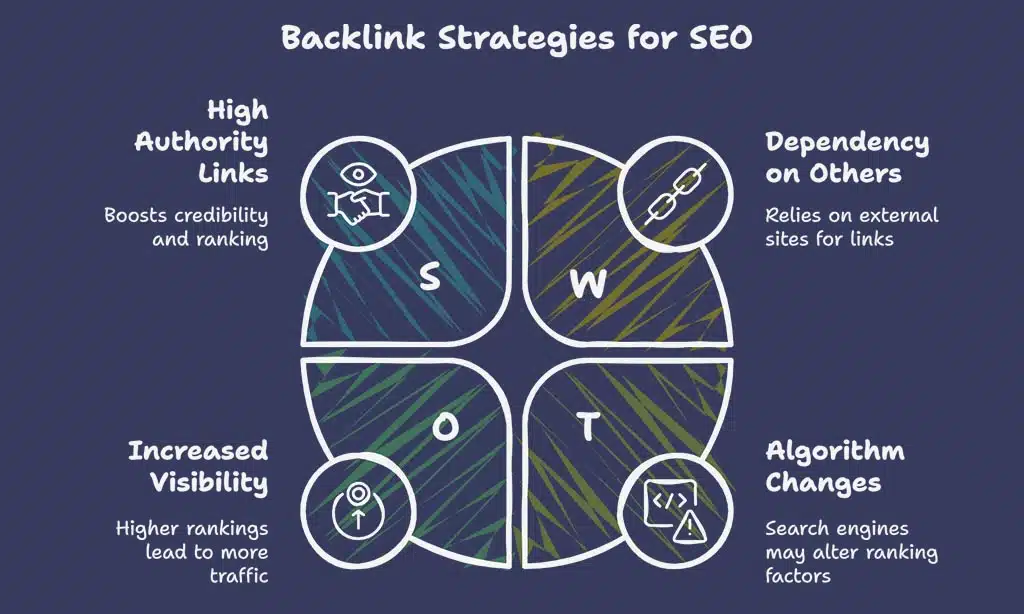
Backlinks remain one of the most important ranking factors for SEO. When other authoritative websites link to your content, search engines view this as a vote of confidence, signaling that your content is valuable and relevant. Backlinks help you rank higher in search engine results, which, in turn, increases your visibility.
Strategies for Acquiring High-Quality Backlinks
There are several effective ways to build backlinks:
| Strategy | How It Works | Benefits |
| Guest Blogging | Write high-quality articles for other websites. | Establishes authority and earns backlinks. |
| Broken Link Building | Find broken links on other sites and offer your content as a replacement. | Helps site owners fix errors while earning backlinks. |
| Skyscraper Technique | Find top-performing content in your niche and create a more comprehensive version. | Outperform competitors and attract more backlinks. |
Best Practices for Link Building
- Focus on Authority Sites: Prioritize obtaining backlinks from reputable, high-authority websites in your niche.
- Diversify Your Links: Avoid relying on one source; use a mix of guest posts, natural links, and directory listings.
Measure and Analyze Your Performance
To ensure your strategies are paying off, it’s crucial to track key performance metrics (KPIs). Some of the most important KPIs include:
| Metric | What It Measures | Why It Matters |
| Website Traffic | The number of visitors to your site. | Indicates how well your content is performing in search and social channels. |
| Conversion Rate | The percentage of visitors who take a desired action. | Measures the effectiveness of your content and call-to-action strategies. |
| Engagement | Likes, comments, shares, and other social interactions. | Helps determine the reach and impact of your content. |
Tools for Analyzing Your Reach
The right tools can help you monitor your progress and optimize your strategy:
| Tool | Purpose |
| Google Analytics | Tracks website traffic, behavior, and conversion data. |
| SEMrush | Helps monitor keyword rankings, backlinks, and competitor analysis. |
| Hootsuite | Tracks social media engagement and performance across platforms. |
Adjusting Your Strategy Based on Data
Analyzing your data allows you to make informed decisions and adjust your approach to better serve your audience. For example, if your social media engagement is low on Instagram, consider experimenting with different content types or posting times to boost interaction.
Takeaways
Increasing your visibility and reach online requires a multifaceted approach that combines audience research, SEO optimization, social media engagement, high-quality content, paid advertising, link building, and ongoing performance analysis.
By leveraging these 7 strategies to increase your visibility and reach online, you can significantly expand your digital presence, drive more traffic, and engage your target audience more effectively.
Apply these strategies consistently, measure your success, and adapt as needed to stay ahead in the competitive online space.