Remote work has become a standard for many professionals worldwide. While it offers flexibility and eliminates daily commutes, it also comes with challenges such as loneliness, burnout, and difficulty maintaining a work-life balance.
Mental health is as crucial as physical health, and working from home requires intentional strategies to ensure well-being. To effectively stay mentally healthy while working from home, it is essential to implement practical habits that support emotional and psychological well-being.
This article explores ten proven ways to stay mentally healthy while working from home. Each method is backed by research and practical solutions to help you stay productive, engaged, and mentally strong.
Stay Mentally Healthy While Working From Home: 10 Proven Strategies
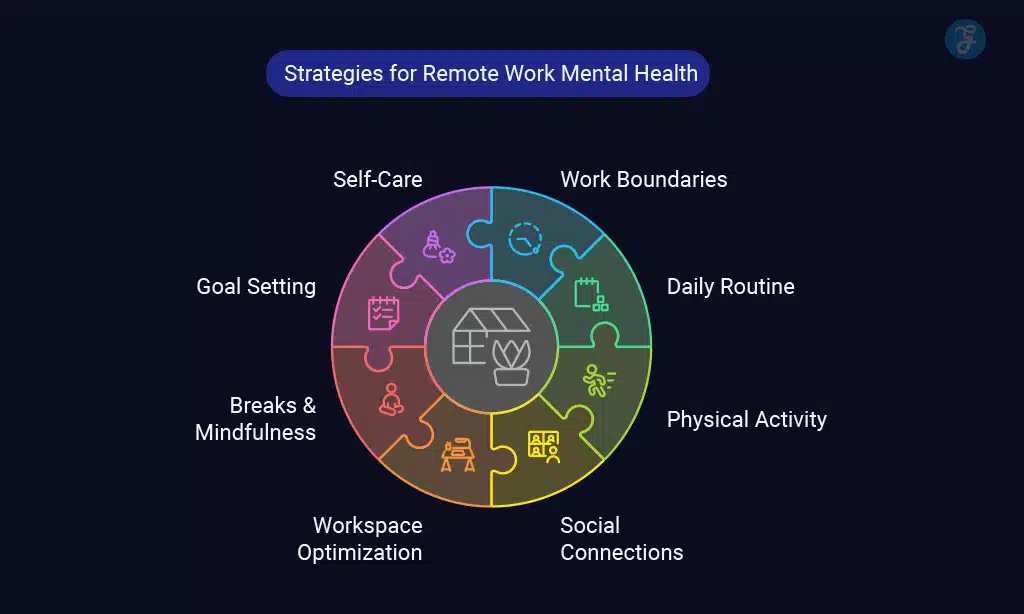
The shift to remote work has offered employees flexibility and convenience, but it has also introduced new mental health challenges. Without the structure of an office environment, it can be easy to fall into unhealthy work habits, such as overworking, social isolation, and neglecting self-care. Establishing effective strategies to maintain mental health is crucial for sustaining productivity and overall well-being.
1. Set Clear Work Boundaries
One of the biggest challenges of working from home is the blurred lines between personal and professional life. Without clear boundaries, work can spill into personal time, leading to burnout.
Tips for Setting Boundaries:
| Action | Benefit |
| Set work hours and stick to them | Prevents overworking and burnout |
| Use a separate workspace | Helps mentally switch between work and personal life |
| Communicate availability to family | Reduces interruptions and stress |
| Avoid checking work emails after hours | Supports work-life balance |
| Take regular lunch and break times | Increases productivity and mental clarity |
Creating a routine that signals the start and end of the workday can also help reinforce these boundaries.
2. Establish a Structured Daily Routine
A lack of structure can make workdays feel chaotic and lead to decreased motivation. Having a clear daily routine helps maintain discipline and mental stability.
Daily Routine Essentials:
| Habit | Why It Helps |
| Start the day with a morning routine | Prepares the mind for work |
| Set priorities and goals | Increases focus and productivity |
| Take scheduled breaks | Prevents mental fatigue |
| End the day with a wind-down routine | Signals work is over |
Using planners, digital calendars, or task management apps like Trello or Asana can assist in organizing the day efficiently.
3. Prioritize Physical Activity
Physical movement has a direct impact on mental well-being. Sitting all day can lead to stress, poor posture, and reduced energy levels.
Ways to Stay Active While Working From Home:
| Activity | Benefit |
| Stretch every hour | Reduces stiffness and improves circulation |
| Take a short walk | Clears the mind and boosts creativity |
| Do at-home workouts | Increases energy levels |
| Use a standing desk | Improves posture and reduces fatigue |
| Practice yoga or meditation | Reduces stress and enhances focus |
Incorporating movement into the day helps boost mood and maintain overall health.
4. Maintain Social Connections
Working remotely can sometimes feel isolating. Staying socially connected is vital for emotional well-being.
How to Stay Connected:
| Action | Benefit |
| Schedule virtual coffee chats | Mimics office social interactions |
| Join online communities | Provides a sense of belonging |
| Attend networking events | Helps professional growth and mental stimulation |
| Plan in-person meetups | Strengthens friendships and reduces loneliness |
| Communicate regularly with colleagues | Keeps professional relationships strong |
Regular social interactions can help maintain a sense of normalcy and reduce feelings of isolation.
5. Create a Dedicated Workspace
A cluttered or uncomfortable workspace can negatively affect focus and productivity.
Workspace Optimization Tips:
| Factor | Solution |
| Lighting | Use natural light or warm lamps to reduce eye strain |
| Ergonomics | Invest in a comfortable chair and adjustable desk |
| Noise | Use noise-canceling headphones or background music |
| Organization | Keep the workspace clean and clutter-free |
| Personalization | Add plants, art, or photos to make it inviting |
An optimized workspace can help maintain focus and reduce stress levels.
6. Take Frequent Breaks & Practice Mindfulness
Working long hours without breaks can cause mental fatigue and reduce productivity.
Effective Break Strategies:
| Method | Benefit |
| Pomodoro technique (25 min work, 5 min break) | Boosts concentration |
| Meditation | Reduces stress and increases mental clarity |
| Breathing exercises | Lowers anxiety and enhances relaxation |
| Step outside | Refreshes the mind |
| Power naps (10-20 mins) | Improves alertness |
Mindfulness techniques such as deep breathing or gratitude journaling can help alleviate stress and enhance overall well-being.
7. Set Realistic Goals & Manage Workload
Unrealistic expectations can lead to stress and feelings of being overwhelmed.
Goal-Setting Tips:
| Approach | Benefit |
| Break tasks into small steps | Reduces overwhelm |
| Prioritize important tasks | Ensures productivity |
| Use task management tools | Keeps track of progress |
| Set time limits | Prevents procrastination |
Being realistic with workload expectations is crucial to maintaining mental health while working remotely.
8. Practice Self-Care & Work-Life Balance

Self-care helps maintain a balanced lifestyle, preventing exhaustion and burnout.
Self-Care Practices:
| Activity | Benefit |
| Get enough sleep | Enhances focus and mood |
| Eat a nutritious diet | Supports brain function |
| Engage in hobbies | Boosts happiness |
| Spend time with family | Strengthens emotional well-being |
| Unplug from devices | Reduces stress |
Balancing work and personal life is key to long-term mental well-being.
9. Seek Professional Help if Needed
Sometimes, managing mental health alone isn’t enough, and seeking help from professionals can be beneficial.
When to Seek Help:
| Sign | Solution |
| Persistent anxiety or stress | Talk to a therapist |
| Loss of motivation | Seek support groups |
| Difficulty sleeping | Consult a doctor |
| Constant fatigue | Evaluate workload and lifestyle |
Many online therapy platforms like BetterHelp and Talkspace provide accessible mental health resources.
10. Develop Healthy Eating Habits
Healthy Eating Tips:
| Food Group | Benefit |
| Whole grains | Provide sustained energy |
| Fruits and vegetables | Rich in essential vitamins and antioxidants |
| Lean proteins | Supports brain function and focus |
| Healthy fats (avocado, nuts) | Boosts brain health and reduces stress |
| Hydration | Drinking enough water improves cognitive function |
By focusing on a balanced diet, you can stay mentally healthy while working from home and maintain long-term well-being.
Takeaways
Working from home has reshaped how we live, communicate, and balance personal and professional responsibilities. While remote work offers flexibility and comfort, it also brings unique mental health challenges — from blurred work-life boundaries and social isolation to digital fatigue and constant connectivity. That’s why staying mentally healthy while working remotely is not just beneficial — it’s essential for long-term success and well-being.
The ten strategies discussed — from establishing a routine and taking regular breaks to practicing mindfulness, nurturing social connections, and setting emotional boundaries — are more than quick fixes. They represent a holistic approach to maintaining stability, productivity, and inner peace in a changing work landscape. Prioritizing mental health ensures not only better performance but also a higher quality of life, improved focus, and stronger relationships both inside and outside work.