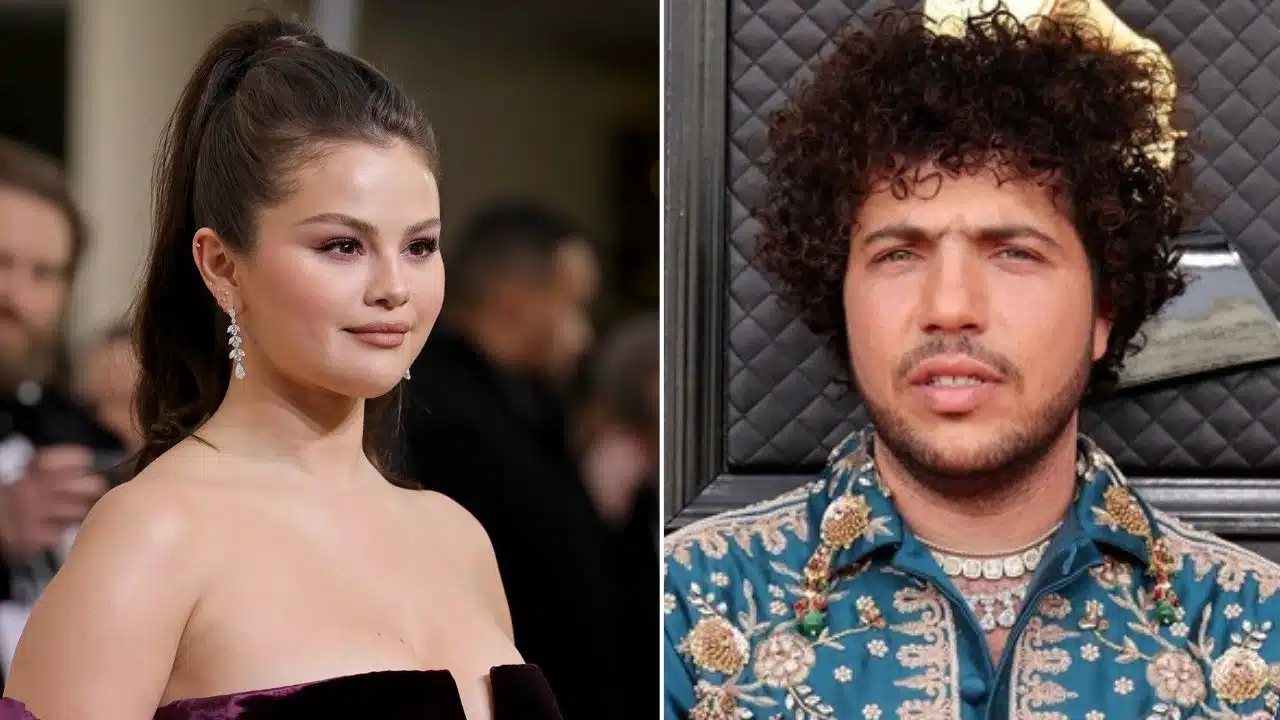
Selena Gomez makes her return to music with a mix of caution and conviction. After battling lupus and undergoing a kidney transplant in 2017, Gomez has taken a measured approach to her career—especially in music. Her latest release, I Said I Love You First, marks her first full-length studio album since 2020’s Rare. This time, she’s not going it alone. The album is a joint effort with her fiancé and longtime producer, Benny Blanco, and it arrives at a personal high point for the pop star. Their engagement in late 2024 fueled both fan curiosity and artistic speculation, making this album not just a musical release, but a deeply public statement of their partnership.
The result is a record that feels intimate and curated, but also weighed down by its own desire to avoid tabloid bait. Despite its deeply personal origins, I Said I Love You First works hard to dodge any direct references to Gomez’s high-profile past relationships, most notably with Justin Bieber and The Weeknd. Instead, the album’s 13 tracks explore themes of identity, self-worth, aging in the public eye, and the complexity of modern love—all while keeping its emotional cards close to the chest.
Decades of Collaboration in One Album
Gomez and Blanco’s professional connection predates their romantic one. Blanco previously produced major hits from Gomez’s 2015 album Revival, including “Same Old Love” and “Kill Em With Kindness.” Their creative chemistry is evident in I Said I Love You First, which includes collaborations with a powerhouse team of modern pop architects: Justin Tranter, Finneas, Cashmere Cat, Blake Slatkin, and Dylan Brady from 100 gecs. The album is sonically varied—diving into everything from gloomy new wave and moody disco to stripped-back ballads and hyperpop experiments.
Yet, while the production credits are impressive, there’s a noticeable restraint that permeates much of the record. Even with dynamic collaborators, the soundscape is polished and subdued. Blanco, a hitmaker for more than three decades, seems to have channeled his expansive skill set into a controlled and media-savvy product. The result is an album that rarely pushes its own boundaries, leaning more toward soft intimacy than experimental flair.
Avoiding the Spotlight While Being in It
What sets I Said I Love You First apart is its tightrope walk between privacy and publicity. Gomez has long been the subject of public scrutiny, and this album seems designed to engage that reality without giving too much away. Tracks like “Younger and Hotter Than Me” appear to address insecurities about aging and image, yet the singer is quick to clarify that they’re not about former flames. “Call Me When You Break Up” reads like post-breakup advice—but again, Gomez insists it’s not about a romantic partner but a friend.
That kind of lyrical distancing is both the album’s strength and its weakness. On one hand, it demonstrates Gomez’s growth: she’s reclaiming her narrative, choosing how much she wants to reveal. On the other hand, this careful detachment sometimes makes the music feel emotionally muted. Songs like “You Said You Were Sorry” and “How Does It Feel to Be Forgotten” try to project confidence and closure, but their lack of specificity dulls their impact.
Borrowed Sounds and Familiar Influences
Musically, I Said I Love You First draws from an eclectic range of inspirations. “Forgotten” and “Cowboy” echo Lana Del Rey’s signature cinematic melancholy and deadpan delivery. “Bluest Flame,” co-written with Charli XCX, explores hyperpop territory with pitch-corrected runs and glitchy textures. “Don’t Wanna Cry” edges into adult contemporary, with Gomez emulating the soft introspection of Kacey Musgraves. “Ojos Tristes,” a Spanish-language remake of Jeanette’s 1981 ballad “El Muchacho de los Ojos Tristes,” nods to Gomez’s cultural roots and features María Zardoya from The Marías.
Despite this genre-hopping, the album’s core aesthetic remains consistent: soft, reflective, and understated. But this cohesion sometimes comes at the expense of excitement. While Gomez’s previous work balanced ballads with upbeat anthems, this album rarely breaks into those pop highs. It’s less about chart dominance and more about creating a mood—a deliberate, often melancholic tone that speaks to emotional maturity, if not always musical risk.
The Personnel and Production Paradox
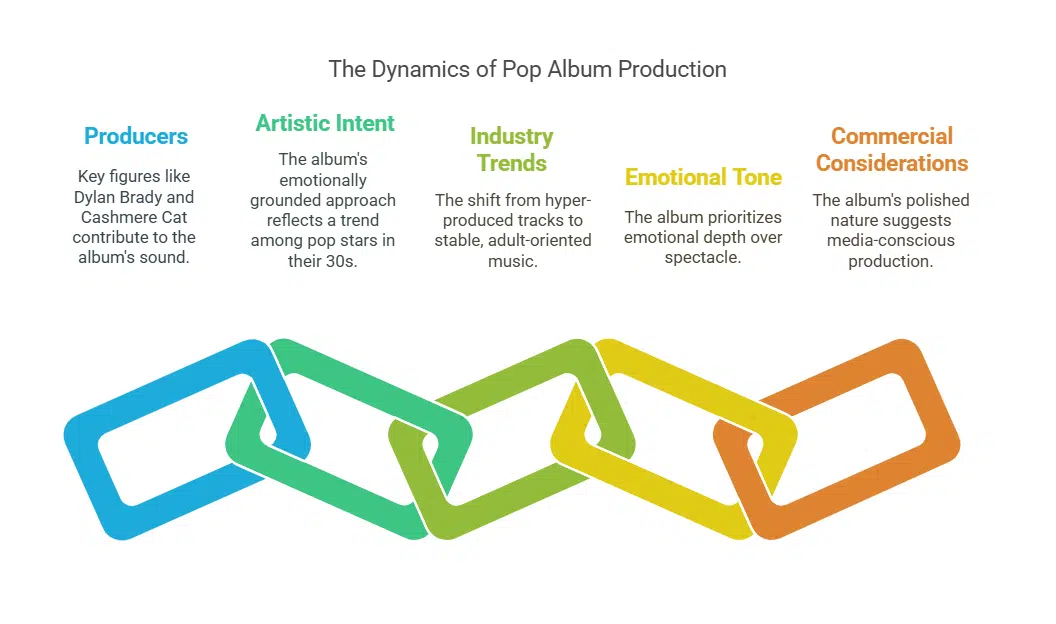
Given the A-list roster behind the scenes, some listeners may be surprised by the album’s lack of sonic dynamism. Producers like Dylan Brady and Cashmere Cat, known for their bold, experimental sound, are barely recognizable here. Even J Balvin and Tainy, who join Gomez on the reggaeton-infused “I Can’t Get Enough,” appear more as subdued cameos than full-fledged co-creators.
This tonal flattening seems intentional, aligning with a broader trend among pop stars in their 30s—trading in hyper-produced bangers for more emotionally grounded and adult-oriented fare. Blanco, known for working with artists as diverse as Ke$ha, Katy Perry, and Maroon 5, seems to have curated a set of songs that reflect stability over spectacle. But that very stability makes the album feel less like a bold artistic statement and more like a polished, media-conscious product.
A Voice Searching for Direction
Vocally, Gomez maintains her signature hushed tone throughout the album. While effective in ballads, this restraint can feel one-note across an entire project. In duets, such as the Gracie Abrams-assisted “Call Me When You Break Up,” Gomez’s subdued delivery contrasts with Abrams’ more nimble phrasing, highlighting a lack of vocal variety. It’s a notable shift from past performances where Gomez took vocal risks on pop anthems or emotional climaxes.
Even so, there are moments where she breaks through. Cowboy,” with its playful yet sultry Wild West foreplay metaphor, shows flashes of personality. “Do You Want to Be Perfect,” an interlude near the album’s end, offers self-aware commentary on the pressures of fame and public image. But these sparks are scattered, and they never quite ignite into a full blaze.
Critical and Commercial Response
The reception to I Said I Love You First has been mixed. While fans have embraced the album’s romantic context and personal themes, critics are divided. The Guardian called it “besotted but bland,” criticizing its lack of identity and standout moments. Vulture noted that the album often sounds like it’s “dishing about a couple’s drama it doesn’t care to commit to,” a sentiment echoed in other reviews that highlight the album’s emotional guardedness.
On the flip side, Billboard and Sputnikmusic praised the album for its cohesive mood and thematic exploration. The Associated Press commended its willingness to experiment with genre and showcase Gomez’s evolving identity. Commercially, the album made a strong debut on streaming platforms, with several tracks charting globally on Spotify within the first week.
Where Does Selena Go From Here?
I Said I Love You First feels like a transitional project—one that closes a chapter while opening the door to new possibilities. It’s not a breakup album, nor is it a straightforward celebration of love. Instead, it’s a carefully constructed reflection on adulthood, fame, and intimacy. As Gomez continues to expand her creative portfolio—from acting and producing to launching business ventures—this album underscores a desire to control her narrative.
And perhaps that’s the point. I Said I Love You First isn’t trying to be the biggest pop album of the year. It’s a snapshot of where Gomez and Blanco are as artists and as a couple: older, wiser, and deeply aware of the gaze that follows them. You can look, the album suggests, but don’t expect to see everything.
The information is collected from MSN and Yahoo.