Every restaurant owner knows that design influences perception, but few realize just how much tables contribute to long-term profitability. While they may appear to be simple fixtures, quality tables shape how guests feel, how long they stay, and how much they spend. In today’s competitive dining landscape, investing in durable and well-crafted restaurant table tops is not just an aesthetic choice; it is a business strategy with measurable returns.
First Impressions That Drive Revenue
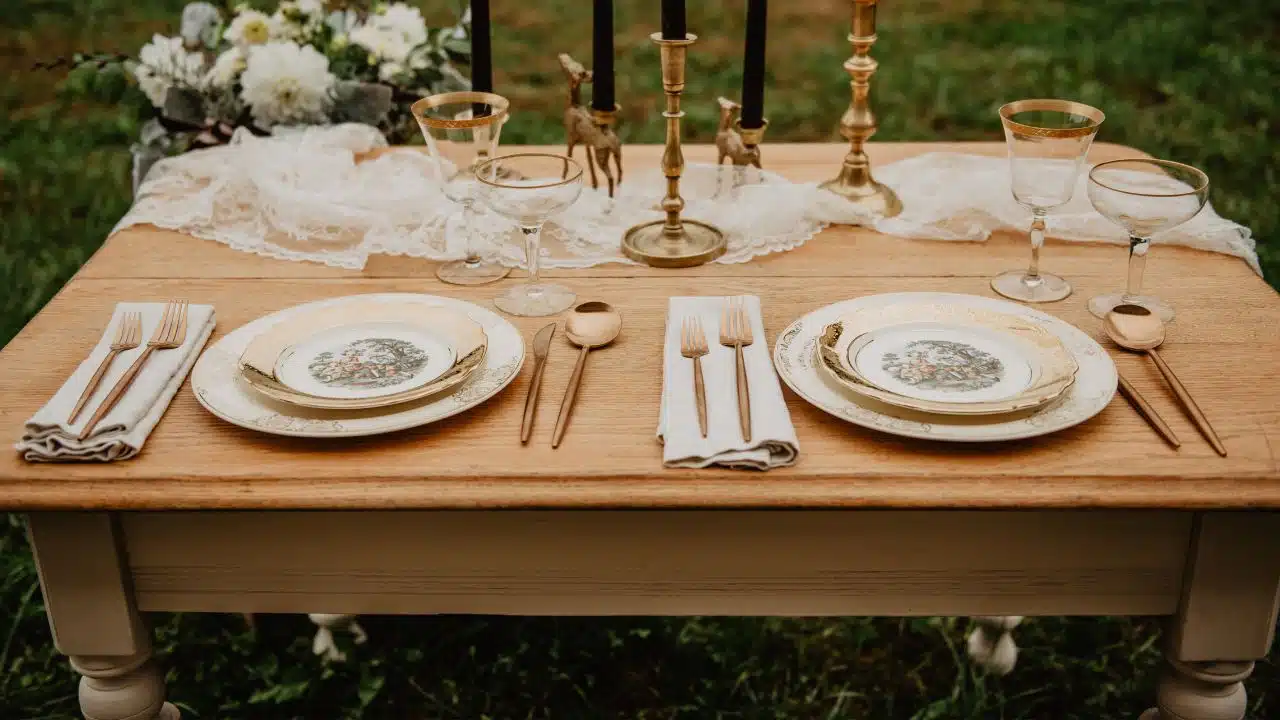
A guest’s first visual cue often comes from the tables. Their finish, sturdiness, and layout communicate brand value before a single menu item is read. A solid wood restaurant table top suggests authenticity and warmth, while polished quartz or granite surfaces signal refinement and luxury. These impressions influence how customers value the overall dining experience, directly affecting average ticket size and repeat visits.
Research across hospitality sectors shows that guests are willing to pay more in spaces that feel cohesive and high-end. When tables visually and physically support that message, they become silent sales tools that build confidence and expectation.
Durability as a Cost-Saving Strategy
Inexpensive tables might save money upfront, but they rarely survive the daily wear of service. Scratched laminates, unstable bases, and chipped edges create replacement cycles that drain profit margins. By contrast, restaurant table tops built from hardwood, high-pressure laminate, or metal composites can last for years with minimal upkeep.
Every additional year of use translates into a higher return on investment. The equation is simple: longevity equals savings. When operators choose quality over short-term convenience, they reduce maintenance costs, downtime, and the environmental footprint of frequent replacements.
Operational Efficiency Through Design
Quality tables do more than hold plates; they enhance workflow. Tables designed with uniform dimensions and stable bases make seating layouts flexible and safe. Quick reconfiguration supports different service styles, from casual lunches to large group dinners, maximizing occupancy and revenue potential.
High-quality surfaces also clean faster, resist stains, and maintain their sheen under heavy use. This efficiency adds up in labor hours saved per shift, allowing staff to focus on guest experience rather than constant upkeep. Over time, smoother operations translate into tangible cost reductions.
Enhancing Guest Experience and Loyalty
Comfort extends beyond the chair. The tactile feel of a smooth, balanced table can subtly improve dining satisfaction. Guests linger longer in environments that feel comfortable and well cared for, which increases order frequency and dessert or beverage sales.
Every polished edge or stable base communicates attention to detail. Customers notice when they can set a glass down without wobbling or when surfaces feel inviting to touch. This sensory comfort contributes to emotional loyalty, ensuring guests return not only for the food but for the atmosphere itself.
Supporting Brand Identity and Marketing
The right table style reinforces a restaurant’s narrative. A reclaimed wood top might tell a story of sustainability and craft, while a glossy marble surface can evoke urban sophistication. These design cues help restaurants position themselves within their target markets and create shareable visual content that strengthens online branding.
High-quality furniture often becomes a marketing tool. Photogenic tables complement plating and décor, enhancing the visual storytelling on social media platforms. A single well-lit photo can attract new customers and extend the restaurant’s digital reach, turning furniture into free advertising.
Value Retention and Resale Potential
Quality furniture retains resale value, giving operators flexibility when remodeling or expanding. Tables crafted from premium materials or custom designs can often be refinished, resold, or relocated, extending their financial lifespan. Unlike disposable alternatives, they remain assets rather than expenses on the balance sheet.
For multi-location businesses, standardizing on durable table models simplifies procurement and reinforces consistency across properties. This uniformity strengthens brand recognition and ensures a steady, predictable ROI across every unit.
Sustainability and Long-Term Value
Sustainability and financial performance increasingly go hand in hand. Eco-certified wood, recycled materials, and low-VOC finishes appeal to environmentally conscious diners while reducing replacement frequency. Sustainable table investments also align with ESG objectives, which can attract investors and enhance public perception.
The longer a table remains in service, the fewer raw materials are consumed over time. This extended lifecycle delivers environmental savings that mirror financial ones, proving that sustainability and profitability are not mutually exclusive.
Final Analysis: Where Design Meets Return
The numbers tell a clear story. Quality restaurant tables increase perceived value, reduce operational costs, and sustain brand integrity. They may cost more at purchase, but they pay dividends through reduced maintenance, enhanced customer satisfaction, and improved brand reputation.
A table is more than a surface for dining; it is an investment that touches every part of the restaurant experience. When chosen wisely, it becomes a cornerstone of profitability, balancing form, function, and financial sense. For owners who think strategically, the ROI of quality table investments is not measured just in years of service, but in the loyalty, efficiency, and trust they inspire every single day.