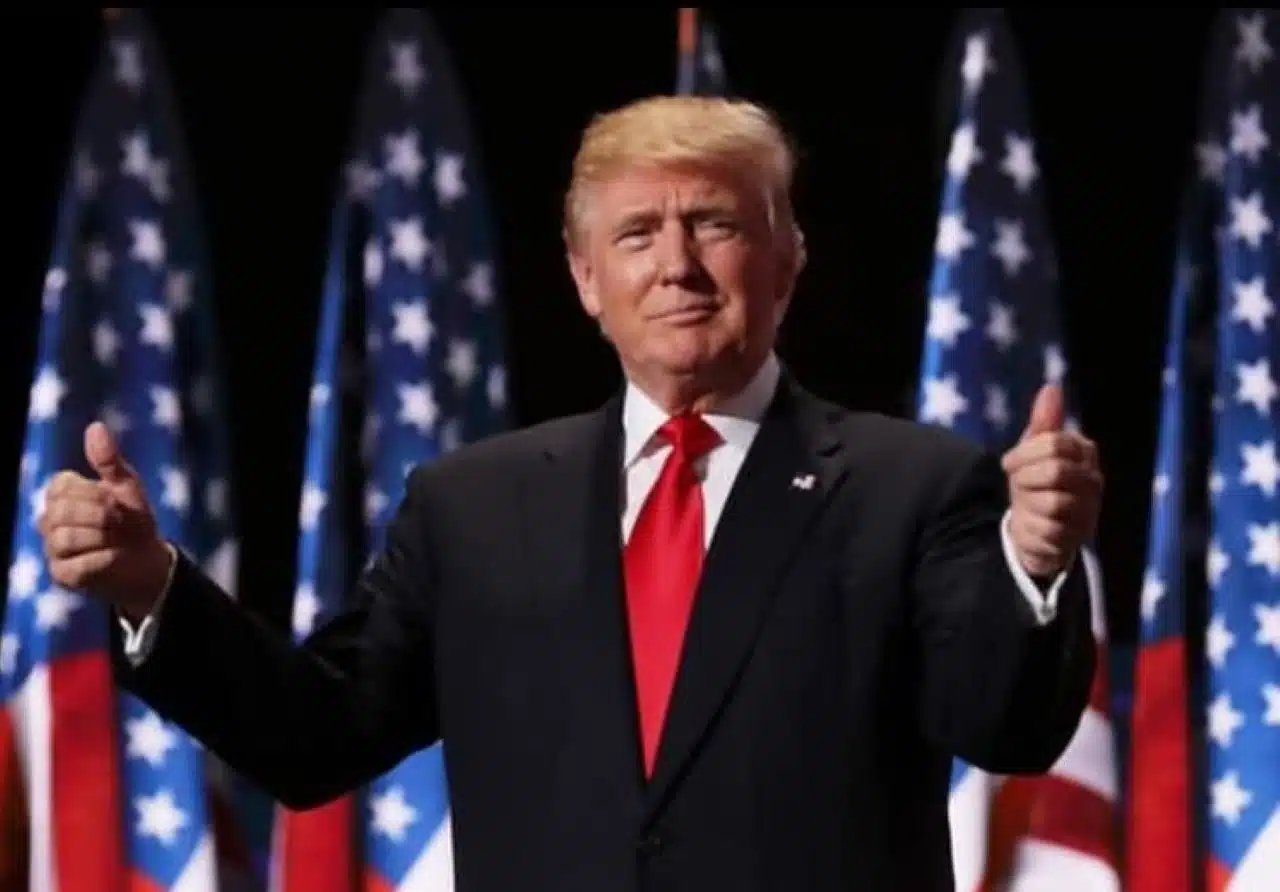
Top 5 Presidents of the United States by Net Worth

Donald Trump

The financial standing of U.S. presidents often reflects a blend of inherited wealth, investments, and income from personal ventures. In history, only two U.S. presidents have reached billionaire status—Donald Trump and John F. Kennedy.

Here’s a closer look at the wealthiest presidents at the time of their inaugurations, with insights into how they built and maintained their fortunes.

Donald Trump: Real Estate Mogul Turned President

Donald Trump, the 45th and 47th president of the United States, tops the list with a staggering $3.7 billion net worth at his first inauguration in 2017. Since then, his wealth has grown to approximately $5.3 billion, with a significant portion generated through property investments and the Trump Media & Technology Group. In 2024, the value of his media shares increased by 59%, showcasing his success in leveraging both his brand and business acumen in multiple sectors.

John F. Kennedy: Inherited Wealth and Influence

John F. Kennedy, the 35th U.S. president, ranks second, with an estimated net worth of $1.3 billion. Unlike Trump, Kennedy largely inherited his wealth, as his father, Joseph Kennedy, amassed vast fortunes through strategic investments and a brief tenure as the first chairman of the Securities and Exchange Commission in 1934. Kennedy’s family wealth laid the groundwork for his financial standing, making him one of the wealthiest presidents in U.S. history.

George Washington: A Founding Father with Extensive Land Holdings

As the first president of the United States, George Washington held significant wealth, valued at around $709 million. Known for his vast real estate holdings, Washington amassed wealth through substantial land ownership and agricultural operations. Historian Douglas Brinkley asserts that Washington’s farming activities, especially his cultivation of corn for whiskey distillation, significantly increased his income in early America. His status as a prominent landowner contributed immensely to his wealth and legacy.

Thomas Jefferson: Land and Legacy

Thomas Jefferson, the third U.S. president, had an estimated net worth of $286 million at the time of his presidency, largely due to the land he inherited from his father. A prominent landowner and planter, Jefferson used his inherited land to establish Monticello, his iconic estate in Virginia. Though he experienced financial challenges later in life, Jefferson’s wealth at his inauguration placed him among the wealthiest early presidents.

Theodore Roosevelt: The Wealth of New York’s Elite

Theodore Roosevelt, the 26th president, rounds out the list with a net worth of approximately $169 million. Born into one of New York’s most prestigious families, Roosevelt inherited a substantial fortune. His wealth supported his ambitious pursuits, from military service to political roles, and helped him cultivate a lasting reputation as a reformist and conservationist. Roosevelt’s cousin, Franklin Delano Roosevelt, would also become a prominent U.S. president, though with a significantly smaller personal fortune.

Summary

From inherited fortunes to entrepreneurial success, the financial profiles of America’s wealthiest presidents reveal the diverse pathways to wealth in U.S. history. While some, like Trump and Washington, generated wealth through business ventures and property holdings, others, like Kennedy and Roosevelt, benefited from family legacies that bolstered their political journeys. These five presidents not only left their marks on American governance but also became symbols of the varied economic legacies within the presidency.



Subscribe to Our Newsletter

Related Articles

Top Trending

Landing Page Mistakes That Kill Conversions
7 Landing Page Mistakes That Kill Conversions (And How to Fix Them)
Why EdTech Pilots Fail
Why EdTech Pilots Fail: Lessons From Real School Rollouts
Best Public Datasets for Practicing Machine Learning
10 Best Public Datasets for Practicing Machine Learning
Ethical Dilemmas of AI: illustration showing AI ethics, algorithmic bias, data privacy, automation, human judgment, values, deepfakes, and the challenges AI creates for technology and humanity
9 Ethical Dilemmas AI Forces Us to Confront
Informational visualization with a large central pie chart and modern surrounding graphics, illustrating 2026 digital marketing statistics and channel allocation benchmarks for business founders.
12 Digital Marketing Statistics Every Founder Should Know

Technology & AI

Best Public Datasets for Practicing Machine Learning
10 Best Public Datasets for Practicing Machine Learning
Ethical Dilemmas of AI: illustration showing AI ethics, algorithmic bias, data privacy, automation, human judgment, values, deepfakes, and the challenges AI creates for technology and humanity
9 Ethical Dilemmas AI Forces Us to Confront
Why Canva Became the Default Design Tool
Why Canva Became the Default Design Tool for Marketers
An infographic showing a computer and phone with security icons illustrating the process of two-factor authentication
What Is Two-Factor Authentication and Which Type Is Safest?
How data breaches happen through stolen credentials, compromised systems, network infiltration, and the theft of sensitive business information.
How Data Breaches Happen: The Anatomy of a Modern Attack

GAMING

Online Color Game Philippines
Online Color Game Philippines: What Every Beginner Should Know Before Playing
Ways to Reduce Game Development Costs
12 Ways Studios Cut Game Development Costs
NFT game development cost
How Much Does NFT Game Development Cost? A Realistic Budget Breakdown
Reasons Why You No Longer Need the Best Roblox AI Scripter
Forget Best Roblox AI Scripter: 10 Reasons Why You No Longer Need It
Blockchain Platforms for Game Development
The 9 Best Blockchain Platforms for Game Development

Business & Marketing

Raising Seed Capital for SaaS
Raising Seed Capital for SaaS: A Practical Founder’s Blueprint
marketing funnel
What Is a Marketing Funnel and How to Map Yours Step-by-Step
Mobile app for your business planning shown with app wireframes, performance analytics, budgeting notes, and multiple devices used to evaluate development decisions.
10 Questions to Ask Before Deciding on a Mobile App for Your Business
CAC Payback
Why CAC Payback Matters Far More Than Cheap Customer Acquisition
LTV to CAC ratio
The LTV to CAC Ratio: What It Is and Why Everyone Quotes It

EdTech & E-Learning

Why EdTech Pilots Fail
Why EdTech Pilots Fail: Lessons From Real School Rollouts
calendar activities for early learners
7 Calendar Activities for Early Learners to Build Time Sense
Global Disparities in AI Learning
Global Disparities in AI Learning: Why Some Students Are Left Behind
How Long Does It Take a Child to Learn the Alphabet
How Long Does It Take a Child to Learn the Alphabet? A Real Timeline
Games to Encourage Early Language Skills
I Tried 8 Games to Encourage Early Language Skills [One Flopped]

Software & Apps

Why Canva Became the Default Design Tool
Why Canva Became the Default Design Tool for Marketers
TikTok Story Viewer
TikTok Story Viewer: 10 Best Tools To View TikTok Stories Privately
Best Browser Based Tools that Replace Desktop Apps
10 Best Browser-Based Tools that Replace Desktop Apps
How to Convert OST to PST Free Online
How to Convert OST to PST Free Online?
Mobile app for your business planning shown with app wireframes, performance analytics, budgeting notes, and multiple devices used to evaluate development decisions.
10 Questions to Ask Before Deciding on a Mobile App for Your Business