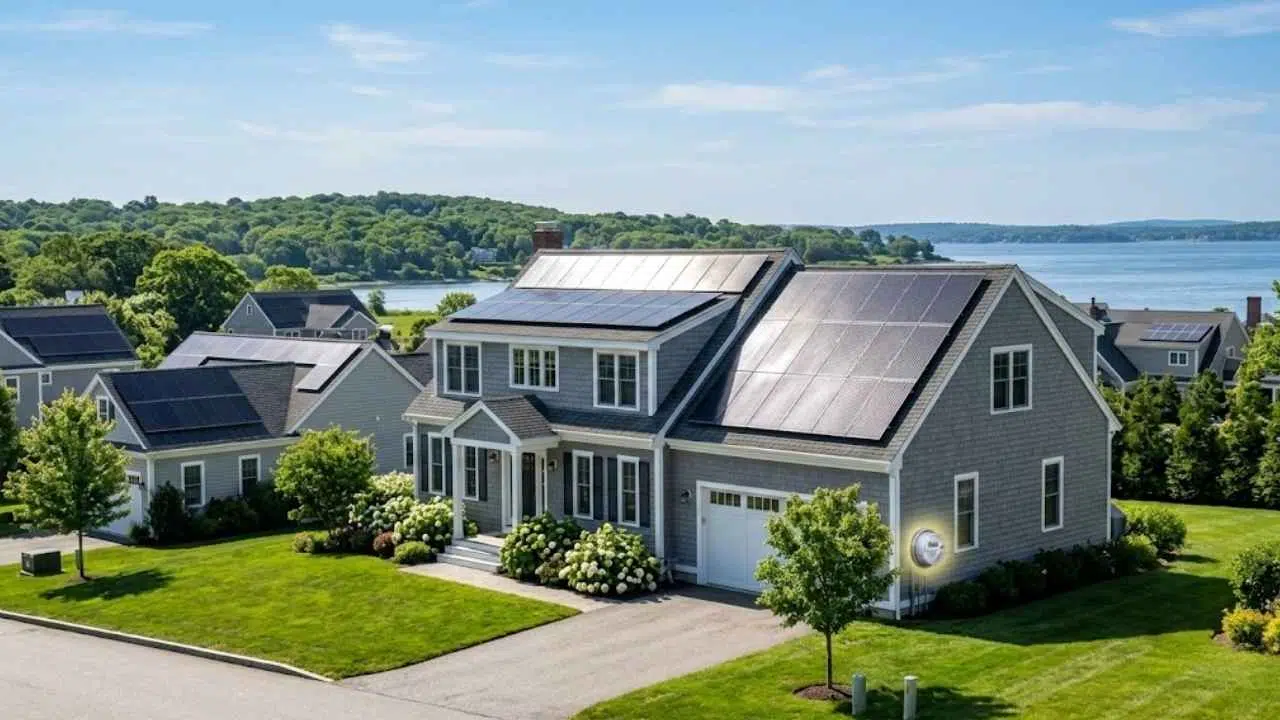
Rhode Island has established itself as one of the most solar-friendly states in the northeast, thanks to a robust set of state-level programs designed to make residential solar more accessible and affordable. For homeowners who have been on the fence about making the switch, 2026 presents a strong window of opportunity — several key incentive programs remain active, and acting sooner rather than later ensures you lock in current benefit levels before program caps are reached.
Here is a breakdown of the Rhode Island state incentives homeowners can still claim this year.
Rhode Island Renewable Energy Fund (RIREF)
The Rhode Island Renewable Energy Fund, administered by the Rhode Island Office of Energy Resources, is the state’s primary grant and rebate program for residential solar installations. RIREF allocates funding on a first-come, first-served basis each program year, which means homeowners who apply early in the calendar year stand the best chance of securing a rebate before funds are exhausted. Grant amounts vary based on system size and available program funding, so checking current availability with a qualified local installer is an important first step.
Net Metering: Turning Excess Energy into Savings
Rhode Island’s net metering program is one of the most valuable ongoing benefits available to solar homeowners. Under net metering, any electricity your solar panels generate beyond what your household uses in real time is sent back to the grid. Your utility credits you for that excess power, effectively spinning your meter backward and reducing future bills.
Rhode Island Energy and National Grid both participate in net metering for residential customers. Credits roll over month to month, which is particularly valuable given New England’s seasonal variation in solar production. Summer months typically generate a surplus that can offset higher winter electricity consumption, smoothing out your annual energy costs.
Property Tax Exemption
One concern homeowners sometimes raise is whether a solar installation will increase their property tax bill. In Rhode Island, that concern is eliminated by statute. The state offers a full property tax exemption for the added value that a solar energy system contributes to your home’s assessed value. This means you get the increased market value of a solar-equipped home without paying a dollar more in property taxes on that added value. The exemption applies to systems used primarily for on-site energy generation.
Sales Tax Exemption
Rhode Island also exempts solar energy equipment from the state’s 7% sales tax. When you purchase qualifying solar panels, inverters, mounting hardware, and related components, you pay no state sales tax on those items. On a system costing $20,000 to $30,000, this exemption alone can represent $1,400 to $2,100 in immediate savings at the point of purchase — a meaningful reduction that works alongside other incentives.
Utility Rebate Programs
Both Rhode Island Energy and National Grid periodically offer utility-level rebate programs for residential solar and battery storage installations. These programs change from year to year depending on utility budgets and regulatory approvals, so current availability should be confirmed with your installer. Rebates are sometimes paired with demand response programs, which can add additional bill credits in exchange for allowing the utility to briefly manage your system during peak grid demand periods.
Affordable Clean Energy Program
Rhode Island has maintained a commitment to expanding solar access for lower- and moderate-income households through its Affordable Clean Energy program. Income-qualified homeowners may be eligible for enhanced rebates and reduced-cost installation programs that go beyond what is available to the general market. If your household income falls within the qualifying range, this program can dramatically reduce the net cost of going solar.
Timing Your Installation
From a purely practical standpoint, late winter and early spring tend to be the optimal time to initiate a solar installation in Rhode Island. Installer schedules are less congested than in peak summer months, permitting timelines with local municipalities are often shorter, and a system installed by spring will be fully operational to capture the highest solar production months of the year starting in May and June.
Working with an experienced local installer who understands Rhode Island’s specific permitting requirements, utility interconnection process, and available state programs is essential to maximizing these benefits. Sunfinity Power specializes in helping Rhode Island homeowners identify and apply for every available state incentive, ensuring no savings are left on the table.