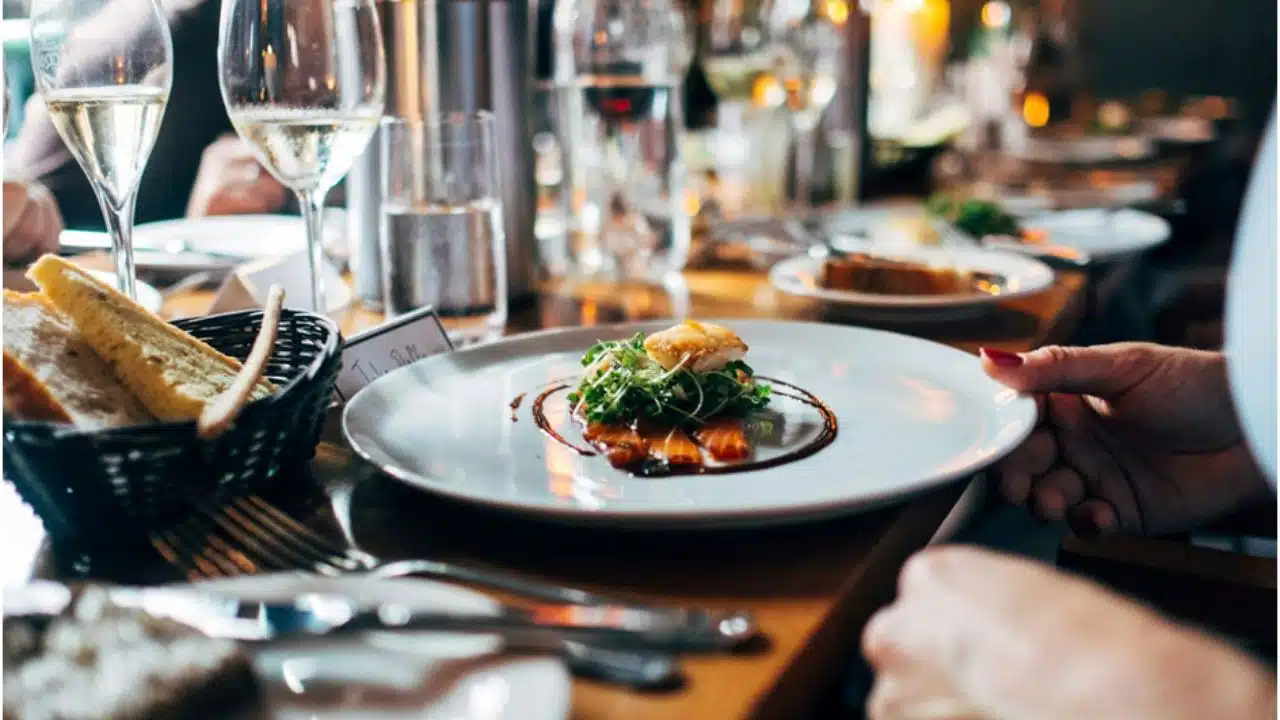
Running a successful restaurant involves more than just serving great food. It requires strategic planning, effective management, and the ability to adapt to ever-changing customer needs and market trends. This guide provides comprehensive steps to help you manage a thriving restaurant, from creating a memorable dining experience to leveraging technology and optimizing revenue.
Creating a Memorable Dining Experience
A great dining experience is not only about delicious food but also the overall atmosphere and service quality that keep customers coming back. The ambiance, the attentiveness of your staff, and the ease of making reservations all contribute to a memorable visit that encourages repeat business and positive word-of-mouth.
Designing Your Restaurant’s Ambiance
- Reflect Your Brand: Choose decor and themes that align with your restaurant’s identity.
- Use Appropriate Lighting: Ensure that the lighting sets the right mood for your dining experience.
- Play Suitable Music: Select music that complements your restaurant’s atmosphere.
- Focus on Comfort: Arrange seating to maximize comfort and encourage longer stays.
- Consider Seasonal Decor: Update decor to match the seasons or special events to keep things fresh.
Training and Managing Staff
Your staff is the backbone of your restaurant and directly impacts the customer experience. Proper training ensures that employees are knowledgeable, efficient, and courteous, which is essential for maintaining high service standards.
Leveraging Technology in the Food Industry
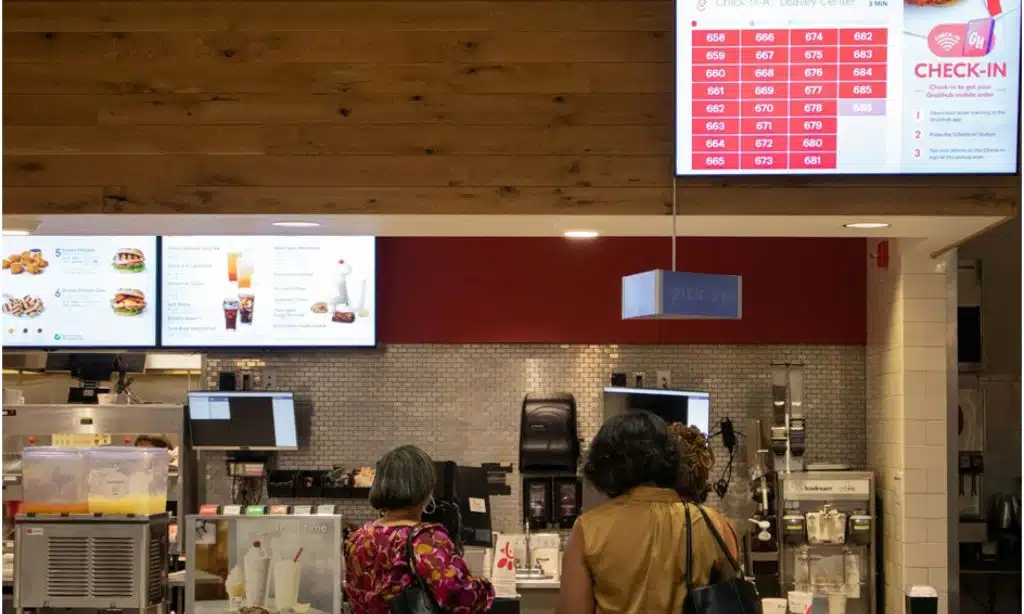
Embracing modern technology can significantly improve your restaurant’s efficiency and customer experience. From reservation systems to delivery apps, technology can streamline operations, reduce costs, and enhance the overall dining experience.
Utilizing a Restaurant Reservation System
A restaurant reservation system is essential for managing bookings efficiently and ensuring that your customers can easily secure a table.
- Streamline Booking Process: Use an online reservation system to automate and simplify bookings.
- Avoid Overbooking: Set up the system to prevent overbooking and manage waitlists effectively.
- Customer Data Insights: Use data from reservations to understand peak times and customer preferences.
- Integrate with POS: Ensure the reservation system integrates with your POS for seamless operations.
- Offer Flexibility: Allow customers to make, change, or cancel reservations easily online.
Integrating a Food Delivery App
Incorporating a food delivery app into your business model is a great way to reach customers who prefer to dine at home. Offering delivery services can significantly expand your customer base and increase your revenue.
- Expand Your Reach: Reach customers who prefer to order food online.
- Boost Revenue: Increase sales through additional delivery orders.
- Seamless Integration: Ensure your app integrates smoothly with your restaurant’s POS system.
- Real-Time Tracking: Provide customers with real-time tracking for their orders.
- User-Friendly Interface: Make sure the app is easy to navigate for a better user experience.
Implementing Technology in Food Industry Operations
Technology in the food industry extends beyond customer-facing applications; it can also streamline back-of-house operations. Implementing advanced point-of-sale (POS) systems, inventory management software, and data analytics tools can improve efficiency and reduce waste.
- POS Systems: Use POS systems to streamline transactions and track sales data.
- Inventory Management: Implement software to monitor stock levels and reduce waste.
- Data Analytics: Leverage data analytics to gain insights into customer preferences and optimize menu offerings.
- Staff Scheduling: Utilize scheduling tools to manage shifts and labor costs effectively.
- Automated Ordering: Integrate automated ordering systems to replenish stock timely.
Creating an Effective Online Presence
Your website and social media profiles serve as primary touchpoints for potential customers, helping them learn about your restaurant, view your menu, and place orders or reservations.
How to Create a Restaurant Website
Create a restaurant website that is not only visually appealing but also functional and easy to navigate. A professional website builder can help you design a site that effectively showcases your menu, allows online ordering, and provides essential information.
- Professional Design: Use a professional website builder to ensure your site looks appealing.
- Showcase Menu: Display your menu with high-quality photos and detailed descriptions.
- Easy Navigation: Make sure your website is user-friendly and easy to navigate.
- Mobile Optimization: Ensure the site is mobile-friendly for customers using smartphones.
- Online Ordering: Integrate an online ordering system for takeout and delivery services.
Engaging with Customers on Social Media
Social media platforms are powerful tools for promoting your restaurant and engaging with your audience. Use them to share updates, special offers, and behind-the-scenes content that highlights your brand’s personality.
- Share Content: Post photos, videos, and updates regularly to engage followers.
- Interact with Customers: Respond to comments, reviews, and messages promptly.
- Run Promotions: Use social media for contests, promotions, and special offers.
- Monitor Trends: Stay updated on trends to keep your content relevant.
- Analyze Performance: Use analytics tools to measure the success of your social media efforts.
Maintaining High Quality and Consistency
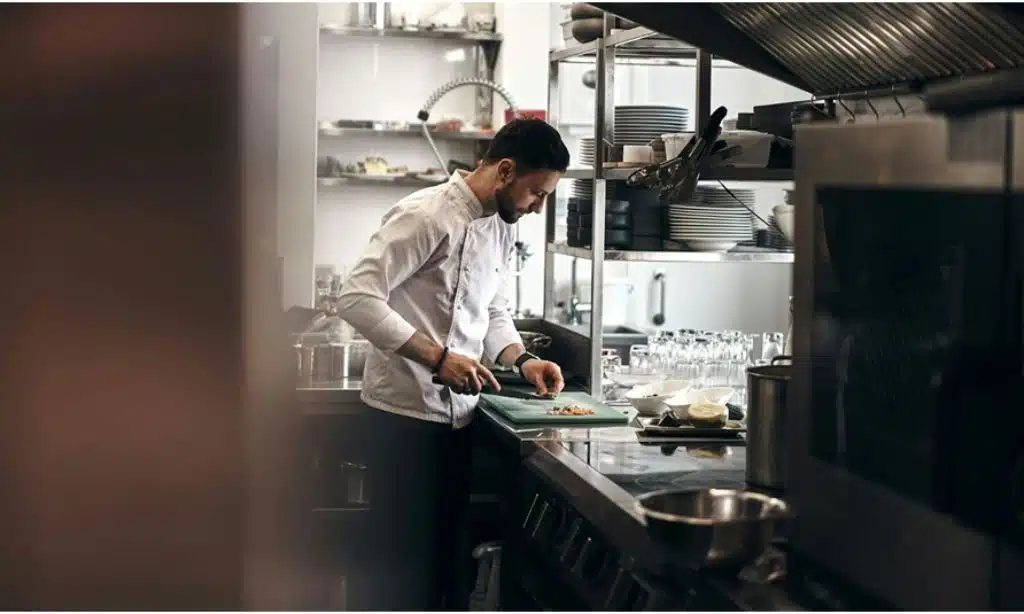
Consistency in food quality and service is vital for building a strong reputation and a loyal customer base. Maintaining high standards ensures that customers have a reliable and enjoyable dining experience every time they visit.
Adhering to Quality Standards in the Food Industry
Maintaining strict quality standards in the food industry is crucial for ensuring customer satisfaction and regulatory compliance. Regularly monitor and evaluate your food preparation processes, ingredient sourcing, and hygiene practices to maintain high standards.
- High-Quality Ingredients: Source fresh and high-quality ingredients.
- Consistent Recipes: Use standardized recipes to ensure consistency in taste and presentation.
- Regular Inspections: Conduct routine checks to adhere to hygiene and safety standards.
- Employee Training: Train staff in food safety and handling procedures.
- Customer Feedback: Gather feedback to identify areas for quality improvement.
Regular Staff Training
Ongoing training is essential for maintaining service quality and ensuring that your staff stays knowledgeable about your menu and customer service protocols. Regular training sessions can help keep your team informed about new dishes, service techniques, and safety regulations.
- Menu Knowledge: Ensure staff are well-versed in the current menu.
- Customer Service Skills: Train staff on best practices for customer interaction.
- Safety Protocols: Keep staff updated on the latest food safety regulations.
- Skill Development: Provide opportunities for professional growth and skill enhancement.
- Feedback Sessions: Hold regular meetings to discuss performance and areas for improvement.
Optimizing Restaurant Revenue
Maximizing revenue involves more than just increasing sales; it includes managing costs, improving efficiency, and exploring new income streams. By focusing on optimizing your revenue, you can improve your restaurant’s profitability and sustainability.
Strategies for Optimizing Restaurant Revenue
Optimizing restaurant revenue requires a strategic approach to menu pricing, inventory management, and operational efficiency.
- Analyze Menu Performance: Identify best-selling and high-margin items.
- Adjust Pricing: Optimize prices based on demand and competition.
- Control Costs: Implement measures to reduce food and labor costs.
- Enhance Customer Experience: Improve dining experiences to encourage repeat visits.
- Offer Promotions: Create special deals to attract more customers.
Exploring New Revenue Streams
To diversify your income and enhance profitability, explore additional revenue streams such as catering services, merchandise sales, or special events.
- Catering Services: Offer catering for events to increase sales.
- Branded Merchandise: Sell items like T-shirts, mugs, or packaged food.
- Host Events: Organize events like cooking classes or private dinners.
- Delivery Services: Expand your delivery options to reach more customers.
- Loyalty Programs: Implement programs to encourage repeat business.
Continuously Improving Your Restaurant
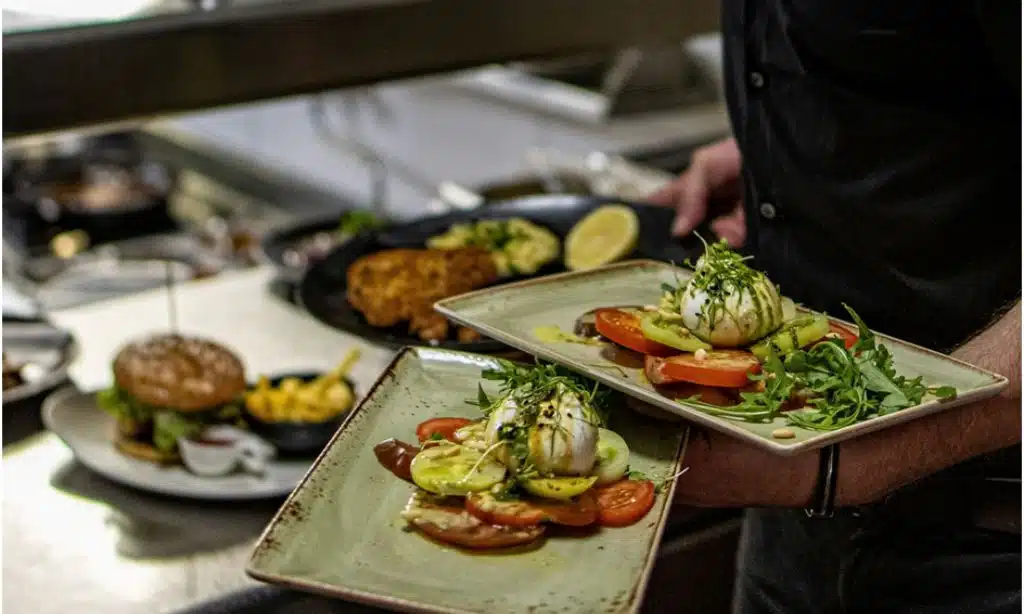
Continuous improvement is key to staying competitive and meeting the evolving needs of your customers. By regularly evaluating your operations and seeking ways to improve, you can enhance customer satisfaction, increase efficiency, and boost your restaurant’s success.
How to Improve Your Restaurant
To understand how to improve your restaurant, regularly gather feedback from customers and employees, and analyze your operations to identify areas for enhancement.
- Customer Surveys: Use surveys to gather insights on customer satisfaction and preferences.
- Market Research: Stay informed about industry trends and competitor activities.
- Operational Audits: Conduct regular audits to identify and address areas for improvement.
- Update Menu: Regularly refresh your menu with new and seasonal items.
- Enhance Service: Continuously improve customer service practices.
Adapting to Changing Market Conditions
The restaurant industry is dynamic, and adapting to changing market conditions is essential for long-term success. Stay flexible and willing to adjust your offerings, services, and marketing strategies to meet evolving customer demands and market trends.
- Monitor Market Trends: Keep an eye on industry trends to stay ahead.
- Adapt Menu Items: Adjust your menu based on seasonal availability and customer preferences.
- Flexible Service Models: Be ready to incorporate delivery, takeout, or new dining formats.
- Revise Marketing Strategies: Update marketing approaches to stay relevant and attract new customers.
- Evaluate Performance: Regularly review business performance to make informed adjustments.
Conclusion
Running a successful restaurant requires strategic planning, excellent customer service, and adapting to market trends. Focus on quality standards, technology integration, and revenue optimization to thrive and stand out in a competitive industry.