Refugees granted asylum in the UK could be forced to wait two decades before securing permanent settlement under sweeping new reforms that mark one of the most dramatic overhauls of the country’s asylum system in modern times.
Radical 20-Year Route to Settlement
Under the plans, people who are granted asylum in the UK will no longer be able to apply for permanent settlement – known as indefinite leave to remain – after five years, as is currently the case. Instead, they will be placed on a 20‑year route, meaning they must renew their status multiple times before being eligible to stay in the country permanently.
The Home Office has framed the move as an attempt to “end the golden ticket” of quick, long‑term security for refugees, arguing that the existing system creates incentives for irregular journeys and encourages people to cross Europe to reach the UK. Ministers say the new rules will bring Britain closer in line with tougher European models, particularly Denmark, where refugee protection is largely temporary and regularly reviewed.
Refugee Status Cut from Five Years to 30 Months
Alongside the extended path to settlement, the length of initial refugee status will be slashed from five years to just 30 months. After each 30‑month period, a refugee’s situation will be reassessed, and they could be required to leave the UK if officials judge their home country to be safe enough for return.
This shift transforms refugee protection from a relatively stable five‑year block into a series of short, temporary permissions to stay, each dependent on changing country conditions and Home Office reviews. Critics warn that this will create long‑term insecurity for people who may have already survived war, persecution, and dangerous journeys to reach safety.
Ending “Automatic” Support and Tightening Conditions
The reforms go beyond timelines and status, also targeting what ministers describe as the “automatic” nature of support for asylum seekers and refugees. Proposals include curbing guaranteed access to state‑funded accommodation and financial assistance, with a clearer distinction between those who arrived through designated safe routes and those who came via irregular means such as small boat crossings.
Officials say the changes are designed to deter “abuse” of the system and to prioritise refugees resettled directly from conflict zones under official schemes. Human rights groups and refugee advocates, however, argue that restricting support will push vulnerable people into destitution and exploitation, rather than discouraging dangerous journeys.
Political Pressure and Rising Asylum Numbers
The Labour government, led by Prime Minister Keir Starmer, is unveiling the package as it comes under mounting political pressure over irregular migration and record‑high asylum applications. Support for hard‑right parties campaigning on a hardline migration platform has been rising, fuelled in part by images of small boats crossing the English Channel.
Official figures show that asylum claims have reached historic levels, with more than 100,000 applications lodged in the year to mid‑2025 and a growing backlog of unresolved cases costing the state billions in hotel and accommodation bills. Ministers are betting that tougher rules, longer waits for settlement, and more conditional support will help curb new arrivals and reassure an anxious public.
Inspiration from Denmark and Europe
The Home Office has explicitly pointed to Denmark and other European states as models for the new regime. In these systems, refugee status is typically temporary, subject to frequent review, and closely tied to expectations around work, integration, and eventual return when conditions improve at home.
By stretching the route to permanent settlement to 20 years and making it harder to access automatic support, UK officials say they intend not just to “match” but in some respects to “exceed” those standards. The message from ministers is that protection in Britain will be rooted in temporary refuge rather than an automatic pathway to long‑term residence.
Human Impact and Fears of a “Permanent Temporary” Life
Refugee organisations warn that the reforms risk creating a generation forced to live in limbo for decades. A 20‑year wait for permanent settlement means years – potentially most of an adult life – spent proving vulnerability, renewing paperwork and facing the constant threat of removal if a conflict is deemed to have eased.
Campaigners say this uncertainty will harm mental health, disrupt education and employment, and make it harder for refugees to put down roots, buy homes or plan for their families’ futures. They also warn that frequent reviews and the prospect of forced returns may leave people terrified of engaging fully with authorities, undermining integration rather than fostering it.
Legal and Rights Concerns
Lawyers and migration experts are closely scrutinising the proposals, which they say could trigger a wave of legal challenges in UK courts and possibly at the European Court of Human Rights. One key concern is whether repeatedly reassessing refugee status and conditioning long‑term settlement on a 20‑year path breaches obligations under the 1951 Refugee Convention and other international human rights instruments.
There are also fears that expanded powers to return people when countries are judged “safe” could be applied unevenly or prematurely, particularly in volatile regions where conditions can deteriorate rapidly. Rights groups argue that the combination of shorter status, harsher reviews and restricted support amounts to a deliberate attempt to make life so precarious that refugees simply give up and leave.
What Happens Next
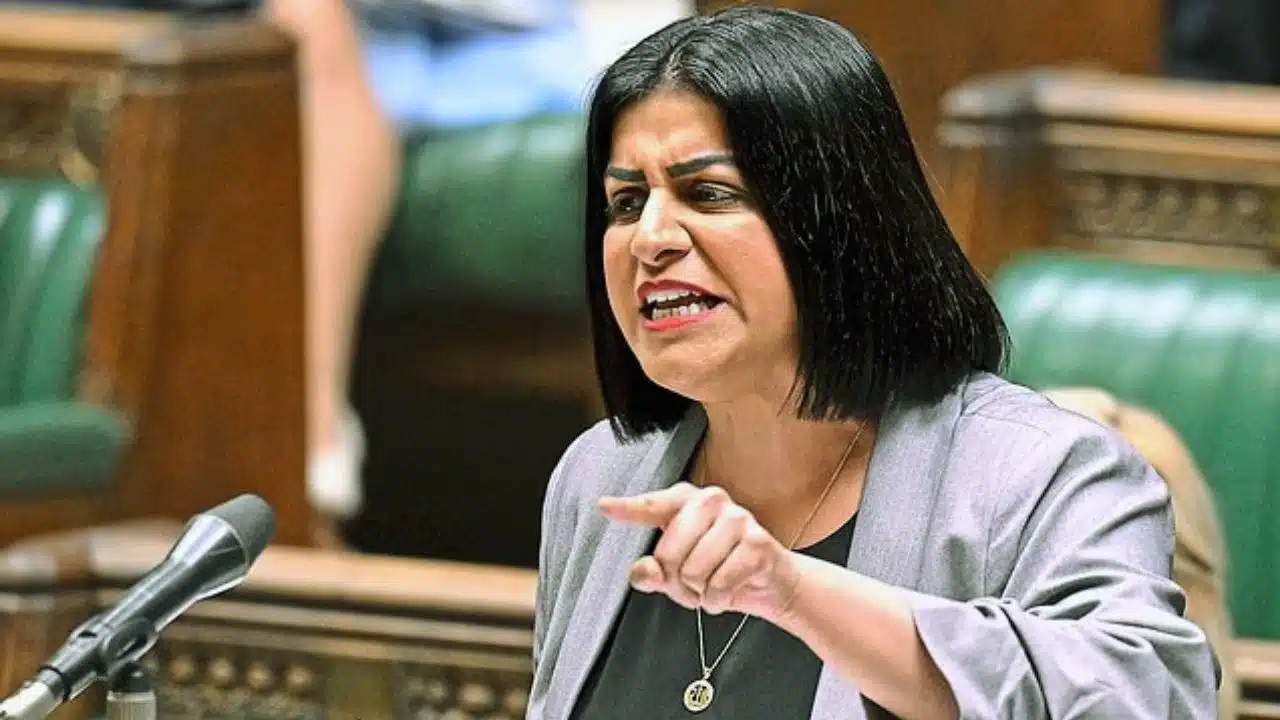
Home Secretary Shabana Mahmood is expected to formally announce the full package of reforms in Parliament, setting out a timetable for legislation and administrative changes. MPs and peers are likely to face intense lobbying from both sides: campaigners demanding protections and safeguards, and hardliners urging the government to go even further.
If enacted, the reforms would mark a decisive shift in the UK’s post‑war asylum tradition – away from a system that offered a relatively clear route to permanence, and towards one where sanctuary is provisional, heavily conditional and, for many, stretched over a 20‑year horizon.