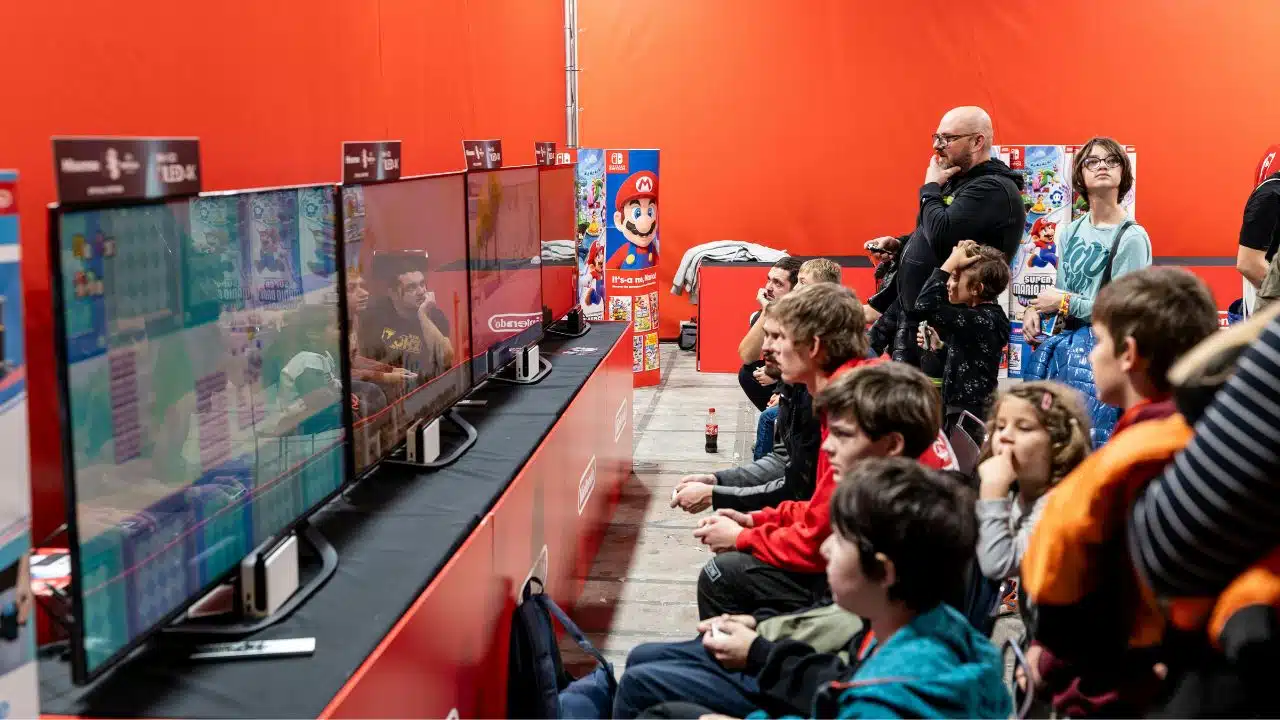
The prevalence of video games in the daily lives of children and teenagers has surged, particularly during the COVID-19 pandemic. This rise has led many parents to grapple with difficult questions about gaming habits and their effects on young minds. It’s important to discern when a child’s gaming crosses into excessive territory, potentially requiring intervention from professionals, including a video game addiction lawyer, who can navigate the legal nuances of such situations. Here, we delve into understanding the allure of gaming for children, the risks associated with gaming too much, and practical strategies parents can implement to maintain a healthy balance.
The Appeal of Video Games
Video games captivate children for several reasons, ranging from the joy of gameplay to the satisfaction of achievement and social interaction.
Understanding the Attraction
Video games are designed to engage users deeply, utilizing elements that trigger the reward centers of the brain, much like gambling. This design can make gaming particularly appealing and, at times, addictive, especially for children and teens who may use gaming as a means to escape or alleviate bad moods.
Risks for Certain Groups
Children with traits such as impulsivity, shyness, or attention issues like ADHD are more susceptible to developing unhealthy gaming habits. For these children, the immersive world of gaming can significantly detract from essential activities such as sleep, exercise, and real-world social interactions.
Identifying Unhealthy Gaming
Recognizing the signs of excessive gaming is crucial for intervening effectively before it impacts a child’s health and well-being.
Signs of Potential Gaming Disorder
Although gaming disorder is not yet officially recognized in the U.S., symptoms include obsession with gaming, withdrawal symptoms when not playing, and a decline in interest in other activities. These signs can help parents and professionals determine when gaming is becoming detrimental to a child’s life.
Consequences of Excessive Gaming
When gaming becomes the priority over educational responsibilities and physical activities, it can lead to a decline in academic performance, physical health, and emotional well-being. It is important for parents to monitor and address these issues proactively.
Preventive Measures and Solutions
Setting boundaries and providing alternative activities are effective strategies for managing a child’s gaming activity.
Creating a Family Media Plan
Developing a media plan can help manage and balance the amount of time a child spends on video games. By setting clear rules about when and where gaming can occur, parents can ensure that gaming does not replace important activities like homework or sleep.
Engagement and Monitoring
Staying engaged with your child’s gaming life by playing games together and keeping gaming devices in common areas can help parents monitor content and manage time spent on gaming. This involvement also allows parents to set a positive example and establish healthy limits.
Intervention Strategies
When preventive measures are not enough, it may be necessary to seek external help or implement stricter controls on gaming.
When to Seek Professional Help
If gaming starts to significantly interfere with a child’s daily life or if they resist attempts to manage gaming time, consulting with a pediatrician or a psychologist can provide guidance and support tailored to your child’s needs.
Technical Solutions for Gaming Management
For parents who need to enforce gaming limits technically, options like parental controls on Wi-Fi routers or devices can restrict access during certain hours, helping to enforce bedtime and reduce late-night gaming.
Conclusion
Video games are a popular form of entertainment for children, offering both benefits and risks. While most children can enjoy gaming without adverse effects, some may develop unhealthy habits that require intervention. By understanding the signs of excessive gaming, establishing preventive measures, and staying engaged with their children’s digital lives, parents can help ensure that their children enjoy video games in a healthy, balanced way. If challenges persist, it’s crucial to seek professional advice to address potential gaming disorders effectively.