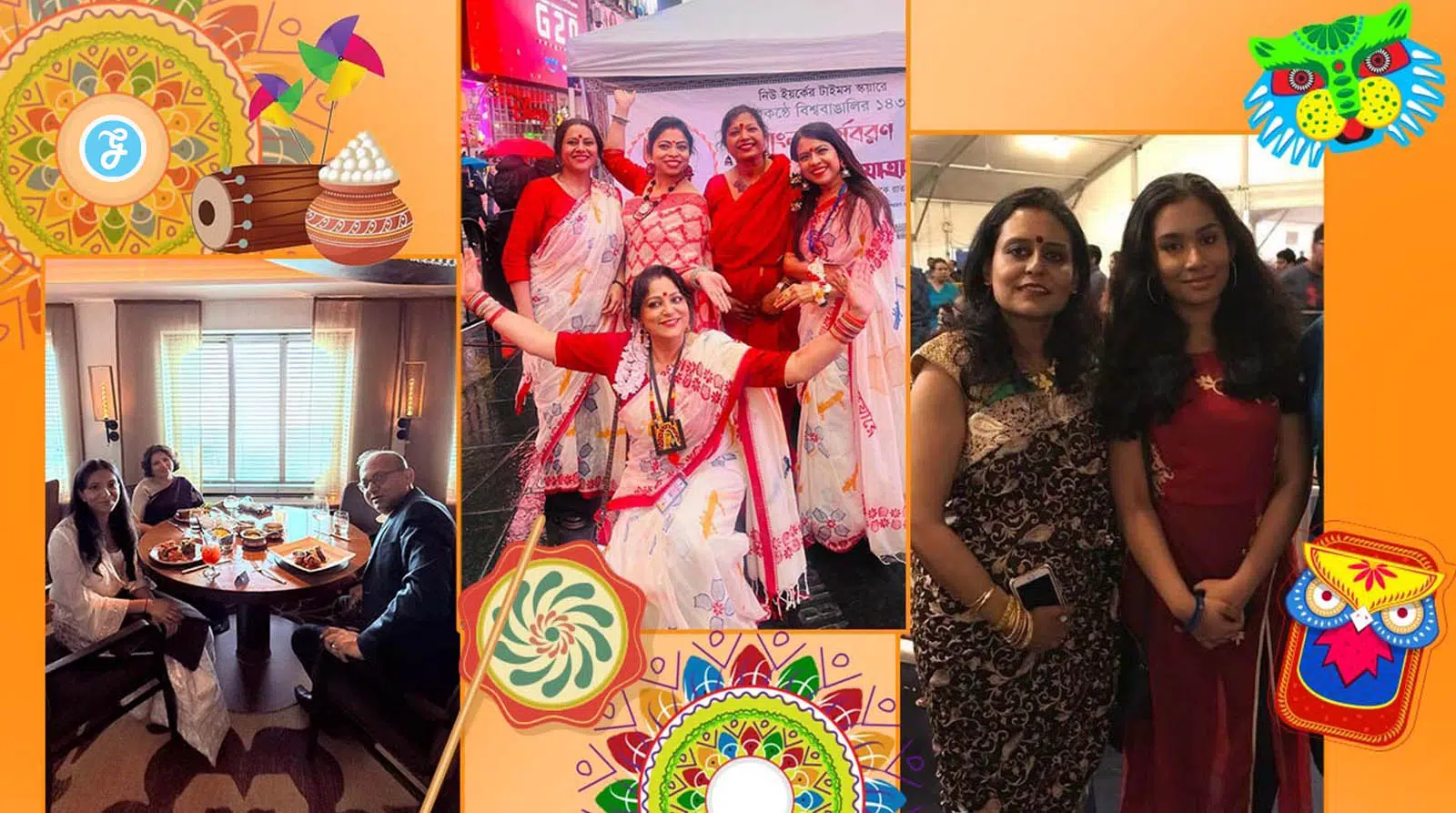
Imagine a morning bursting with color. The date is April 14 or 15, 2026. The sun rises on a brand new year that echoes from the streets of Dhaka to the neighborhoods of New York. Across the United Kingdom, the United States, and Singapore, Bengali communities wake up to a shared rhythm. Pohela Boishakh celebrations ignite the streets with unmatched joy. Women drape themselves in stunning white sarees with bright red borders. Men step out in crisp traditional kurtas often paired with a dhoti or pajamas.
The air hums with joyous music and the sweet smell of festive foods. This is the magic of the Bengali New Year. You can feel the energy instantly. In Preston, North West England, Angana and daughter Audrisha prepare for the day weeks before. In New York City, Jayeeta and her husband Krishna join the festivities wearing matching colors. Meanwhile, Swastika and Debora, the mother-daughter duo, bring the spirit of the season to Singapore.
This single day unites a massive global community. Nearly 300 million Bengalis around the world come together to welcome the first day of the Bengali calendar. They share a collective heartbeat on this special morning. It does not matter if they live in the bustling lanes of Kolkata, the iconic Brick Lane in London, or the quiet suburbs of Texas. People exchange sweet treats and warm greetings of Shubho Noboborsho. They eat traditional rice dishes and sing folk songs. Distance melts away as everyone connects over shared heritage and happy memories.
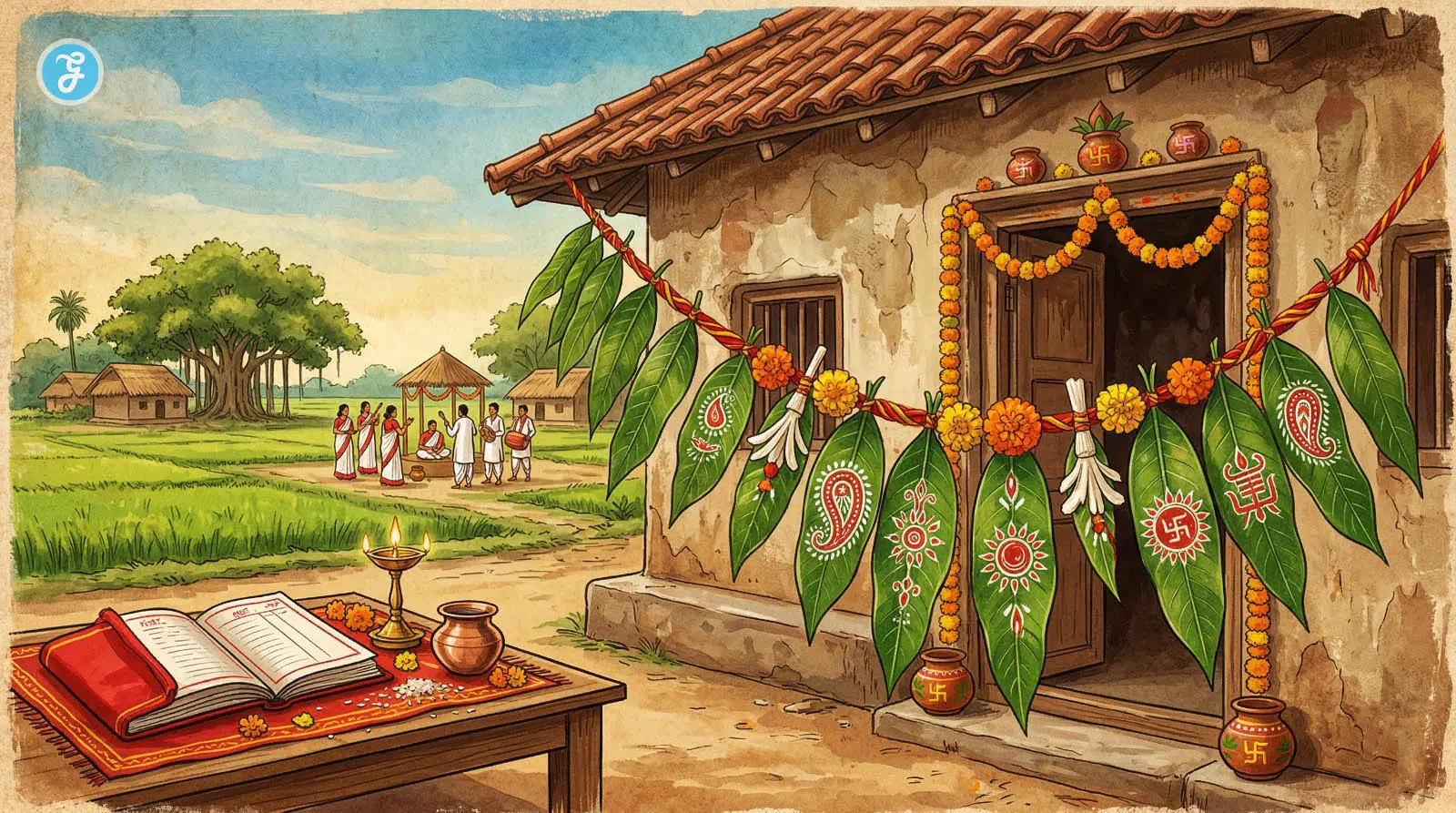
The festival began centuries ago as a simple regional harvest event. Farmers would pay their taxes and open new accounting ledgers. Over time, this holiday has grown into something much bigger. It has crossed geographical borders to reach every corner of the globe. The new year is no longer just about agriculture or economics. It stands as a powerful global expression of Bengali identity. The day celebrates art, music, food, and community resilience. It is a vibrant reminder of deep roots and shared history. The festivities keep a rich cultural legacy alive for future generations everywhere.
The Roots of the Pohela Boishakh Celebrations
The journey of this festival from a royal tax decree to a global cultural phenomenon is a story of community resilience. It reflects how a practical tool for farmers transformed into a soulful celebration of identity. These deep historical origins continue to ground the Bengali diaspora today.
The Imperial Origins of a New Calendar
The story of the Bengali calendar begins in the 16th century with the Mughal Emperor Akbar. He ruled a vast land where the timing of the harvest did not align with the Islamic lunar calendar.
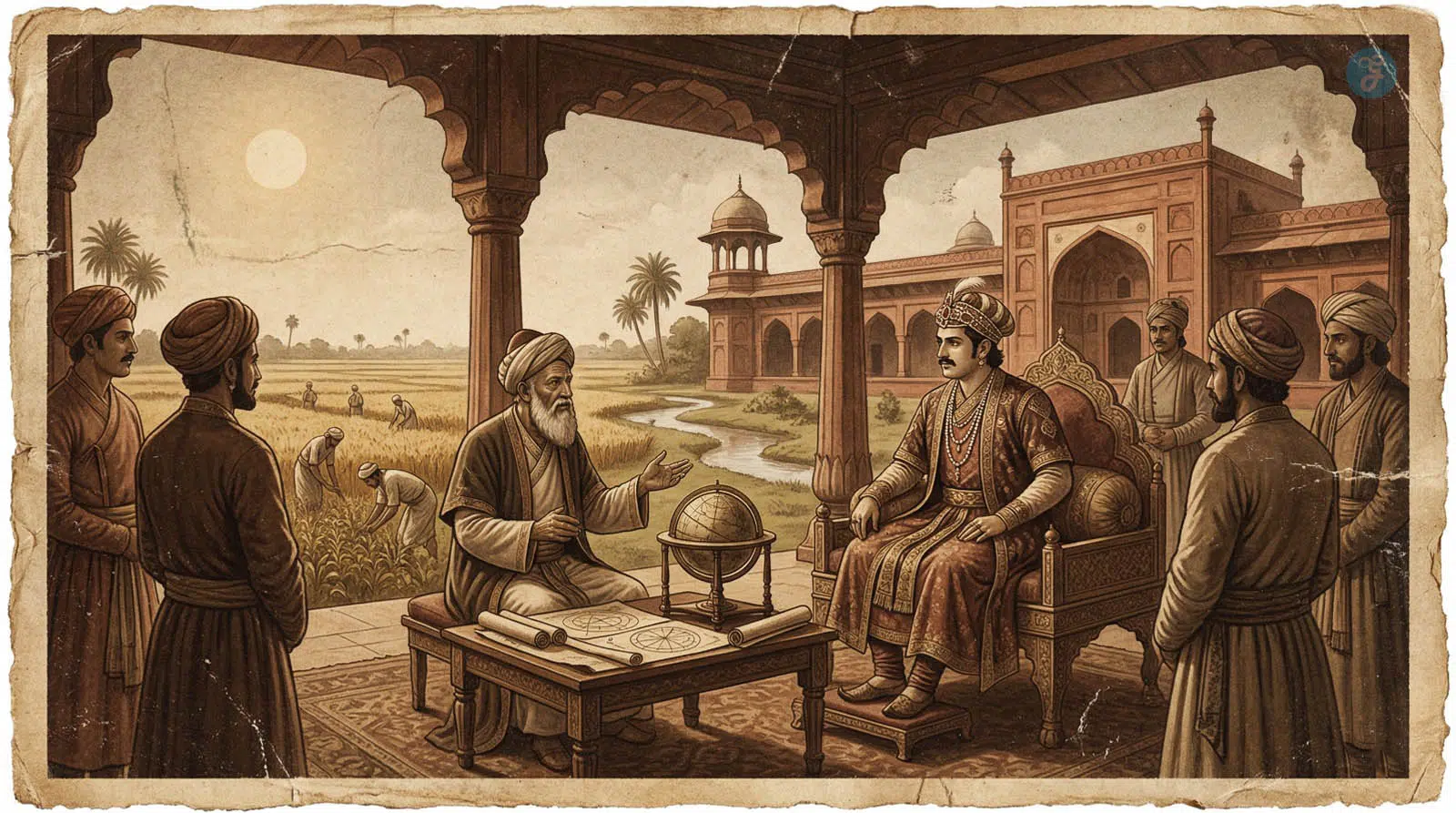
This discrepancy made tax collection difficult for farmers. Akbar wanted a practical solution. He asked his royal astronomer to create a new system. This system combined the Islamic lunar calendar with the Hindu solar calendar. The new calendar tracked the seasons accurately. It allowed farmers to pay their dues after they harvested their crops. This reform laid the foundation for what later evolved into the Bengali calendar.
From Financial Records to Cultural Renewal
Over time, these financial beginnings shifted into a grand cultural event. The end of the tax year became a time for celebration rather than just math. Business owners started a tradition called Halkhata. They would close their old accounting books and open brand new ones.
They invited customers and neighbors to their shops for sweets and snacks. This gesture turned a cold business transaction into a warm community gathering. The focus moved from debt to renewal. That same spirit of a fresh start defines the holiday. People leave the burdens of the past year behind and look forward with hope.
The Visual Identity and Universal Greeting
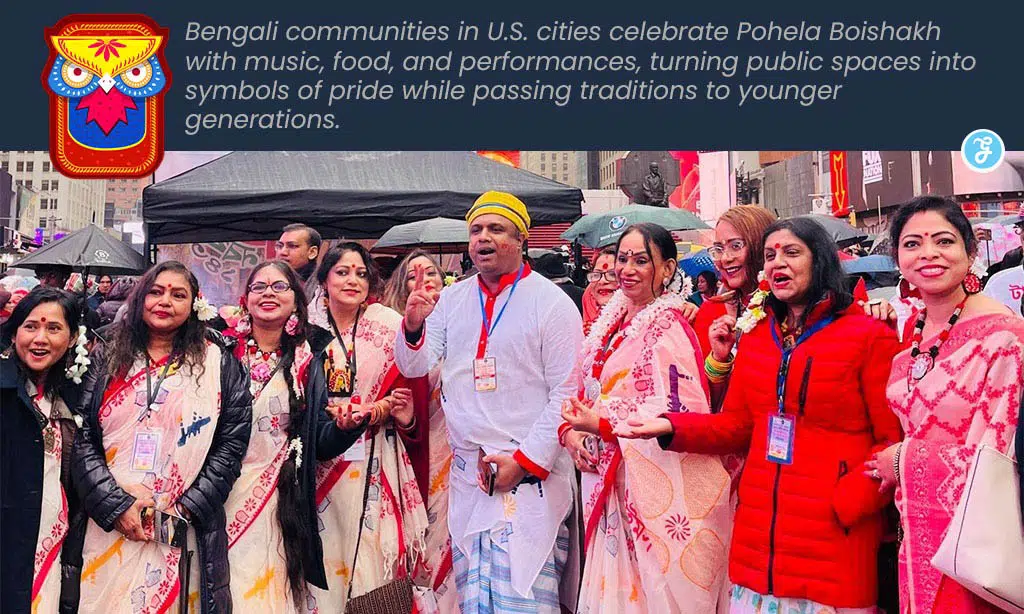
The visual identity of Pohela Boishakh is unmistakable, defined by a sea of white and red that flows through the streets. These colors are far more than a fashion choice; they symbolize a canvas of purity and the vibrant pulse of a new beginning. Women gracefully drape themselves in white sarees with crimson borders, while men wear white kurtas adorned with red embroidery. This collective choice is not a forced uniform but a spontaneous expression of cultural pride, creating a profound sense of unity in every gathering.
The Mangal Shobhajatra
The pinnacle of this visual feast is the Mangal Shobhajatra in Dhaka. Born in the 1980s, this massive, colorful procession features students and artists carrying towering masks and intricate replicas of birds and animals. It is a celebration so significant that UNESCO recognizes this Bangladesh origin tradition as a part of the Intangible Cultural Heritage of Humanity.
The Spiritual Anthem
Woven through these vivid sights are the timeless strains of Esho Hey Boishakh. This Rabindra Sangeet is much more than a melody; it is the very heartbeat of the day. As a rhythmic invocation, it calls upon the new year to purge the remnants of past sorrows and rejuvenate the spirit of the Bengali diaspora, from the heart of Bangladesh and West Bengal to every corner of the globe.
Traditions of Kolkata
In the streets of Kolkata, the day begins with the resonance of Prabhat Pheri. These early morning cultural processions bring neighborhoods alive with Rabindra Sangeet and traditional dance. For many, the day is also a spiritual journey, with families visiting temples like Kalighat to seek blessings for the year ahead.
Business owners observe the sacred ritual of Halkhata, opening new financial ledgers sanctified by Ganesh-Lakshmi Puja. Beyond the rituals, the city transforms into a culinary hub. From home kitchens to crowded restaurants, the air is thick with the aroma of traditional Bengali feasts, celebrating the season through the joy of food.
A Global Bridge: Shubho Noboborsho
The greeting “Shubho Noboborsho” serves as the simple, beating heart of the festival. While it translates literally to “Happy New Year,” its resonance is much deeper. It is a verbal bridge that spans the global diaspora, offered with a smile to friends and strangers alike.
Whether in a bustling market in Kolkata, a quiet park in London, or the vibrant streets of Dhaka, these two words spark instant recognition and belonging. These traditions remind us that culture is never static; it breathes and moves with the people who cherish it. Even as the branches of the Bengali community reach across the world, the roots remain deep, nourished by a shared history and a hopeful future.
London to Lancashire: Finding the Bengali Heartbeat in Britain
In the heart of London, the Boishakhi Mela transforms the streets into a sea of celebration. This is the largest open-air Asian festival in Europe. Over 80,000 people gather near Brick Lane and Weavers Fields to mark the new year. The scale is staggering. You can hear the rhythmic beat of traditional drums and the sharp, energetic dialogue of Sylheti drama. The scent of spicy curries and fried snacks wafts from every corner. Giant, colorful floats dominate the view. The most famous is often a massive mechanical tiger that towers over the crowds. It is a sensory feast that brings a piece of Bengal to the center of the United Kingdom.
For many, the words Poila Boishakh carry undertones of sweet nostalgia. It is difficult to explain what the day means after living thousands of miles away from Kolkata for 25 years. Maintaining the ethos of these traditions is an intentional choice. It is the glue that holds a culture together across oceans. People do not always have the luxury of a full day off to celebrate. Instead, they find a small gap in a busy schedule. This brief pause provides a fresh breath of life amidst a hectic week. It is a way to stay grounded while living a global life.
In Preston, North West England, Dr. Angana Bhattacharya navigates this balance every year. She and her husband, Arindam, are both busy doctors. Their lives are a whirlwind of hospitals and clinics. Even on a workday, Angana makes sure to remind her daughter, Audrisha, that it is the Bengali Nababarsho. She encourages her to reflect on new year resolutions. They often order special delicacies for an evening meal to mark the occasion. In 2023, the festival coincided with a day Angana was examining for the PLAB exam for doctors. She wore a saree to work to commemorate the day. It was a silent but powerful nod to her identity.
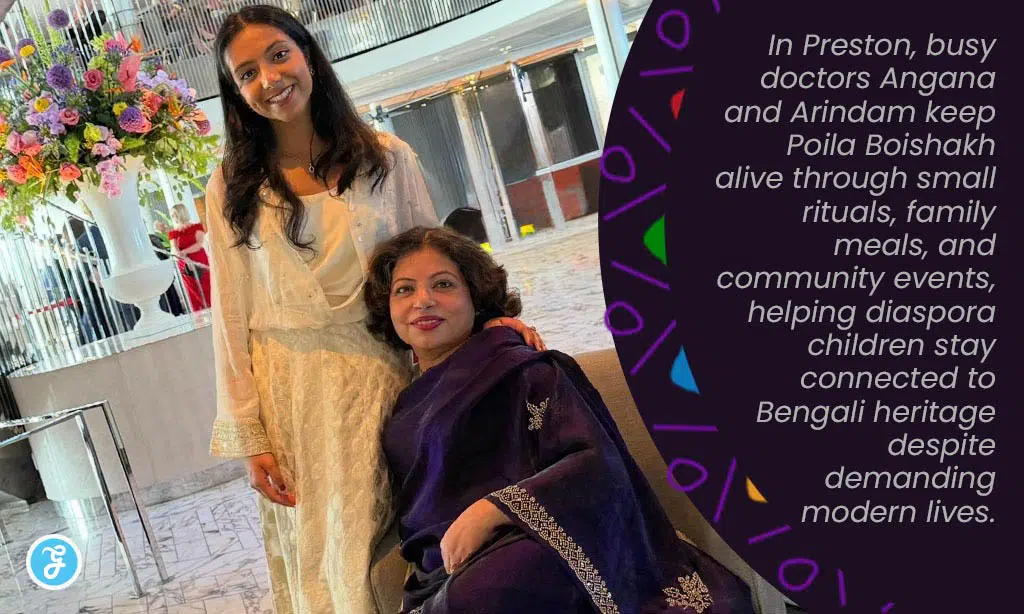
The weekend offers a different pace for the family. It is a chance to dress up in traditional attire and meet fellow Bengalis at community celebrations. These gatherings are about more than just food or music. They are a lifeline for the diaspora. Families share stories and catch up on each other’s lives. They ensure that children like Audrisha grow up with a sense of belonging. The Boishakhi Mela and local events in places like Preston prove that geography cannot erase heritage. The community finds ways to weave their history into their modern, professional lives.
This cultural landmark serves a greater purpose in Europe. It showcases the resilience of the Bengali spirit. People work hard in demanding roles but never let their roots wither. They celebrate in the quiet moments between shifts and in the loud, joyful parades on the streets. Every “Shubho Noboborsho” exchanged in a London park or a Preston hospital is a victory for tradition. It shows that 300 million people can share one heart. They are united by a calendar that started with a harvest but now grows through their shared determination.
Times Square to the Table: New York’s Grand New Year Greeting
Across the Atlantic, the energy of the new year takes over the streets of the United States. In major cities like New York, the scale of the gathering is truly historic. Bengali communities now congregate at the iconic Times Square to usher in the first day of the calendar. For many immigrants, this represents a dream fulfilled. The sounds of traditional drums and folk songs bounce off the skyscrapers in the heart of Manhattan. This massive public display is a testament to how deep these cultural roots have grown in American soil. It is a moment where the private longing for home meets the public pride of a vibrant community.
For Jayeeta Banerjee Mukherjee, a finance executive living in the city, the day is steeped in memory. Growing up in India, the new year meant crisp new clothes, sweet mishti pulao, and savory kasha mangsho. Fast forward several decades and the menu remains exactly the same. Only the continent has changed. The deep emotions tied to these traditions stay constant. For a long time, there was a void and a quiet longing to celebrate with others who understood the rhythm of the day. As her circle of friends broadened, that gap began to close. Bengalis from both sides of the border found each other through a shared bond of language and art.
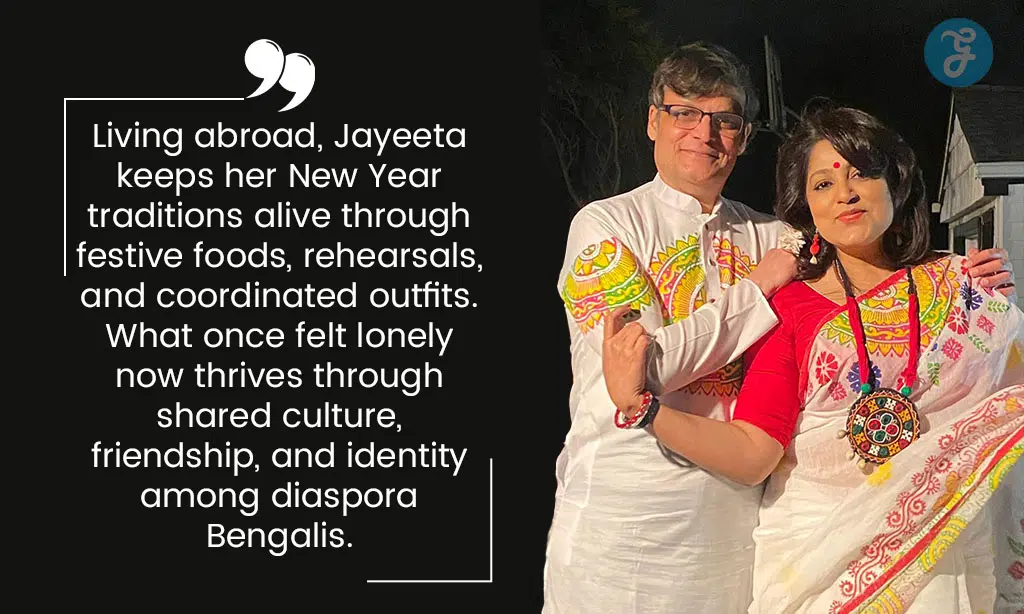
The preparation for the big day is an event in itself. In the weeks leading up to the festival, homes across the tri-state area buzz with activity. These rehearsals, or mohora, happen every weekend for a couple of months. Friends gather to practice dances, tune instruments, and perfect their songs. Jayeeta and her husband, Krishna C. Mukherjee, are well known in their social circles for their dedication to the day. They often celebrate in carefully coordinated outfits, choosing matching colors that reflect the festive spirit. This attention to detail is not just about fashion. It is an intentional act of honoring their identity in their home away from home.
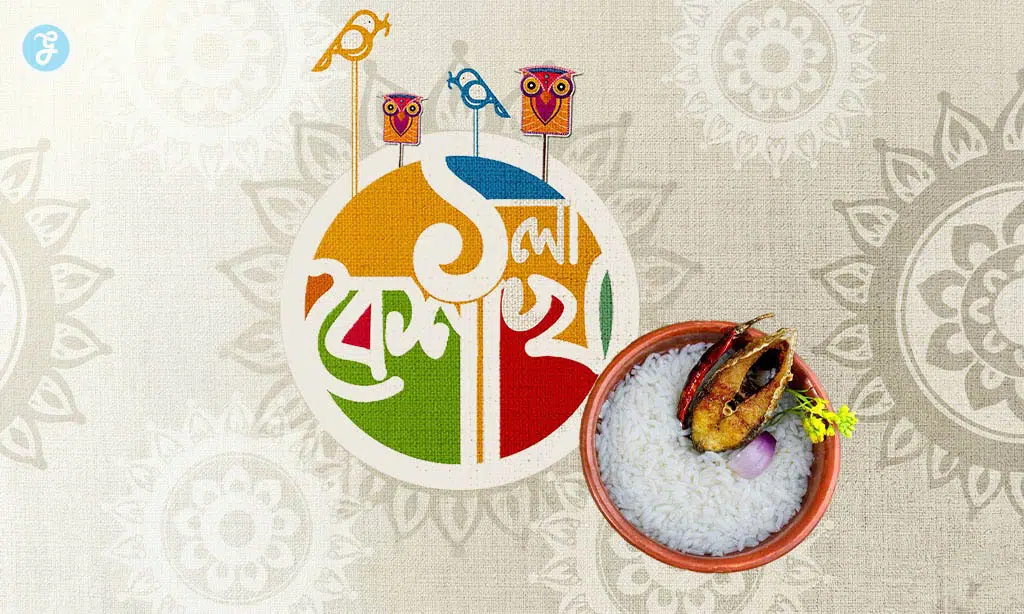
Food remains the ultimate bridge between generations. On the morning of Pohela Boishakh, many families prepare panta bhaat, which is fermented rice soaked in water. This cooling dish is traditionally served with fried hilsa fish, green chilies, and onions. It is a humble meal that carries the weight of history. In West Bengal, the New Year’s breakfast is often more about Luchi-Alur Dom or sweets, while the Panta Ilish is the iconic soul of the celebrations in Bangladesh. As parents share these flavors with their American-born children, they are doing more than just eating. They are passing down a sensory map of their heritage. The children learn the stories behind the spice and the significance of the seasonal shift.
These celebrations provide a steady anchor for the younger generation. It allows them to see their culture celebrated on a world stage like Times Square. The excitement each year remains as fresh as it was back home. While change is a constant part of the immigrant experience, the emotional connection to the new year is unwavering. The community continues to look forward to their Borsho Boron with the same spark of joy. They prove that no matter how far they travel, the heart of the Bengali New Year travels with them.
Gardens by the Bay to Gourmet Tables: Singapore’s Soulful Celebration
Singapore offers a unique flavor of the new year that reflects its deep multicultural roots. For Swastika Ghosh, the journey of celebrating heritage abroad has spanned over 30 years. She spent a decade in the United States before making Singapore her home for the last 20 years. In the U.S., celebrations were intimate weekend get-togethers at various homes. In Singapore, the experience is more organized due to the large and diverse Indian community. The season becomes a grand festival that spans different states. It is a time when Pohela Boishakh joins Vaisakhi, Puthandu, Bohag Bihu, and Vishu in a collective display of joy.
The Bengali Association Singapore (BAS) serves as a cultural anchor in this busy city. The association organizes special musical evenings and vibrant dance and drama performances. Swastika remembers her daughter, Debora Medha Ghosh, performing at these events during her early school days. These performances are more than just entertainment. They are a way for the younger generation to inhabit their history through art. The High Commission of India in Singapore also plays a major role by showcasing India’s rich culinary and artistic heritage. This year in 2026, the Indian Film Festival featured Satyajit Ray’s classics like Nayak and Charulata, drawing the community even closer to its intellectual roots.
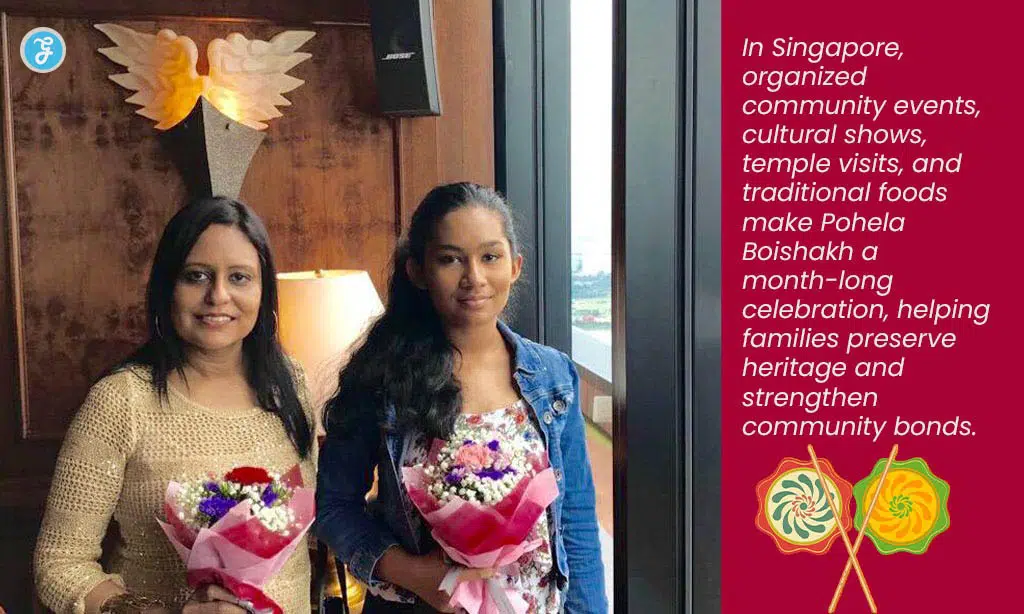
The atmosphere in Singapore during this time is elegant and festive. Many celebrations feature sophisticated high tea or elaborate dinners. Local Indian restaurants offer special promotions with regional delicacies that taste of home. For Swastika and her family, the day begins with prayer and a visit to the temple. They prepare traditional Bengali favorites like Mishti Doi at home. They also make it a point to buy new traditional attire for the occasion. This ritual of dressing up and visiting friends turns the new year into a month-long celebration of community and connection.
Dedicated cultural spaces are essential in a fast-paced environment like Singapore. Organizations such as the Indian Women’s Association (IWA) host exhibitions of handicrafts, clothing, and jewelry. These events create a milieu where the Indian diaspora and local Singaporean communities can connect. It is a beautiful exchange of traditions. Whether they are having lunch at a friend’s house or attending a large-scale exhibition, the focus remains on the bond of family.
Swastika and Debora find that the spirit of the season lives in these shared moments. The festivities allow them to pause and appreciate their identity. Even after decades away from India, the sense of belonging remains strong. Every dinner and every musical note is a tribute to their heritage. In Singapore, the Bengali New Year is not just a date on the calendar. It is a vibrant, month-long journey of renewal and friendship that keeps the heart of Bengal beating in Southeast Asia.
Beyond Borders: A Global Symphony of Heritage and Hope
The sun has now fully risen on April 15, 2026. From the rainy streets of Preston to the bright lights of Times Square and the tropical humidity of Singapore, the world is draped in red and white. These distinct locations share a single, vibrant pulse on Bengali New Year. Whether it is a doctor in the United Kingdom wearing a saree to a clinic or a finance executive in New York City coordinating outfits with her husband, the intent is the same. They are all reaching back to a shared history while moving forward into a new year. The distance between these global cities seems to disappear when the first notes of a Rabindra Sangeet melody fill the air. Whether in the heart of Kolkata or a quiet corner of Dhaka, one can hear the familiar voice of the younger generation. Audrisha sings the lyrics her grandfather, a professor of Bengali, once taught her: “Ore nuton juger bhore,” welcoming the dawn of a new age.
Times change and locations vary. In this fast-paced age, even the strongest friendships can sometimes fade. But Pohela Boishakh celebrations have proven that culture is portable. It does not stay behind when a person crosses an ocean. It lives in the memory of the taste of Mishti Doi and the rhythmic sound of the dhak drum. This day acts as a heartbeat for 300 million people, bringing them together in a way that feels deeply personal and shared. It provides a rare moment to pause and breathe amidst the busy rhythm of modern life. The festivities offer a chance to reset and look towards the future with a sense of renewal. By passing these rituals to daughters like Audrisha and Debora, the community ensures that the flame of Bengali identity never flickers out.
Geography is no match for the strength of these traditions. The Bengali New Year is a reminder that home is not just a coordinate on a map. It is a feeling of belonging that survives through language, art, and food. As the day unfolds across the globe, the message remains clear. No matter where a Bengali person lives, the spirit of the new year remains a source of immense joy. The day is about more than just a calendar shift. It is a celebration of resilience and the enduring bond of a global family. Shubho Noboborsho to all.
Pohela Boishakh Celebrations: Rare Insights
Which calendar determines the Pohela Boishakh date?
The Bengali calendar is solar-based. While Bangladesh fixes the date to April 14, West Bengal and many diaspora communities often celebrate on April 15. This follows the traditional Surya Siddhanta, marking the Sun’s transit into Aries (Mesha Sankranti).
What is the significance of the Halkhata ceremony for businesses?
Halkhata is a centuries-old tradition where traders close old ledgers and open new ones. By inviting customers to settle debts and offering sweets like Rosogolla, business owners transform financial transactions into a fresh start rooted in community goodwill.
Is Pohela Boishakh a religious or secular festival?
It is primarily a secular, universal cultural celebration. It transcends religious boundaries to focus on linguistic identity, agricultural heritage, and the collective Bengali spirit regardless of faith.
What are the essential elements of a Mangal Shobhajatra procession?
This vibrant parade features massive handmade motifs of birds, fish, and traditional dolls. Crafted by artists and students, these structures symbolize the triumph of good over evil and invite auspiciousness for the coming year.
Why is the Hilsa fish so central to the New Year menu?
The Hilsa (Ilish) is a cultural icon. Serving it with fermented rice (Panta Bhat) honors the region’s culinary history and celebrates the river’s bounty as the seasons shift.
Why does the Bengali New Year start with “Sunrise” rather than “Midnight”?
Following ancient solar traditions, a day in the Bengali calendar begins at sunrise rather than midnight. This is why iconic musical celebrations, such as those at Ramna Batamul, begin at the very first light of dawn.