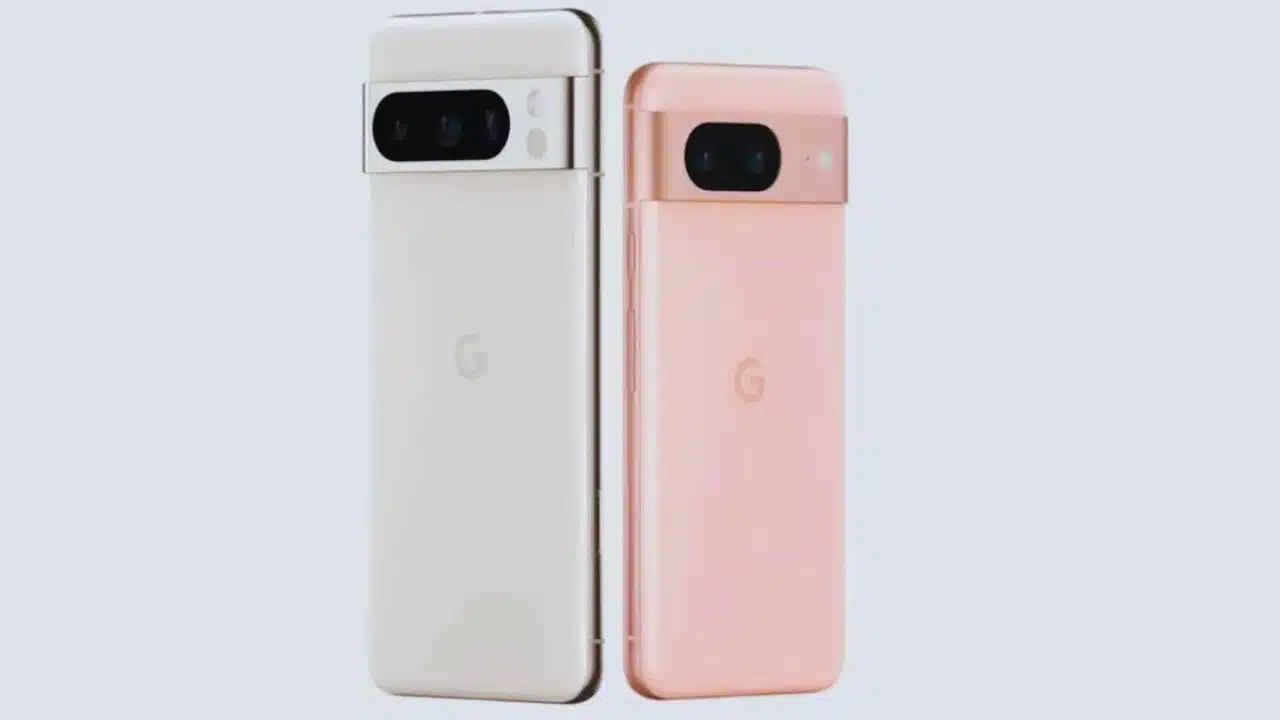
Google is set to roll out the Gemini Nano AI model to its Pixel 8 and Pixel 8a smartphones, despite earlier statements about hardware limitations.
This move marks a significant development in Google’s efforts to enhance on-device AI capabilities, but it also raises questions about the future performance and longevity of these devices.
What Is Gemini Nano?
Gemini Nano is Google’s smallest AI model designed for mobile use, aimed at improving on-device AI processing.
This feature is part of a broader initiative to make AI a central focus of Android, moving crucial AI processes from the cloud to the device itself.
On-device AI processing can enhance speed, security, and overall performance, making smartphones more efficient and responsive.
Initial Hesitation and Reversal
Initially, Google stated that the Pixel 8 would not receive Gemini Nano due to “hardware limitations.” This was surprising, given that both the Pixel 8 and Pixel 8 Pro are powered by the Tensor G3 system-on-a-chip.
The main difference between these models is the amount of RAM: the Pixel 8 Pro has 12GB, while the Pixel 8 and Pixel 8a have 8GB.
AI features are memory-intensive, which likely led to Google’s initial reluctance to include Gemini Nano in the Pixel 8 series.
However, in March, Google reversed its decision, announcing that Gemini Nano would be available as an opt-in feature for the Pixel 8 and Pixel 8a.
This update is expected to arrive with the June software update.
How Will Gemini Nano Work on Pixel 8 and Pixel 8a?
The upcoming update will include a new toggle in the Android AICore settings labeled “Enable on-device GenAI Features.” This toggle will allow users to activate Gemini Nano, enabling the phone to run generative AI features.
The feature will be disabled by default, aligning with Google’s promise to make it an optional setting.
This development was first spotted by reverse engineer Alessandro Puluzzi and confirmed by multiple reports.
While the exact functionality of Gemini Nano on these devices hasn’t been fully detailed, it is expected to include features like the Summarize tool in the Record app and Magic Compose in Google Messages, which are already available on the Pixel 8 Pro.
Challenges and Implications
The journey to bring Gemini Nano to the entire Pixel 8 series hasn’t been smooth. The initial hesitation and subsequent reversal highlight potential challenges that may arise as smartphones age.
AI models are becoming larger and more complex, and the hardware capabilities of current devices may struggle to keep up with future demands.
Google’s decision to promise seven years of software updates for the Pixel 8 series is ambitious but unproven in the Android ecosystem.
The viability of using a phone for seven years while maintaining a great experience is still questioned, especially considering the challenges faced in integrating Gemini Nano in the first year.
What This Means for Users
For users, the inclusion of Gemini Nano means enhanced AI capabilities and a more robust performance from their Pixel 8 and Pixel 8a devices.
However, it also suggests that users should be prepared for potential limitations and performance issues as new AI models and features are developed.
Google’s move to integrate Gemini Nano into the Pixel 8 and Pixel 8a is a significant step in enhancing on-device AI capabilities.
While the feature will bring advanced AI functions to these devices, the rocky path to this integration and the challenges it highlights should give users pause.
As AI models continue to evolve, the ability of current hardware to support these advancements remains a critical consideration.
Be sure to stay updated on this development and explore the potential of your Pixel device with the latest features.
The Information is Collected from TechRadar and Android Authority.