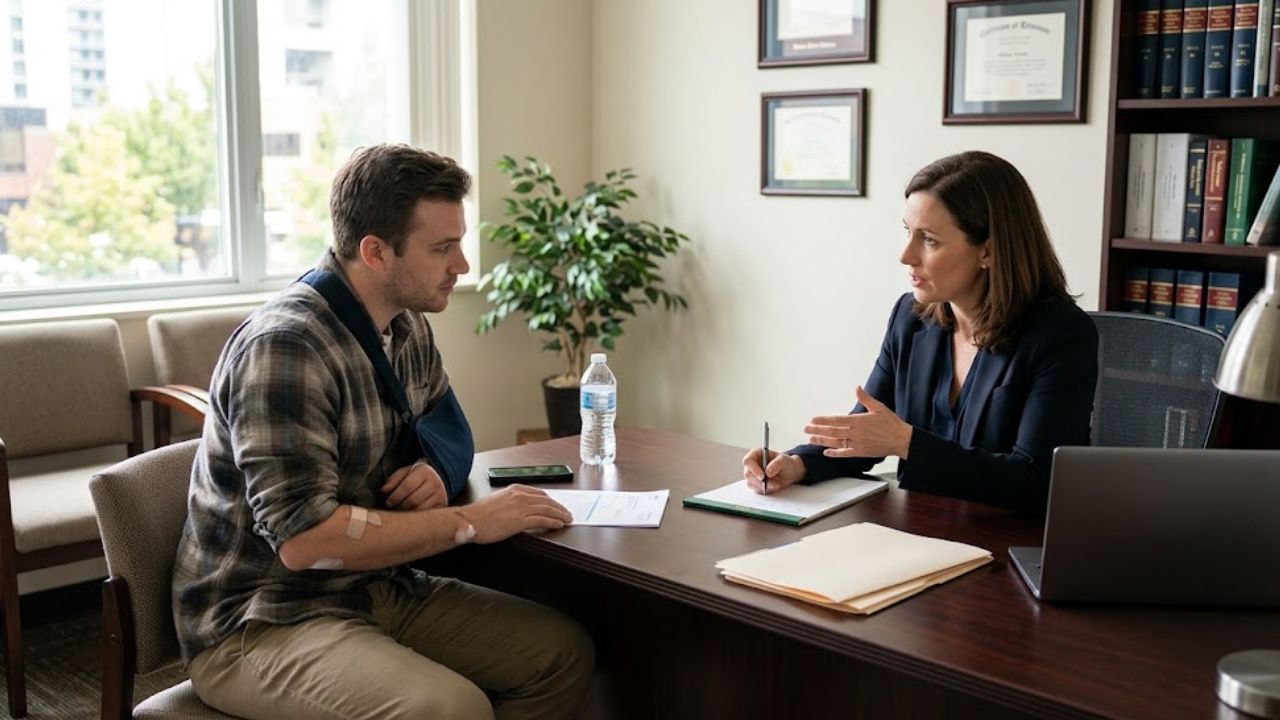
A personal injury claim, the process by which the injured party seeks compensation from the at-fault party and insurance company for their injuries and damages, may be available to someone who is damaged in an accident. Most personal injury cases are settled out of court or without the necessity for a lawsuit. If an injured party makes a strong and convincing personal injury claim, their chances of receiving just compensation without resorting to more serious legal action increase. This detailed guide to personal injury cases offers advice on how to fully comprehend each stage.
A Representative is Chosen
In order to guarantee that their case is properly presented, the majority of people who file personal injury claims do so with the aid of legal counsel. It might be a law firm of their choice or a personal injury claims management company. There are numerous personal injury claims management firms and attorneys who focus on this area, and there is a wealth of information online to aid you in choosing the best option for you.
A management company or a lawyer that has heard about your potential case and wants to discuss it further may call you on the phone. Keep in mind that just because a representative contacts you doesn’t mean you have to hire them. You must present your case, and you should be cautious about accepting offers at random without first doing more study.
Procedures Before Action
Following the selection of a representative, you must adhere to a set of instructions known as pre-action protocols. A letter of claim will be sent to the third party once they have been identified, outlining exactly what happened to the claimant and any injuries, to the extent that they can be diagnosed at the time.
A letter of claim may be obtained from a firm or person directly, through their attorneys, or from their insurance provider. The letter of claim has a 21-day response and acknowledgment period from the third party. The defendant’s insurance company will most likely handle the situation on their behalf after receiving the great majority of claims.
The defendant shall have three months from the date of the first response to investigate the allegation. At the conclusion of this time, they must declare whether they accept or reject legal responsibility.
Getting the Most Relevant Evidence
If the defendant denies responsibility, the claimant must start assembling evidence. To establish the strongest case possible, you must acquire evidence that implicates the third party and exhaust all conceivable avenues. It would consist of witness accounts or testimony from individuals who are familiar with the alleged injury-causing equipment.
It’s crucial to record details at the time of the incident so that you can review it afterward because the evidence collection stage could take up to 3 months and 21 days following your initial claim. Keep in mind that any discrepancies in your proof could hurt your case and, in some cases, eliminate your likelihood of receiving a claim.
Getting Medical Evidence
In some situations, where a defendant has confessed fault, it might not be necessary to gather a lot of evidence about the accident itself. However, if guilt is not admitted and the defense declines to take responsibility, you must begin gathering medical evidence. Medical evidence collecting could be as simple as gaining access to your doctor’s and hospital records, or it could involve going to a specialist for a particular injury. Any reports created in support of a personal injury claim will be made available to the defendant, whether or not they have admitted fault.
In addition to the initial injuries brought on by the occurrence, claimants must keep note of how their injuries affect their daily life. You can take into account additional costs as well as the impact on your personal and professional lives. Again, you must keep an accurate record at all times because it can take you longer than three months after filing a claim to obtain reasonable medical proof. If a claim is successful, the plaintiff can be entitled to compensation for a range of additional costs, such as taxi fares if the incident prevented them from driving.
Potential Settlement Talks
In this pre-court phase, whether liability has been acknowledged or contested, the parties may negotiate a potential settlement. All parties would desire a fair and equitable settlement as soon as possible to reduce legal costs and court time. The claimant and defendant are more likely to have their agents attempt to achieve a settlement on their behalf than to sit across from one another at the negotiation table.
No matter how high or low the defendant’s attorney offers as a settlement, the plaintiff’s attorney is required to present it. The decision to accept the settlement offer and end the litigation will ultimately rest with the claimant. The offer must be accepted by the claimant within twenty-four hours, or else it will be withdrawn. Even though the majority of personal injury lawsuits are settled out of court, there are rare situations when this is not possible. In such cases, seeking help from Personal Injury Attorneys at Munley Law can ensure proper legal representation and guidance.
Conclusion
The lawyers managing the case must explain the process to both the defendant and the plaintiff, and each side must be aware of where they stand. Although there are numerous areas where the schedule is flexible, any evidence that must be presented in court must first be made available to all parties. The best personal injury lawyer in Kansas City will keep you updated on any case developments and assist you in avoiding falling victim to the defendant’s tricks and schemes intended to defraud you of the money you are owed in compensation.