
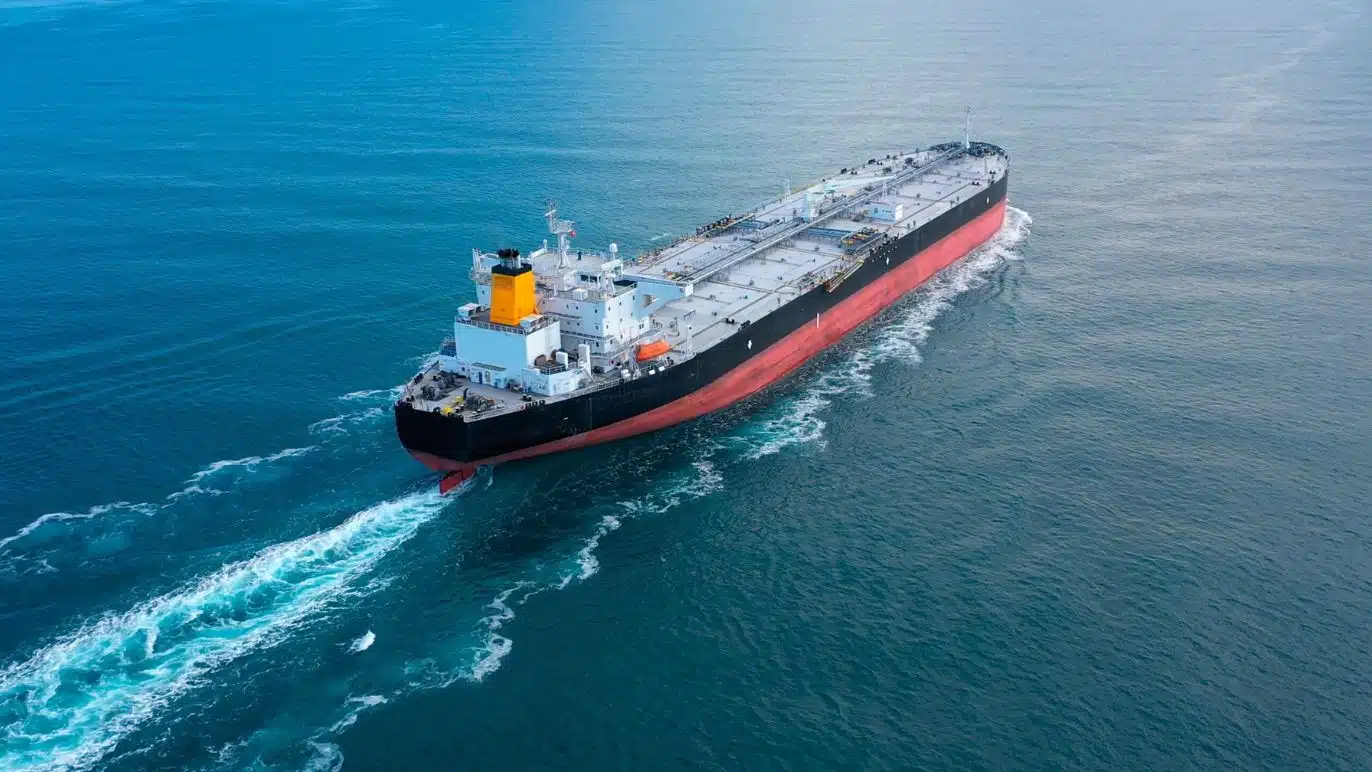
Oil prices have spiked amid reports that Venezuela’s state oil company PDVSA is shutting down wells in the Orinoco Belt due to a U.S. blockade on sanctioned tankers, exacerbating storage shortages and export halts. This escalation under President Donald Trump’s administration marks a sharp intensification of pressure on Nicolás Maduro’s regime, with global markets reacting swiftly to fears of tighter supply.
Blockade’s Origins and Execution
President Trump announced a “total and complete blockade” of sanctioned oil tankers entering or leaving Venezuela on December 16, 2025, via Truth Social, framing it as a response to Maduro’s alleged involvement in drug trafficking, terrorism, and asset seizures from U.S. firms. The U.S. Coast Guard has already seized multiple vessels, including the Skipper on December 10, Centaurus on December 20, and pursued a third, the Bella 1, forcing others to idle or reverse course to evade interdiction. This naval operation, bolstered by increased U.S. military presence in the Caribbean, effectively chokes off Venezuela’s shadow fleet of about 30-80 sanctioned tankers that facilitate illicit exports to buyers like China, Cuba, and Iran.
The blockade builds on long-standing sanctions dating back to 2019, when the U.S. targeted PDVSA directly, freezing $7 billion in assets and halting payments for exports. Recent Treasury actions added six more tankers—White Crane, Kiara M, H Constance, Lattafa, Tamia, and Monique—and related firms, aiming to dismantle an $8 billion shadow oil trade. While Chevron operates under a carve-out, loading its own authorized ships, the net effect has slashed exports, with loaded vessels now lingering in Venezuelan waters to dodge seizures.
PDVSA’s Forced Shutdown
Faced with swelling inventories and no buyers, PDVSA approved a production cut on December 23, initiating well closures in the Orinoco Belt—the world’s largest oil reserves—starting December 28. The company targets a 25% reduction in the Belt’s output, from around 670,000 barrels per day (bpd) to 500,000 bpd, equating to a 15% drop in national production from 1.1 million bpd. Shutdowns began in the Junín block, home to extra-heavy crude, with plans to extend to Ayacucho and Carabobo blocks for lighter grades.
Shutting wells is a desperate measure; restarting them demands massive costs and operational hurdles, signaling Maduro’s acknowledgment of the blockade’s bite after insisting exports continued uninterrupted. PDVSA has converted tankers into floating storage, but major hubs like Jose and the Orinoco risk overflow within days, compounding issues from disrupted Russian naphtha imports needed to dilute heavy crude. A cyberattack on December 13-14 further crippled administrative systems at export terminals, forcing manual operations and halting loadings temporarily, though PDVSA downplayed production impacts.
Immediate Market Surge
Brent crude climbed 1.5% to $59.81 per barrel and West Texas Intermediate (WTI) rose 1.6% to $56.13 following Trump’s announcement, with further gains to $62.48 (Brent) and $58.58 (WTI) by December 24 amid Venezuelan supply fears. Prices pared some losses from broader surpluses but remain volatile, with analysts warning a prolonged embargo could remove nearly 1 million bpd, tightening heavy sour crude markets.
Global supply buffers—millions of barrels idling off China—have tempered panic, but investors eye risks from Venezuela’s 15-20% share of global heavy oil reserves. Equities dipped slightly (Dow down 0.6%), reflecting mixed Fed signals, yet oil’s rally underscores the blockade’s leverage in a market projecting 2025 surpluses of 6 million bpd if Venezuelan flows persist unchecked.
| Benchmark | Pre-Announcement (Dec 15) | Post-Announcement Peak (Dec 24) | Change |
|---|---|---|---|
| Brent | ~$58.50 | $62.48 | +6.8% |
| WTI | ~$55.20 | $58.58 | +6.2% |
Venezuela’s Economic Stranglehold
Oil accounts for 90-95% of Venezuela’s export revenue, funding Maduro’s regime amid hyperinflation, shortages, and a 75% GDP contraction since 2013. The blockade halves potential exports, slashing billions and deepening crisis in an economy already reeling from underinvestment—output plummeted from 3 million bpd pre-sanctions to 1.1 million today. PDVSA’s debt exceeds $60 billion, with fields like Orinoco suffering from obsolete tech and brain drain.
Maduro’s government expropriated U.S. assets under Hugo Chávez in 2007, nationalizing fields and prompting ExxonMobil and ConocoPhillips exits, a grievance Trump invoked. Chevron’s limited role provides some cash, but illicit trades to Asia—via ship-to-ship transfers—now falter, starving Caracas of dollars for imports.
Maduro’s Defiance and International Backlash
Venezuela decries the blockade as “piracy” and a violation of international law, vowing UN complaints and framing it as a U.S. oil grab. Maduro insists on “energy sovereignty,” blaming “extremists” for the cyberattack, which PDVSA called sabotage by Washington allies. Exports to allies like Cuba continue via unsanctioned routes, but tankers hesitate amid pursuits.
Latin American leaders urge restraint: Mexico’s Claudia Sheinbaum calls for UN intervention to avert “bloodshed,” while Brazil’s Lula da Silva offers mediation between Trump and Maduro. Experts like Notre Dame’s Mary Ellen O’Connell label tanker seizures illegal under maritime law. Trump’s rhetoric escalates, hinting at strikes on Venezuelan facilities, potentially catalyzing regime change.
Global Ripple Effects
Supply Chain Disruptions
Heavy crude refiners in India, China, and the U.S. Gulf Coast face premiums, as Venezuela’s Orinoco grades blend poorly with substitutes. Russia’s naphtha U-turns exacerbate dilution shortages, risking further cuts. Caspian pipeline damage from Ukrainian strikes adds parallel risks, though surpluses from non-OPEC+ producers like the U.S. (13 million bpd) cushion blows.
Geopolitical Tensions
The U.S. buildup—dozens of drug strikes killing 95 since September—blurs lines between anti-narcotics and regime pressure. Iran and Russia, sanction-dodging partners, may boost shadow fleets, but Trump’s campaign disrupts their $8 billion Venezuelan trade. OPEC+ monitors closely, with no immediate quota hikes signaled.
Long-Term Production Outlook
Restarting shuttered wells could take months, costing hundreds of millions, per sources. Years of mismanagement limit rebounds below 200,000 bpd annually without investment. Maduro’s isolation grows, as even Chevron faces PDVSA suspensions amid U.S. tariffs.
Broader Energy Market Dynamics
| Factor | Bullish Impact (Price Up) | Bearish Offset (Price Down) |
|---|---|---|
| Venezuelan Loss | -1M bpd heavy crude | Global surplus 6M bpd 2025 |
| U.S. Military Actions | Tanker pursuits, storage crisis | Russia-Ukraine peace boosts supply |
| Cyber/Storage Issues | Export halts, well shutdowns | China offloads idled barrels |
| Sanctions Scope | 30+ tankers idled | Chevron carve-out persists |
U.S. Strategic Calculus
Trump positions the blockade as dual-purpose: curbing fentanyl flows (Venezuela as transit hub) and ousting Maduro, deemed illegitimate post-2024 elections. By targeting PDVSA’s lifeline, Washington aims to weaken patronage networks sustaining the regime. Risks include escalation—Maduro’s military vows defense—and market blowback if prices spike toward $70+, fueling inflation.
Critics warn of humanitarian fallout: medicine shortages could worsen, echoing 2019 sanctions’ $11 billion hit. Allies like Brazil push dialogue, but Trump’s intransigence signals prolonged standoff.
Future Scenarios
-
Prolonged Blockade: Exports drop 50%, forcing 300,000+ bpd more cuts; Brent tests $70 by Q1 2026.
-
Regime Concession: Maduro yields on elections or assets for relief, stabilizing flows.
-
Escalation: Ground strikes or Russian/Iranian countermeasures broaden conflict.
-
Market Adaptation: Asia pivots to Middle East heavy grades, muting surges.
Venezuela’s oil saga underscores energy’s weaponization in great-power rivalry. As PDVSA idles wells, the world watches for cracks in Maduro’s fortress—or sparks of wider turmoil.