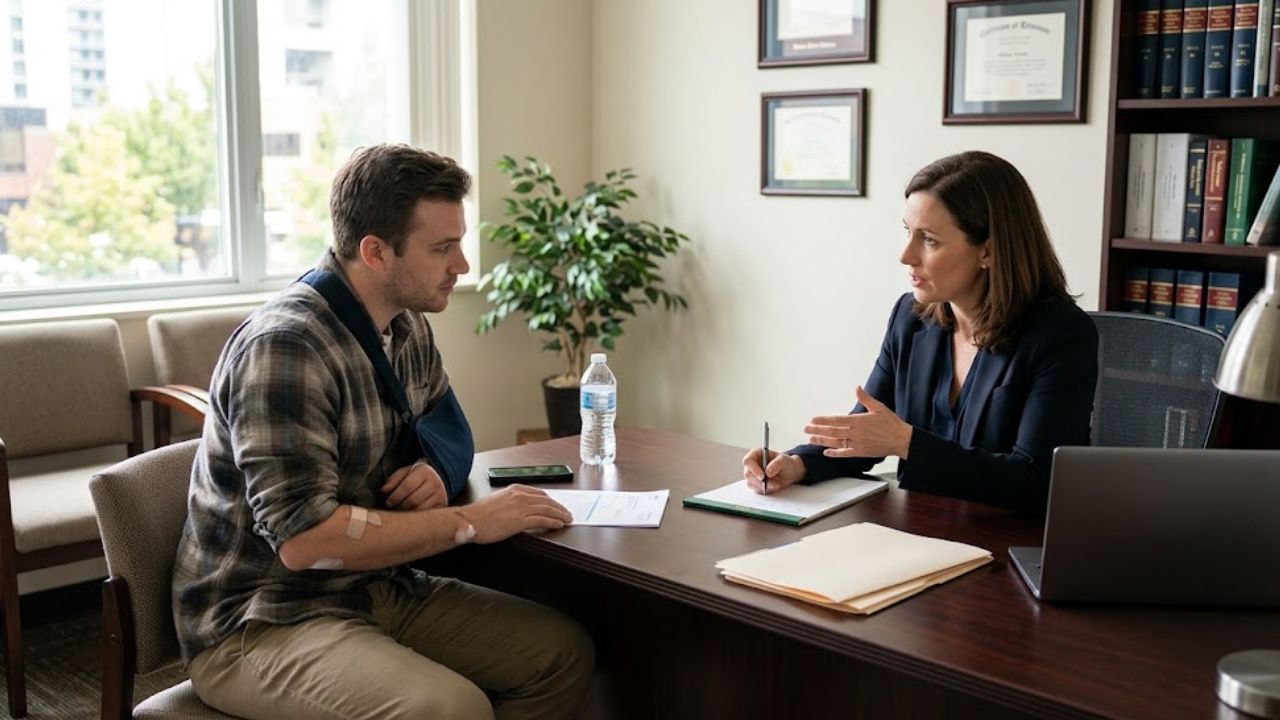
Brain injuries, particularly traumatic brain injuries (TBIs), can significantly impact an individual’s life. Often, these injuries result from unexpected accidents or events. But what happens when a brain injury is the consequence of someone’s negligence? Understanding the role that negligence plays in causing brain injuries is crucial not only from a medical perspective but also from a legal one.
This article delves into the legal aspect, highlighting how negligence ties into brain injuries and the subsequent legal processes.
Understanding Negligence
In personal injury law, negligence is the omission or failure to act with care that a reasonable person should have exercised under the same situation and circumstances. This lack of reasonable care can result in harm or injury to another. For instance, a driver distracted by their cell phone who causes an accident could be considered negligent.
In situations where negligence leads to severe outcomes like brain injuries, legal ramifications often arise. If you suspect that a loved one’s brain injury has been caused by someone else’s negligence, seeking legal counsel becomes essential. If you’re looking for an experienced brain injury lawyer, you can find one specializing in negligence-related injuries. This legal expert can guide you and your family through the intricacies of the legal system, ensuring you receive the compensation you deserve.
Common Scenarios Leading to Brain Injuries Due to Negligence
There are numerous situations where negligence can result in brain injuries. Some of the most common scenarios include:
-
Vehicle Accidents
One of the leading causes of TBIs is motor vehicle accidents. A negligent driver, whether they’re under the influence, distracted, or simply not obeying traffic laws, can cause severe accidents leading to brain injuries.
-
Medical Malpractice
In some unfortunate cases, medical professionals can make errors that result in brain injuries. Whether it’s a mistake during surgery, improper diagnosis, or incorrect medication administration, these lapses in professional conduct can have dire consequences, including serious injuries.
-
Workplace Incidents
Workplaces, especially in industries like construction and manufacturing, can be hazardous. If employers neglect safety protocols, employees are at risk. Falling objects, machinery mishaps, or even slips and falls can cause traumatic brain injuries.
You can find a skilled personal injury lawyer to help you navigate workplace incidents and seek appropriate compensation. Personal injury lawyers specialize in workplace accident cases, offering legal guidance on rights and options. They aid in evidence collection, negotiate with insurance, and provide representation in court if needed.
-
Sports And Recreational Activities
While sports and recreational activities are sources of enjoyment, they also pose potential dangers. Inadequate protective gear, improper supervision, or flawed equipment can lead to brain injuries. Organizers or trainers who don’t uphold safety standards can be held liable for negligence.
A personal injury lawyer can assist individuals involved in sports and recreational activity incidents by providing legal guidance, collecting evidence, negotiating with insurance companies, representing clients in court, developing legal strategies, and navigating relevant laws and regulations. Their expertise helps injured parties seek compensation and hold negligent parties accountable for their actions.
Proving Negligence In Brain Injury Cases: A Deeper Dive
In personal injury law, especially cases involving brain injuries, establishing negligence forms the bedrock of a lawsuit. A successful claim hinges on the ability of the plaintiff to prove, with clarity and precision, that the defendant’s negligence directly resulted in their injury. To better grasp this concept, let’s delve deeper into the four primary elements that must be proven:
-
Duty Of Care
Every individual, in various aspects of life, has certain responsibilities towards others. This is termed as a “duty of care.” In essence, it means an obligation to act in a manner that won’t harm another person.
For example, medical professionals must provide competent care to their patients. At the same time, property owners must ensure that their premises are free from hazardous conditions that might injure visitors. In the context of driving, every motorist has a legal obligation to operate their vehicle safely, respecting traffic laws, and being mindful of other road users.
-
Breach Of Duty
Once the duty of care is established, the next step is to demonstrate that the defendant breached this duty. A breach occurs when one fails to uphold the expected standard of care in a given situation.
For example, if a motorist checks their messages while driving and becomes distracted, this action can be viewed as a breach of their duty to drive safely. Similarly, a doctor who fails to diagnose a medical condition that any competent doctor should have identified under the same circumstances can be said to have breached their duty of care to the patient.
-
Causation
Causation is arguably the most complex element to prove. It’s not enough to show that a breach of duty occurred; it’s essential to link that breach directly to the injury sustained. For a brain injury case, this might involve medical evidence and expert testimonies to show that the defendant’s action (or lack thereof) was the proximate cause of the injury.
For instance, if someone suffered a brain injury due to a car crash, it needs to be demonstrated that the crash—and not some other event—caused the injury. Moreover, it has to be proven that the crash occurred due to the defendant’s negligent action, such as running a red light or driving under the influence.
-
Damages
Finally, the plaintiff must demonstrate that they suffered damages because of the defendant’s negligent acts. These tangible damages can be economic, like medical expenses and lost wages, and non-economic, such as pain, suffering, and diminished quality of life.
In brain injury cases, the nature of damages can be particularly profound, encompassing long-term rehabilitation, therapy costs, and the emotional toll on the injured party and their family. Often, expert witnesses, including medical professionals and financial analysts, are called upon to detail the extent and projected future costs of the injury.
If negligence results in brain injuries, swift medical attention is essential. Document the incident with photos and witness accounts. Seek advice from a personal injury lawyer skilled in brain injury cases to explore legal avenues. Compile medical records to illustrate the injury’s severity. Notify pertinent parties and pursue a negligence claim, aiming for compensation covering medical costs, lost earnings, and suffering.
Cooperate in legal proceedings and prioritize the injured person’s rehabilitation. Following these steps enables individuals to effectively address negligence in brain injury cases and strive for equitable compensation and recovery support. Hire an experienced attorney to help protect and defend you
Conclusion
Understanding the significance of negligence in brain injury scenarios is not just an individual concern but one that resonates with the broader community. For those directly affected, it’s a pathway to justice, while for society, it’s a reminder of collective responsibility. By keeping the information mentioned above in mind, victims can have a fighting chance to regain control of their disrupted lives.