Misdemeanor charges, while less severe than felonies, can still have significant repercussions on your personal and professional life. From employment challenges to tarnishing your overall reputation, the impact can be long-lasting and severe.
However, there are legal avenues and strategies that can be pursued to potentially have these charges dropped or dismissed.
1. Understand the Charge
First off, you have to grasp what a misdemeanor charge entails. It’s less severe than a felony, sure, but it’s no slap on the wrist, either. Misdemeanors can lead to fines, community service, or even jail time. More than that, they can damage your reputation and make things like finding a job or an apartment much tougher.
Knowing what’s at stake is the first step in tackling the issue at hand.
2. Get Legal Help Early On
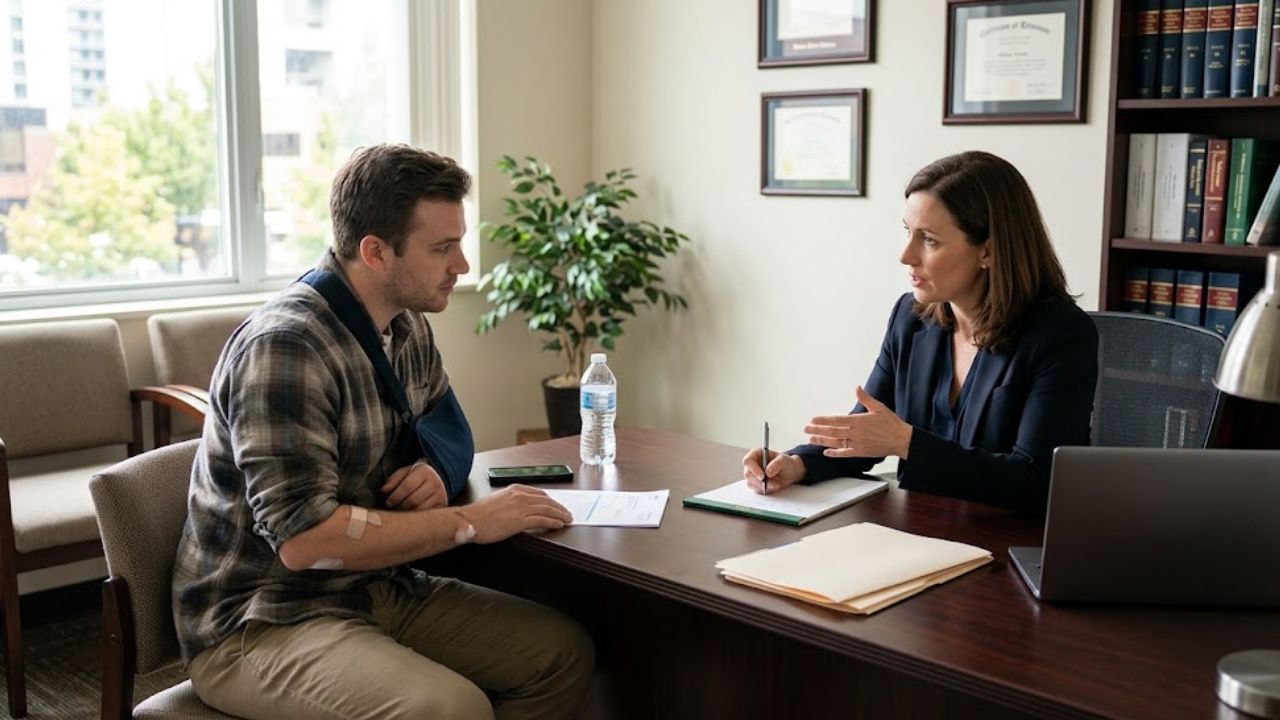
Don’t wait around. As soon as you know you’re facing a misdemeanor charge, get in touch with a lawyer who knows their stuff. The legal world is tricky to navigate, and having someone who can guide you is going to be your most valuable asset. They can help you understand your rights, the specifics of your charge, and what moves to make next.
3. Consider a Plea Deal
Sometimes, the best way forward is negotiating a plea deal. This is where you agree to plead guilty to a lesser charge, and in return, the more serious charge gets dropped. It’s a way to lessen the impact of the charge on your life. Your lawyer can help you determine if this is a good option for your situation and negotiate the best deal possible.
4. Look Into Diversion Programs
Diversion programs are like a second chance. They allow you to avoid conviction by completing certain requirements, like community service, counseling, or education programs.
Each program is different, but the idea is that if you meet all the conditions, your charge could be dropped. It’s a way to make amends and prove you’re committed to doing better. Your attorney can explain more about how these work and gather information on whether or not they’re possible in your situation.
5. Challenge the Evidence
In most cases, defendants accept the charges they’ve been given and will try the aforementioned strategies of plea bargains and diversion programs to hopefully get a lesser charge or more lenient consequences. However, a lot of times, the best thing you can do is fight back.
“The prosecution is banking on the fact that most people are just going to throw in the towel and give up – making easy work for them,” attorney Rowdy G. Williams says. “But fighting a misdemeanor charge might be the best decision you ever make. Oftentimes, they don’t have nearly as strong of a case as they want you to think.”
If your case goes to court, there are a few defense strategies that might work in your favor. One is to challenge the evidence against you. If the evidence was collected illegally or there are holes in the prosecution’s case, it might not hold up in court. Your lawyer can help you figure out if this is a viable strategy.
6. Question the Legality of the Arrest
Another defense is to question the legality of your arrest. Were your rights violated? Was there probable cause for the arrest in the first place? If not, the charges against you might not stand.
Again, this is where having a knowledgeable lawyer is key. They can scrutinize the circumstances of your arrest and see if there are grounds to challenge it. Attorneys usually have five to 10 different factors they look at in every case to analyze whether or not the arrest was even legal to begin with. A good lawyer will start here.
7. Utilize Personal Testimonies and Character References
Sometimes, showing the court who you are outside of this charge can make a difference. Character references from people who know you well, like family members, employers, or community leaders, can paint a picture of your character and values. Personal testimonies can demonstrate your remorse, commitment to making amends, and plans for the future.
Be Proactive and Move Forward
The absolute worst thing you can do when charged with a misdemeanor is sit back and watch everything unfold. Time is of the essence, and you must be proactive. That means understanding the charge, finding a lawyer, and working with your legal team to execute a plan that gives you the best chance of having charges dropped or reduced.
Let this article serve as an overview of one approach you can use to get started.