

We are used to perceiving life as a sequence of events following one another. Therefore, we focus our attention only on the biggest ones—holidays, achieving long-term goals, and any noticeable changes. And it seems that these are the ones that shape our experience and change us. But what if real changes happen not when we move, quit our jobs, or start new relationships, but in the simplest, fleeting moments we so easily miss?
What Makes Moments Meaningful
From a psychological perspective, everyday events shape our overall sense of happiness. We underestimate the power of routine moments: a walk in the fresh air, morning coffee, kind words from a colleague, a smile from a random passerby on the street. Yes, such events don’t produce a wow effect, allowing us to fix this moment in memory, but they steadily influence our psycho-emotional state. And if we don’t learn to notice them, we begin to lose the foundation of our inner balance.
Mindfulness is a practice that helps to “be here and now” and to fill seemingly insignificant events with meaning. It has proven its effectiveness in treating anxiety, depression, chronic pain, and even ADHD. Attention to the moment is not just a trend of recent years, but a skill that can and should be developed and used every day.
Mindfulness and Children: What They Learn from Adults
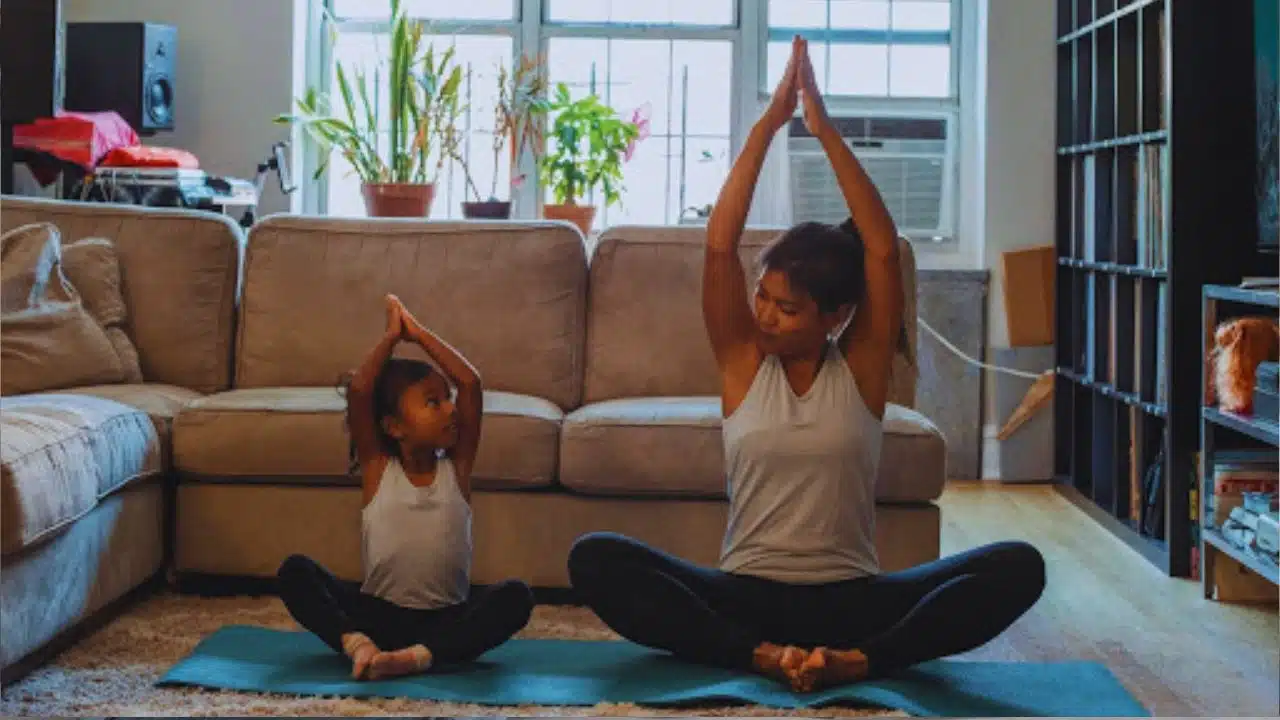
In every person’s life, parents are the first and main teachers. They don’t only pass on their knowledge but also shape the child’s basic understanding of behavior, emotions, safety, and attitude toward the surrounding world. Specialists increasingly raise the topic of ADHD in kids, emphasizing that an atmosphere of mindfulness in the family plays a key role in forming children’s emotional health. From an early age, a child absorbs not only words but also adult behavior – their reactions, ways of coping with stress, and manner of communication. Such an environment forms not just behavioral patterns but the child’s basic beliefs about themselves and the world around them.
Thus, if adults know how to be attentive to themselves and the present moment, they pass this quality on to children. This is especially important in situations related to the development of self-regulation skills, the formation of empathy, and emotional connection.
Short joint practices, focus on breathing, and body-oriented games with attention to sensations help the child better understand themselves and others. And most importantly, it creates a stable, attentive atmosphere in which one can grow without pressure and overload.
Simple Events That Stay with Us

A small experiment. Close your eyes and try to remember what truly brought warm emotions to you in the last few days. Most likely, you won’t remember a work task completed on time or a new gadget, even if you’ve wanted it for a long time. More likely, simple things will come to mind: morning freshness, drinking tea in silence or the first sip of morning coffee, the warmth of the sun on your face, music from an open window, a warm blanket, and a favorite book at the end of the day. It can be any moment that awakens a sense of presence and life in us.
All these are the moments of real life. But unfortunately, we don’t notice them because our brain is wired to solve problems and minimize threats. As highlighted on liven app, we more often strive for productivity and can focus on the negative, missing the main thing: our feelings, connection with the surrounding things, and how we feel. It is these little things that create the background of our inner world, on which all emotional stability later rests.
Psychologists often draw our attention to the fact that a person feels happier not when achieving great success, but when they know how to be fully immersed in everyday life. It’s no coincidence that people who regularly practice mindfulness talk about improved sleep quality, reduced anxiety, and a sense of more vivid perception of life, the ability to notice any details, colors, and tastes.
How to Practice Mindfulness in Reality
Mindfulness is much simpler than it might seem. It doesn’t require a special place, time, or belonging to any spiritual tradition. It’s not an esoteric practice but rather a natural skill available to everyone. Mindfulness can be practiced in everyday actions – while driving, washing dishes, taking a walk, standing in line, or even brushing your teeth. The main thing is to observe your sensations here and now without judgment.
Here are several simple and accessible ways to practice mindfulness in everyday life:
- Focus on your breathing. Simply observe how the air fills your lungs and your chest expands; feel its movement above your upper lip. Breathe naturally without changing the rhythm.
- Eat slowly, focusing on your sensations of tastes and textures.
- Try to emphasize attention on what you see, hear, feel – colors, smells, sounds.
- If you feel yourself becoming irritated or rushing, take several deep breaths – this will help you slow down and return to the present moment.
All these are quite simple actions that become anchors at the moment and return you to reality. The more often you do this, the more meaning you begin to notice in the ordinary.
Why This Matters for the Future
Each day, we can become more resilient if we learn to give meaning to everyday events. We don’t postpone joy until special occasions and don’t pursue external achievements merely for the sake of feeling our own worth. We simply are. Likewise, we live and we notice. And therein lies the strength.
In the long term, this can reduce stress levels, help build better relationships, and raise children in an atmosphere of safety and trust. Moreover, it allows us to be truly alive and enjoy each day rather than merely exist in multitasking mode.
Takeaways
Meaning doesn’t only exist in words like “first time,” “forever,” or “never.” It lives in the simple “now.” We can’t always change circumstances, but we can change our attitude towards them and how we experience them. That’s why it’s important to learn to stop, breathe, and notice what surrounds us here and now.
The moments that change us are not external events, but rather a turn of our attention within. Real life begins where we choose to notice and feel deeply. And this is what makes it truly full and meaningful.






















