America’s roads, bridges, and buildings need fixing. But here’s the catch: the cement we use to build them pumps out massive amounts of CO2 emissions. Every ton of portland cement creates nearly one ton of greenhouse gas emissions.
This creates a real problem for anyone who cares about climate change and wants strong infrastructure.
Cement production accounts for 8% of global CO2 emissions and 1.5% of U.S. emissions. The cement industry faces huge pressure to cut its carbon footprint. The good news is that scientists and companies are working hard to find better ways to make cement.
They’re creating new types of cementitious materials that work just as well but produce far less carbon emissions.
This guide shows you 10 proven low-carbon cement alternatives that can transform U.S. infrastructure. You’ll learn about carbon capture technologies, supplementary cementitious materials like fly ash, and innovative solutions from companies leading the green cement revolution.
These alternatives can help cut greenhouse gas emissions while building the strong structures America needs.
Ready to discover how concrete can go green?
Key Takeaways
- Cement production creates 8% of global CO2 emissions, but ten low-carbon alternatives can cut greenhouse gas emissions by 10% to 90%.
- Portland-limestone cement and fly ash blends offer immediate 10-61% emission reductions while meeting all current building codes and performance standards.
- Geopolymer cements using industrial waste can slash emissions by 80%, with Sublime Systems targeting 30,000 tons yearly production by 2026.
- Carbon capture technology at Heidelberg’s Mitchell plant will capture 95% of 2.1 million tons CO2 annually starting in 2030.
- DOE invested $86.9 million in novel cement demonstrations, with projects achieving 61-83% emissions reductions across major infrastructure developments.
What is Portland-Limestone Cement and how does it reduce carbon?
Portland-limestone cement (PLC) offers a smart way to cut cement industry emissions without changing how builders work. This low-carbon cement mixes ordinary portland cement with limestone powder, creating a blend that performs just as well as traditional cement.
The magic happens because limestone replaces some of the energy-hungry clinker in regular cement production. Clinker substitution strategies like PLC deliver immediate results for cement manufacturers looking to shrink their carbon footprint.
PLC can slash CO₂ emissions by 10% compared to ordinary portland cement, making it one of the fastest paths to lower carbon concrete. The Canadian Standards Association and National Building Code of Canada have both approved PLC for construction projects.
If builders across Canada switched to PLC, the country could cut greenhouse gas emissions by 1 million tons each year. Cement plants find PLC attractive because it costs less to make than traditional cement while still meeting all building codes and performance standards.
How does Geopolymer Cement work as a sustainable option?
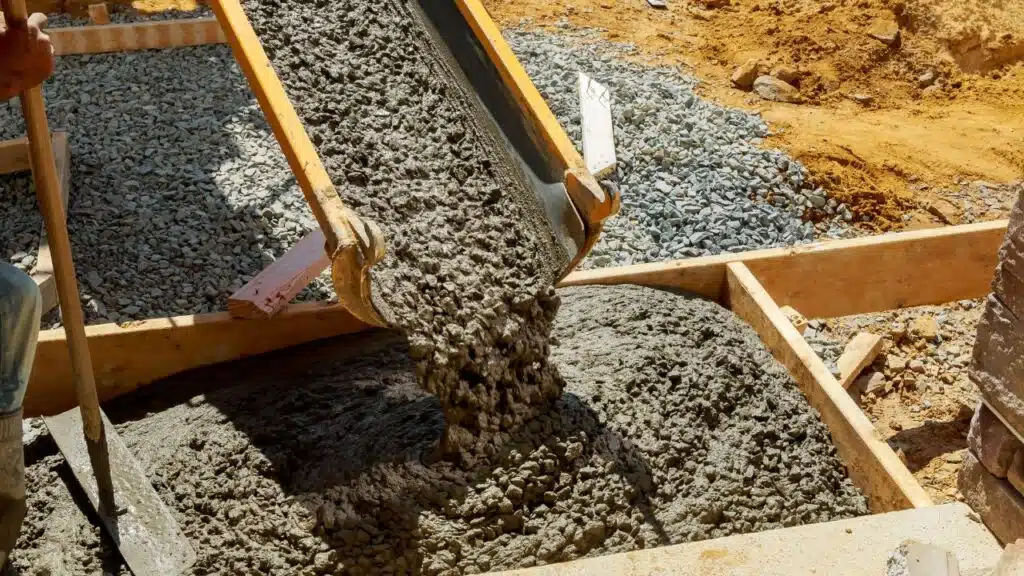
Geopolymer cements represent a breakthrough in sustainable construction materials. These innovative binders work differently than traditional cement. They skip the limestone heating process that creates massive co2 emissions.
Instead, geopolymers use industrial byproducts like fly ash from power plants. The process mixes these materials with alkaline solutions to create strong concrete. This method cuts greenhouse gas emissions by up to 80% compared to regular cement.
Novel cements like geopolymers avoid process emissions by using non-carbonate raw materials. The chemical reaction happens at room temperature, which saves energy too.
Sublime Systems leads the charge in geopolymer development with their electrochemical process. The U.S. DOE’s IDP awarded $86.9 million to Sublime Systems in Holyoke for novel cement demonstration.
Their plant targets 30,000 tons per year by 2026. Novel cement plants achieve greater than 90% emissions abatement. These geopolymers need clean electricity to power their production systems.
The technology transforms waste materials into valuable construction products. This creates a circular economy where steel production waste becomes cement. First-of-a-kind plants for novel cements will prove commercial viability.
The concrete industry can slash its carbon footprint through these sustainable technologies.
What are Alkali-Activated Materials and their benefits?
Alkali-activated materials represent a game-changing type of supplementary cementitious material that slashes clinker content in cement production. These innovative materials work like nature’s own cement factory, using industrial byproducts such as fly ash and blast furnace slag to create strong, durable concrete.
The U.S. cement and concrete industry has embraced these materials as a cornerstone of carbon reduction strategy. Ash Grove Cement Company received over $4 million in government funding to develop supplementary cementitious materials from sediment waste, targeting up to 70% carbon intensity reduction through these alkali-activated solutions.
DOE-funded Summit Low-Carbon Calcined Clay Demonstrations will use blended cements, including alkali-activated materials, to achieve a 61% emissions abatement across major infrastructure projects.
Blended cements using these materials are expected to meet 2% of U.S. cement demand by 2030, with the DOE making nearly $65 million available for additional research and development projects focused on advanced supplementary cementitious materials.
These materials provide improved performance and durability in concrete alongside significant carbon benefits, making them essential tools for achieving net-zero emissions in construction while maintaining the structural integrity that modern infrastructure demands.
How does CarbonCure Concrete lower carbon emissions?
CarbonCure functions as a carbon storage system within concrete. Companies inject captured CO₂ directly into fresh concrete during mixing. This carbon mineralization technology permanently stores the carbon dioxide within the concrete structure.
The process transforms CO₂ into solid minerals that strengthen the concrete while reducing greenhouse gas emissions.
This innovative approach produces tangible results for climate action. CarbonCure’s carbon mineralization stores CO₂ within concrete, reducing overall carbon footprint significantly.
The U.S. Department of Energy funds research and development projects for this promising technology. Carbon mineralization is included in U.S. decarbonization strategies as a key method for emissions reduction.
The technology complements other low-carbon concrete solutions like blended cements and carbon capture systems.
What is Biocement and how is it produced?
Biocement represents a game-changing approach to construction materials that harnesses biological processes instead of traditional high-temperature kilns. This innovative technology uses bacteria, enzymes, or other biological agents to bind materials together naturally.
The process creates strong concrete-like materials while dramatically cutting carbon dioxide emissions from cement production. Scientists grow specific bacteria in controlled environments, then mix them with sand, nutrients, and calcium sources.
These tiny organisms produce calcium carbonate crystals that act like natural glue, binding particles into solid structures. The DOE is allocating nearly $65 million for RD&D projects that explore biocement research as part of cutting-edge solutions for reducing the cement industry’s massive carbon footprint.
Production methods vary, but most biocement processes start with cultivating bacteria in laboratory settings. Researchers feed these microorganisms specific nutrients to encourage calcium carbonate formation.
The bacteria essentially eat the nutrients and excrete minerals that harden into cement-like materials. This biological approach eliminates the need for energy intensive processes that traditional cement requires.
Biocement technologies remain at earlier stages of commercial demonstration compared to other low-carbon alternatives, but they show tremendous promise for mid- to long-term strategies.
Market acceptance and lifecycle performance will determine how quickly biocement becomes part of mainstream construction. These biological materials could play a crucial role in helping the cement industry achieve net-zero targets by 2050, especially as clean energy sources power the production facilities.
How can Recycled Concrete Aggregate be used in new construction?
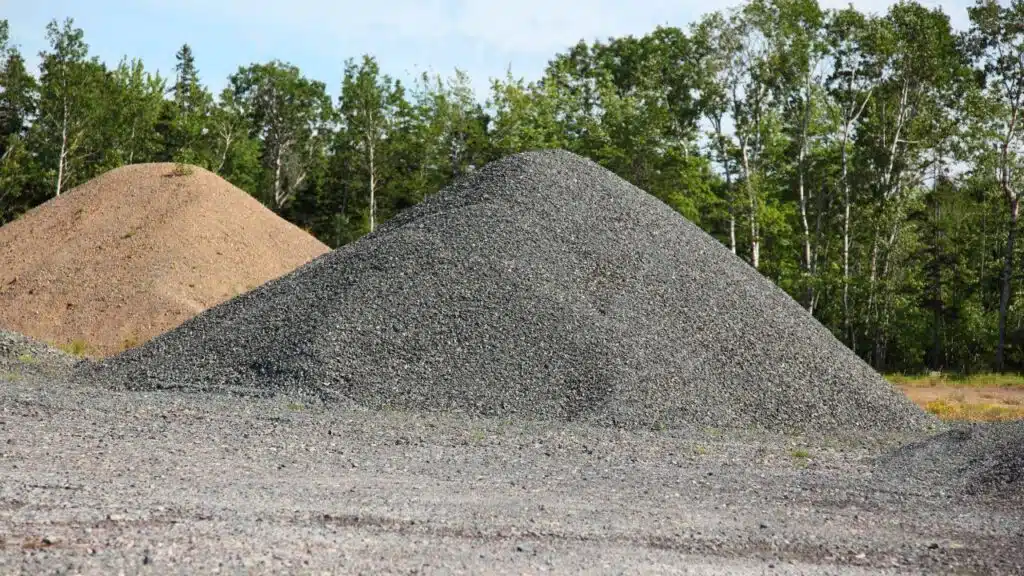
Recycled concrete aggregate transforms old concrete into valuable building material for new projects. Construction crews crush demolished concrete structures to create aggregate that replaces virgin stone and gravel.
This process follows circular economy principles that reduce waste while cutting co2 emissions from quarrying operations. The crushed material works well in road bases, sidewalks, and new concrete mixes.
Ready-mix concrete companies now blend recycled aggregate with fresh cement to create strong, durable structures.
Recycled concrete aggregate offers a surprising bonus that helps fight greenhouse gas emissions. The crushing process increases surface area exposed to atmospheric CO₂, which enhances natural carbon sequestration through carbonation.
This means recycled concrete actually pulls carbon dioxide from the air as it sits in new construction projects. The cement industry roadmap identifies recycling as an immediate action for reducing embodied carbon.
At the end of its lifecycle, concrete can be crushed again to maximize its CO₂ uptake capability, creating a continuous cycle of carbon capture and reuse.
Supplementary Cementitious Materials explained
Supplementary cementitious materials work like secret weapons in the fight against co2 emissions from cement production. These industrial byproducts, including fly ash from power plants, transform waste into valuable ingredients that slash the carbon footprint of concrete while making it stronger.
What is Fly Ash and why is it important for low-carbon cement?
Fly ash comes from coal power plants as an industrial byproduct. This fine powder forms when coal burns at high temperatures. Power companies once threw this material away, but now cement makers use it as a supplementary cementitious material.
Fly ash replaces part of the cement clinker in concrete mixes. This swap cuts down on carbon dioxide emissions because making clinker produces lots of greenhouse gases.
Fly ash helps the U.S. cement industry lower its carbon footprint fast. The country uses more clinker than other nations, so adding fly ash to blended cements makes a big difference.
DOE supports projects that use fly ash as the main supplementary material. These fly ash-based cements can cut emissions by 61% to 83% in demonstration projects. Blended cement projects using this industrial waste will meet 2% of total U.S. cement demand by 2030.
Companies like Ash Grove Cement are leading the charge, exploring fly ash and other waste materials like sediment to make cleaner concrete.
How does Ground Granulated Blast-Furnace Slag improve cement sustainability?
Ground granulated blast-furnace slag comes from steel production waste. This industrial byproduct replaces part of the cement clinker in blended cements. GGBFS cuts down the energy needed to make concrete.
It also lowers CO₂ emissions from cement production. The U.S. DOE funds projects using GGBFS as an advanced supplementary cementitious material. These projects can cut emissions by up to 83%.
GGBFS makes concrete structures last longer and perform better. This material supports the circular economy by turning steel waste into useful cement ingredients. Public and private investment helps scale up GGBFS use across America.
The material plays a key role in immediate plans to cut carbon from cement making. Ready-mix concrete companies can use GGBFS right now to lower their carbon footprint.
What are Magnesium-Based Cements and their environmental impact?
Magnesium-based cements belong to the “novel cements” category and pack a serious punch for cutting carbon emissions. These innovative materials skip the process emissions that plague traditional portland cement by using non-carbonate magnesium sources instead.
Sublime Systems’ demonstration project targets greater than 90% emissions abatement with this technology. Production requires access to clean energy for electrolysis or other low-carbon processes, making renewables a key ingredient for success.
DOE is pouring investment dollars into RD&D and demonstration projects that include magnesium-based cement technologies. Commercial demonstration remains necessary to prove scalability and viability in real-world conditions.
Market acceptance and infrastructure compatibility stand as key hurdles for widespread adoption. These cements form part of long-term strategies for deep decarbonization of the cement industry, offering a path toward zero carbon concrete production that could revolutionize green building practices across America.
How do Pozzolanic Cements contribute to reducing emissions?
Pozzolanic cements pack a powerful punch in the fight against greenhouse gas emissions. These smart materials work by blending clinker with natural or artificial pozzolanic materials, which react with calcium hydroxide.
This clever process cuts down the clinker content in cement, directly slashing CO₂ emissions. Think of it like watering down a strong drink, but instead of weakening the mix, you’re making it greener.
Pozzolanic materials fall under supplementary cemetitious materials (SCMs), and they’re getting serious backing from DOE-funded demonstration projects. The U.S. cement sector is jumping on this bandwagon fast, ramping up pozzolanic cement adoption to hit those tough decarbonization targets.
Roanoke Cement Company’s project shows just how game-changing this technology can be. With DOE funding behind them, they’re shooting for an 83% emissions reduction using blended cements with pozzolans.
That’s not just impressive, it’s revolutionary. These pozzolanic cements are delivering 61% to 83% emissions cuts in key demonstration projects across the country. Market acceptance and regulatory approval are crucial pieces of the puzzle for scaling up pozzolanic cement use.
Green procurement policies and public infrastructure projects are already embracing these low-carbon concrete solutions. The concrete masonry units industry is taking notice too, as these materials help companies move toward carbon neutrality while maintaining the strength and durability that construction demands.
How is Carbon Capture and Utilization applied in cement production?
Carbon capture and sequestration (CCS) represents the most powerful tool for deep decarbonization in cement production. Heidelberg Materials leads this charge at their Mitchell plant, where they plan to capture 95% of 2.1 million tons per year of CO₂ emissions starting in 2030.
National Cement Company takes an even bolder approach at their Lebec plant in California. They combine CCS technology with waste biomass fuels and blended cements to achieve net-zero emissions by 2031, backed by up to $500 million in government funding.
Fortera shows how carbon utilization works in practice at CalPortland’s kilns. They use CO₂ from the cement production process for carbon mineralization, cutting emissions by 70% at their Redding plant.
This approach turns waste CO₂ into useful products instead of releasing it into the atmosphere. CCS projects face real challenges though, including permitting hurdles and infrastructure needs for CO₂ transport and geologic sequestration.
Only two cement plants currently implement CCS technology, but these projects deliver 95% to 100% emissions reductions at full scale.
What alternative fuels are used in cement kilns to cut carbon?
Cement plants across America are ditching fossil fuels for greener options. National Cement Company’s Lebec, California plant leads this charge by switching to waste biomass fuels as part of its net-zero strategy by 2031.
These alternative fuels include agricultural waste, wood chips, and municipal solid waste that would otherwise end up in landfills. Waste-derived fuels pack a double punch, cutting greenhouse gas emissions while solving disposal problems.
Canada shows us what’s possible with smart fuel choices. Their cement industry could slash emissions by up to 2 million tons per year just by using low-carbon and zero-carbon fuels.
DOE funding supports projects that mix alternative fuels with carbon capture technology and blended cements. This three-pronged approach maximizes carbon reductions across cement production.
Plants burn everything from old tires to paper mill sludge, turning trash into treasure while protecting our warming planet.
How can concrete mix designs be optimized for lower carbon emissions?
Design and construction teams can reduce carbon footprint by establishing clear reduction goals and optimizing mix designs. Maximizing supplementary cementitious materials (SCMs) like fly ash produces stronger, cleaner concrete.
These industrial byproducts substitute traditional cement, which decreases CO2 emissions from production. Admixtures constitute less than 1% of the mix but significantly enhance performance.
Effective teams collaborate with ready-mix concrete producers early in the planning process. This partnership helps deliver carbon-optimized mixes that meet project requirements without compromising quality.
Excessive design wastes cement and increases greenhouse gas emissions unnecessarily. Construction crews should avoid this issue by calculating exact material needs. Certified ready-mix concrete facilities offer quality control that helps decrease the overall carbon footprint.
Concrete mix optimization represents immediate action in the cement industry roadmap. Teams can achieve lifecycle carbon reductions across five key stages: clinker, cement, concrete, design/construction, and carbonation.
Waste optimization during concrete placement and curing concrete processes conserves materials and reduces emissions. These near-term strategies help builders create low-carbon concrete that performs well while protecting our planet.
Takeaways
America stands at a crossroads with cement production. These ten low-carbon alternatives offer real hope for cutting greenhouse gas emissions while building strong infrastructure. Companies like Solidia Technologies and projects funded by the Department of Energy prove that change is possible, not just talk.
Ready-mix concrete producers can start using fly ash and other supplementary cementitious materials today. Carbon capture technology and clean electricity will make cement kilns cleaner tomorrow.
The road to zero carbon fuels may be long, but every step counts for our planet’s future.
FAQs
1. What makes low-carbon cement different from regular cement?
Low-carbon cement cuts down co2 emissions during cement production. It uses supplementary cementitious materials like fly ash and industrial byproducts to replace some traditional ingredients. This switch helps reduce the carbon footprint of concrete by up to 50%.
2. How do blended cements help reduce greenhouse gas emissions?
Blended cements mix regular cement with materials like fly ash from power plants. These industrial byproducts would otherwise go to waste, so using them kills two birds with one stone. The result is low-carbon concrete that performs just as well as the old stuff.
3. Can limestone calcined clay cement really make a difference for US infrastructure?
You bet it can. Karen Scrivener’s research shows this cement can cut carbon dioxide emissions by 30%. It’s like switching from a gas guzzler to a hybrid car, but for buildings and roads.
4. What role does renewable energy play in making low-carbon concrete?
Clean electricity from solar panels and other renewable sources powers cement plants. Electric arc furnaces run on this green power instead of burning fossil fuels. Some companies even use clean hydrogen as a zero carbon fuel, which means no greenhouse gas emissions during production.
5. How does carbon capture technology work with cement alternatives?
Direct air capture pulls co2 right out of the atmosphere. Companies like Solidia Technologies then use this captured carbon in their concrete mix. The concrete actually becomes carbon-negative because it can sequester more carbon than it produces.
6. Are these low-carbon alternatives ready for large-scale US infrastructure projects?
Most are ready to roll right now. Ready-mix concrete companies already offer blended options using blast furnace slag and other materials. Research analysts say we just need more electric arc furnace capacity and better energy efficiency to scale up production across the country.