Launching a new product is a high-stakes moment. Whether it’s your first offering or the latest addition to your portfolio, the way you introduce it to your audience can set the tone for adoption, perception, and long-term success. And while many marketers focus on email lists or PR hits, LinkedIn Ads can be one of your most strategic tools for building buzz—especially in the B2B space.
If your buyers are decision-makers, industry specialists, or business leaders, LinkedIn is where they’re scrolling, researching, and networking. So how do you use that attention to your advantage when you’ve got something new to share?
Start Early—Before the Launch Date
A common mistake is waiting until the product is live to start advertising. But the best-performing launch campaigns often begin weeks in advance, using teaser ads to build anticipation.
You don’t need to reveal everything right away. Instead, focus on the problem your product solves. Highlight common frustrations or inefficiencies that your audience will immediately relate to. This primes them to care about what’s coming next and creates a sense of curiosity.
Use short video clips, carousel ads, or bold headlines that hint at a solution—without giving away the product. Think: “Coming Soon: A Smarter Way to Streamline Procurement” or “We’re About to Change How You Manage Your Team.”
Segment and Prioritize Key Audiences
Not everyone on LinkedIn needs to hear about your launch. Focus your ad spend on the people most likely to take action—whether that’s your top ABM accounts, a specific job title, or a high-intent audience from previous engagement.
If your product is built for HR managers in mid-sized companies, don’t waste impressions on executives outside of that space. LinkedIn’s targeting lets you be precise, and in a launch window, precision matters more than reach.
Segment your audiences by industry or role if possible, and tailor your messaging accordingly. Even small changes in ad copy—like referencing industry-specific pain points—can lead to higher engagement and stronger early interest.
Use Lead Gen Forms to Capture Interest
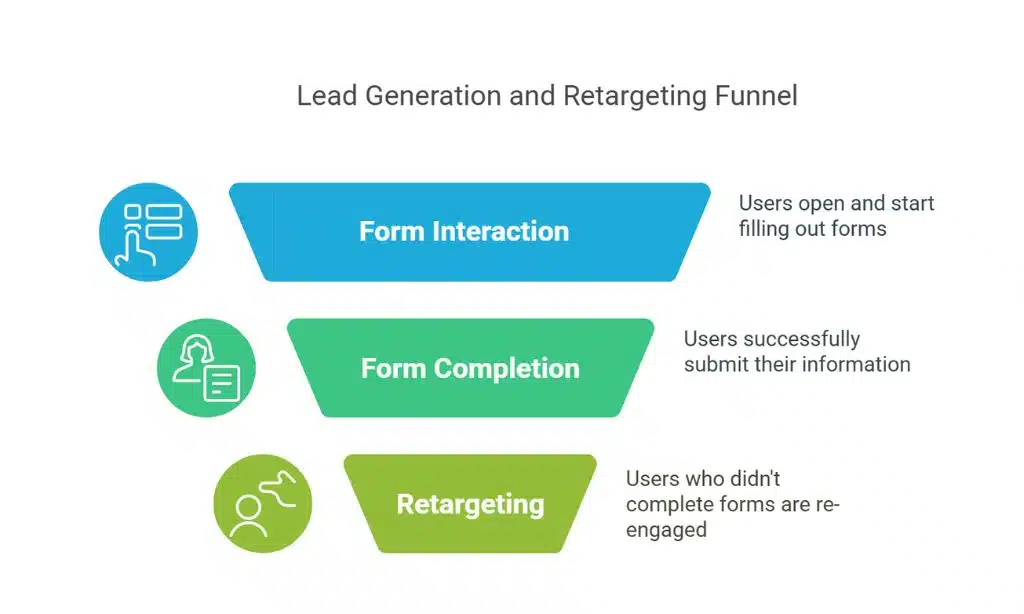
Your goal during a launch isn’t just to get clicks—it’s to gather signals. Using LinkedIn’s Lead Gen Forms, you can invite users to register for early access, request a product tour, or join a live demo. This creates a pipeline of warm leads even before the product is widely available.
Keep your forms short—name, email, company, and job title are usually enough. The easier it is to submit, the more likely users are to engage.
Later, you can use retargeting to follow up with those who opened the form but didn’t complete it. This is one of the best practices for linkedin ads that often gets overlooked during busy launch periods.
Showcase Social Proof Quickly
Once the product is live, momentum is everything. If you already have early users or pilot customers, feature them in your ads. A quote from a beta user or a stat like “300 companies signed up in the first week” can add credibility and urgency.
Use Sponsored Content with testimonials or quick case study summaries. You can also experiment with Video Ads showing behind-the-scenes looks or early results.
Don’t just tell people your product is great—show them who’s using it and why it matters to them.
Test and Adapt in Real-Time
Product launches are fast-moving by nature, and your ad strategy should be just as agile. Monitor which messages are driving form submissions, which creative gets higher click-through rates, and which audience segments are most responsive.
The faster you adapt, the more effectively you can allocate your budget. If one version of your message is resonating more with IT managers than with operations leads, shift your focus accordingly.
One of the best practices for linkedin ads is to treat every campaign like a learning opportunity. Use A/B tests, watch performance closely, and don’t be afraid to update copy or creative halfway through.
Takeaways
A strong LinkedIn Ads strategy can give your product launch the boost it needs to go from quiet debut to high-impact success. By starting early, targeting the right people, and using each interaction to build momentum, you turn interest into action—and action into long-term adoption.