


Being arrested in New South Wales (NSW) for assault is an alarming and baffling event that necessitates a deep understanding of the legal rights due to the stiff penalties and profound implications associated with such charges. In light of this, getting acquainted with the intricacies of the legal system, the rights it grants arrestees, and how these rights can be wielded to one’s advantage shapes an essential part of the post-arrest period.
Charges of assault, especially in a place like NSW, can have a myriad of effects on an individual’s personal and professional life and reputation. This underlines the need to handle such charges shrewdly and after extensive consultation, primarily with an attorney.
This article, therefore, seeks to empower individuals by imparting in-depth knowledge about the NSW law, assault as perceived under the law, rights during arrest and police procedures, how to secure legal aid, and preparing for court. The text seeks to equip the reader with a robust comprehension of the legal process should one be arrested for assault.
Understanding Assault Under NSW Law
Assault, under NSW legal norms, is defined as any act that intentionally or recklessly leads to the infliction of physical force on another party without their willing consent. Assault is not just physical; it also encompasses any form of threat or act that culminates in another person fearing imminent violence even when such violence is not realised.
Since assault charges can vary widely in severity, it is important to understand the Assault Classifications under NSW law.
Assault charges can be grouped into several categories:
Simple Assault: This category involves minor instances of non-consensual physical force, often resulting in trivial injuries, or threats that scare the victim. A simple assault is generally dealt with in local courts.
Aggravated Assault: This term typically applies to charges involving factors that exacerbate the severity of the offence. Factors consist of instances where an assault is carried out with a weapon, against minors, the elderly, or when the assault leads to substantial harm.
Grievous Bodily Harm (GBH): This is one of the most severe assault charges, applied when an individual inflicts critical injuries to another party that are either life-threatening or result in permanent disability.
Sexual Assault: These charges involve non-consensual sexual conduct or touching. Due to their severe nature, they carry some of the stiffest penalties under NSW law.
Nevertheless, penalties attached to assault charges vary, ranging from fines and community service orders to lengthy custodial sentences. The exact punishment often depends on factors such as the seriousness and specifics of the offence.
Prevalent defences that may apply in an assault case feature self-defence, where an accused person argues that they used force to protect themselves from an imminent attack. Another defence is the argument of necessity, where the defendant claims the actions were necessary due to the circumstances at the time. Provocation is also a robust defence where defendants argue they acted out of an immediate, uncontrollable reaction to severe provocation. However, these defences have intricate requirements, each applicable only under specific conditions.
Knowing Your Rights at the Time of Arrest
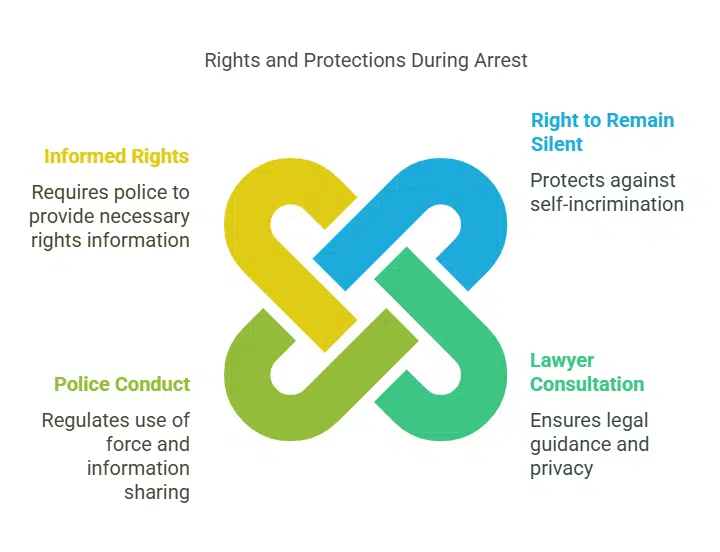
Every person arrested in NSW enjoys certain rights that afford protection and avenues for fair treatment before the law. Not knowing these rights can lead to inadvertent mistakes that negatively affect one’s case. A fundamental right that one possesses is the right to remain silent.
This right empowers an individual to balk at answering any questions law enforcement poses or making any statements that might incriminate them. The police are required by law to inform you of this right, a statement known as a caution, before questioning you. You are not in any way, necessary to say anything except identifying yourself by providing your name and address.
The first step following an arrest should be to ask to consult with a lawyer. The police must allow you time and privacy to consult with your lawyer. The lawyer, who understands the gravity and nature of the case, will guide you on the steps to take, the rights you enjoy, and how you can protect them. This should be documented, including precise details of your arrest and the allegations brought against you.
Police can use force when executing an arrest, but this must be necessary and reasonable. They are also mandated to identify themselves, inform you of your rights and why they believe you have committed an offence. They should not mislead you into making admissions or withhold any information relevant to your case.
Understanding Police Procedures During an Assault Arrest
Police follow set protocols while executing an arrest, which has implications for the arrestee. These stringent protocols start with the arrest itself and continue through the investigation and collection of evidence.
Police are entitled to question the arrestee after making an arrest concerning their possible involvement in the alleged offence. However, recall that one has the right to refuse to answer these questions or to wait until they have consulted with a lawyer, except when requested to provide their name and address.
Searches may also comprise part of the arrest process. Police have powers to search an arrestee if they believe the arrestee could be concealing evidence relating to the alleged assault. For such a search to be valid and lawful, however, the police must have reasonable cause, and it should be performed in adherence to the requirements of privacy rights.
If an arrest is wrongful or unjust, seeking legal advice to explore all avenues for redress is crucial. Remedies could include complaints against the police, compensation claims, or filing a court application to have the charges dismissed.
Legal Representation and Its Importance
Acquiring a lawyer immediately following an assault arrest is critical to ensuring the best possible outcome. Impartial legal advice and representation help an arrestee make sense of the charges against them and the legal process surrounding these charges.
A well-versed lawyer specialising in assault cases will advise on the best line of defence, negotiate for you, and ensure the police observe the proper procedures. They will also represent you effectively in court, increasing the chances of obtaining your most favourable outcome.
The choice of a lawyer is vital and should be thoughtfully made. Evaluations should centre on a lawyer’s experience and expertise, general standing and repute among the legal community and the judiciary, and whether they can match your needs. Reviews and testimonials about their services and proven track record can also provide useful insights about the lawyer’s capacity that can help in making the right decision.
If one cannot afford a private lawyer, duty solicitors can be invaluable. These are state-appointed lawyers who provide free legal advice and representation, especially during initial court appearances. They may not replace the in-depth guidance that a private lawyer who is dedicated to your case can offer, but they serve a crucial role in the early stages post-arrest.
Preparing for Court and Possible Outcomes
An assault charge ultimately leads to a court appearance, which can be an overwhelming experience for the unprepared. Effective preparation can mitigate the associated anxieties and uncertainty.
Preparing for court involves understanding the court process, accumulating substantial and helpful evidence, and engaging any beneficial witnesses for the defence. Engaging a lawyer is important since they have experience and expert knowledge of court procedures. They can present your case effectively and guide you throughout the process.
Court outcomes for assault charges can vary widely. They range from the dismissal of the charges, imposition of fines, and community service orders to imprisonment, depending on the nature and severity of the assault. Where one has earlier criminal convictions also play a part in influencing the court’s decision.
Please to assault charges are a significant factor in the eventual outcome of your case. Pleading guilty can often result in leniency in sentencing since an early guilty plea shows remorse and willingness to take responsibility. A not guilty plea results in a full trial where the prosecution is tasked to prove the charges beyond a reasonable doubt. Understanding the ramifications of each plea is pivotal, and this should be done in consultation with your lawyer.
Post-trial, if the court outcome is unsatisfactory, several avenues are available for appeal, depending on the specific circumstances of your case. Appealing is a complex process that requires strategic legal insight and should be conducted with the help of your lawyer.
Conclusion
Understanding the rights of an arrestee when facing assault charges in NSW is paramount in preparing a robust defence and ensuring the process is just and fair. Legal representation is pivotal to using these rights effectively, as is engaging a lawyer who can guide you through the complexities of the legal landscape.
Remember, handling assault charges need not be a daunting experience if you are well-prepared and informed. Contact a qualified legal professional for expert advice and counsel to safeguard your rights and future.






















